





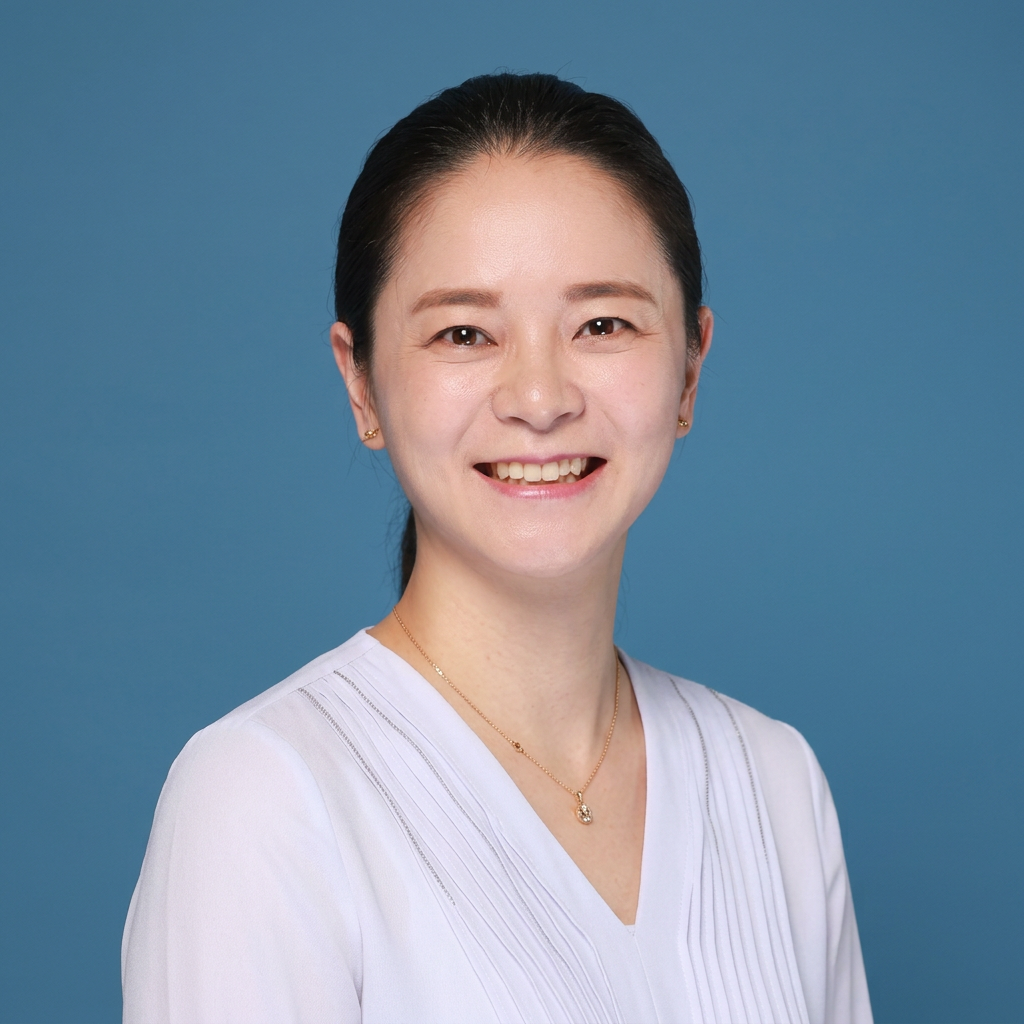
Dr Lynn DAI
General Manager, SenseTime Education, China

Prof Soraj HONGLADROM
Professor, International Buddhist Studies College, Mahachulalongkornrajavidyalaya University, Thailand

Prof Tien Yin WONG
Vice Provost, Tsinghua University;
Senior Vice Chancellor, Tsinghua Medicine, China/Singapore
Senior Vice Chancellor, Tsinghua Medicine, China/Singapore
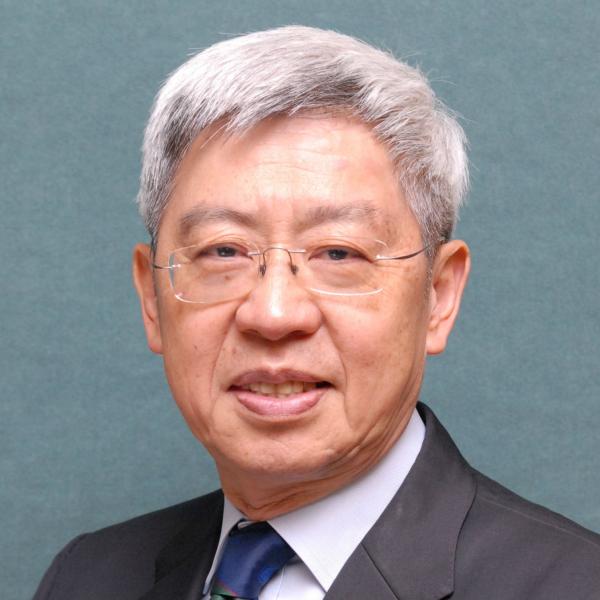
Prof Kai Ming CHENG
Moderator
Emeritus Professor, Division of Policy, Administration and Social Sciences Education, Faculty of Education, HKU, HKSAR China

Prof Herman CAPPELEN
Chair Professor, Department of Philosophy, School of Humanities, HKU, HKSAR China

Prof Rachel STERKEN
Chair, Department of Philosophy and Associate Dean, Faculty of Arts, HKU, HKSAR China
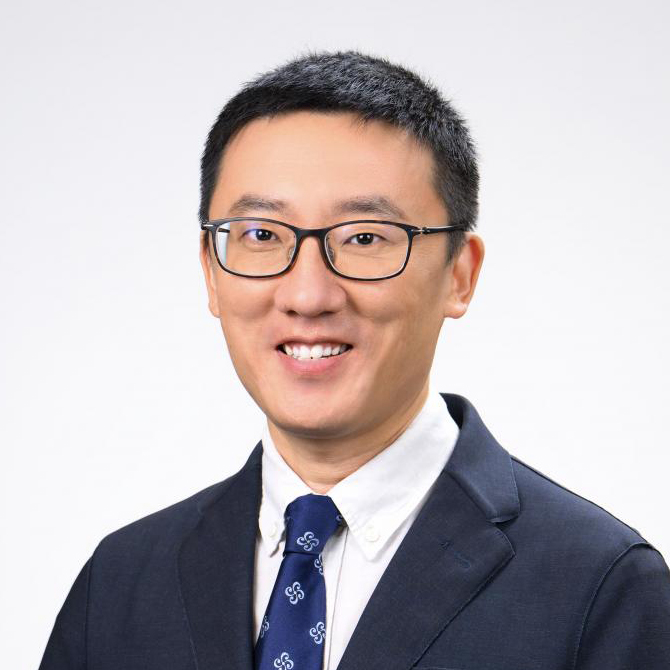
Prof Jiji ZHANG
Professor, Department of Philosophy, Chinese University of Hong Kong, HKSAR China

Prof Barry SMITH
Moderator
Professor and Director, Institute of Philosophy, School of Advanced Study, University of London, UK

Prof Pushan DUTT
Professor, INSEAD, Singapore
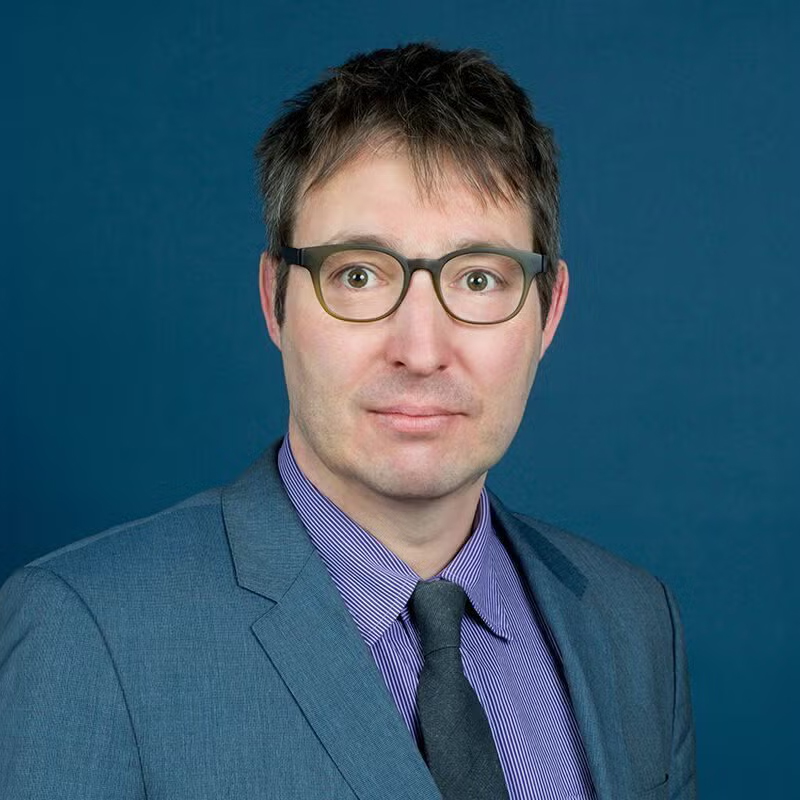
Prof Mathias RISSE
Director, Carr-Ryan Center for Human Rights, Harvard Kennedy School, USA

Prof Haochen SUN
Professor, Faculty of Law, HKU, HKSAR China

Prof Angela ZHANG
Professor, University of Southern California, USA

Prof Boris BABIC
Moderator
HKU-100 Associate Professor, HKU Musketeers Foundation Institute of Data Science, Department of Philosophy, and Faculty of Law (by courtesy), HKU, HKSAR China
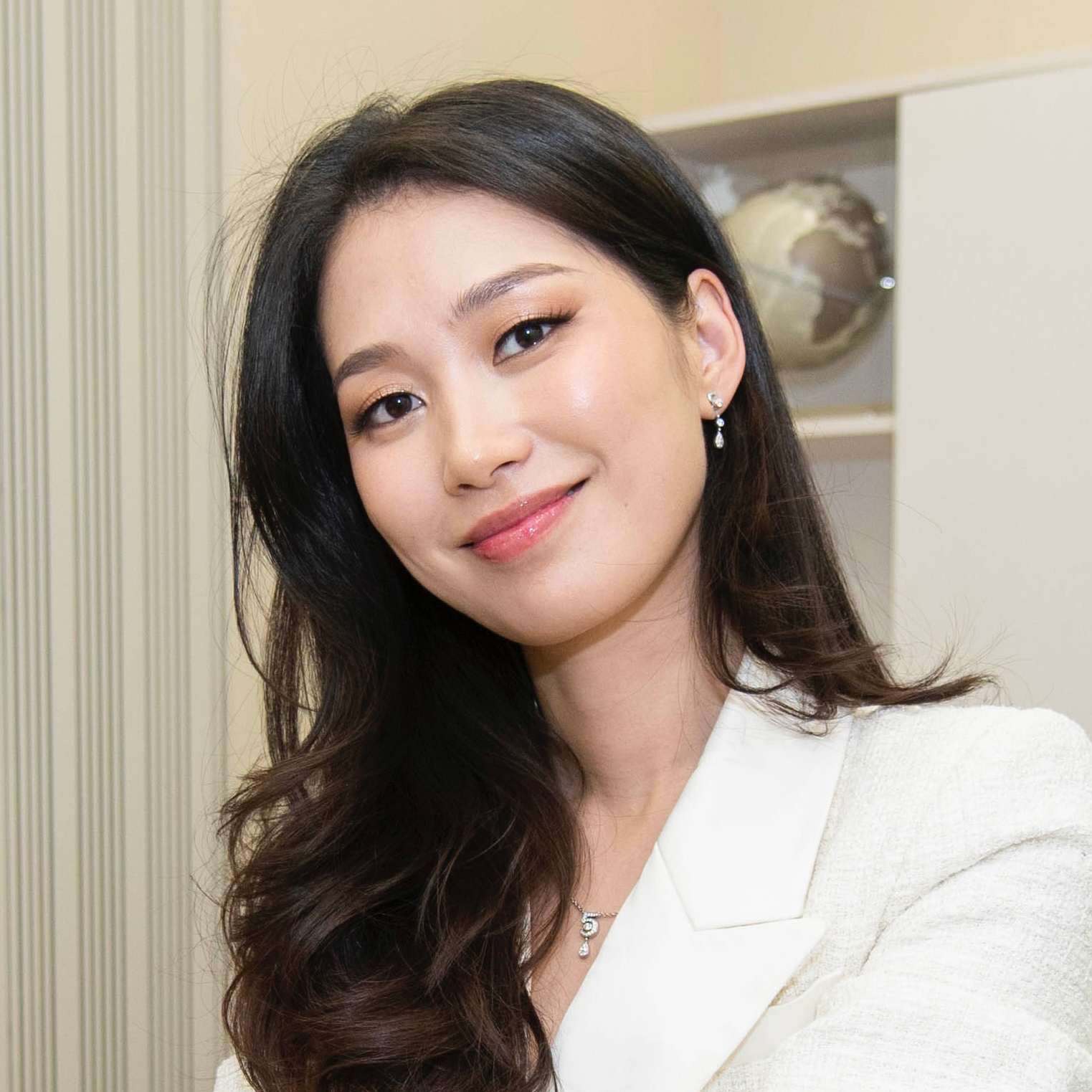
Ms Bolor BATTSENGEL
Founder and Chief Executive Officer, AI Academy Asia;
Former Vice Minister of Digital Development, UK/Mongolia
Former Vice Minister of Digital Development, UK/Mongolia
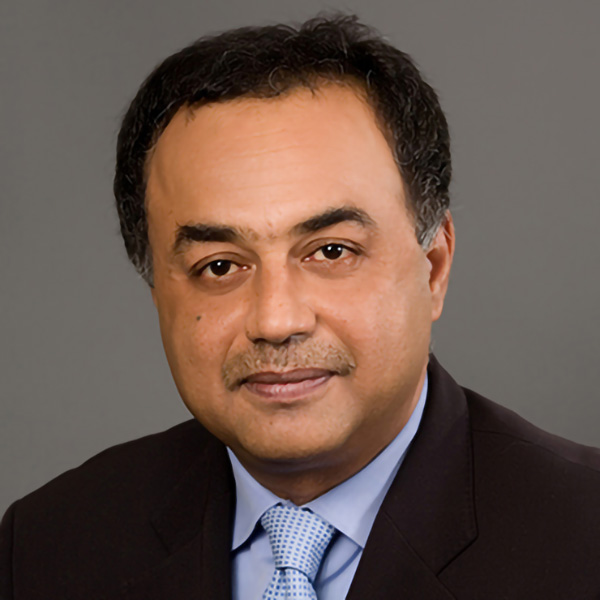
Prof Anil GABA
ORPAR Chaired Professor and Academic Director, Centre on Decision Making and Risk Analysis, INSEAD, Singapore

Dr Julian HUPPERT
Founding Director, Intellectual Forum, Jesus College, Cambridge;
Former MP for Cambridge, UK
Former MP for Cambridge, UK

Dr Anoop SINGH
Distinguished Fellow, NITI Aayog and Centre for Social and Economic Progress;
Former Managing Director, Asia Pacific Department of International Monetary Fund, India
Former Managing Director, Asia Pacific Department of International Monetary Fund, India
Prof Barry SMITH
Professor and Director, Institute of Philosophy, School of Advanced Study, University of London, UK

Prof Daniel BELL
Moderator
Professor and Chair of Political Theory, HKU School of Governance and Policy, HKSAR China

Prof George CHEN
Partner & Co-Chair, Digital Practice, The Asia Group;
Former Regional Public Policy Director, Meta, HKSAR, China
Former Regional Public Policy Director, Meta, HKSAR, China

Dr Genie Sugene GAN
Global Governor, Global Council for Responsible AI;
Co-Chair, CSA Alliance;
Chair for Cybersecurity, SGTech;
Singapore Digital Leader, IMDA;
Member, Coordinating Committee for Cybersecurity Singapore, Singapore
Co-Chair, CSA Alliance;
Chair for Cybersecurity, SGTech;
Singapore Digital Leader, IMDA;
Member, Coordinating Committee for Cybersecurity Singapore, Singapore
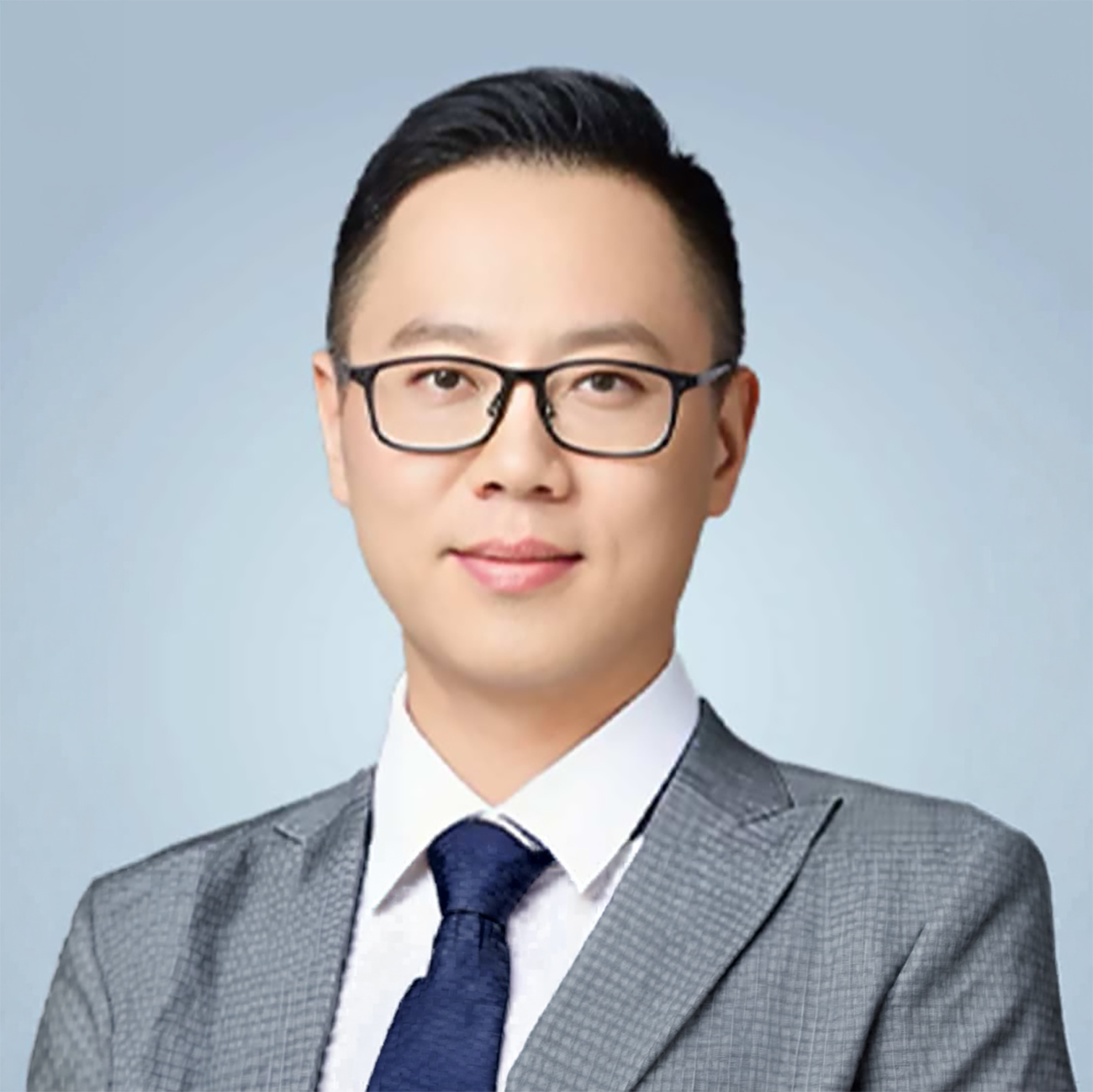
Dr Hongyu FU
Director, AI Governance Center and the Data Economy Center, Alibaba Research Institute, China

Dr Yonghua LIN
Vice President and Chief Engineer, Beijing Academy of Artificial Intelligence,
Founder, IEEE WIE, China
Founder, IEEE WIE, China

Prof Qian XIAO
Vice Dean, Institute for AI International Governance;
Deputy Director, Centre for International Security and Strategy, Tsinghua University, China
Deputy Director, Centre for International Security and Strategy, Tsinghua University, China

Prof Brian WONG
Moderator
HKU-100 Assistant Professor, Department of Philosophy;
Fellow, Centre on Contemporary China and the World, HKU, HKSAR China
Fellow, Centre on Contemporary China and the World, HKU, HKSAR China