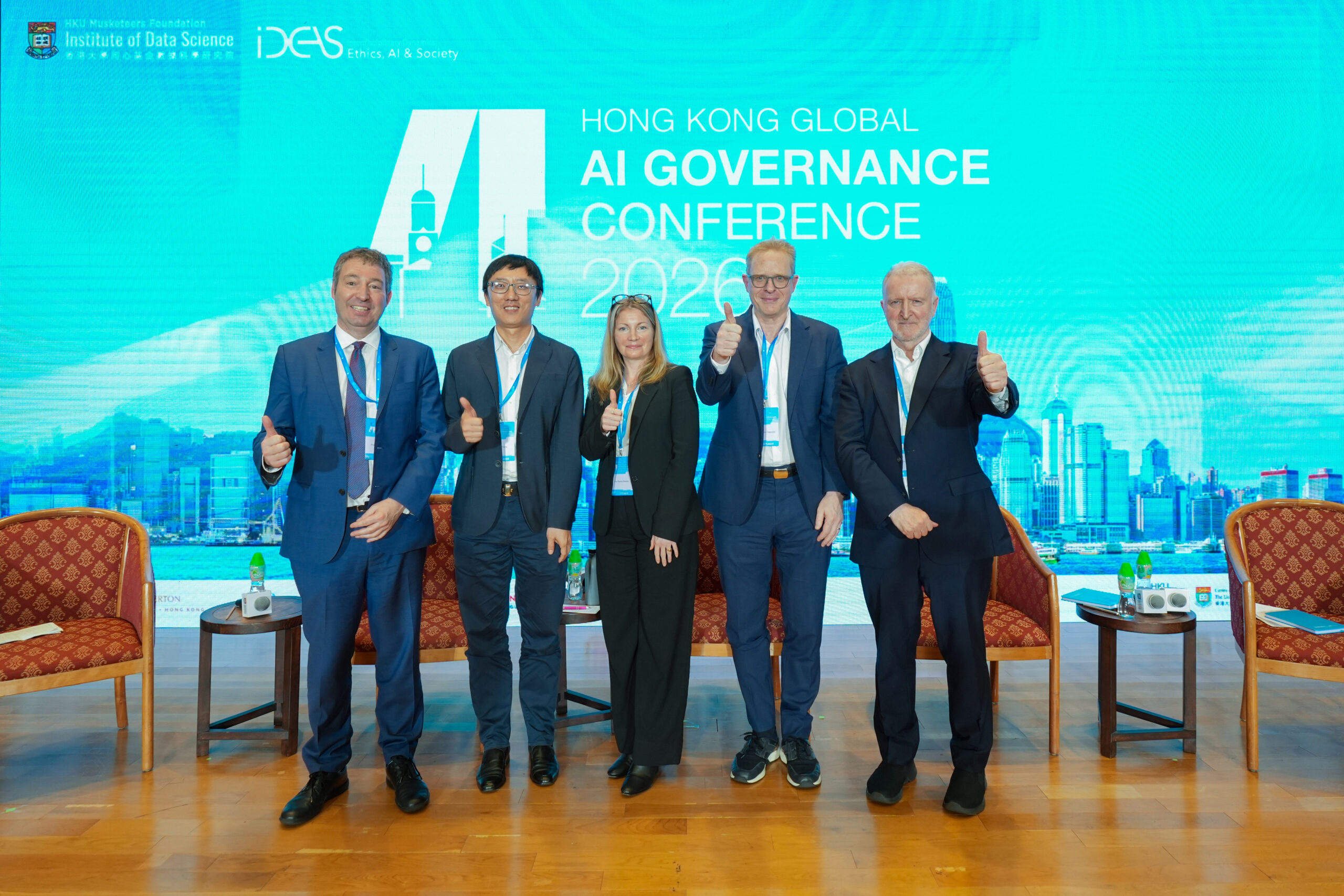
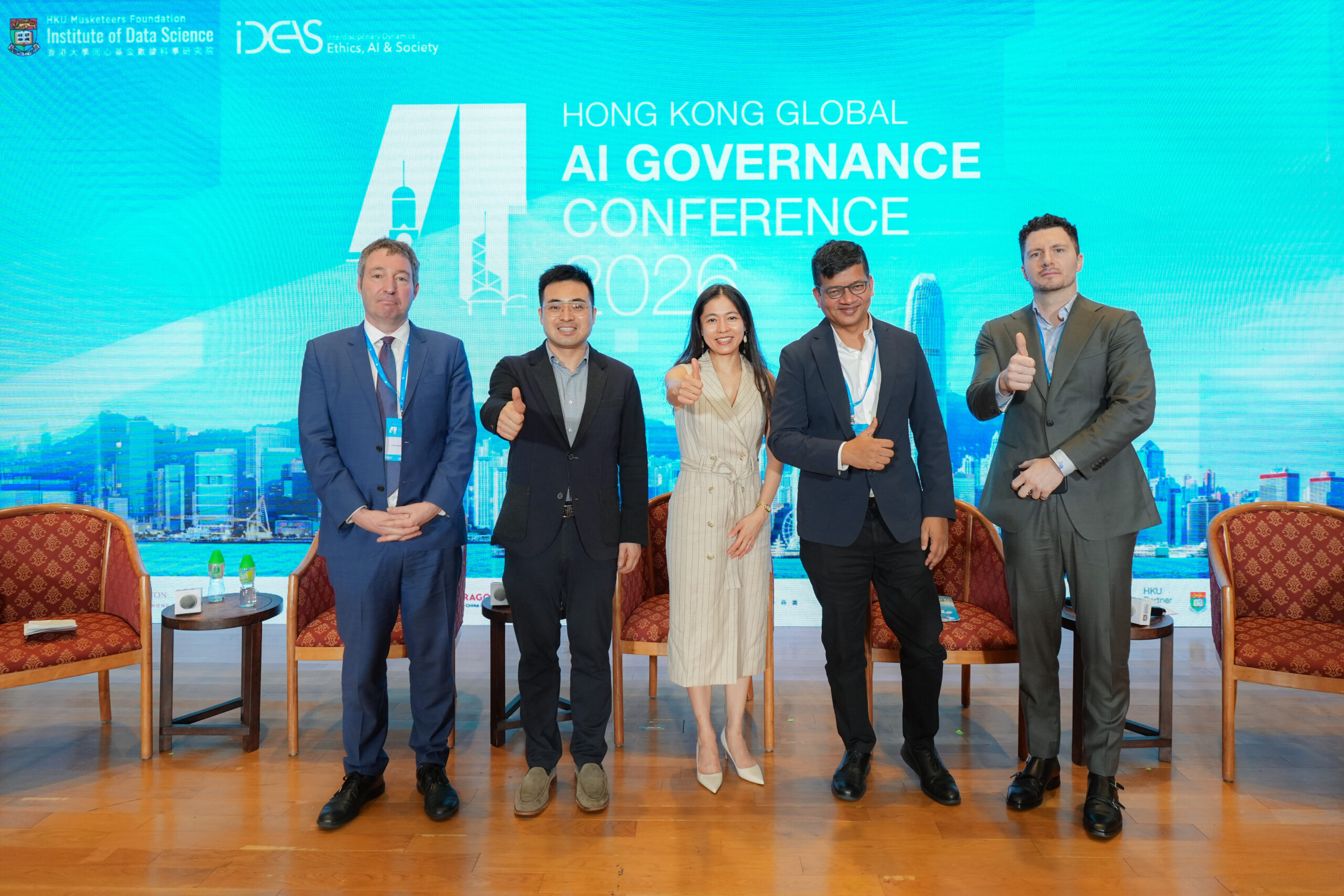
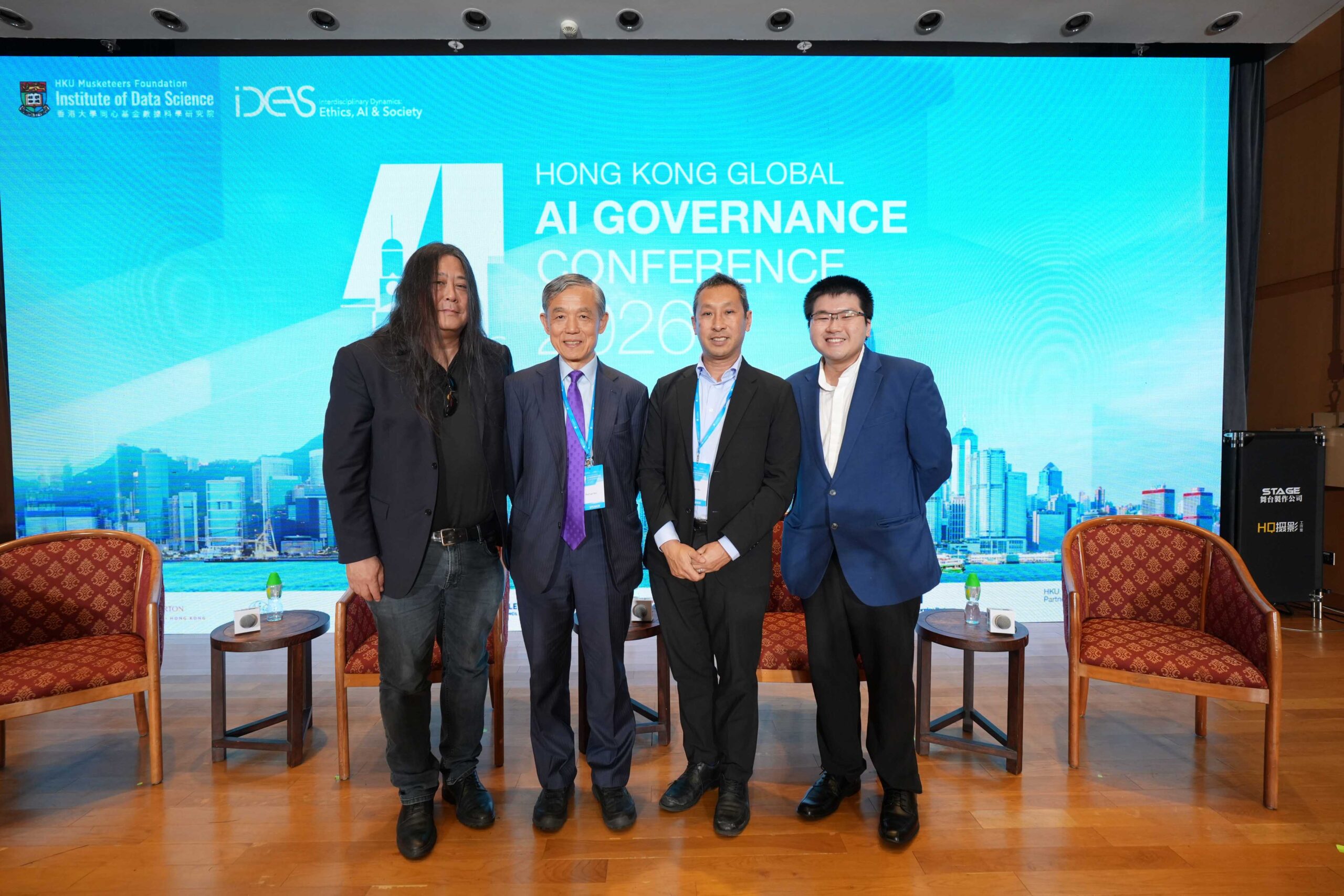
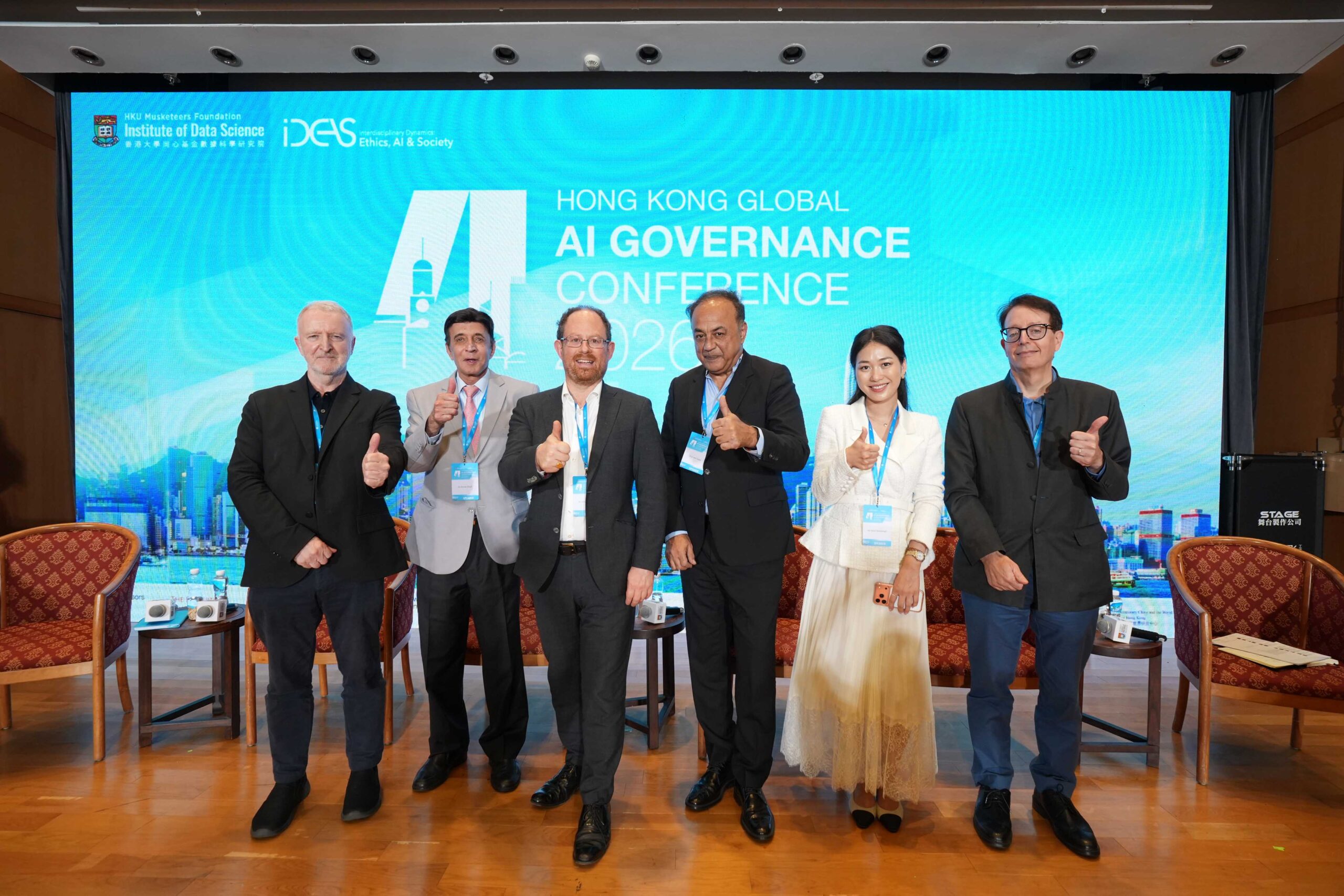
HKGAGC 2026: Conference Recap and Key Insights

Event Highlights

Hong Kong Global AI Governance Conference 2026: Recap and Key Insights

Advancing global dialogue on AI governance beyond conventional geopolitical framings

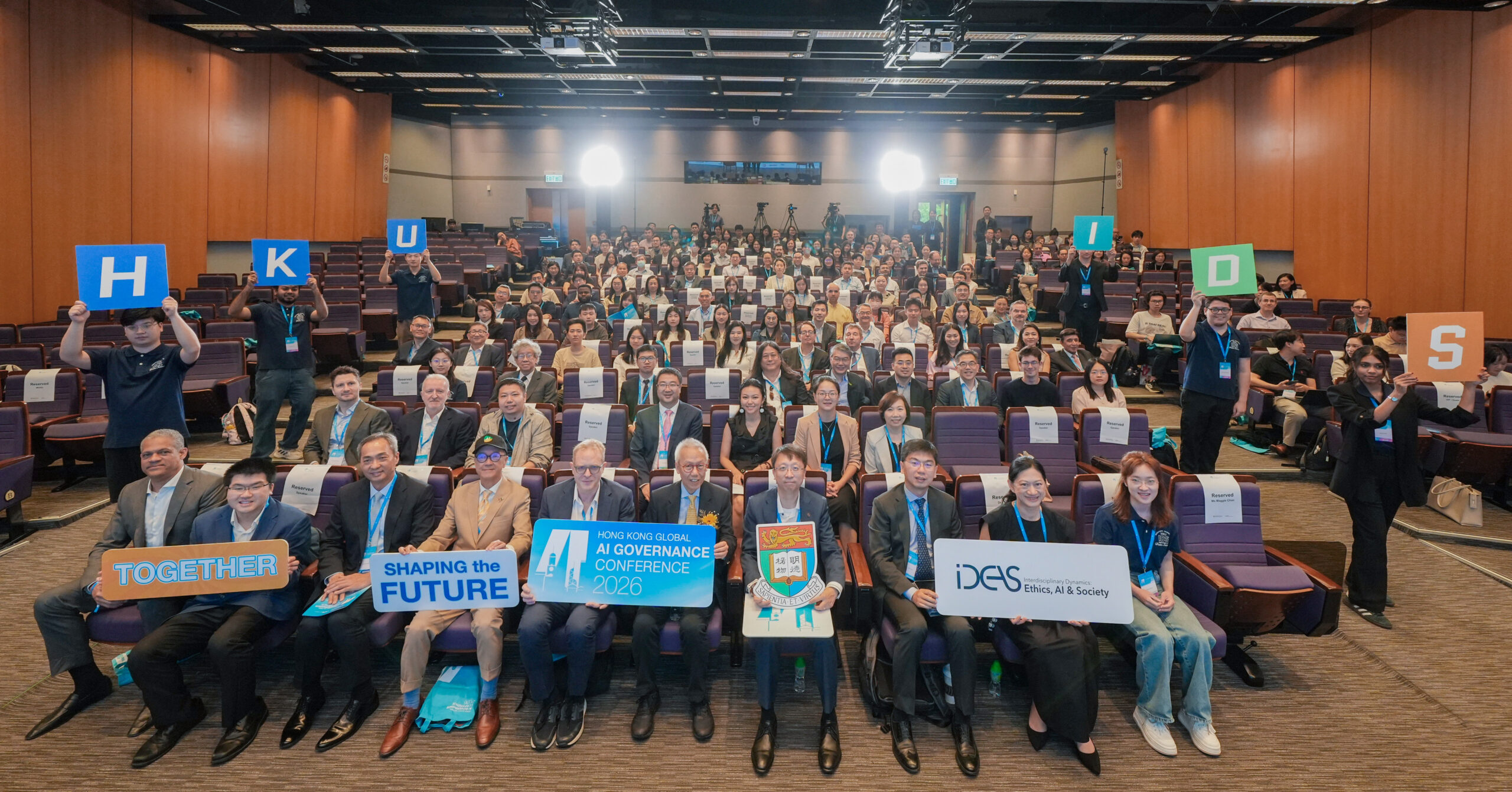
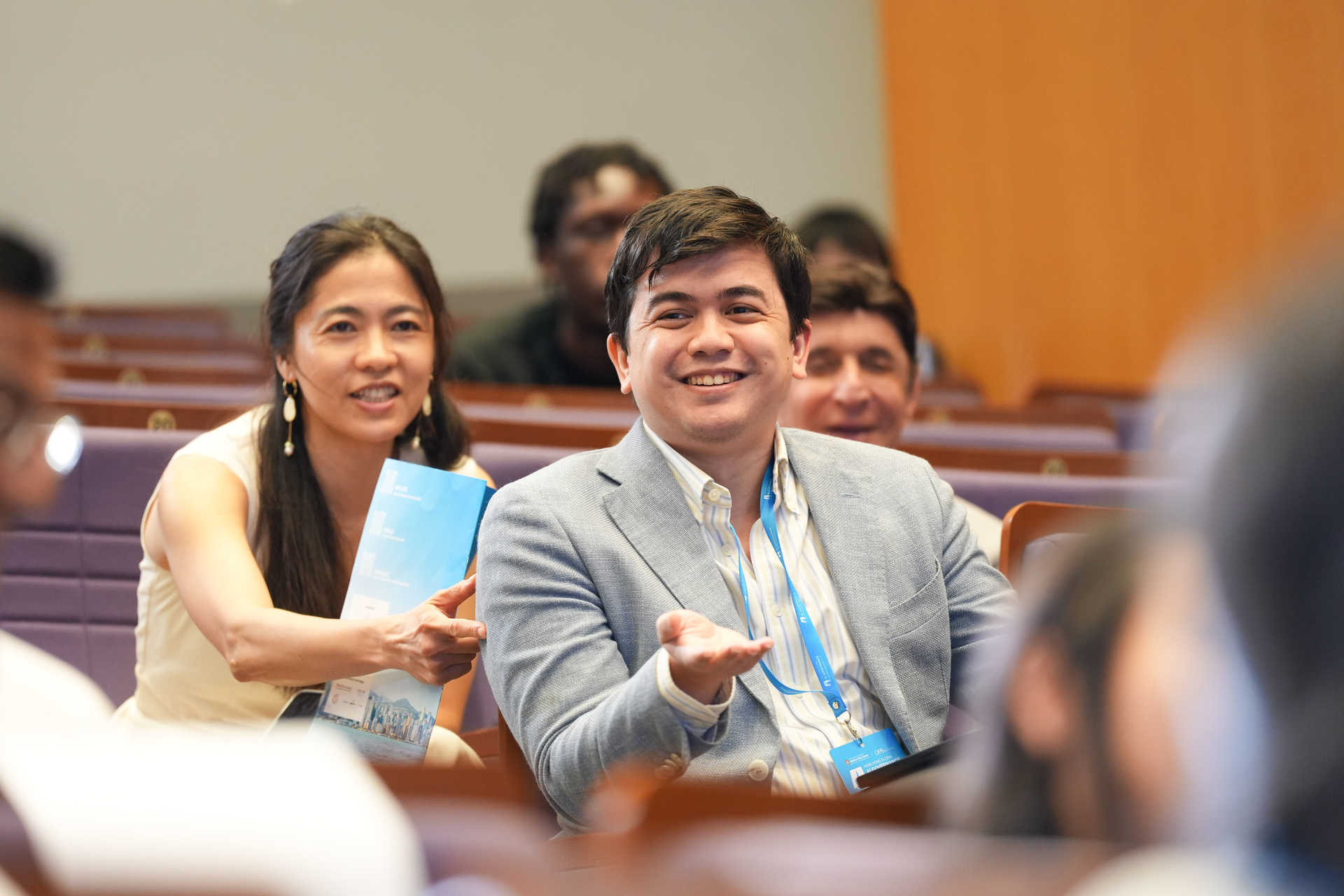
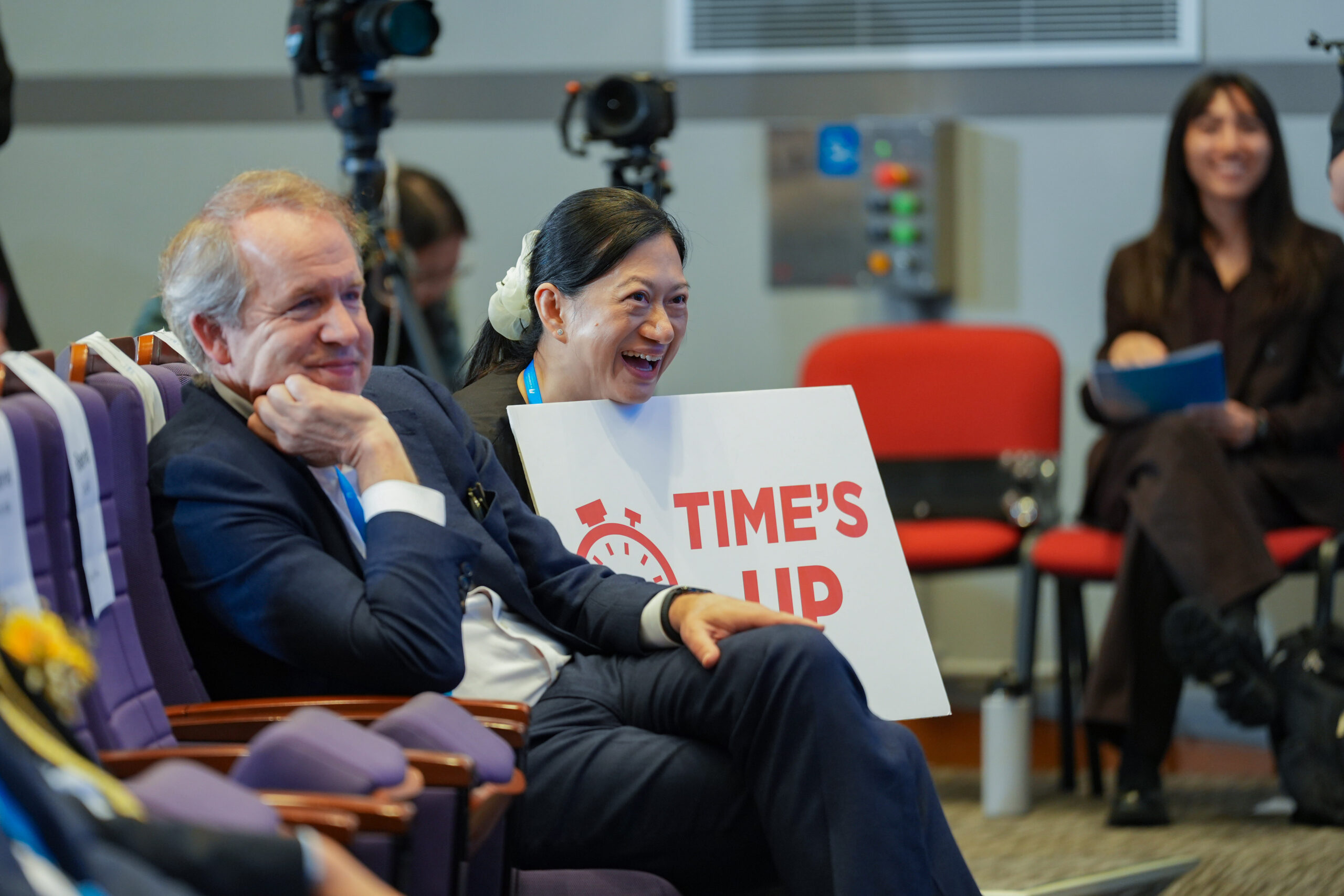
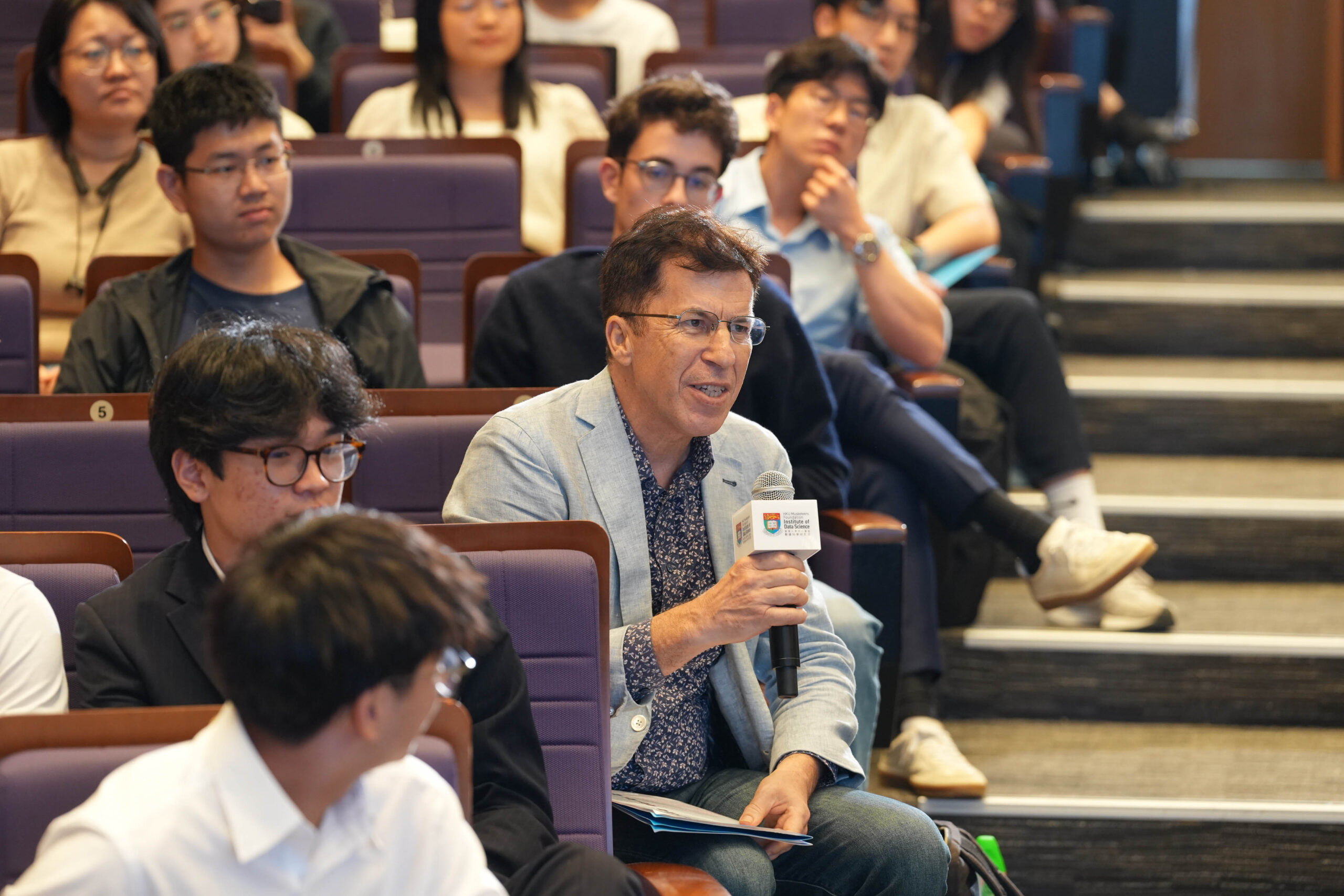
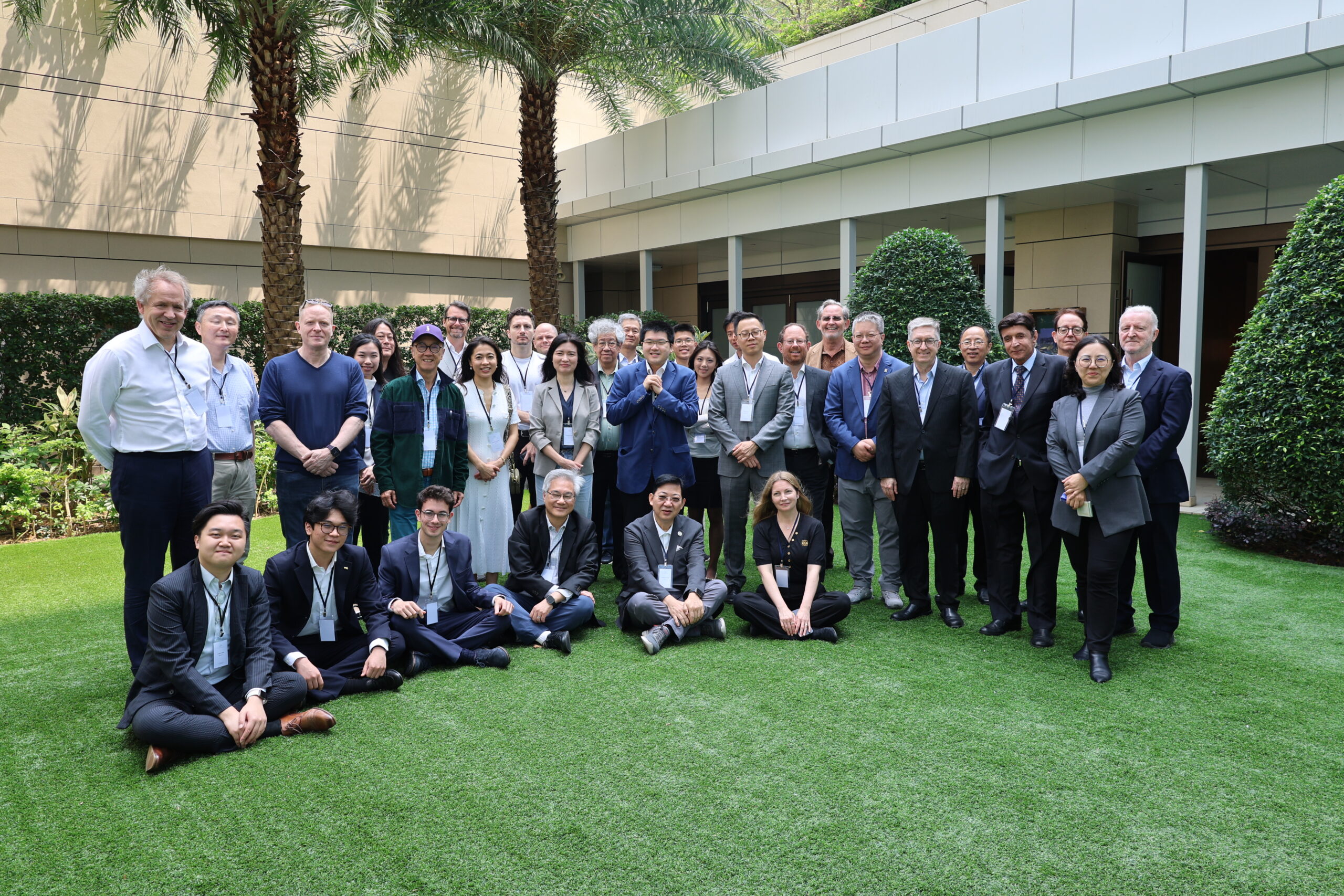
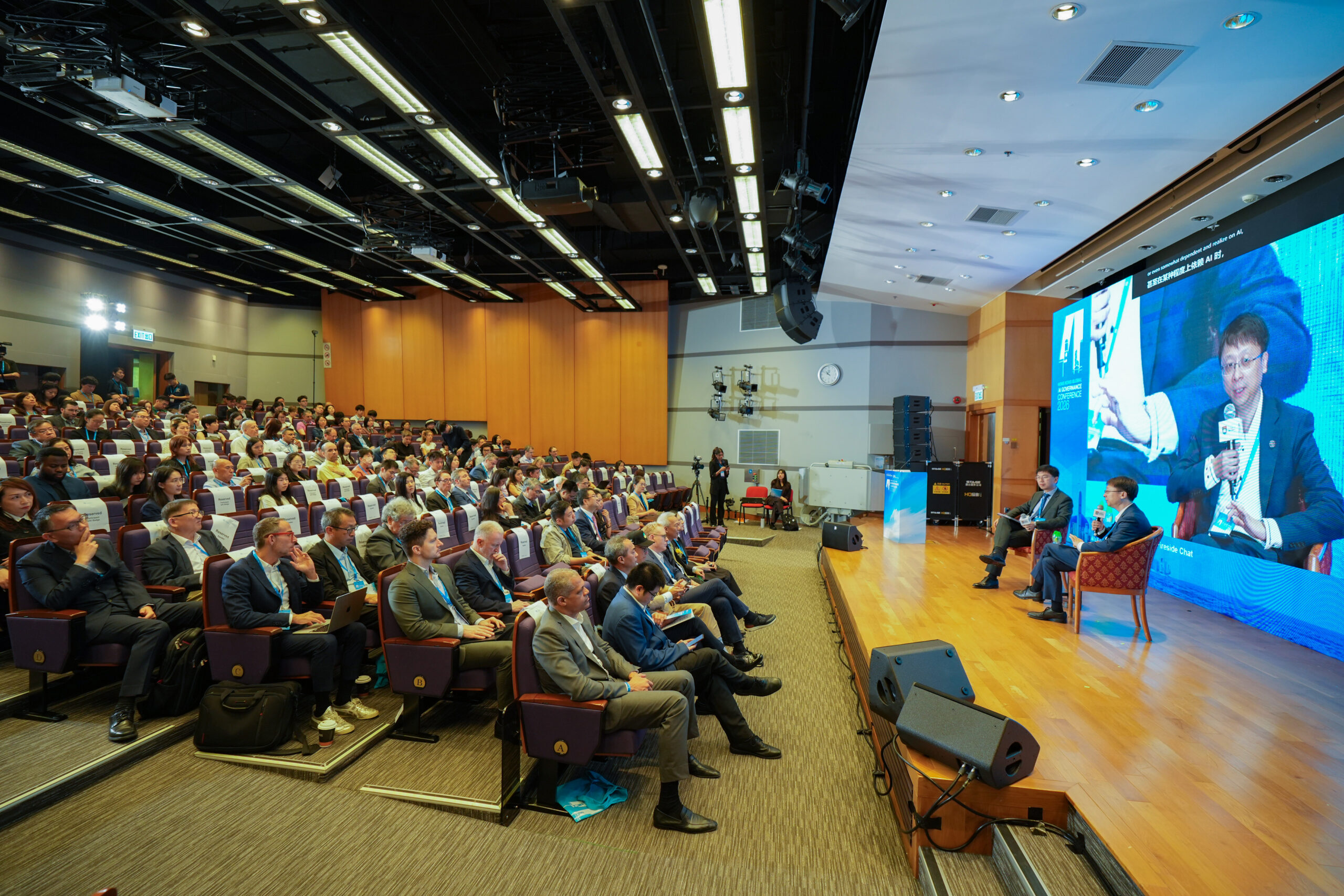
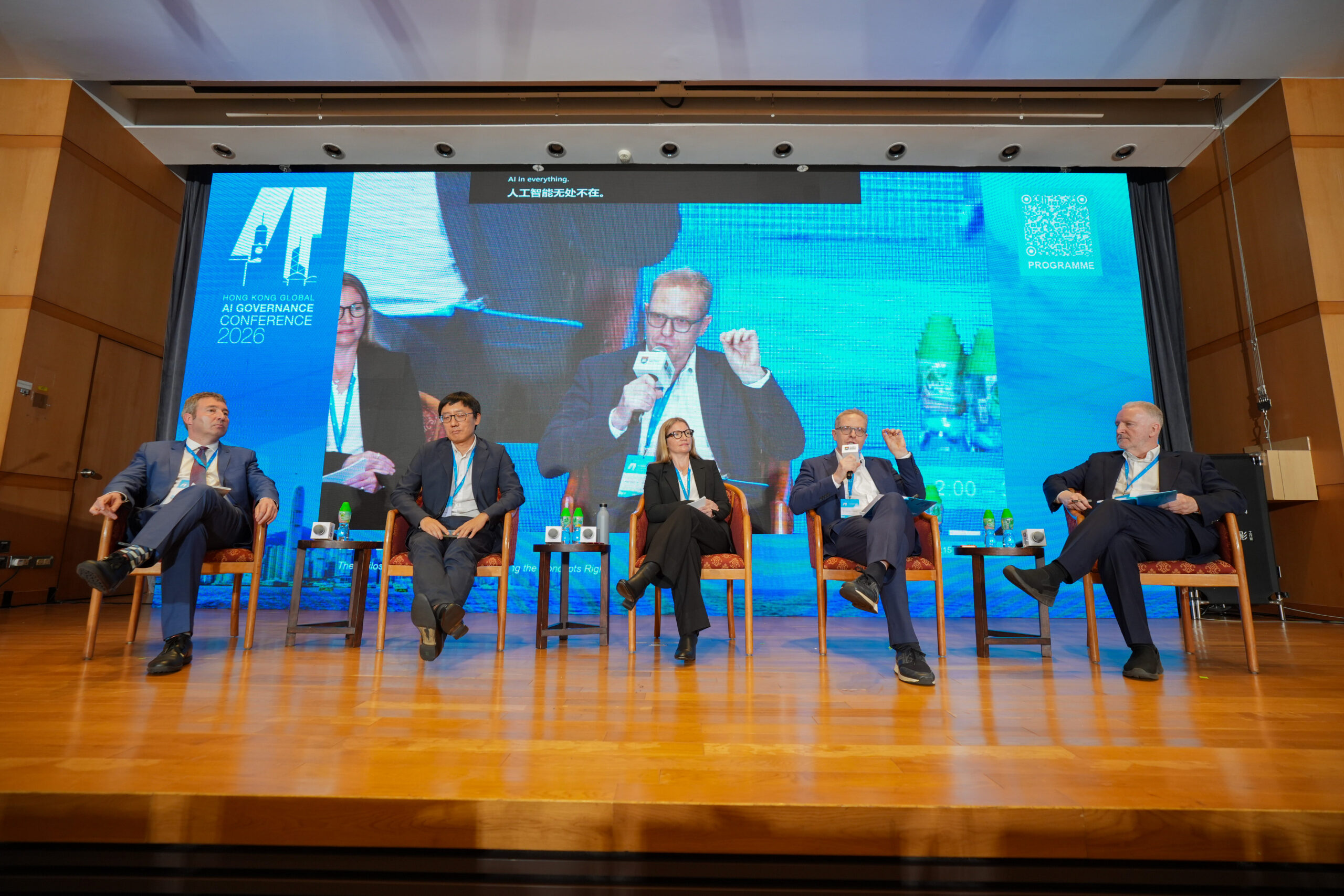
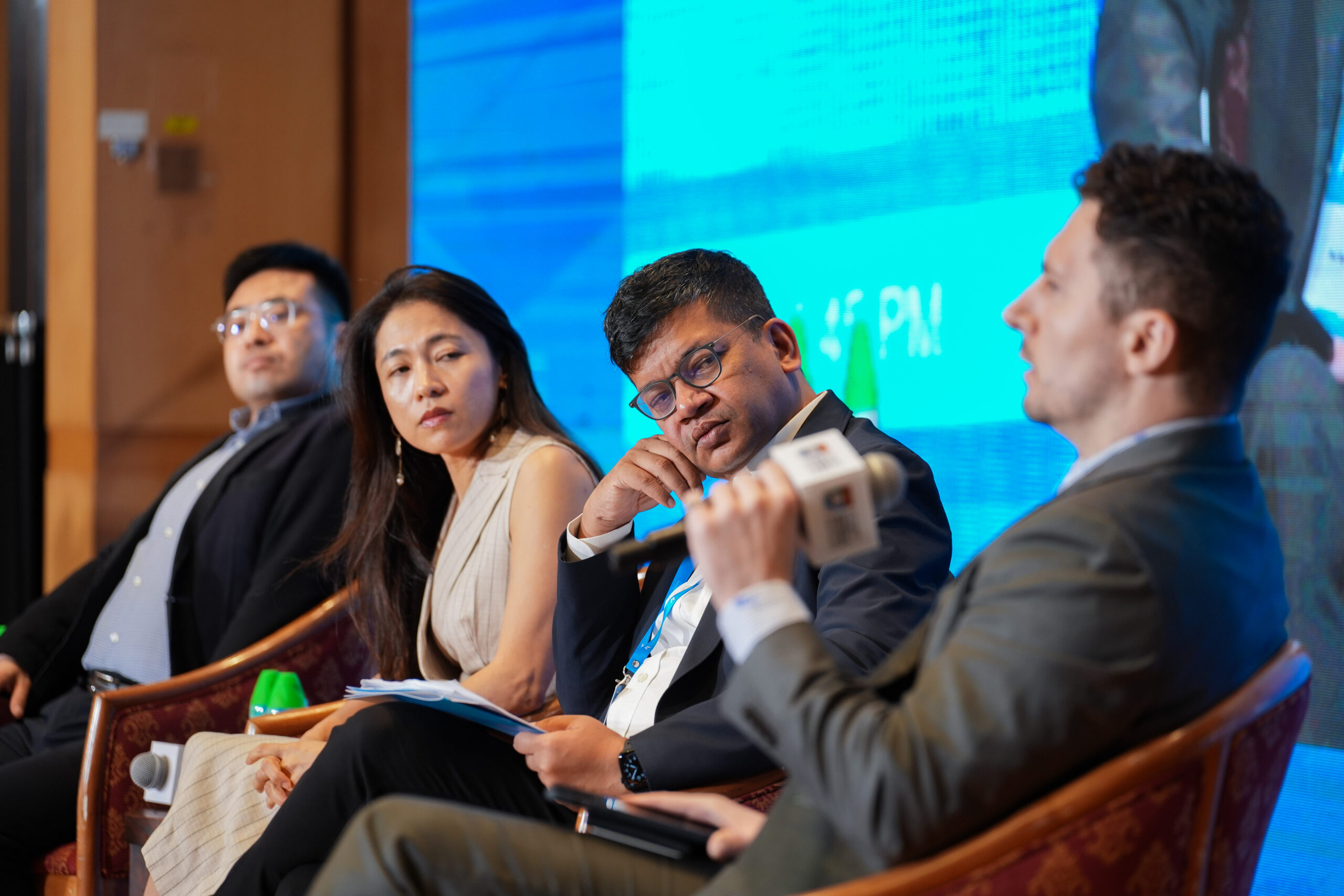
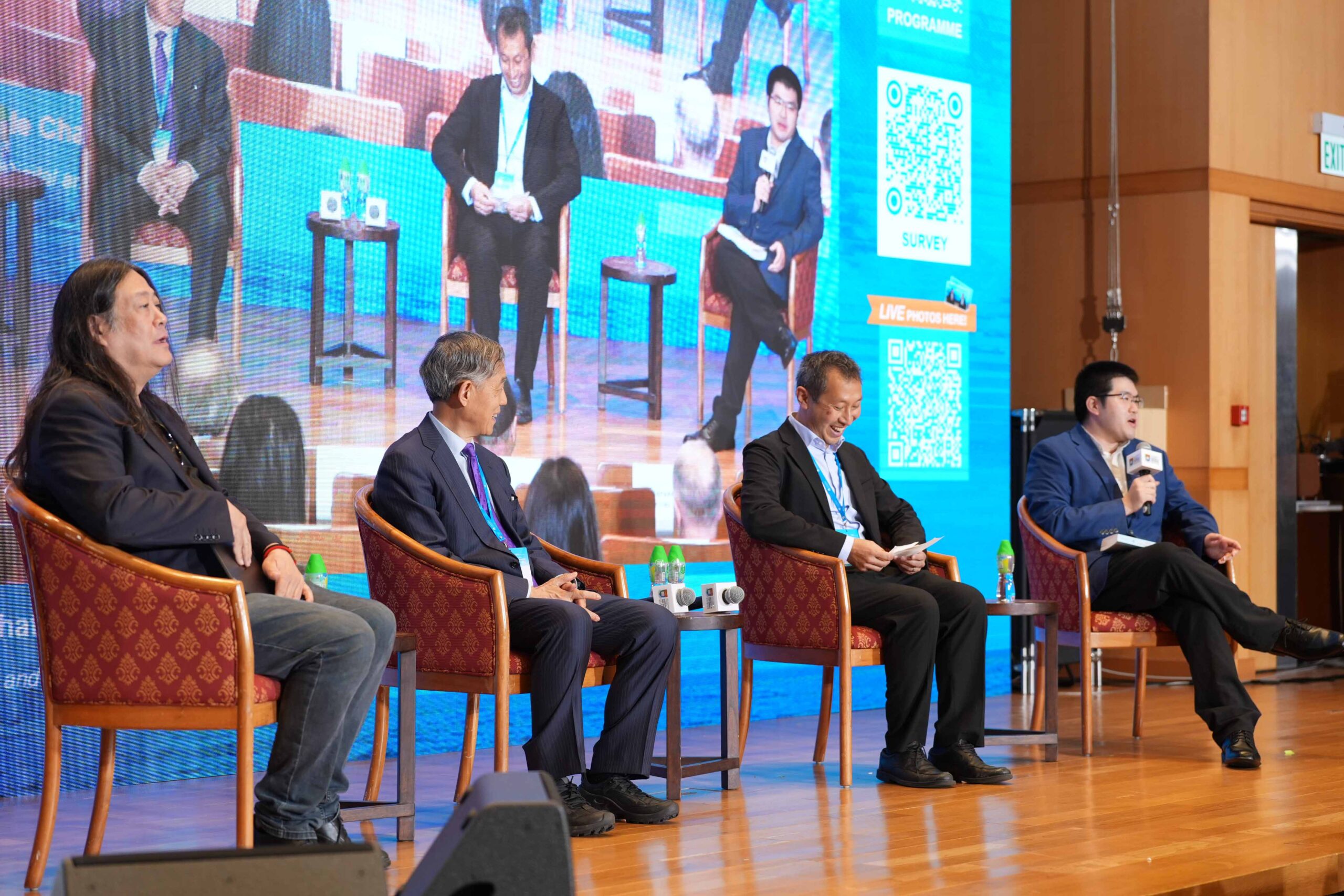
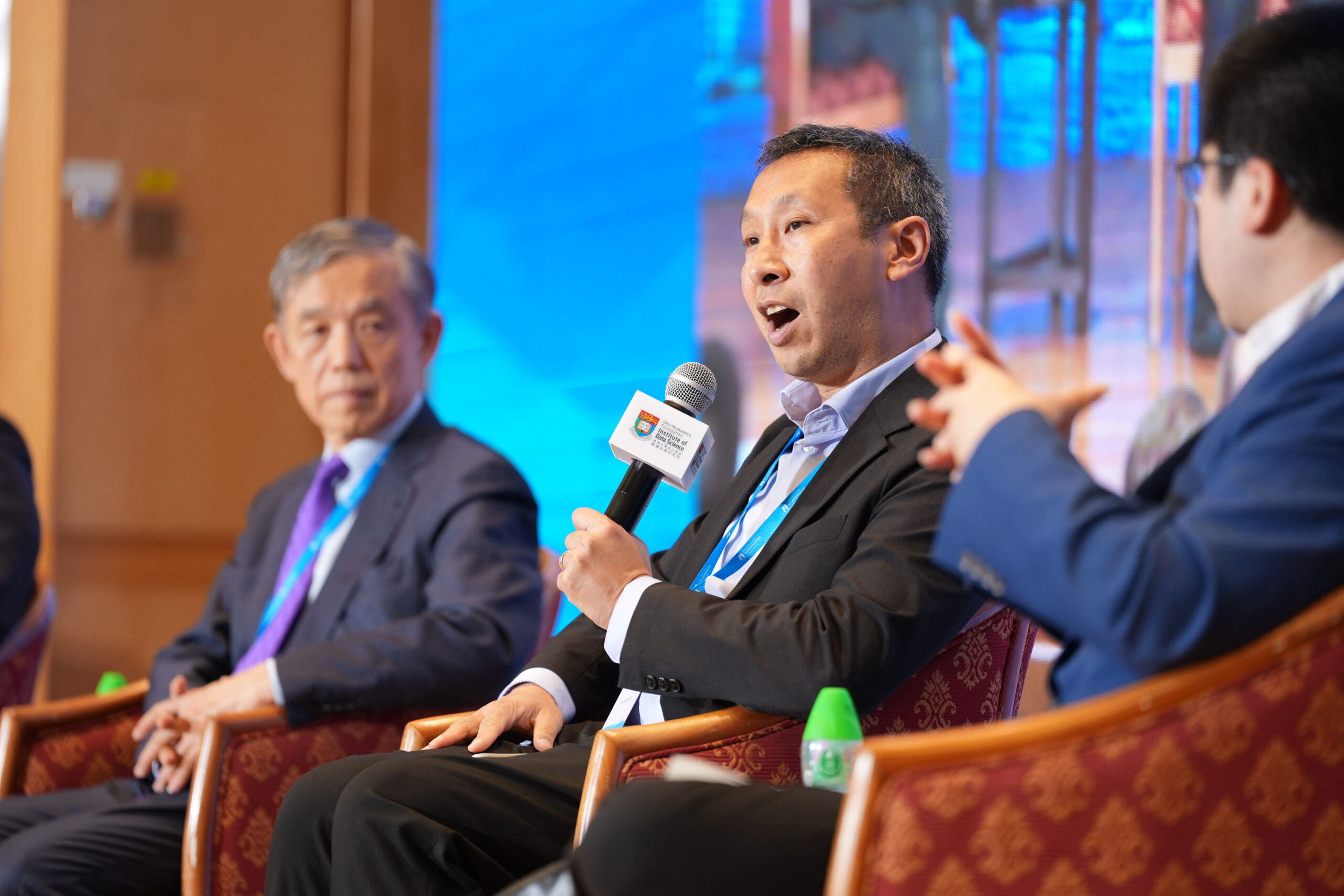
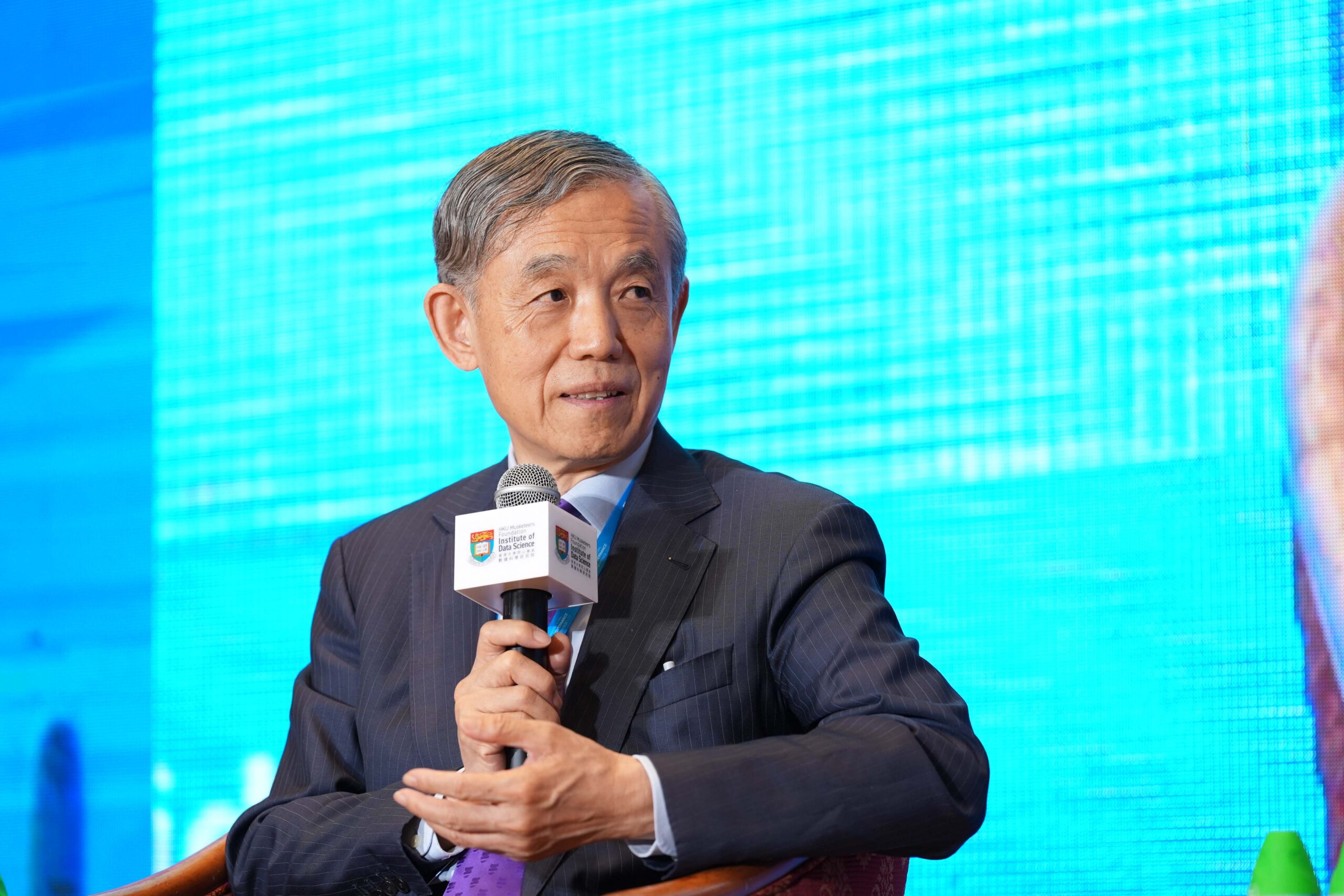
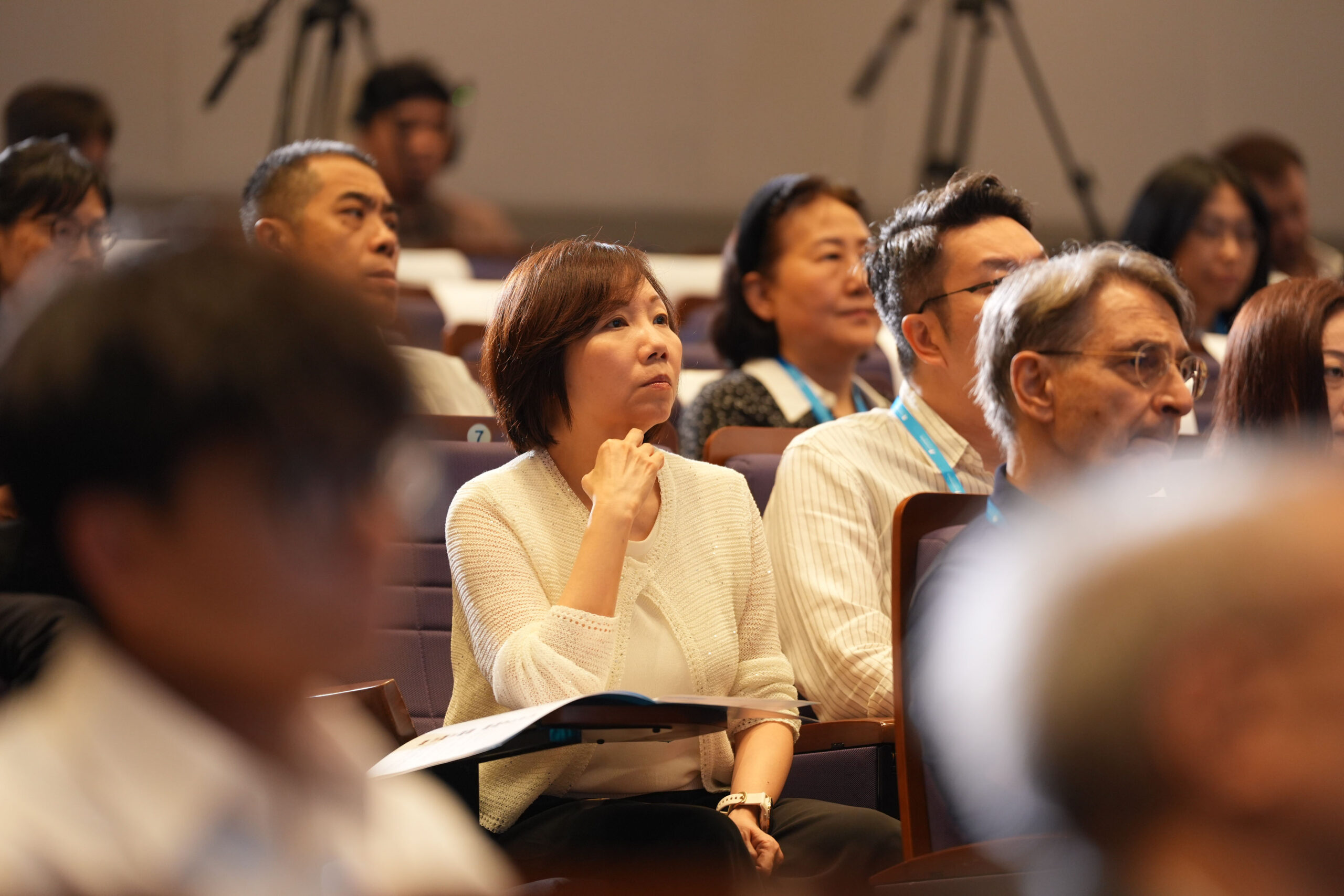
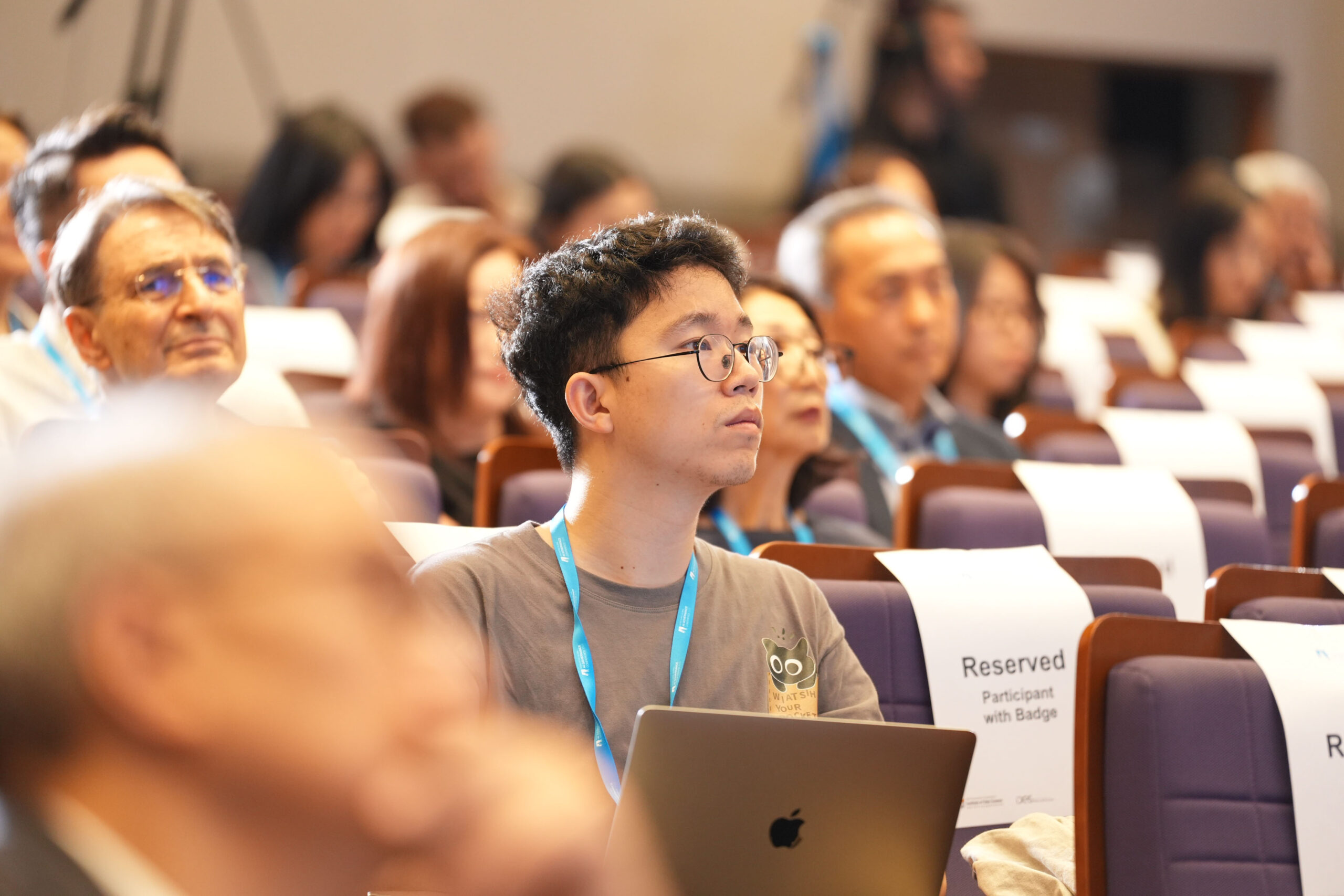
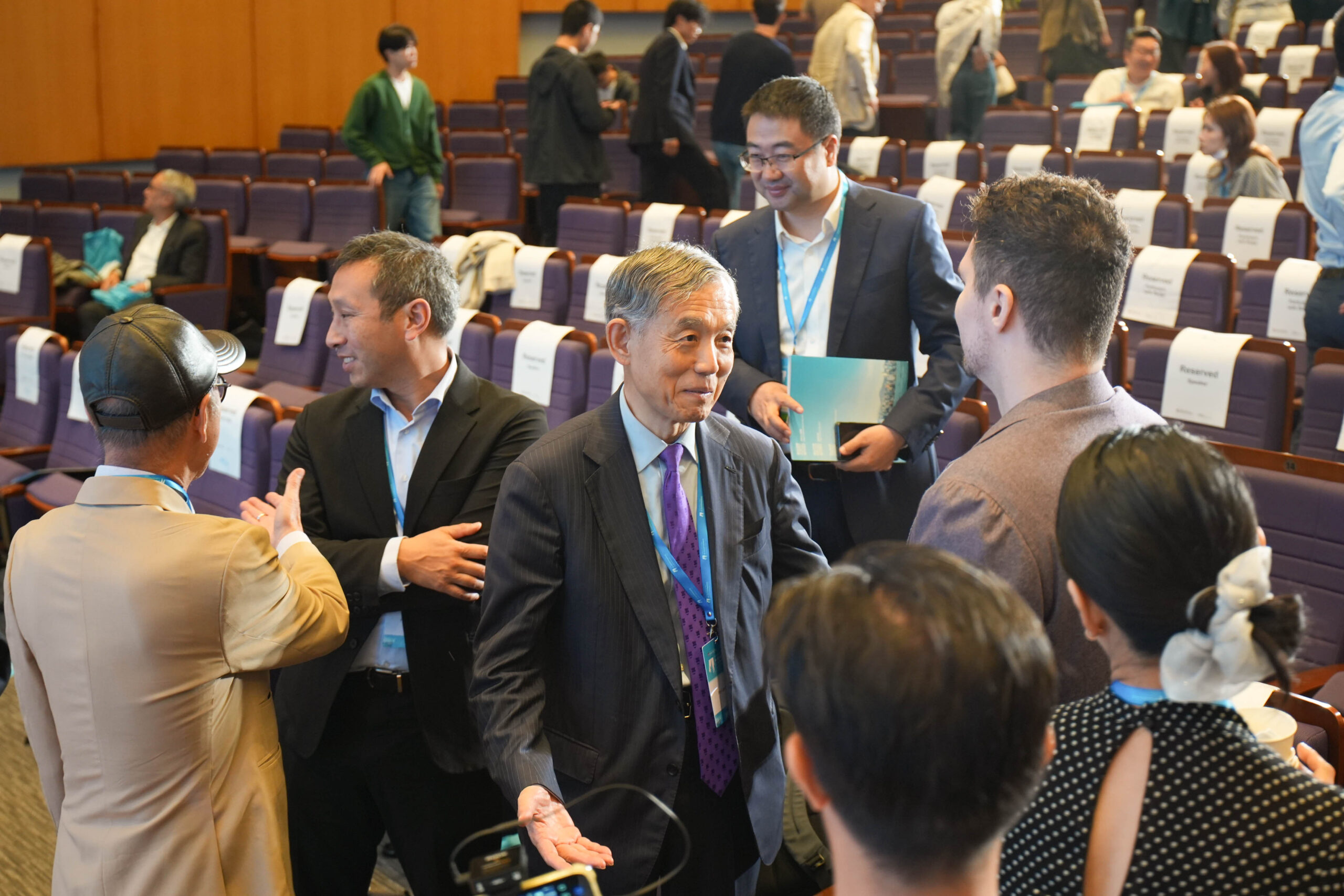
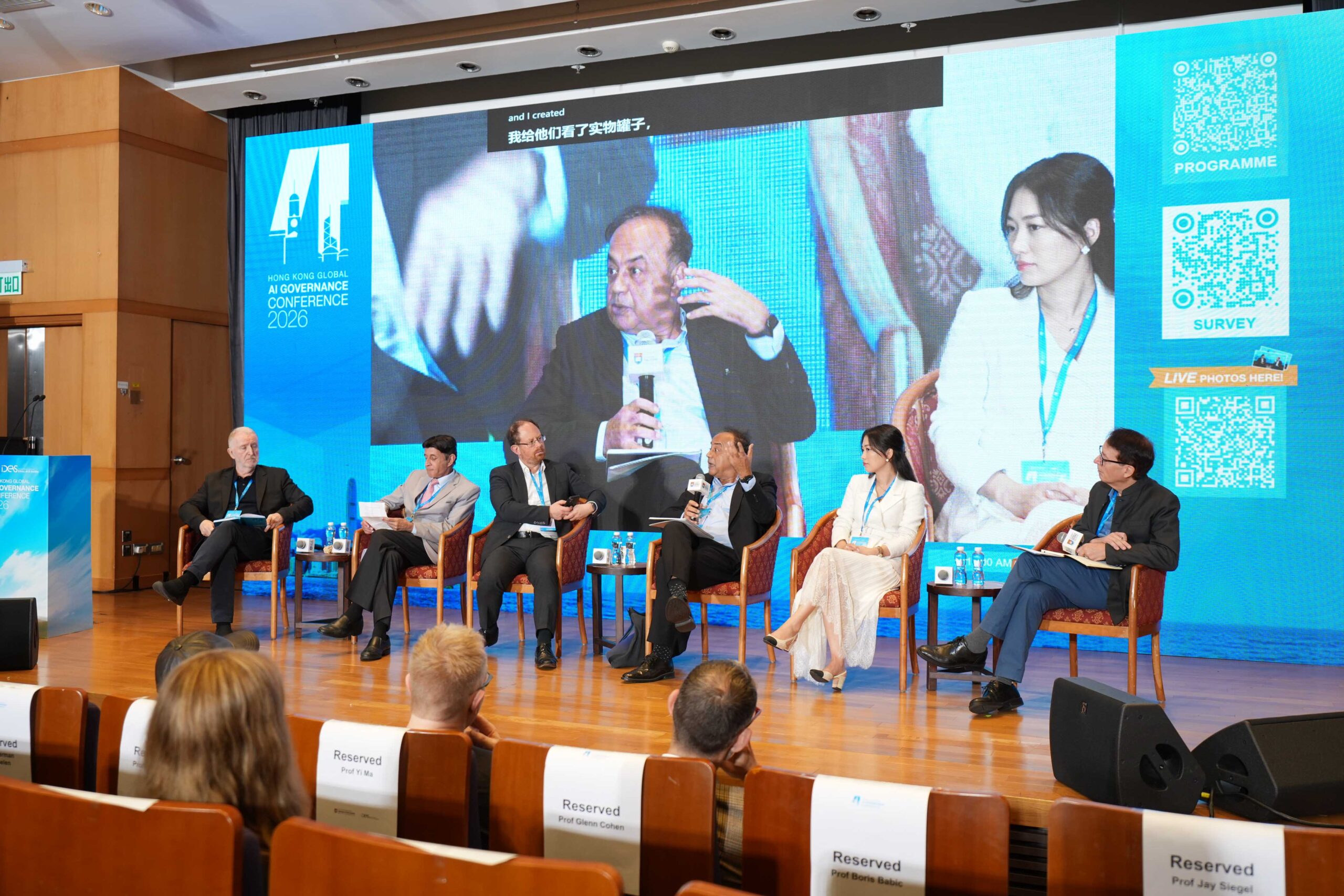
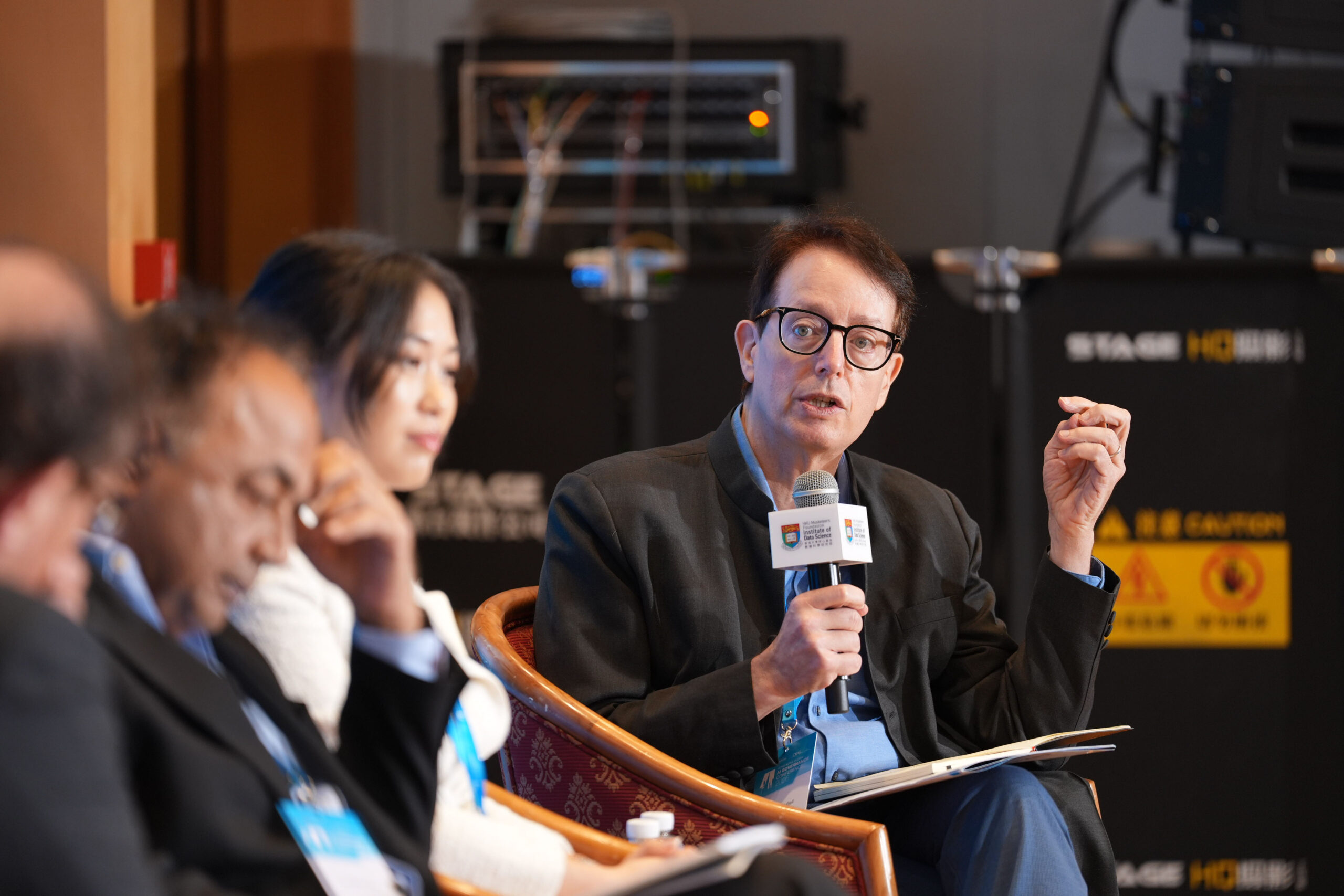
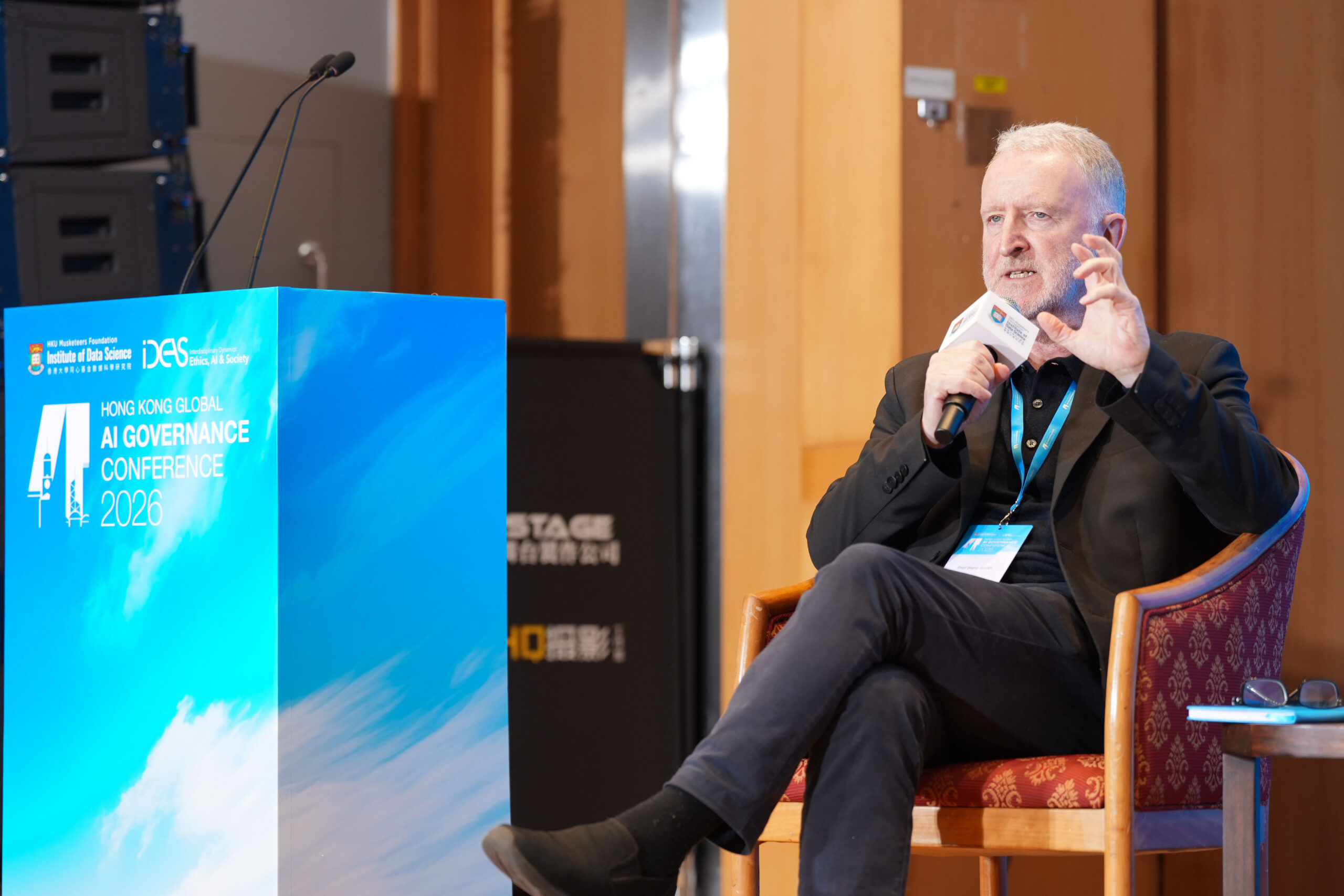
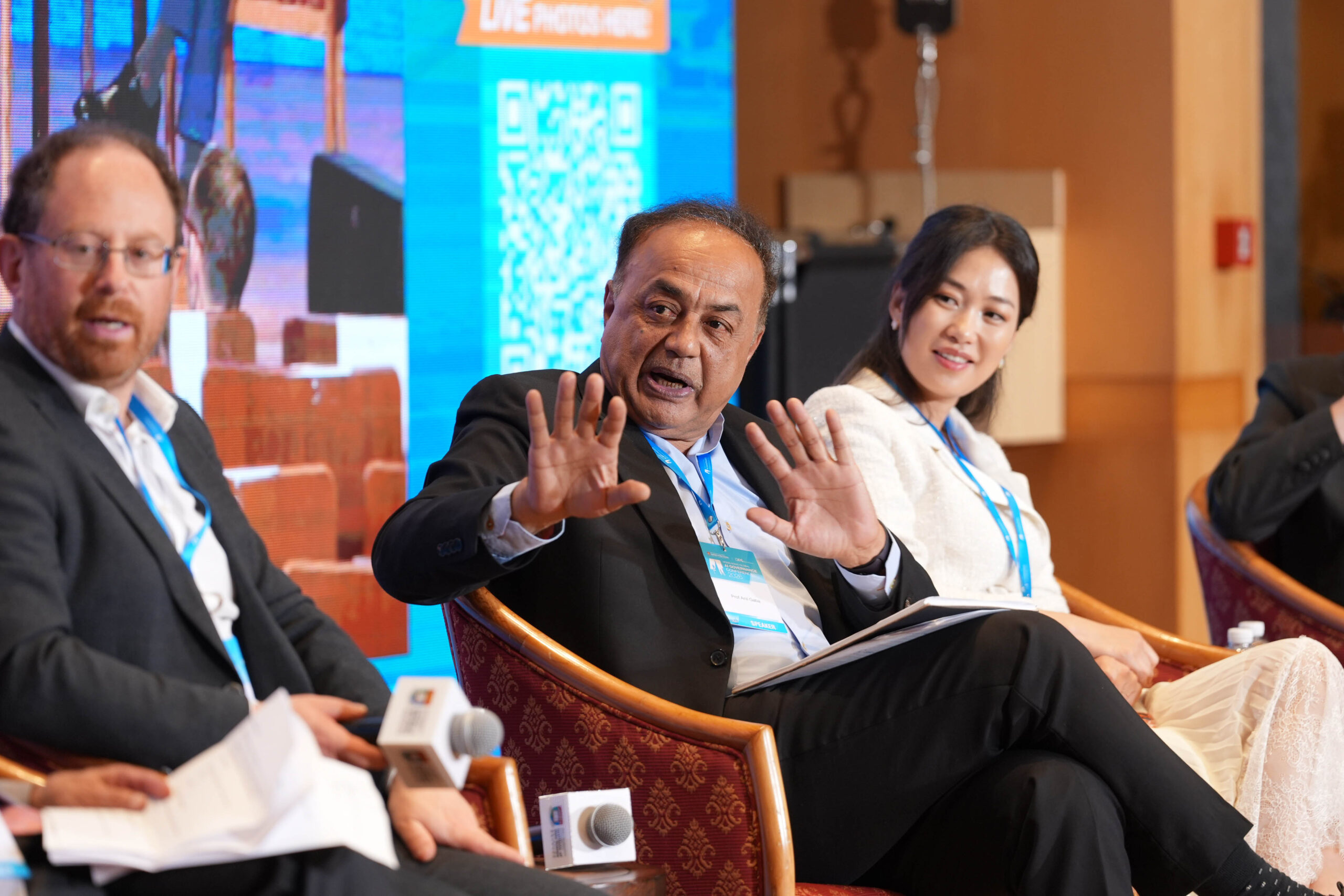
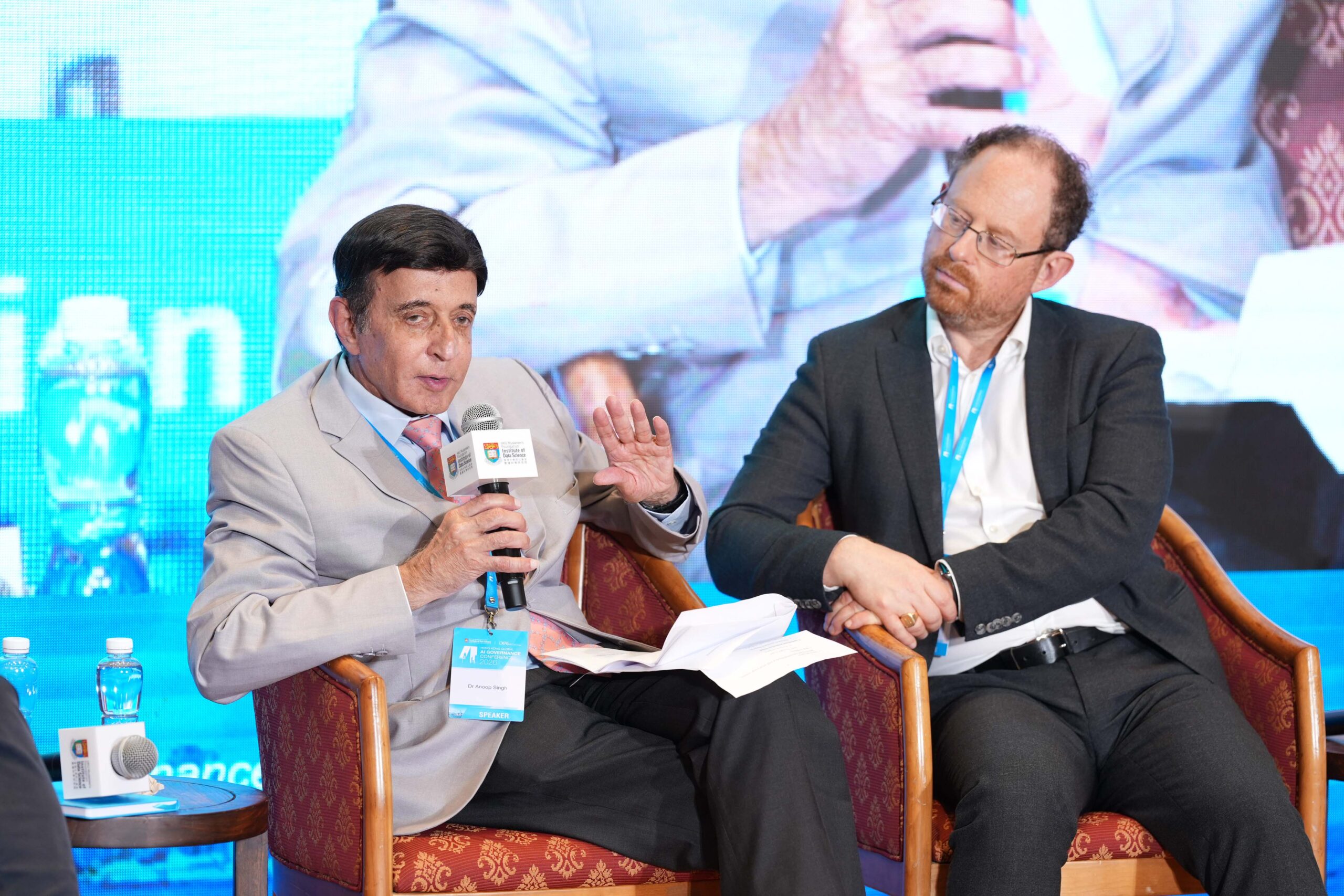
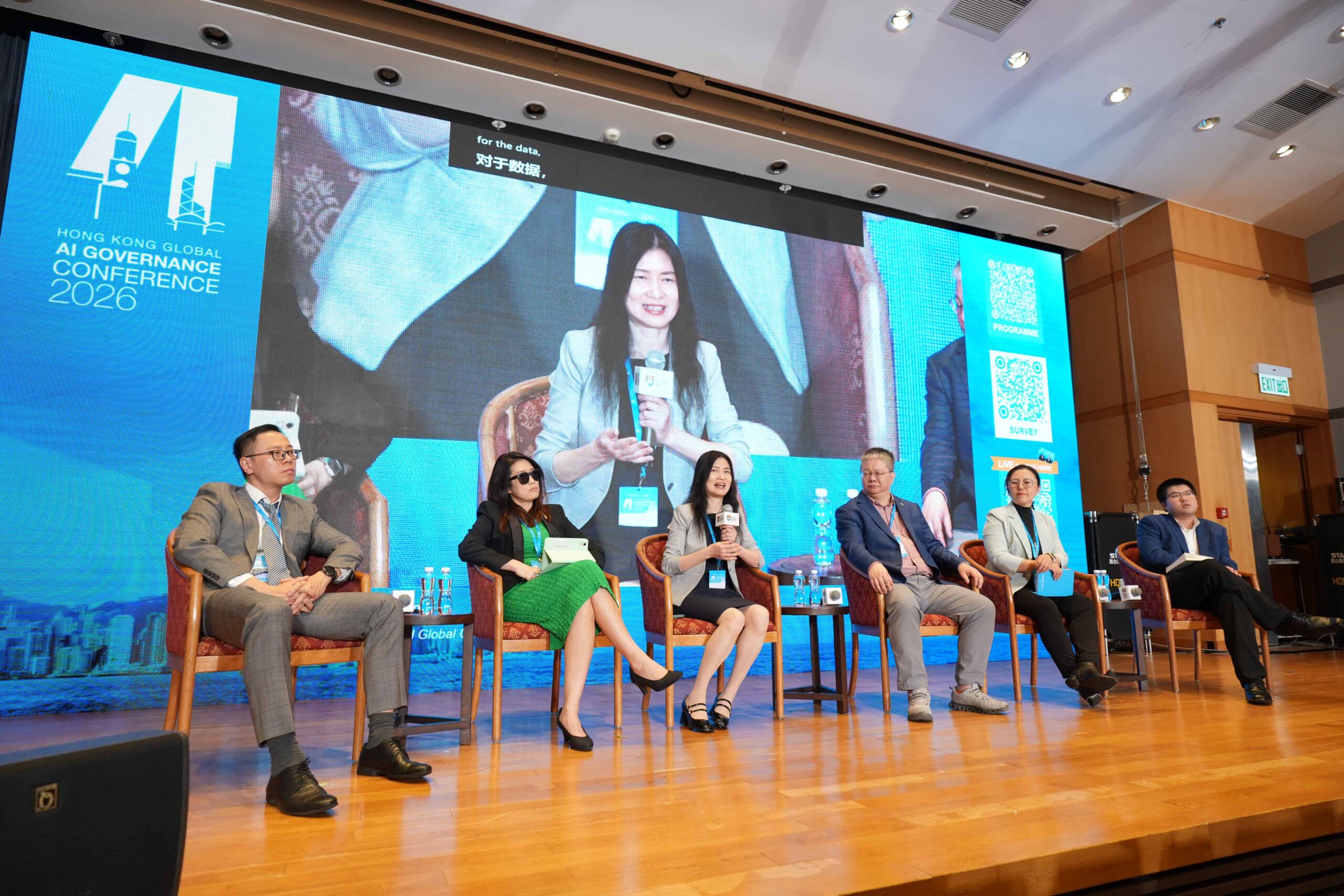
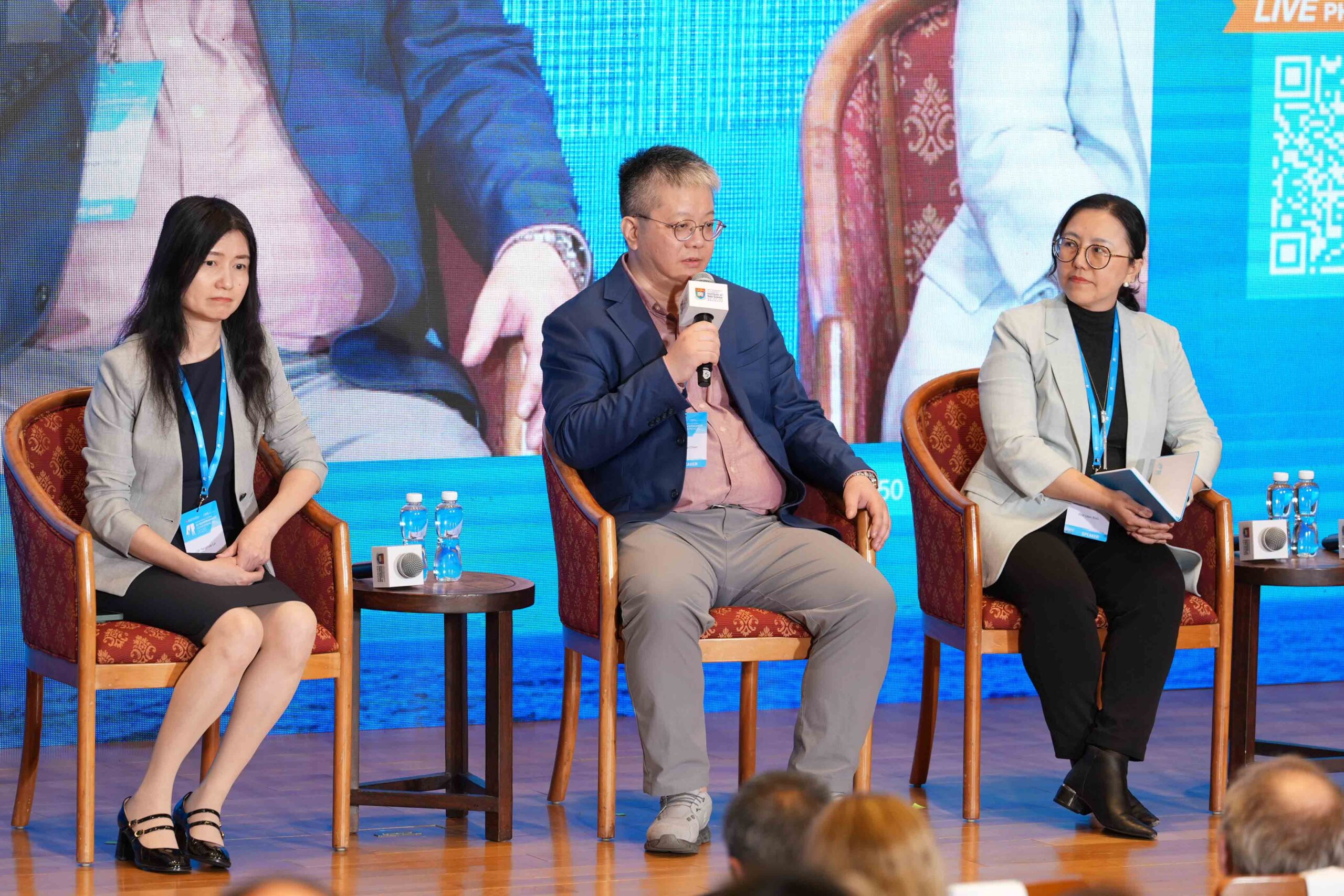
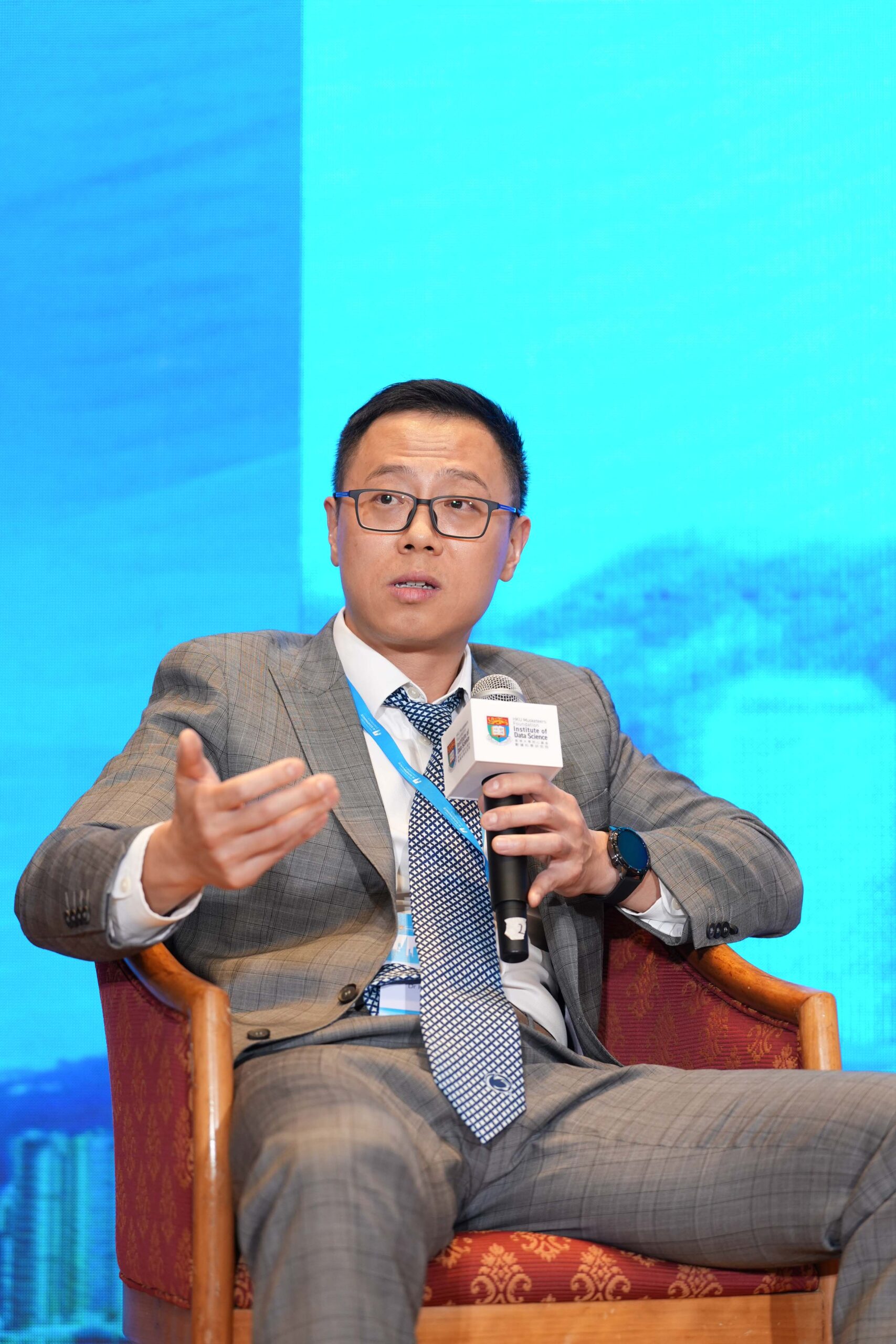
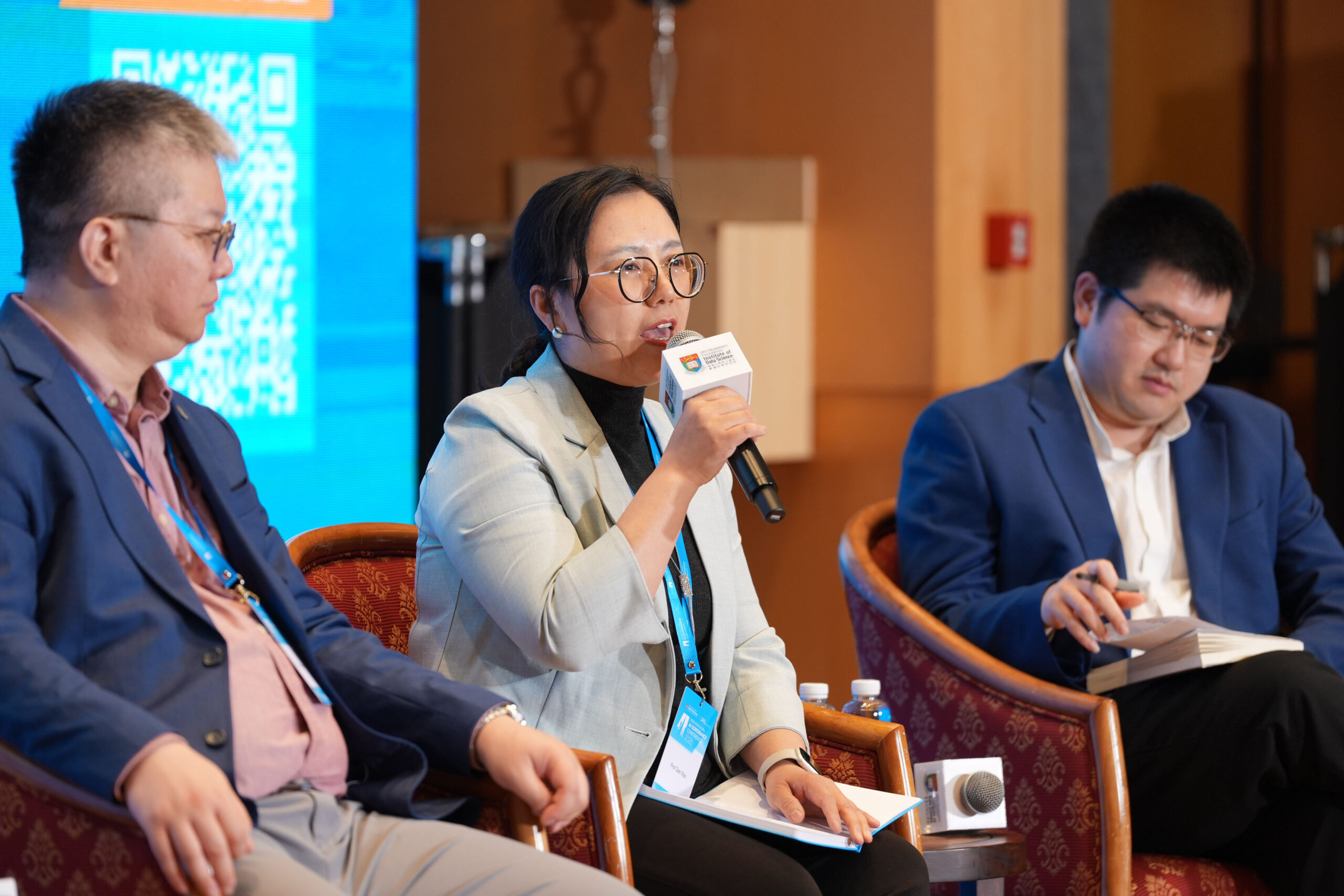
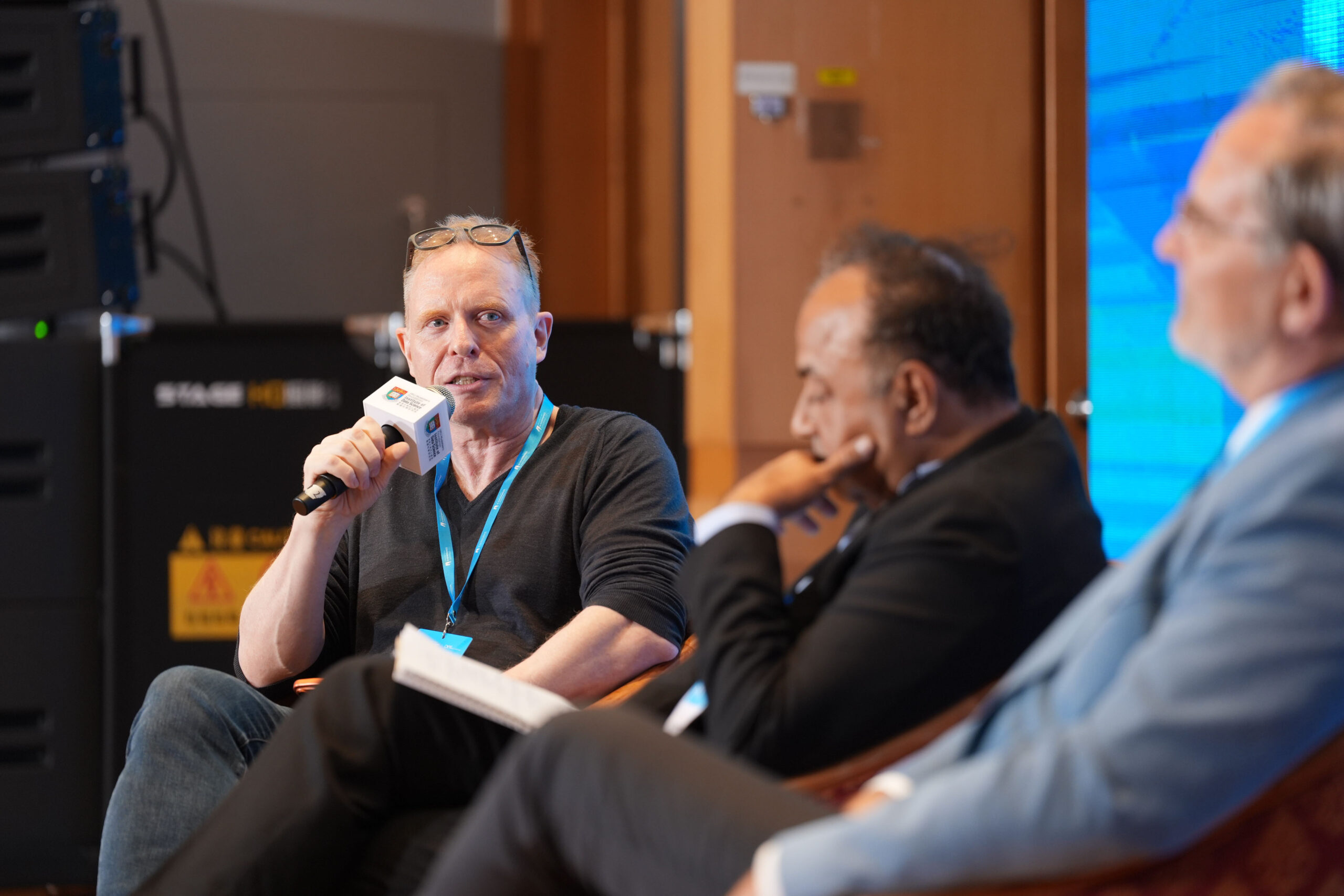
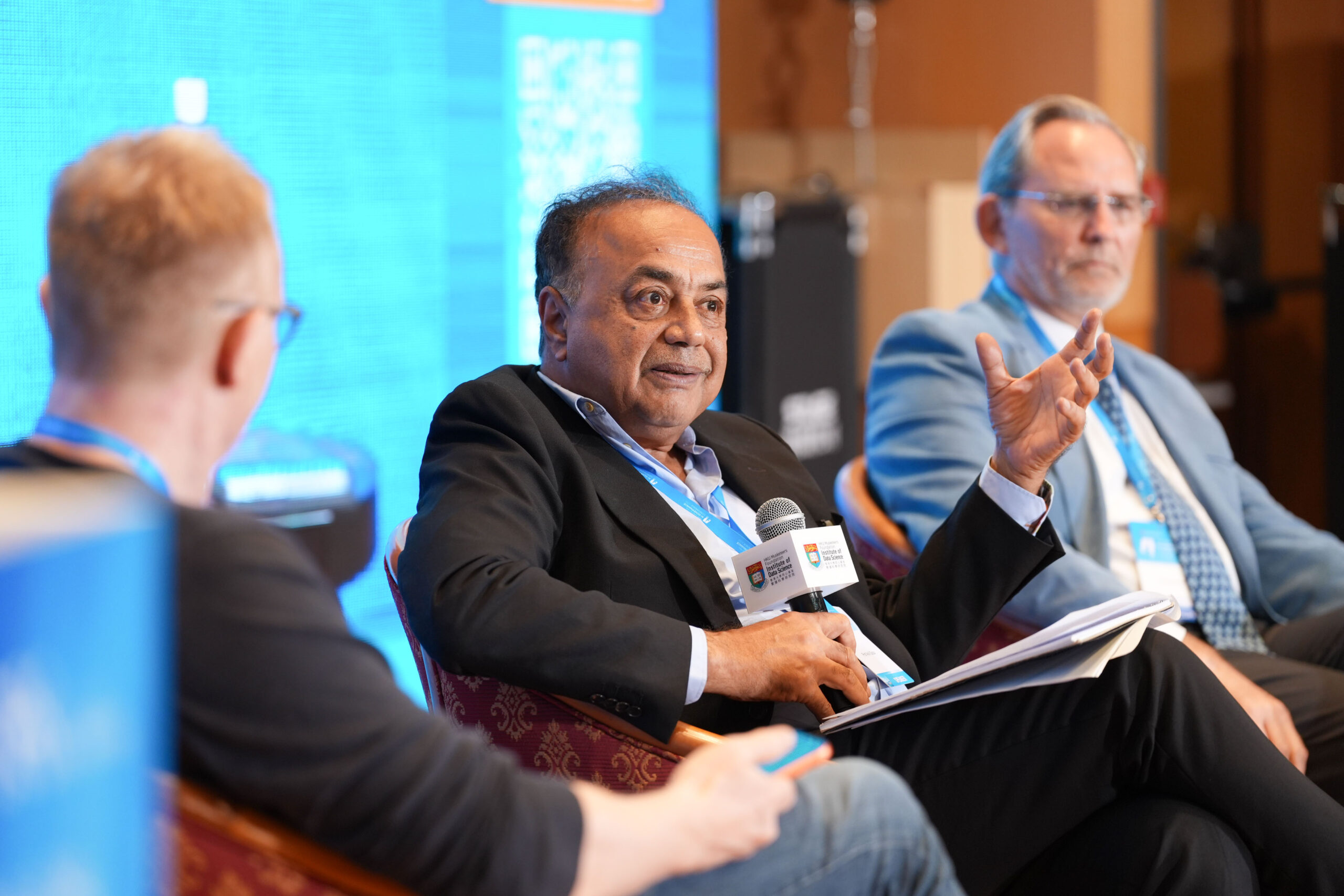
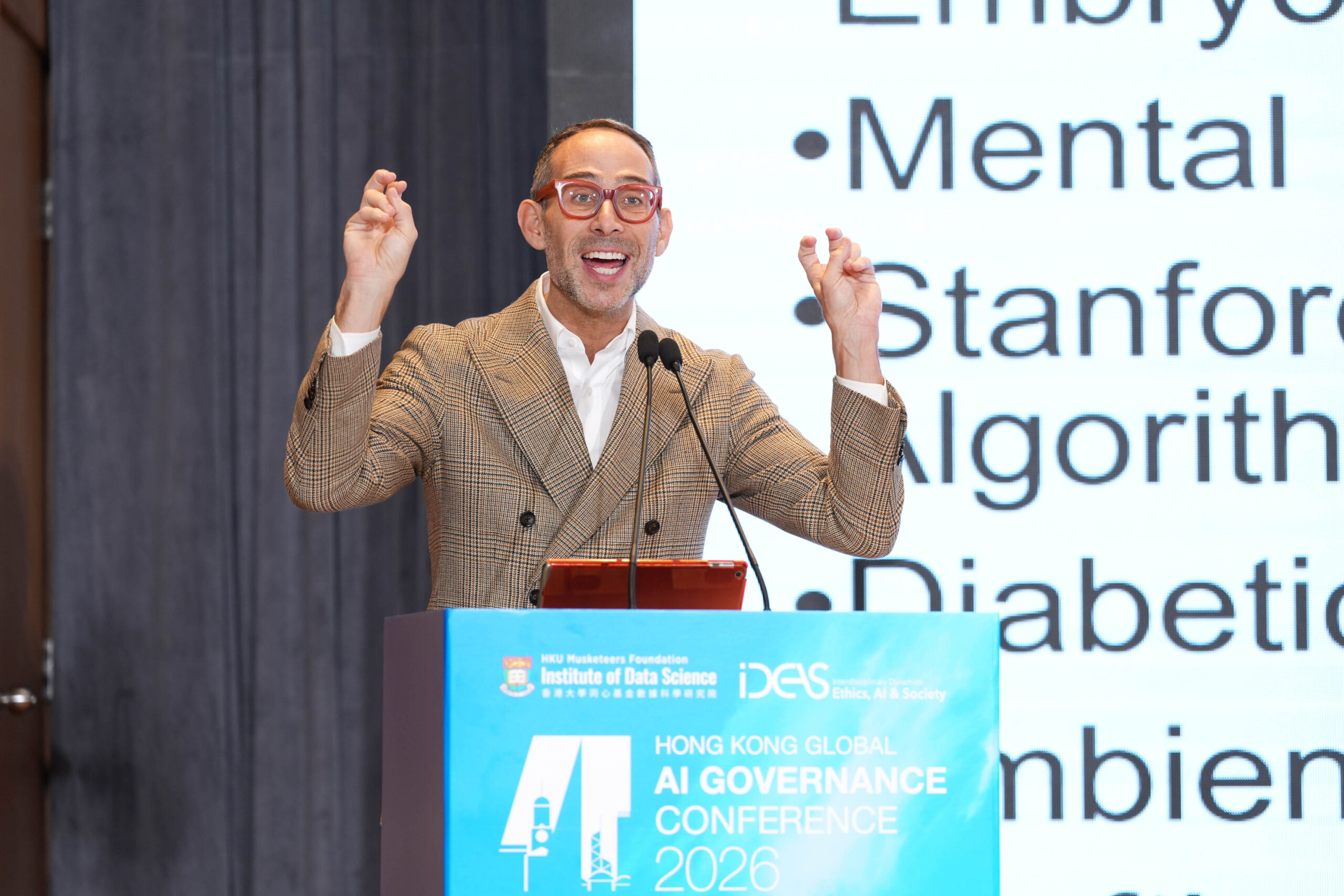
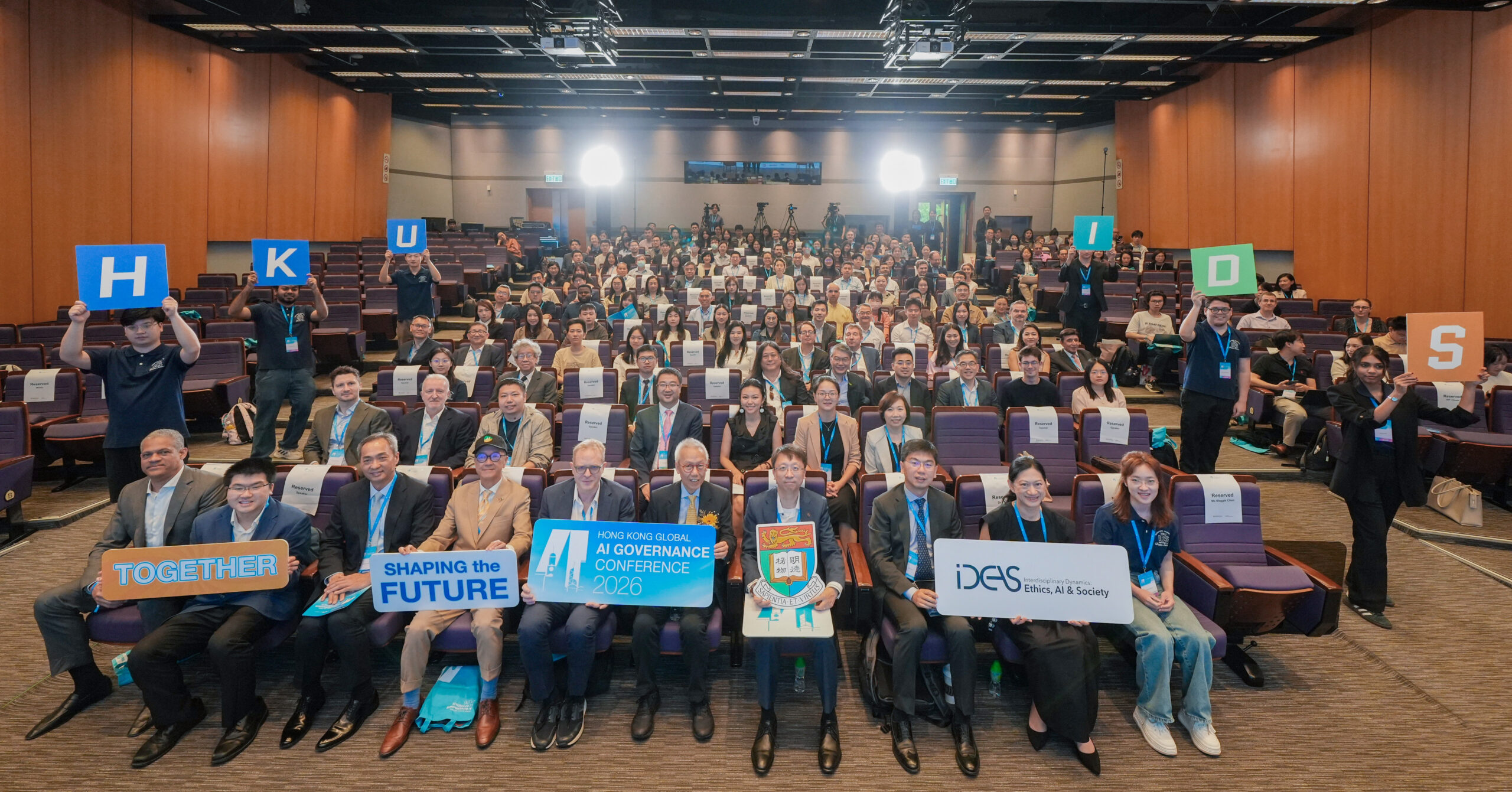
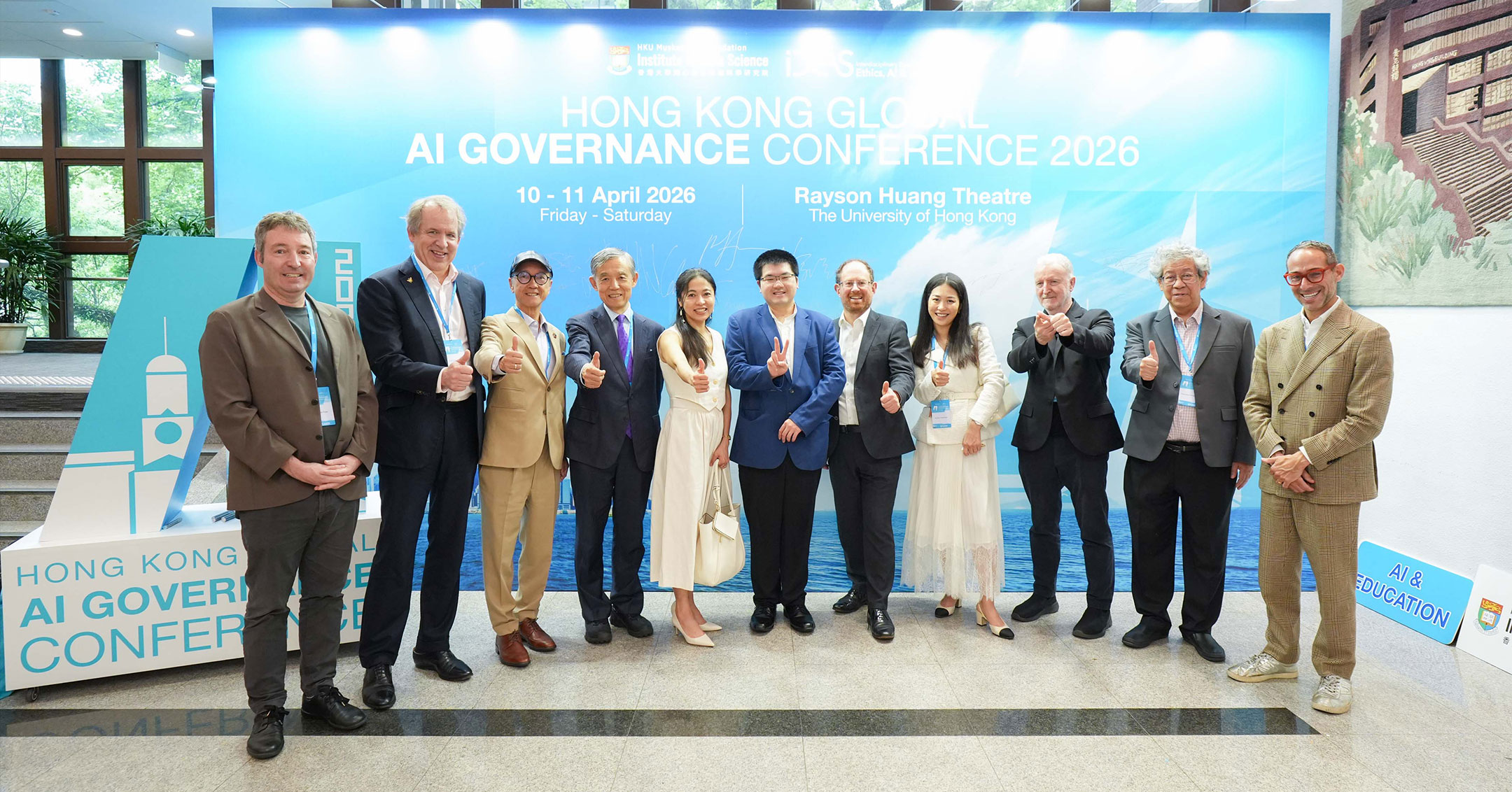
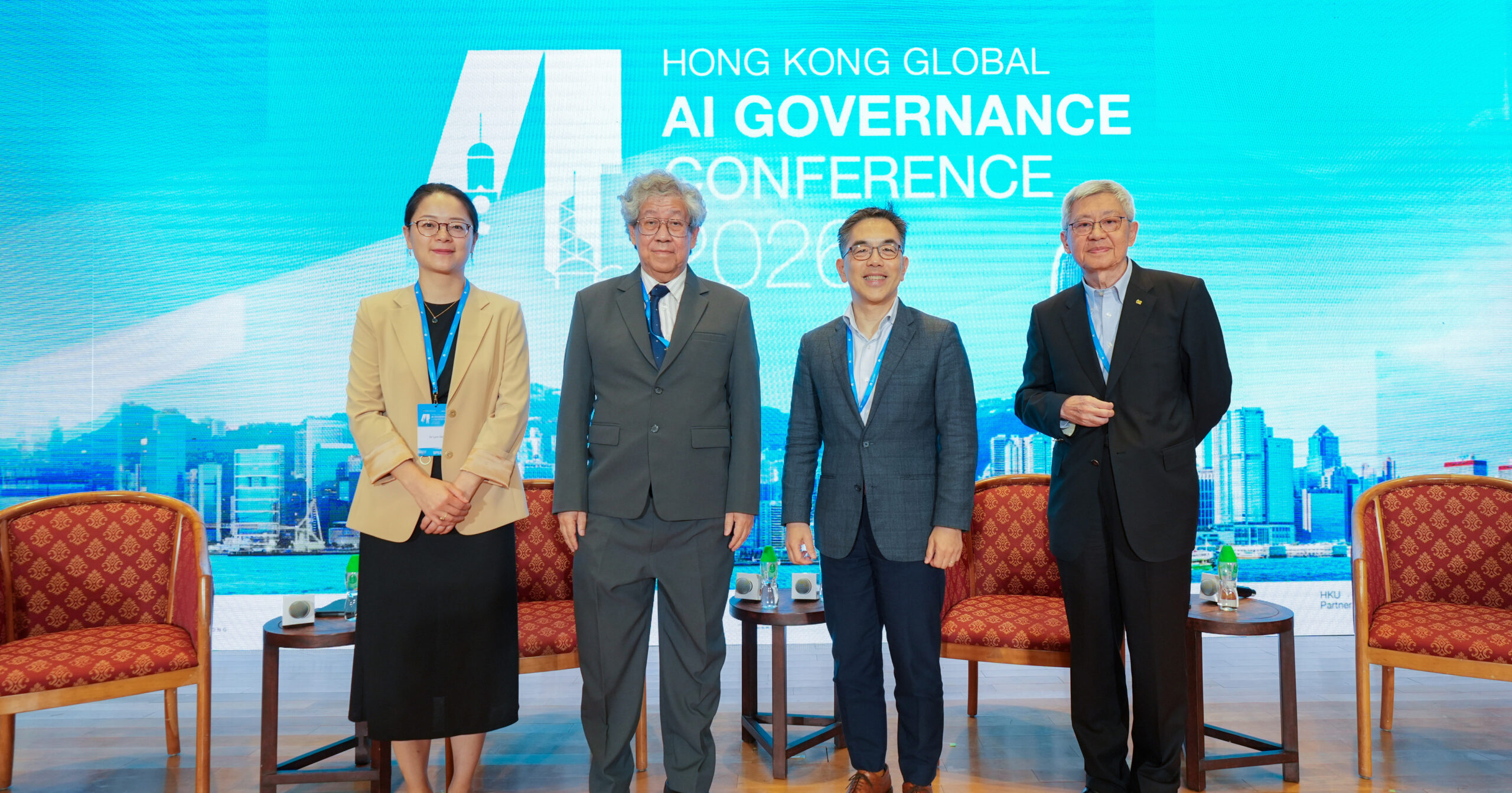
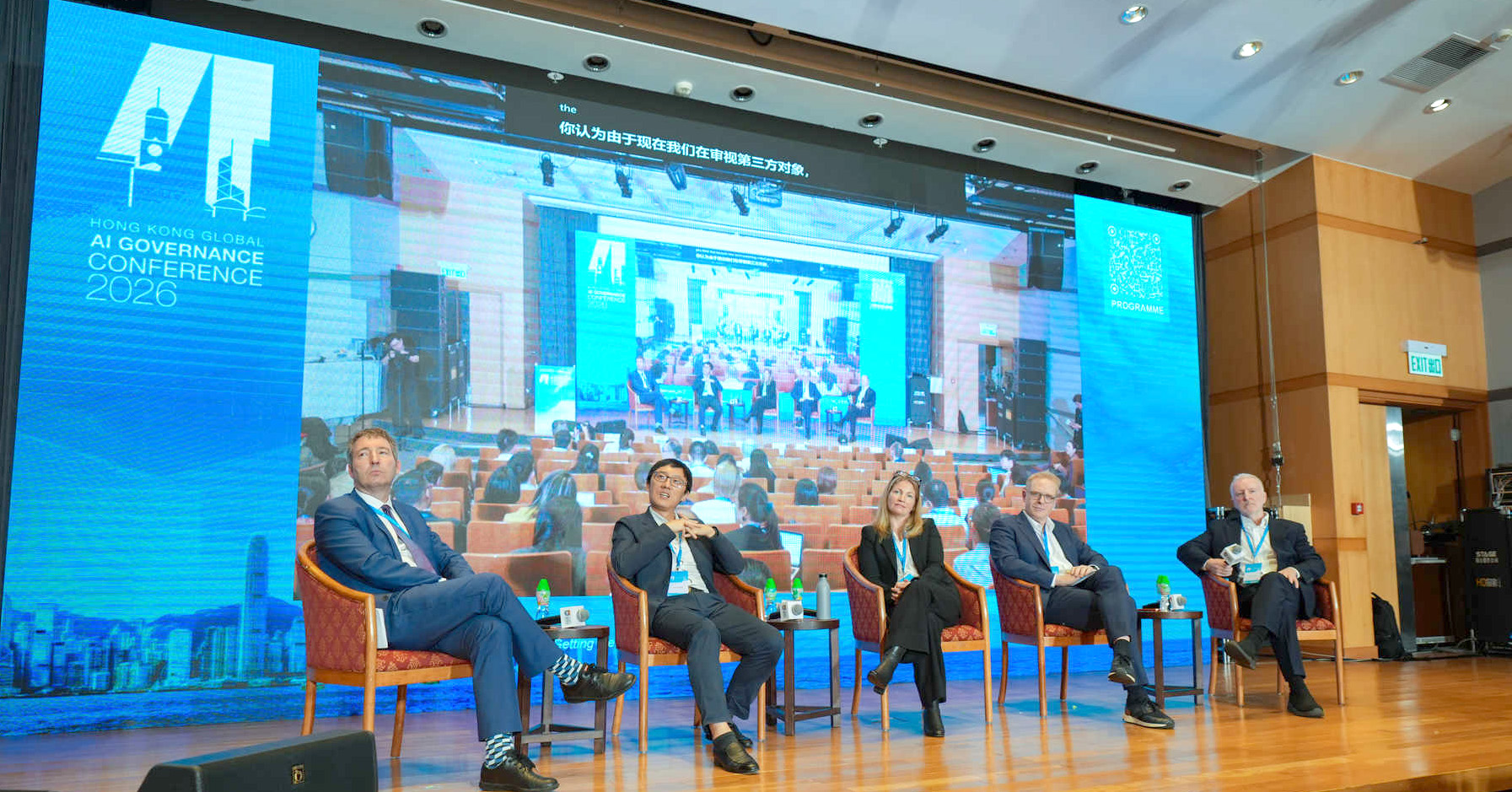
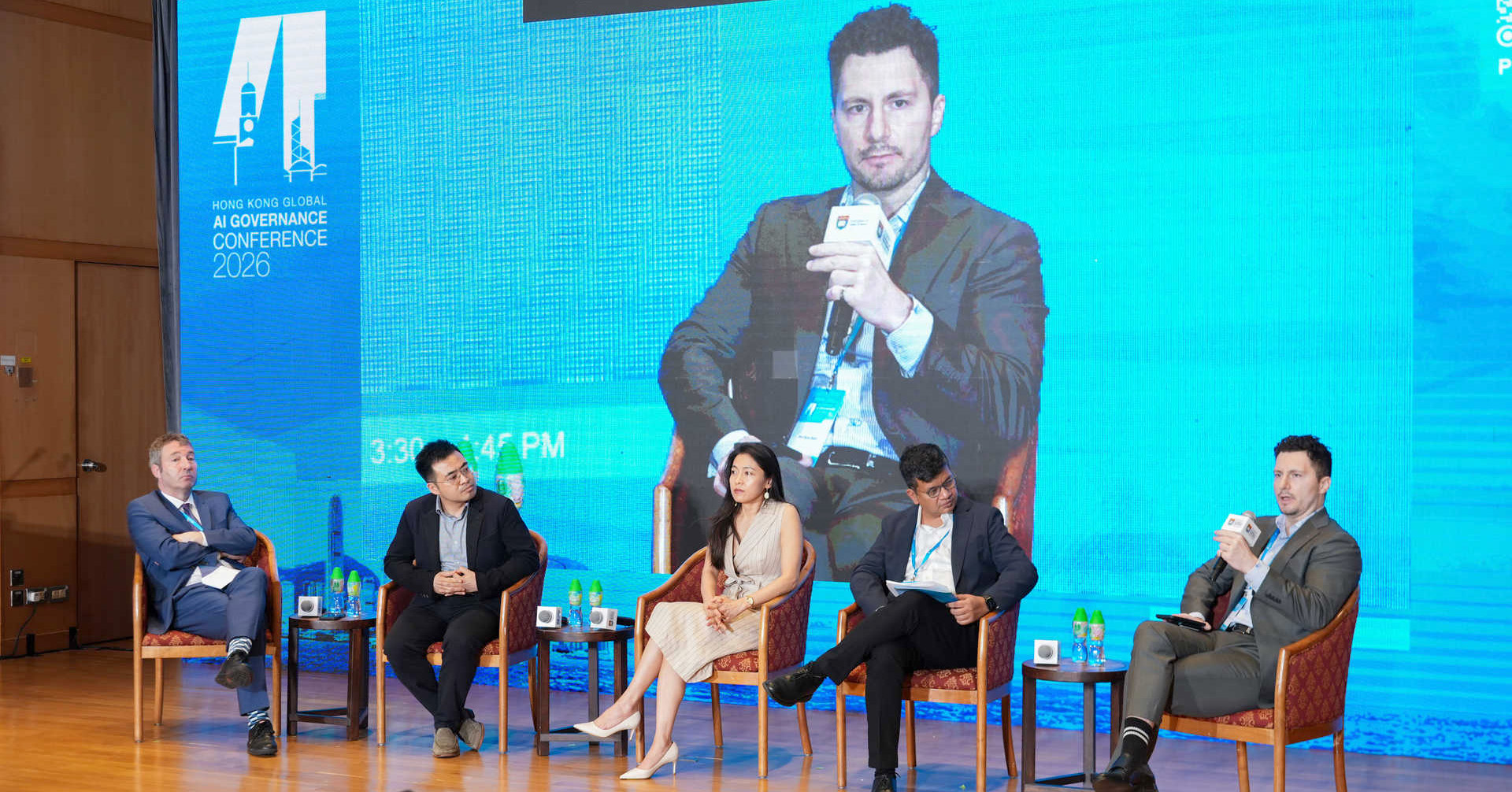
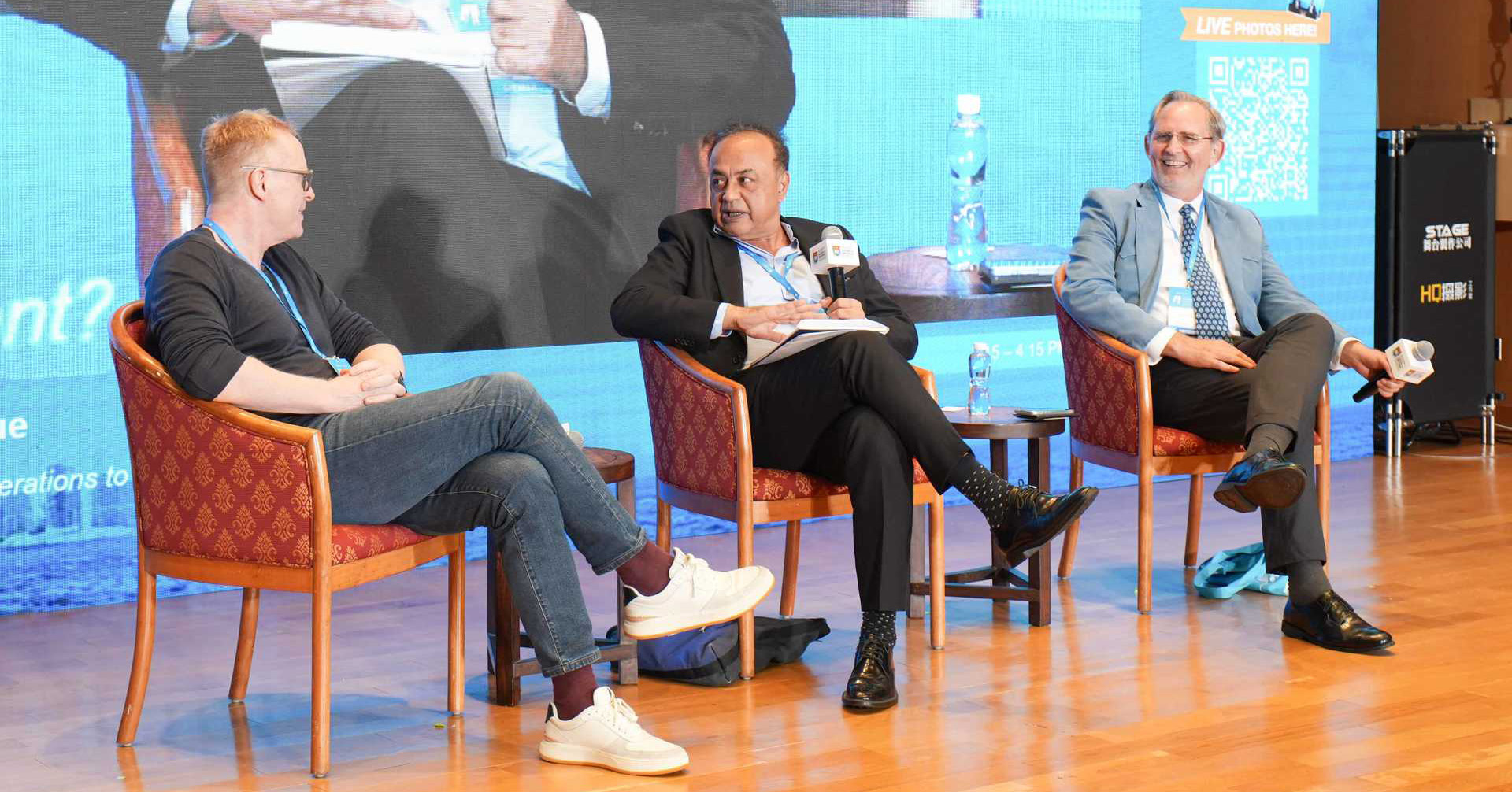
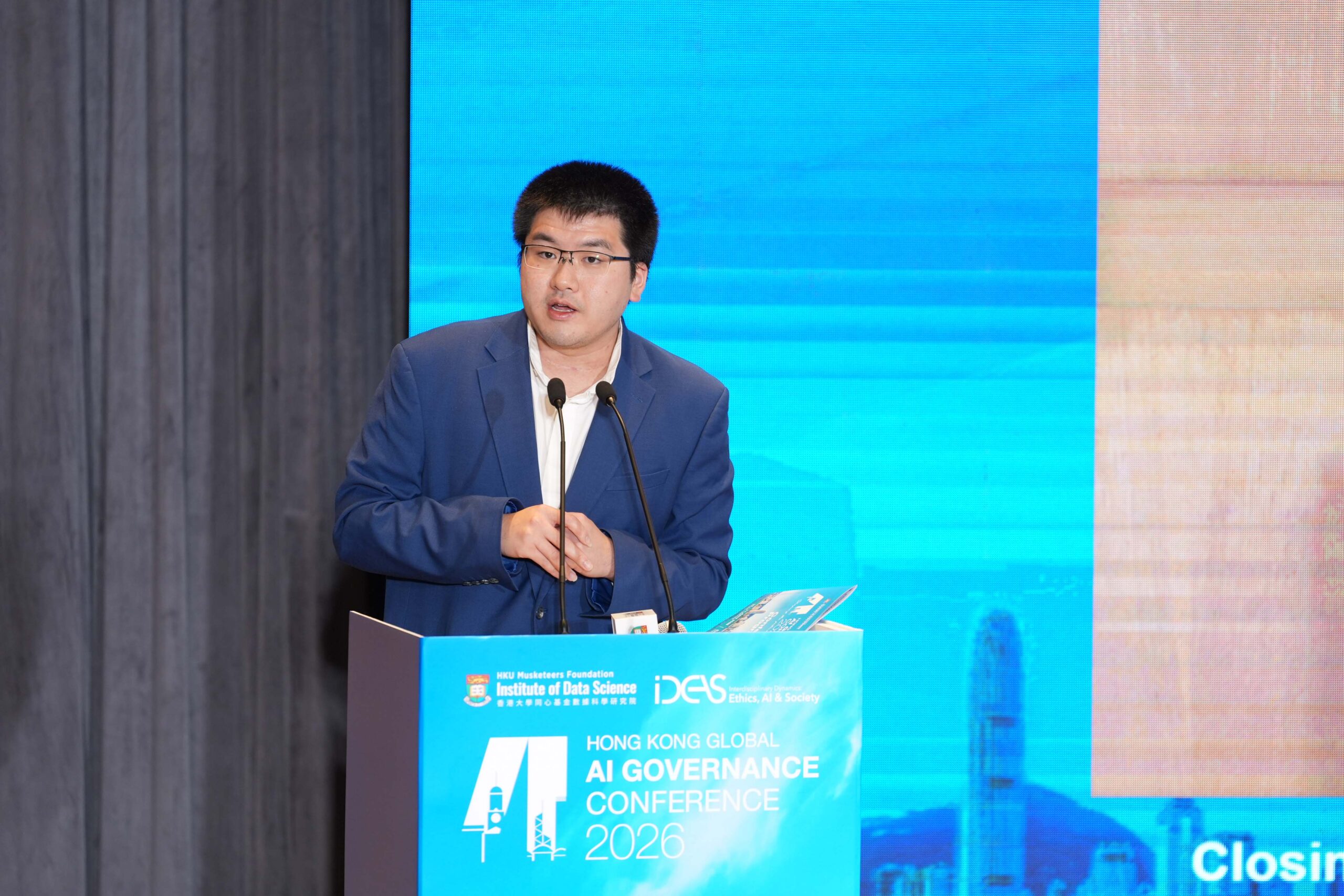
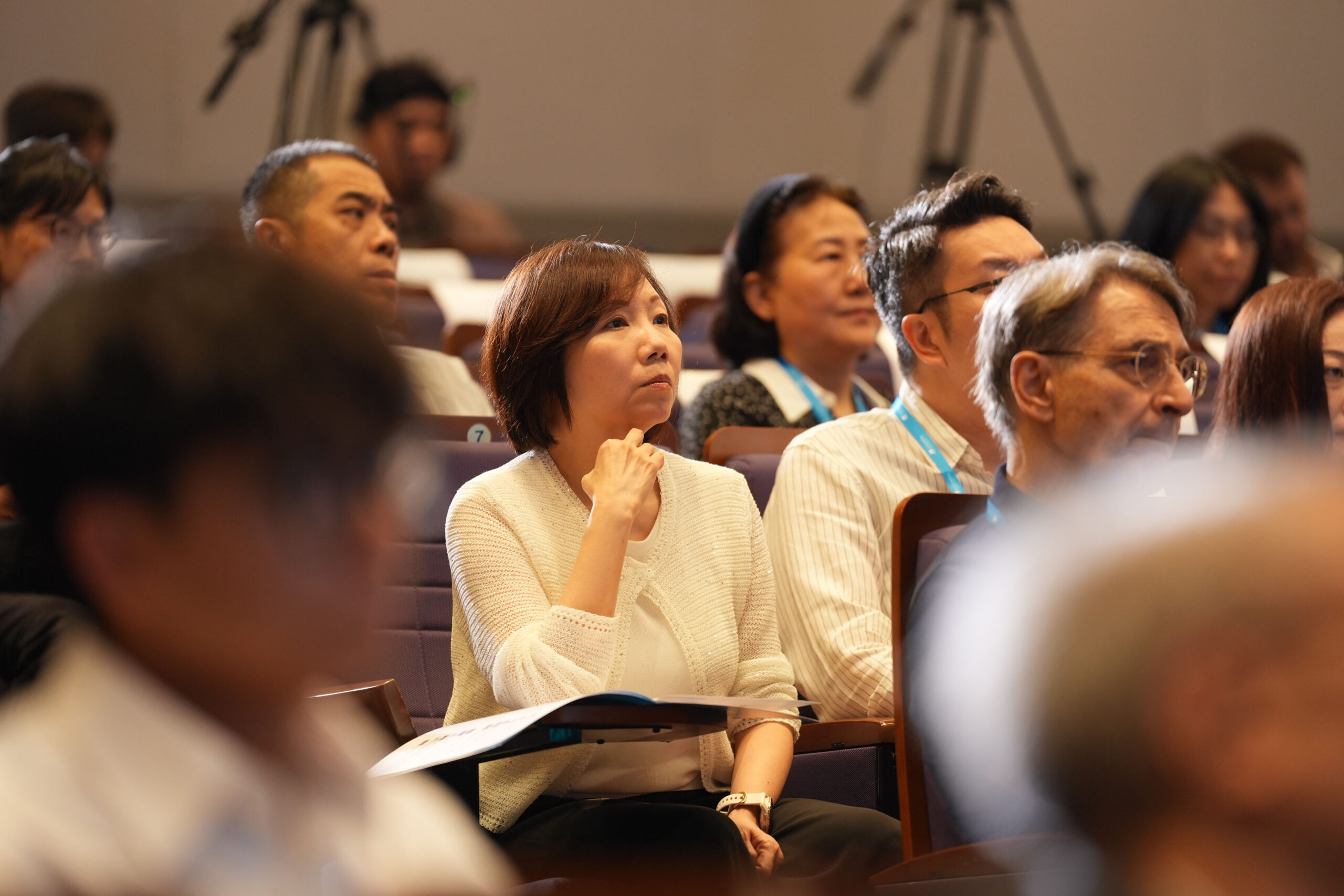
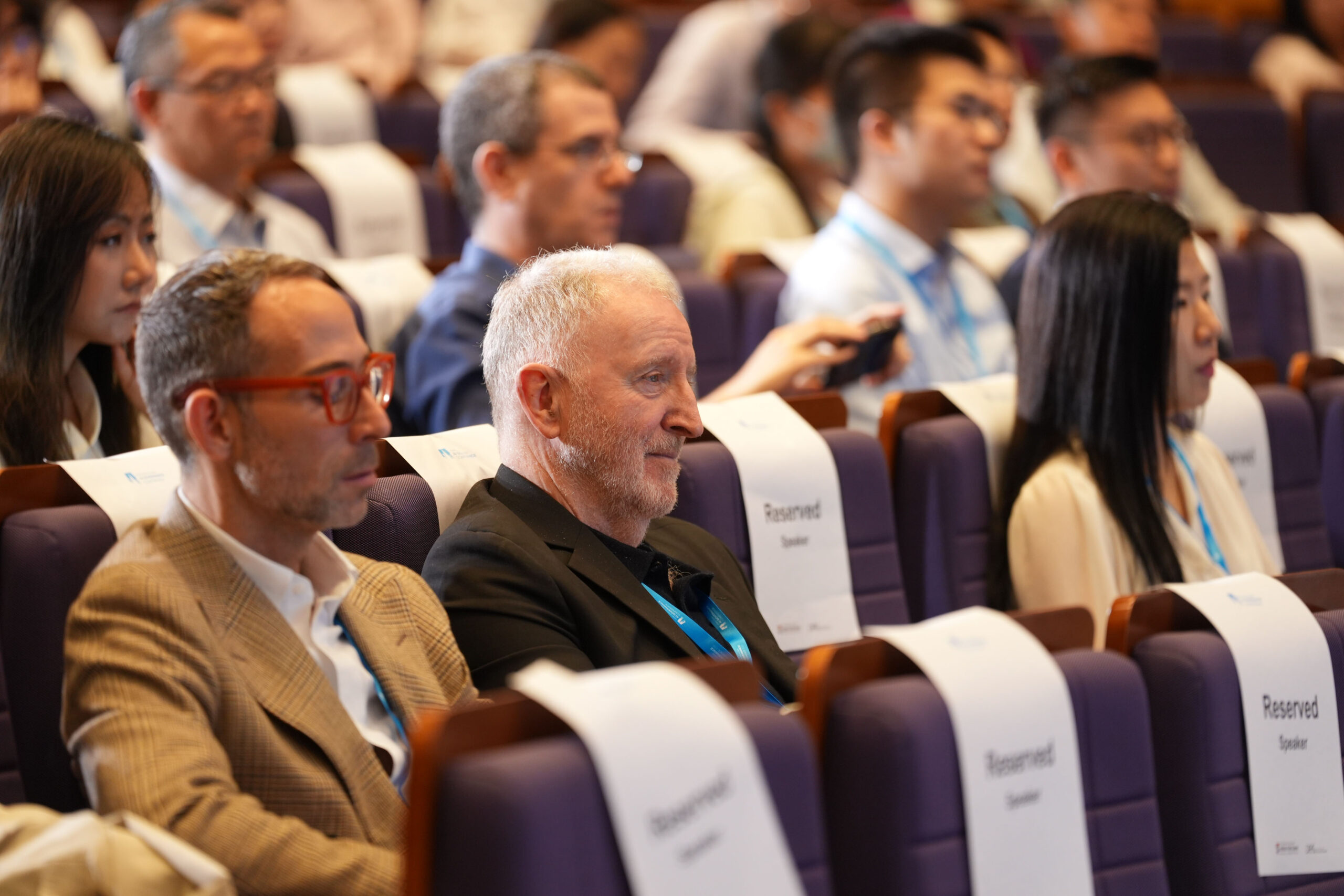
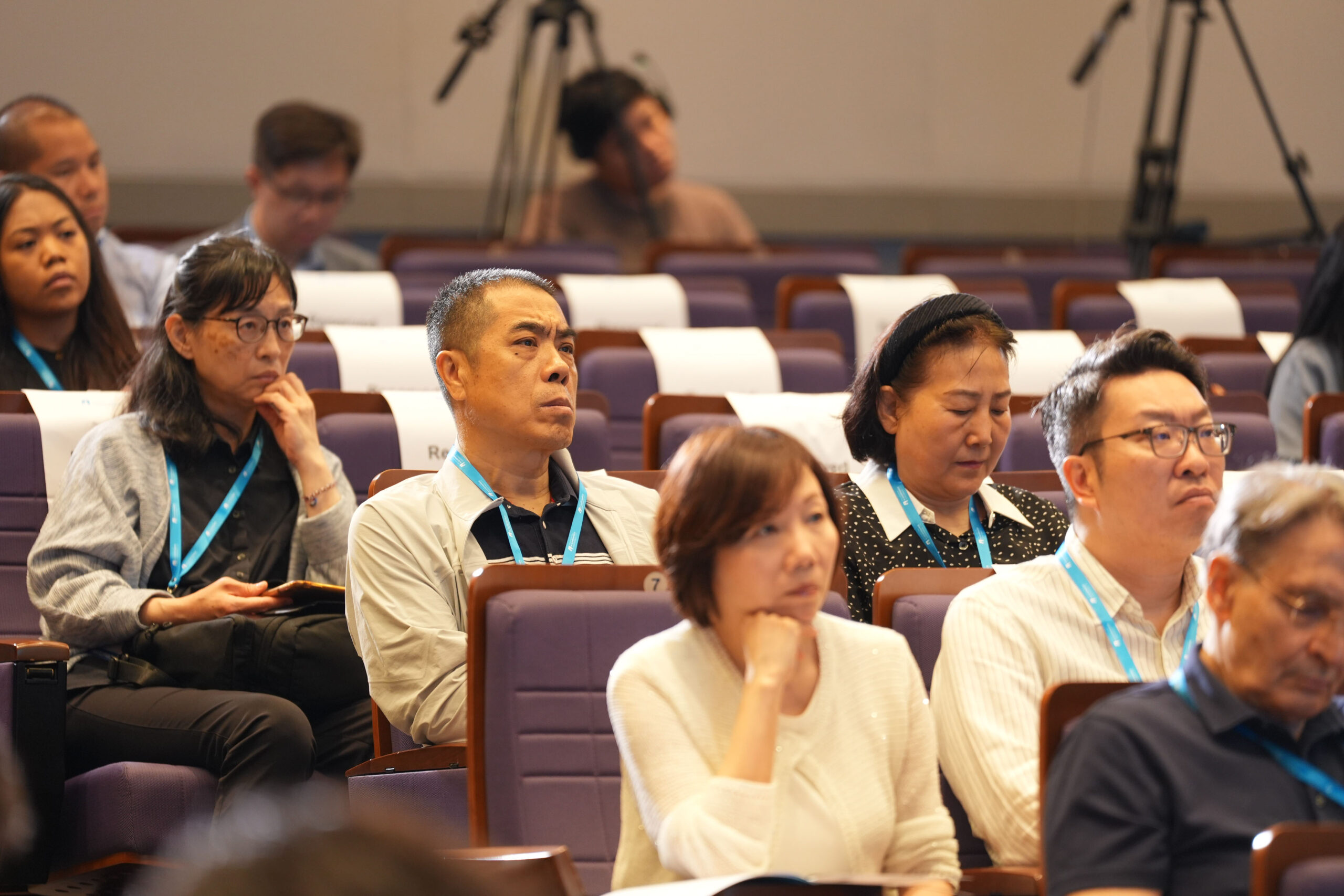
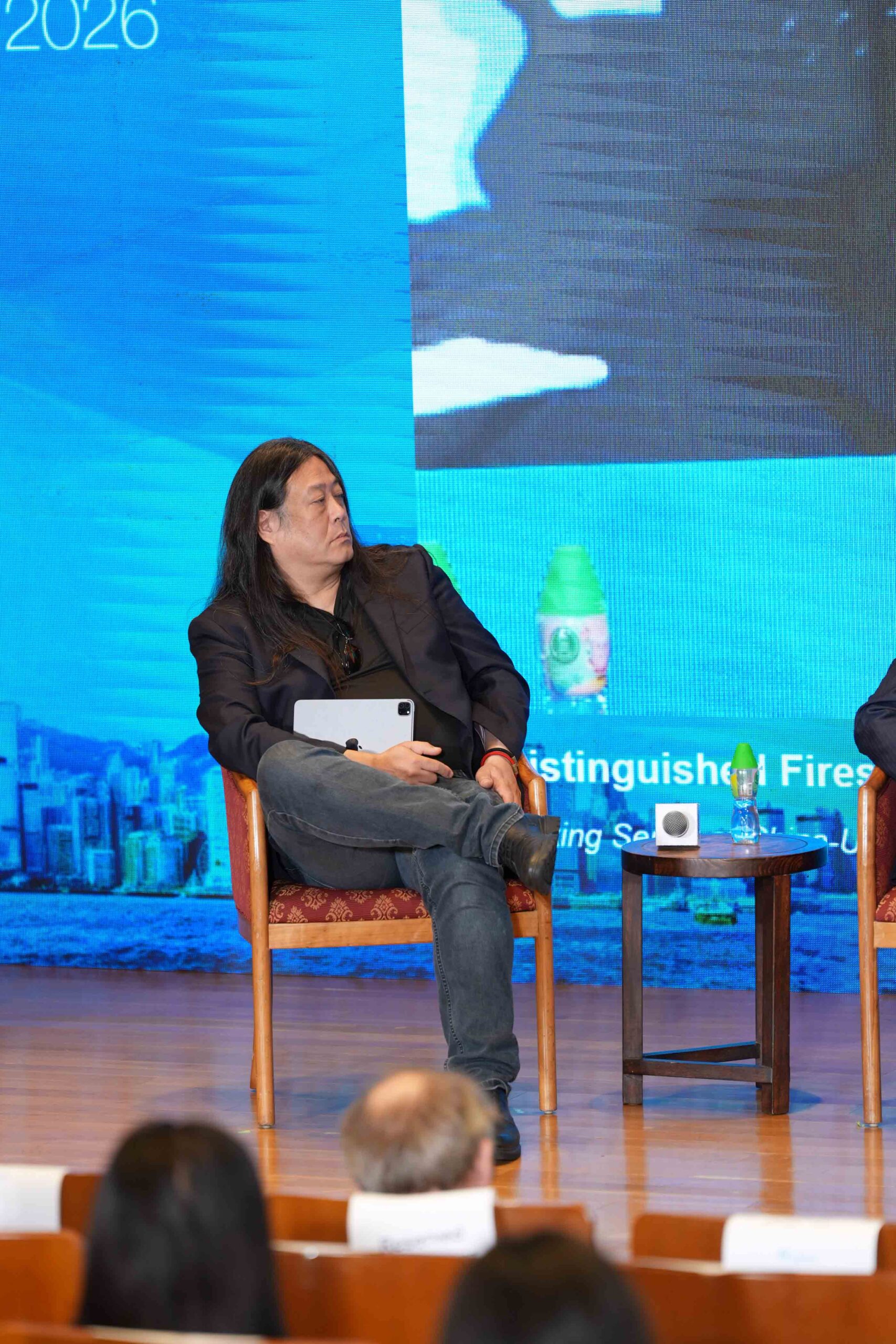
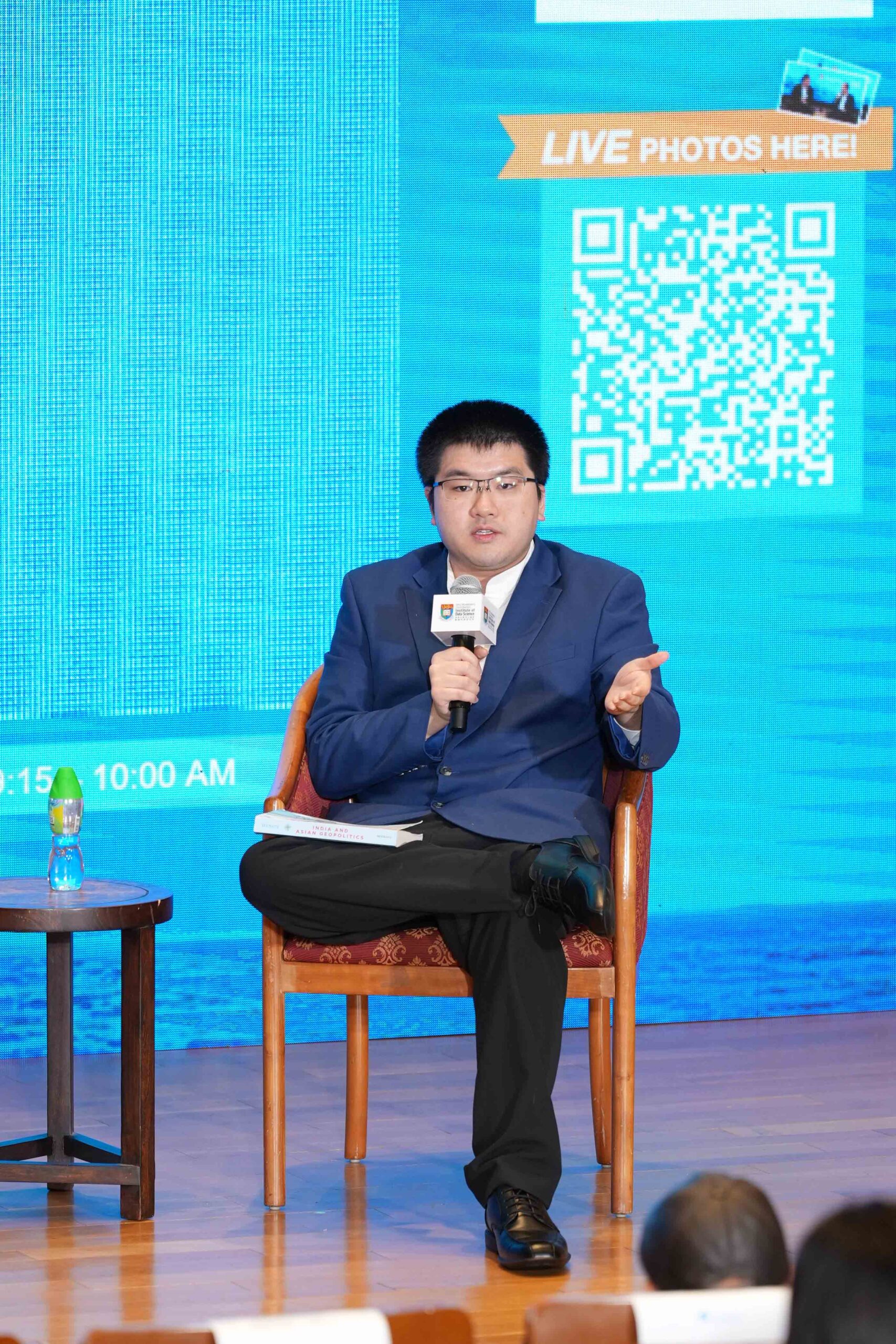
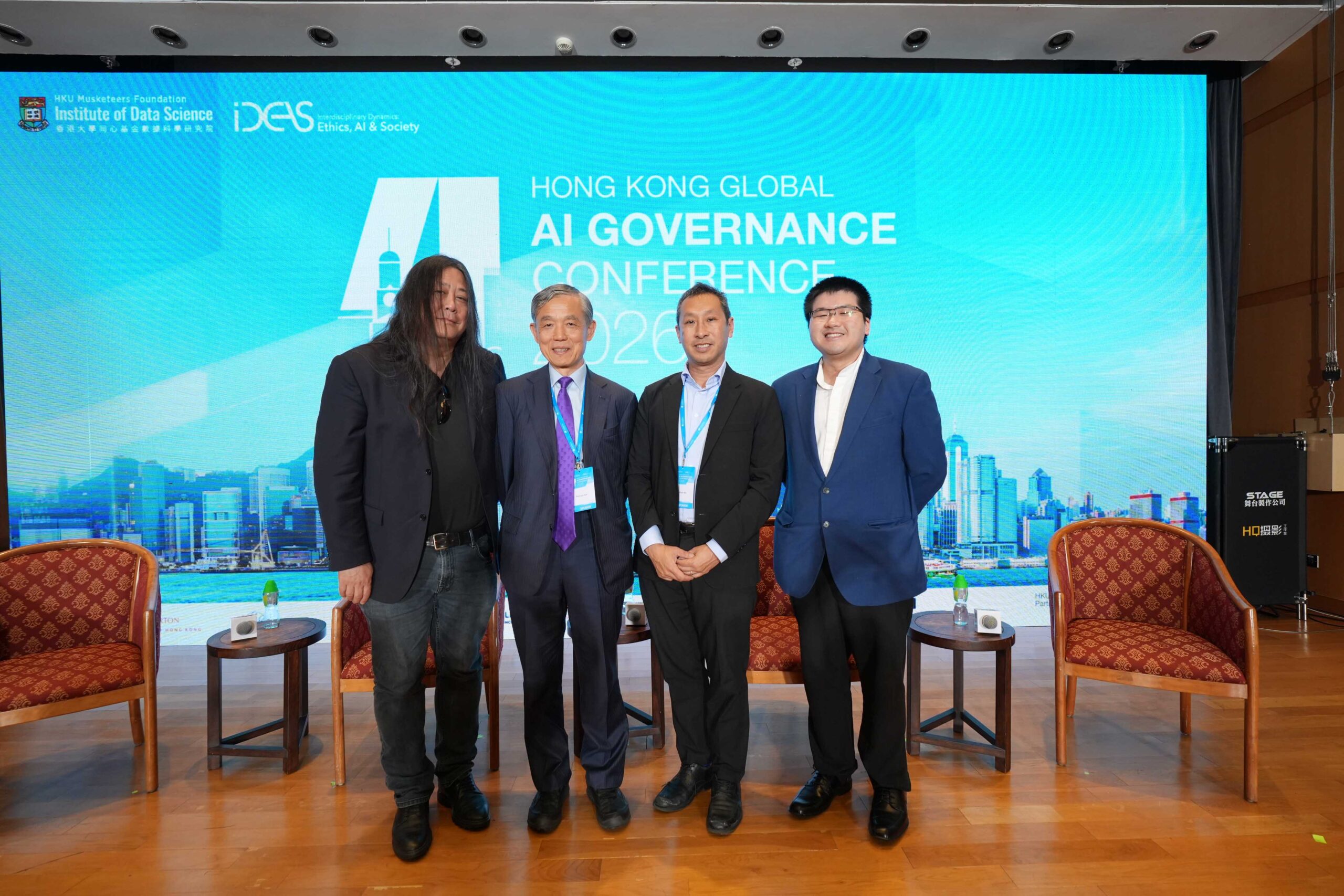
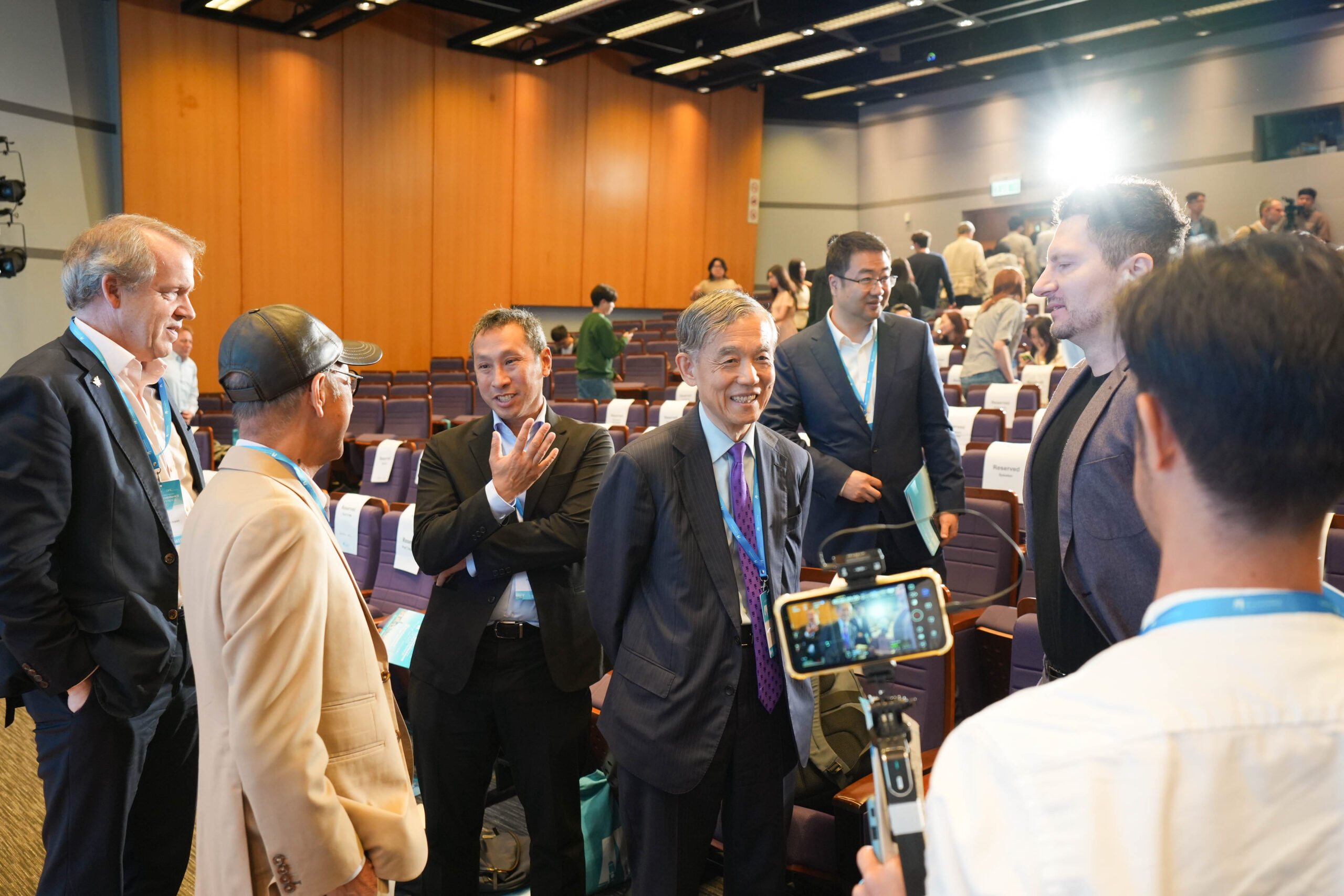
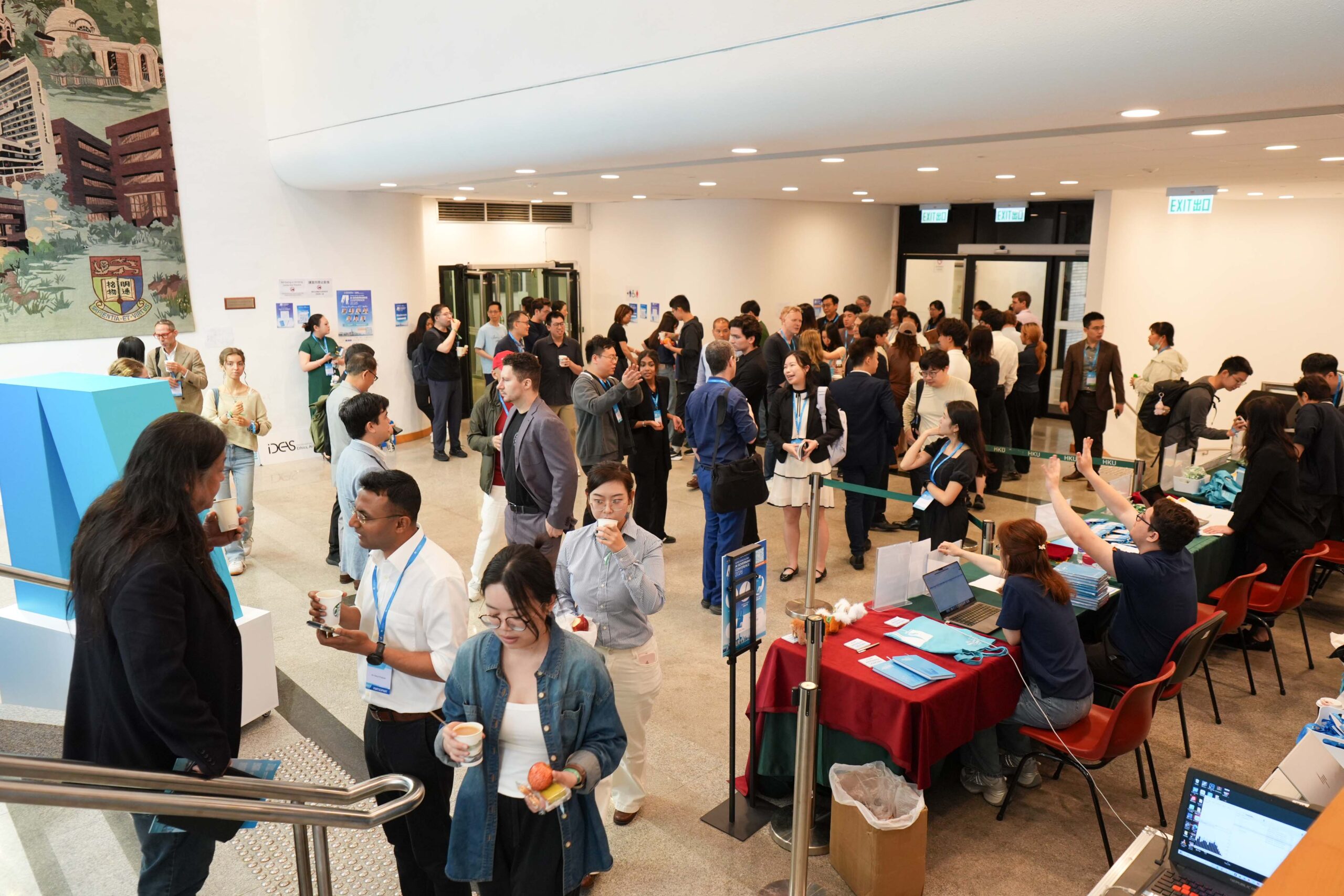
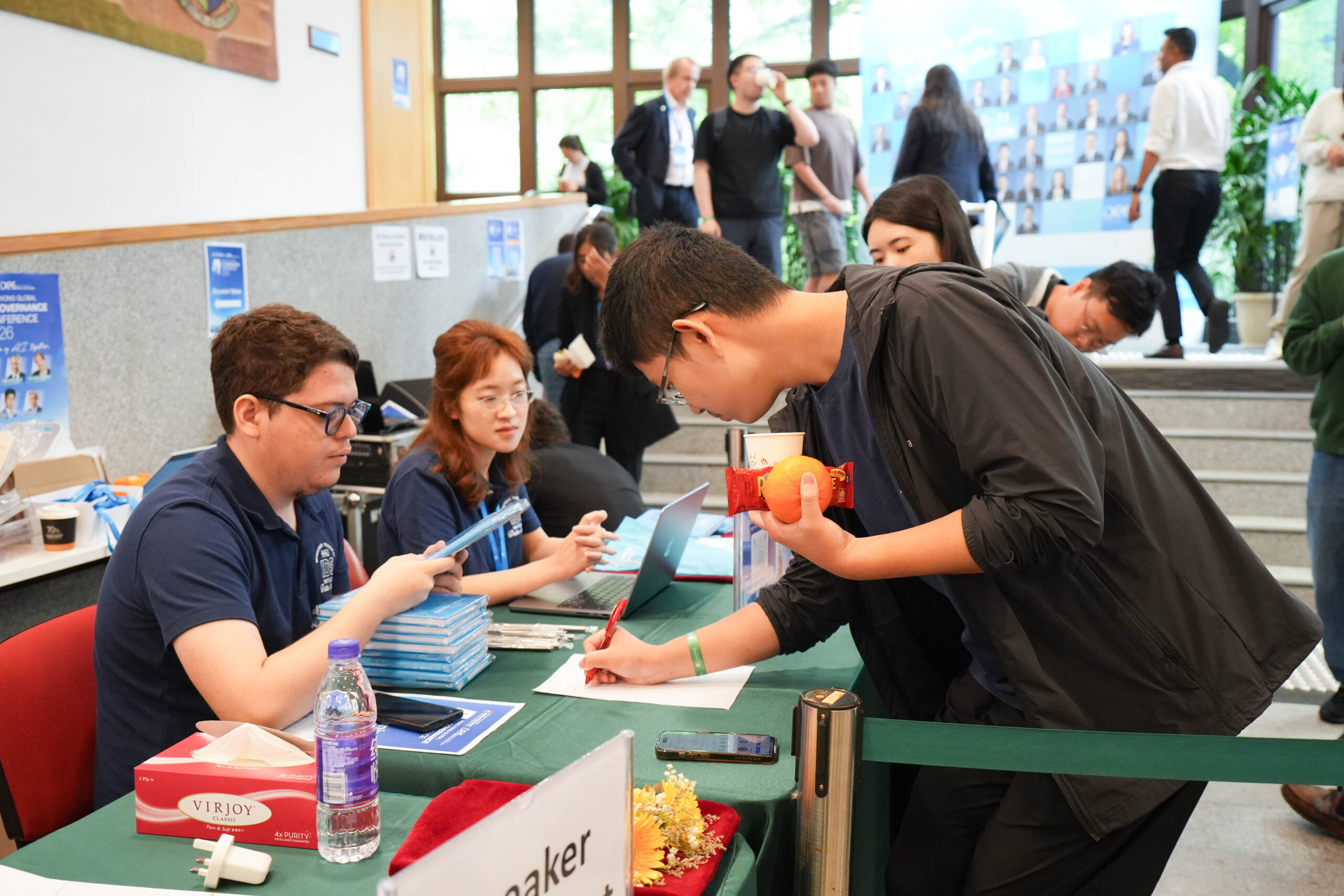
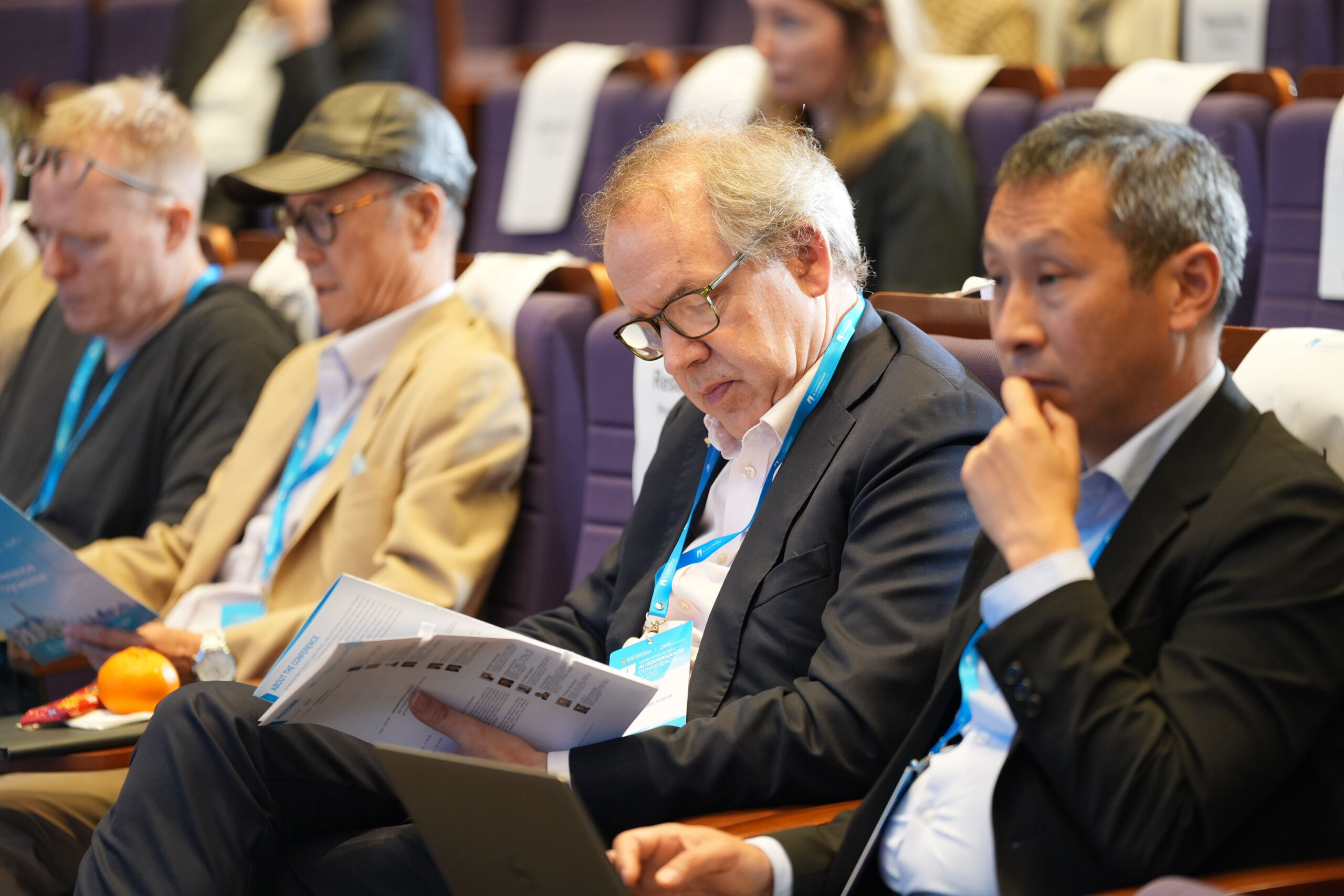
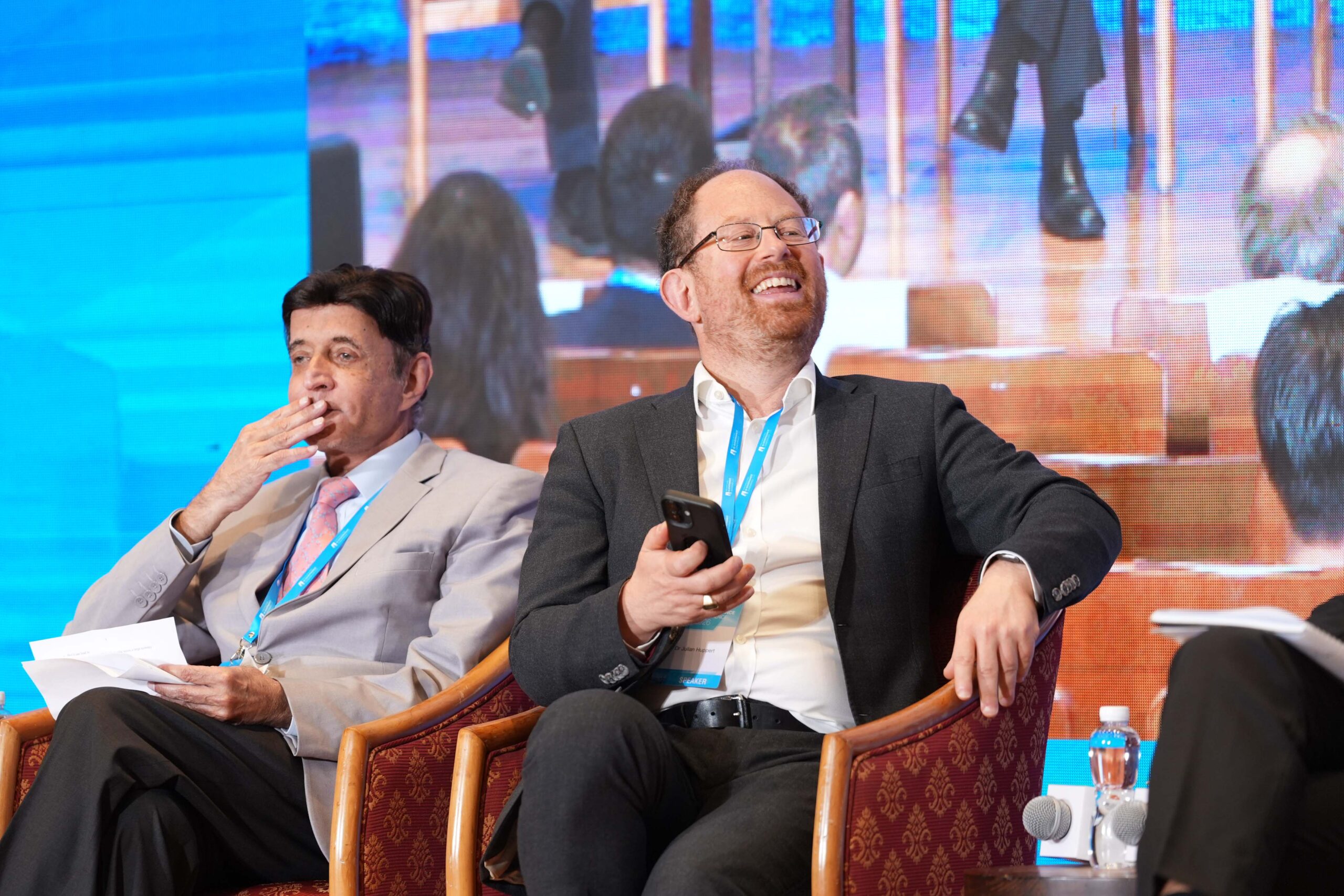
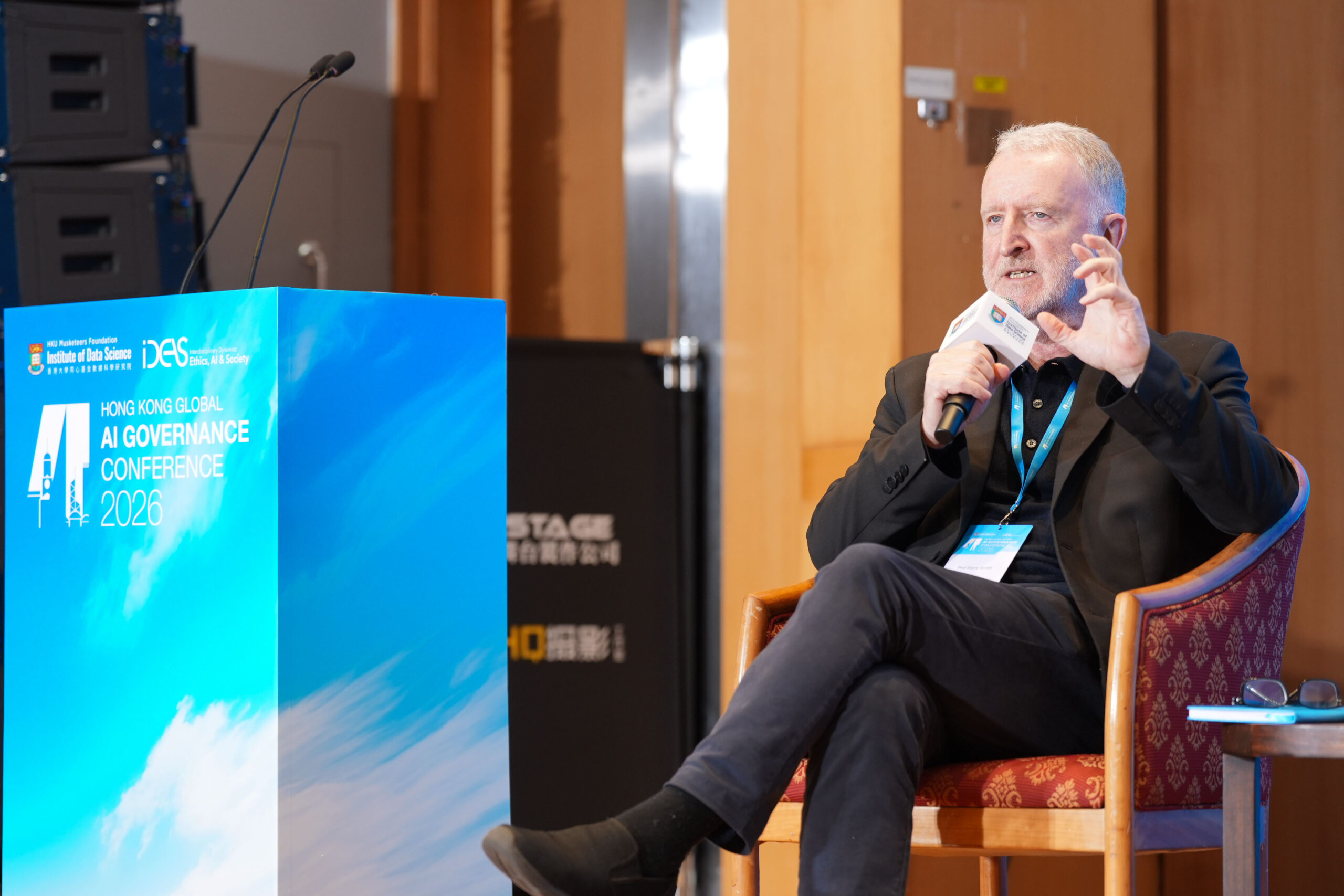
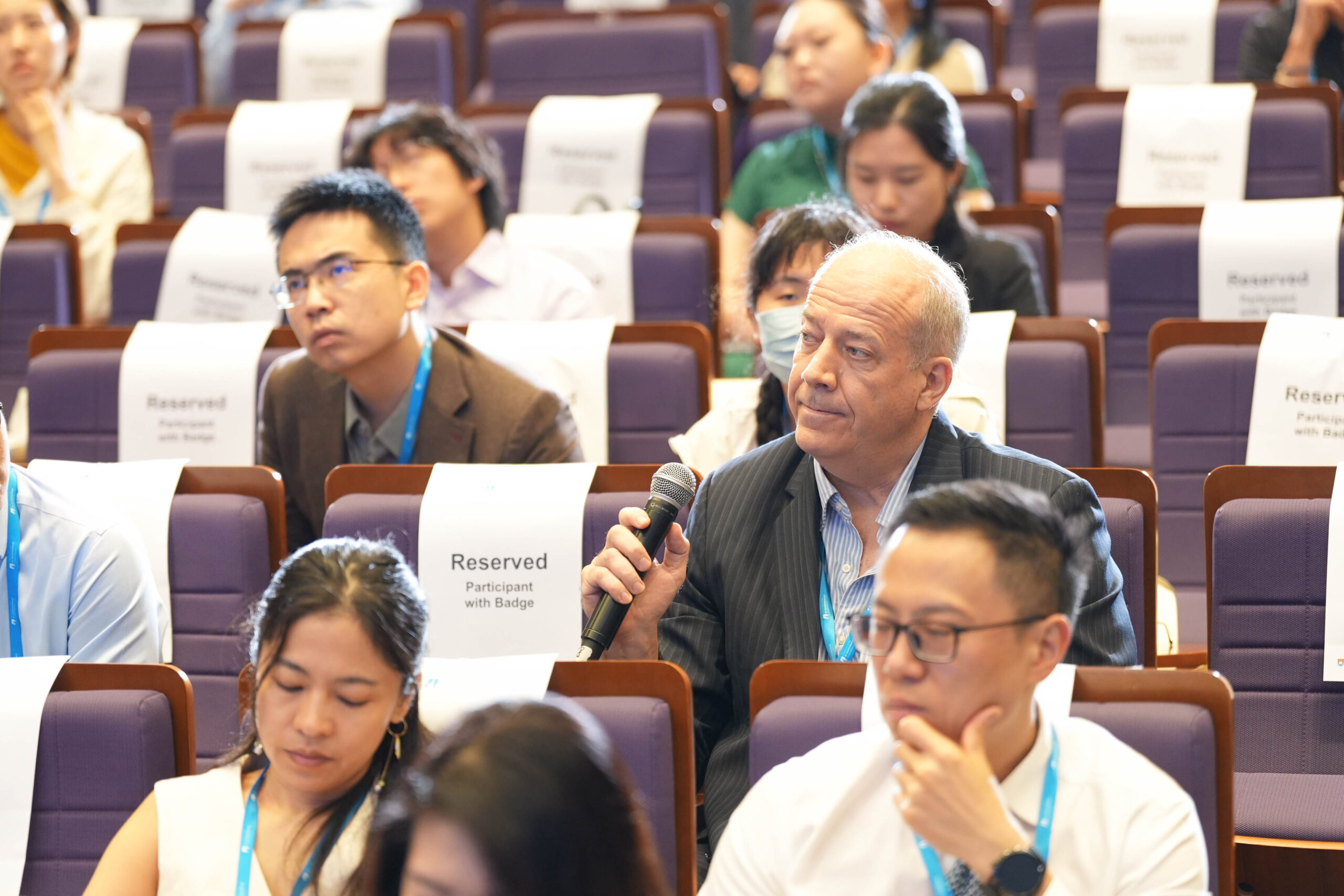
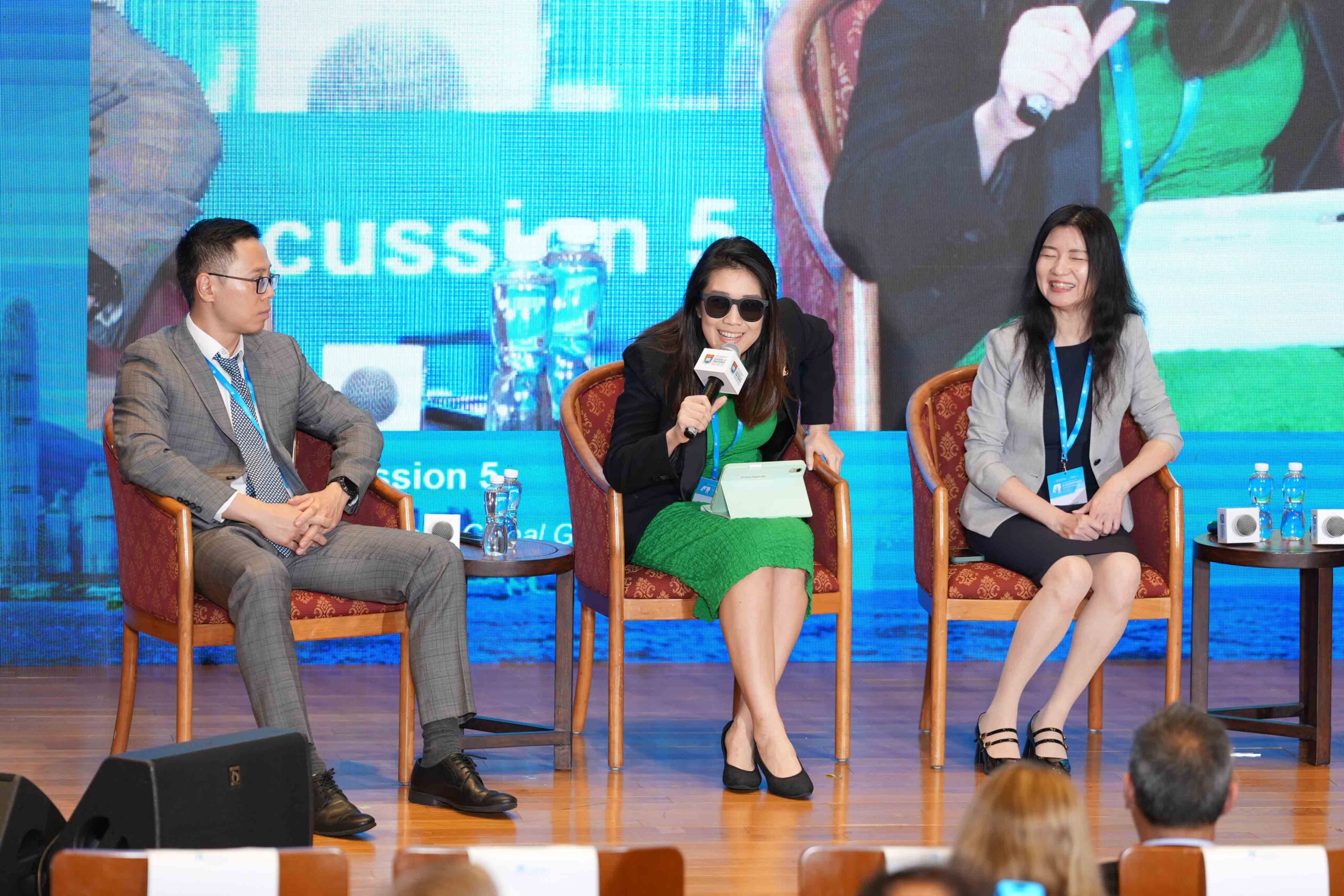
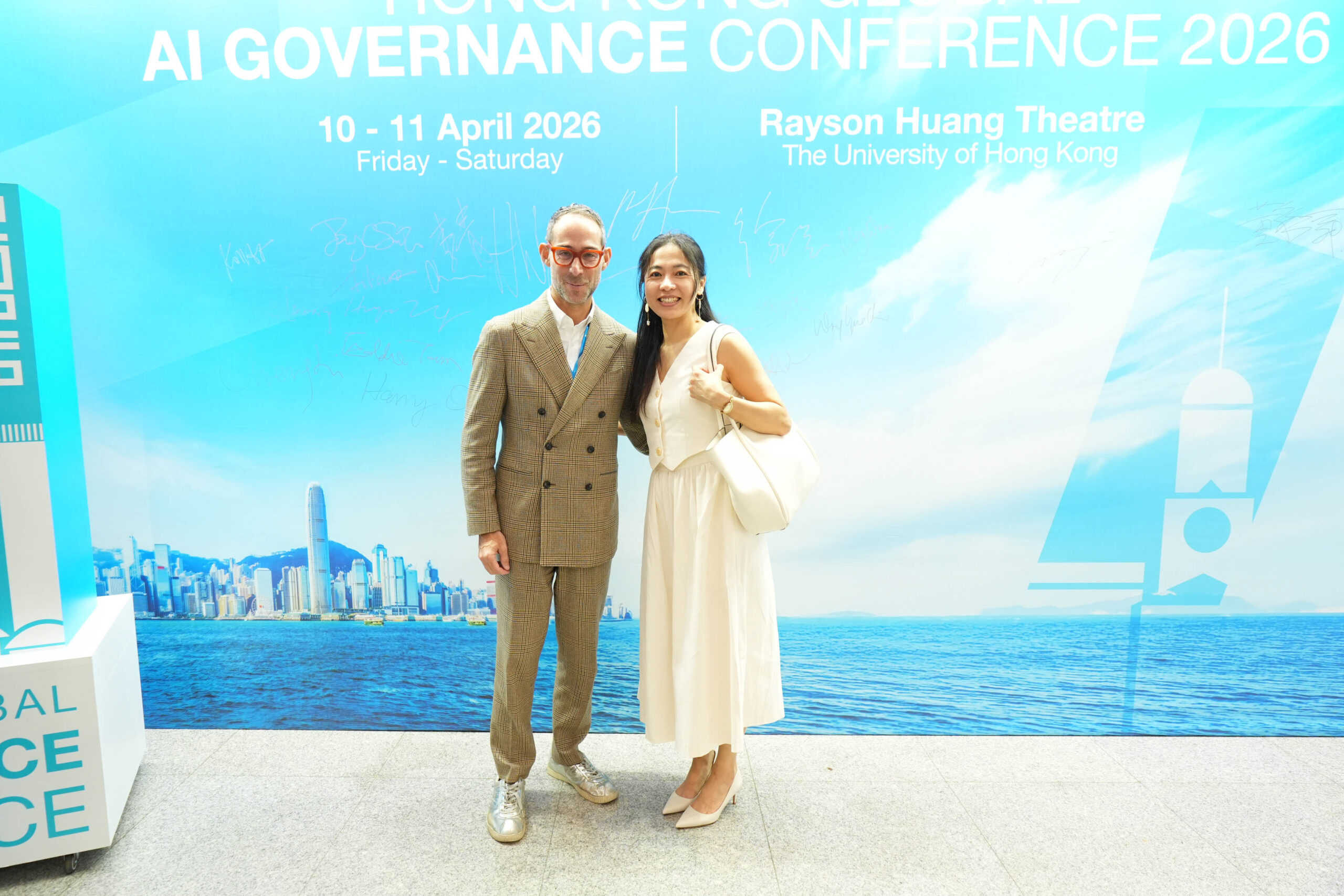
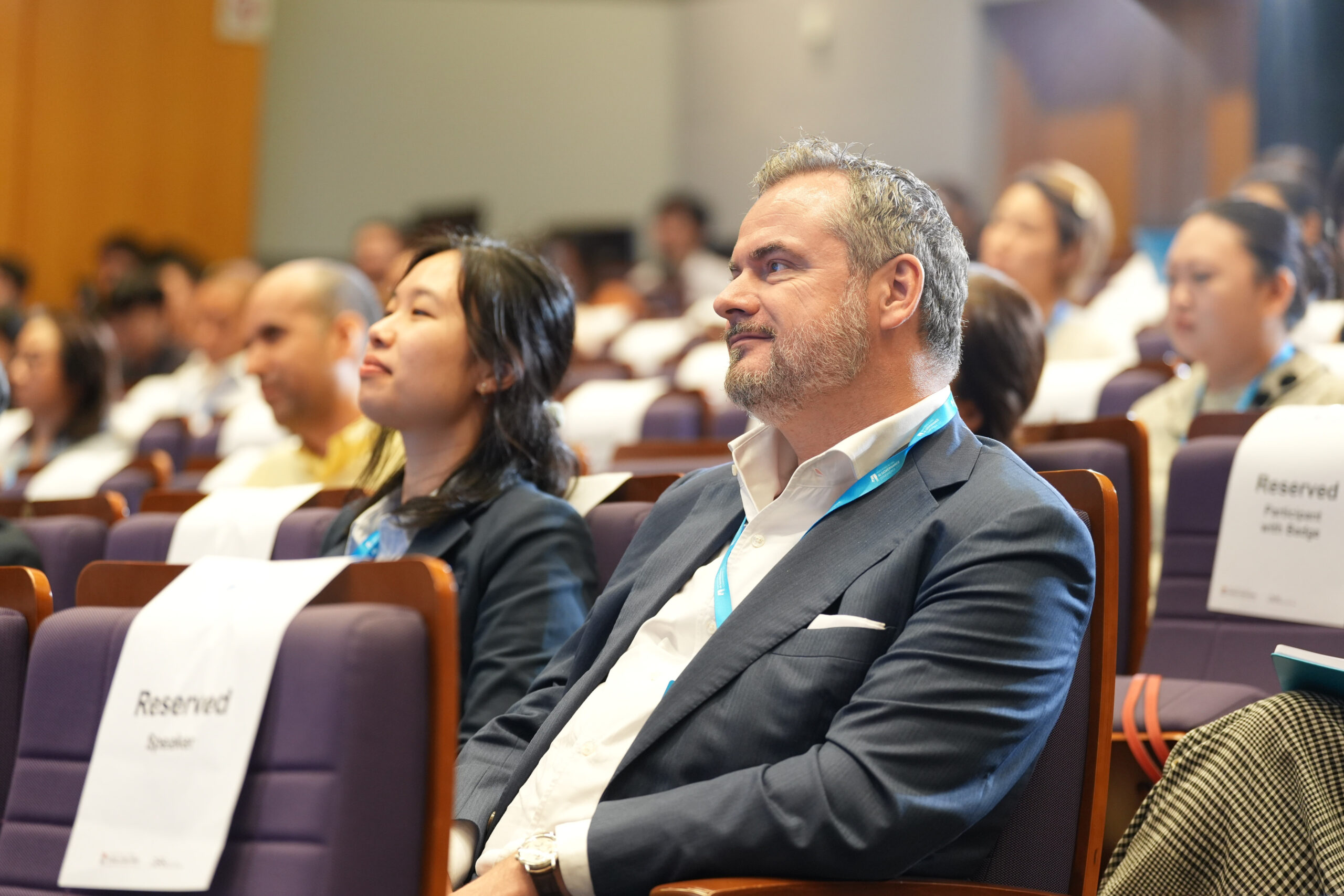
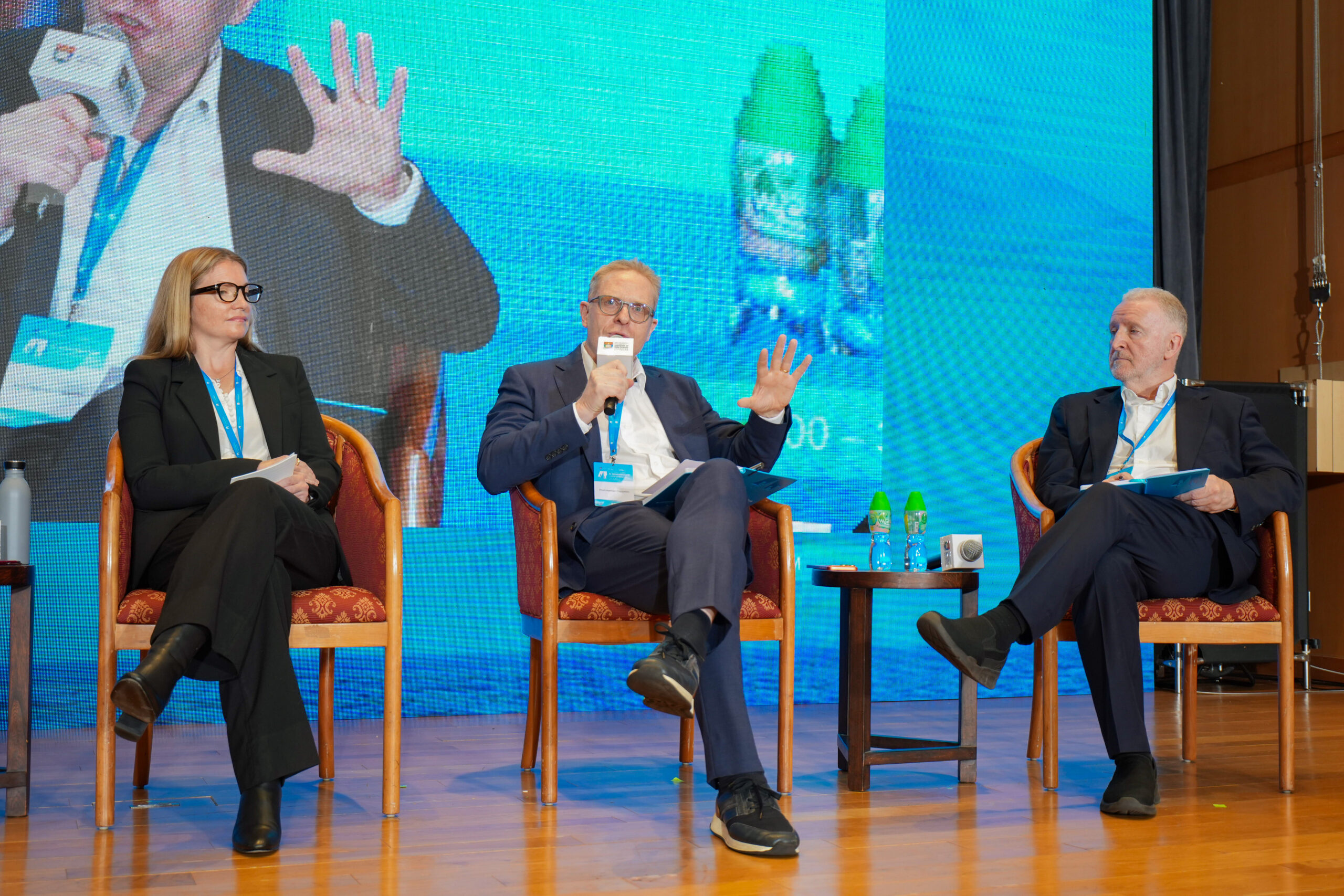
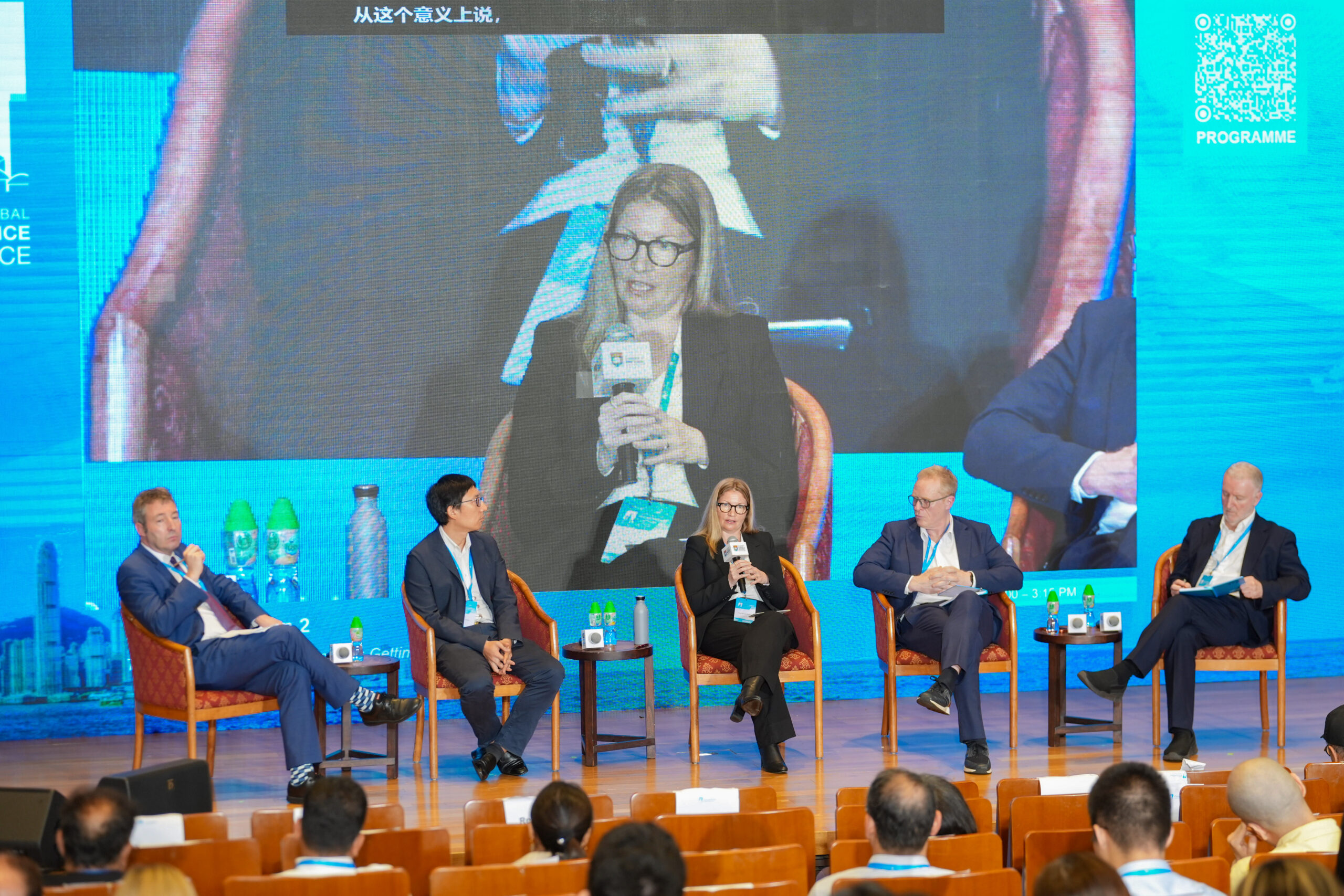
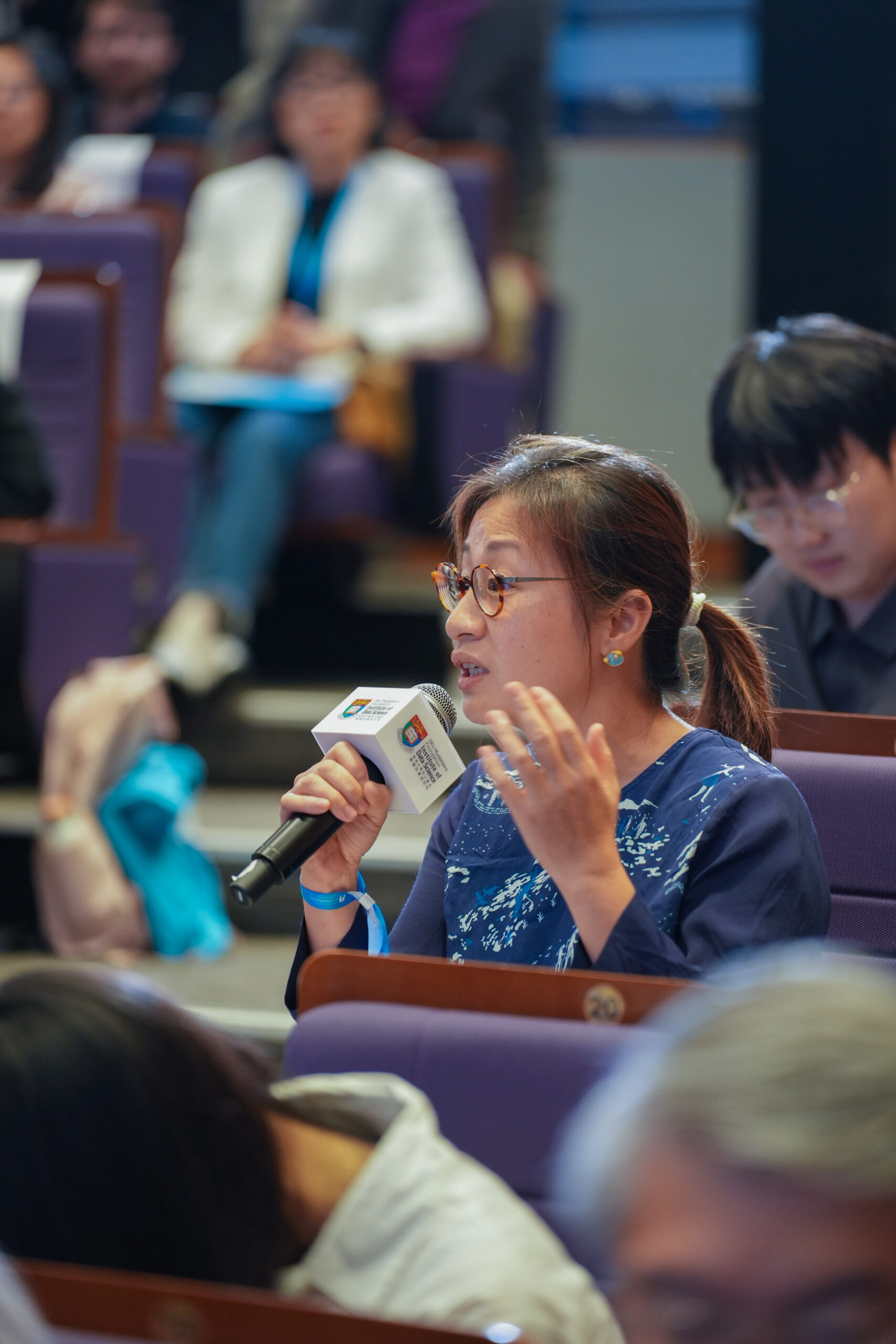
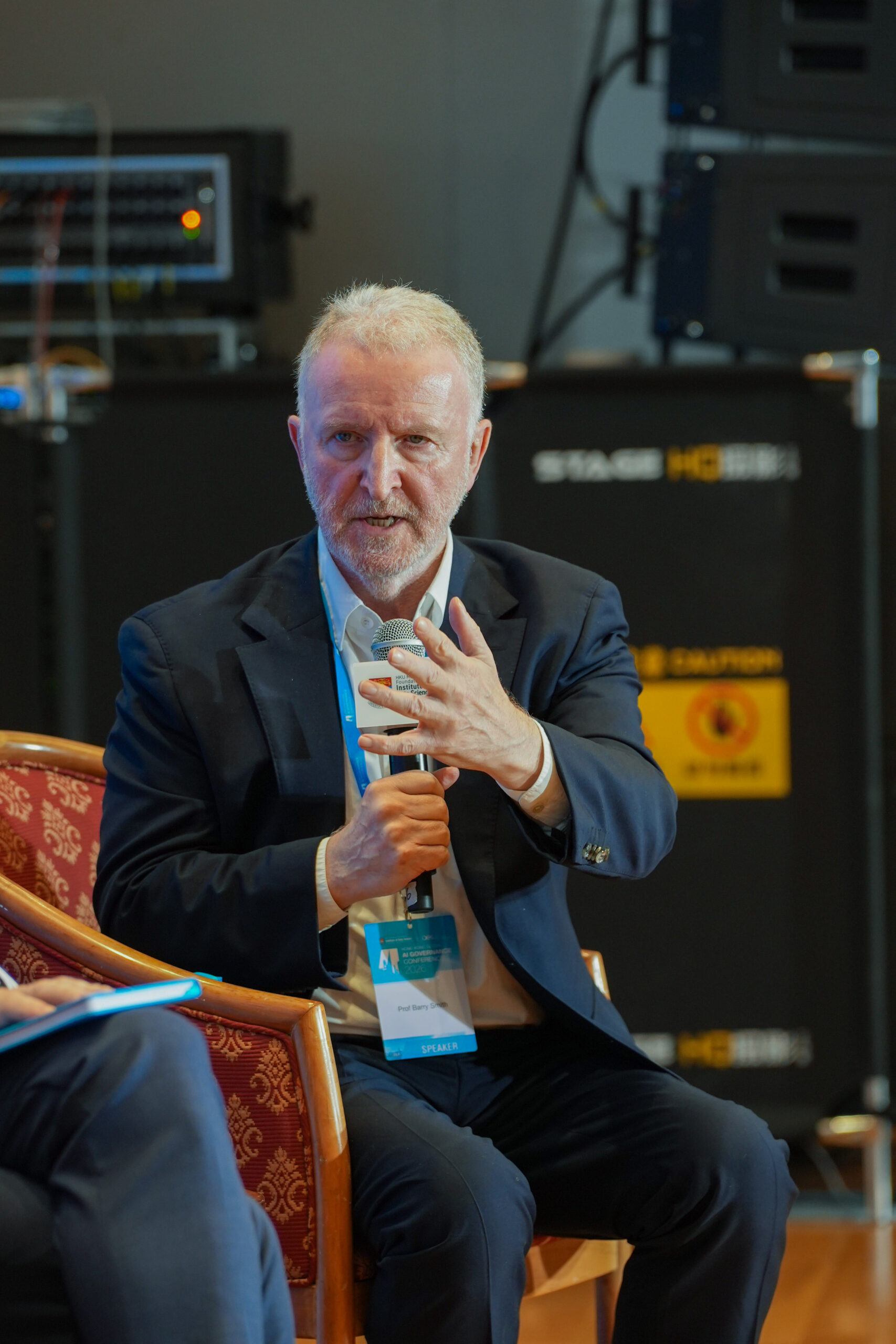
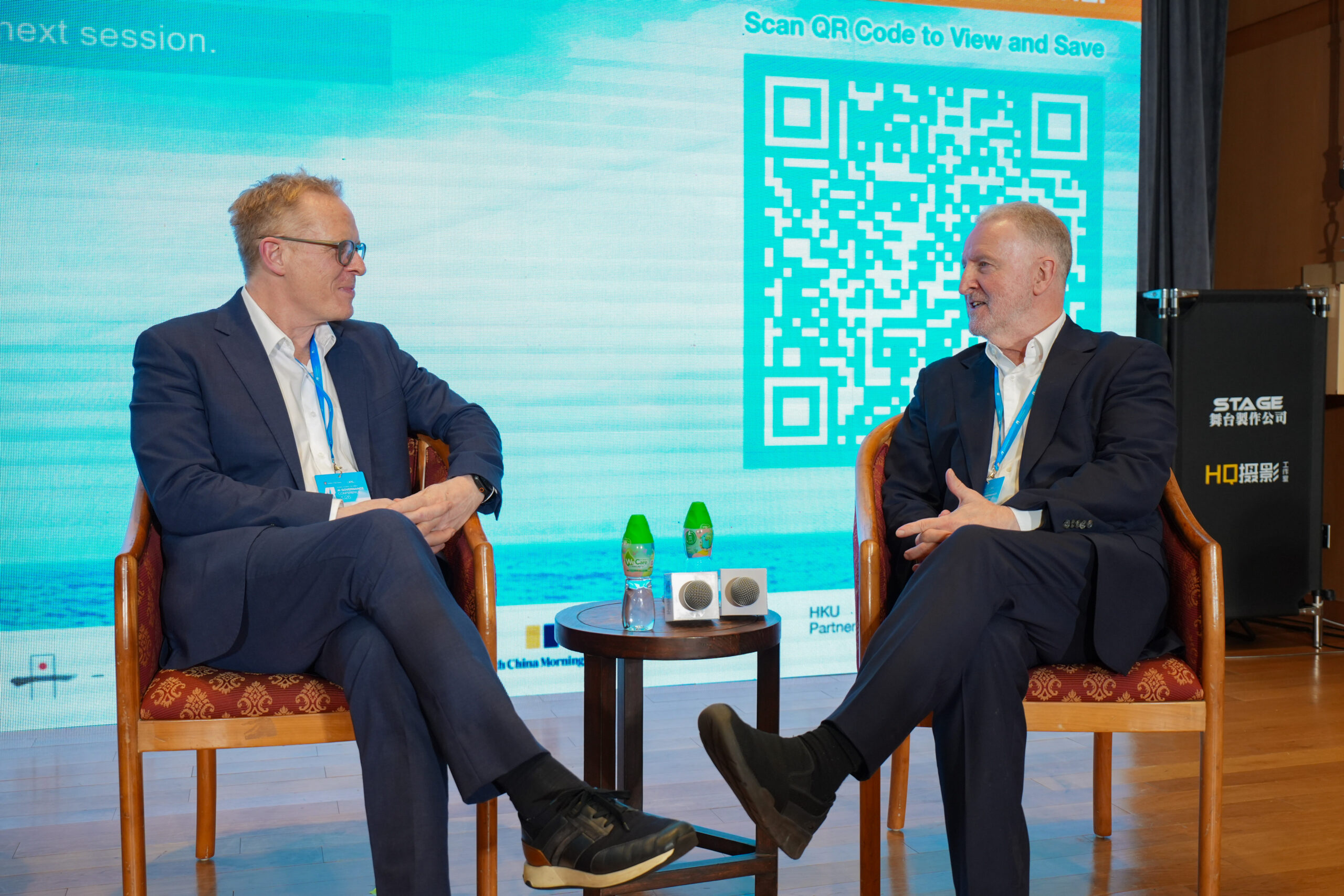
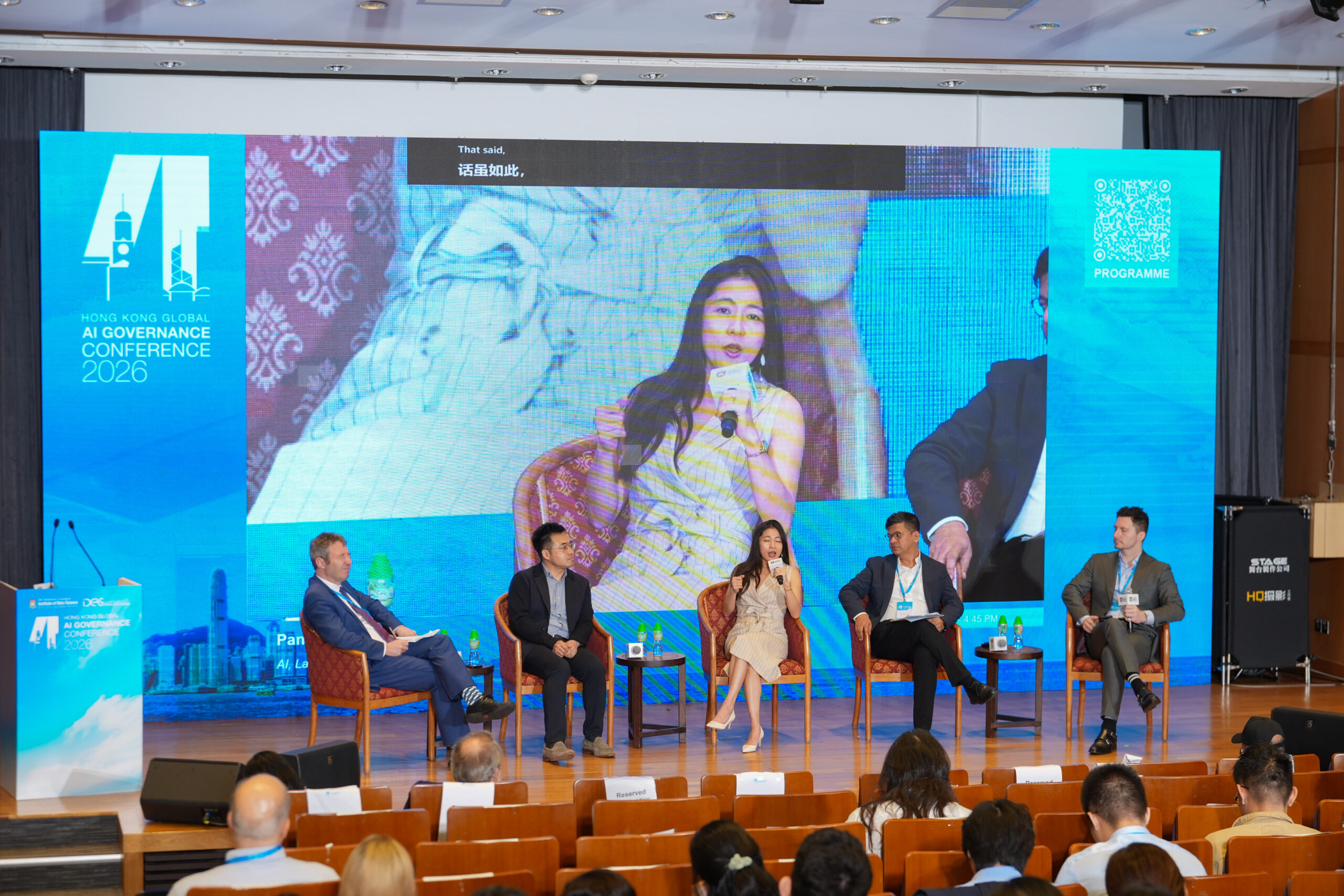
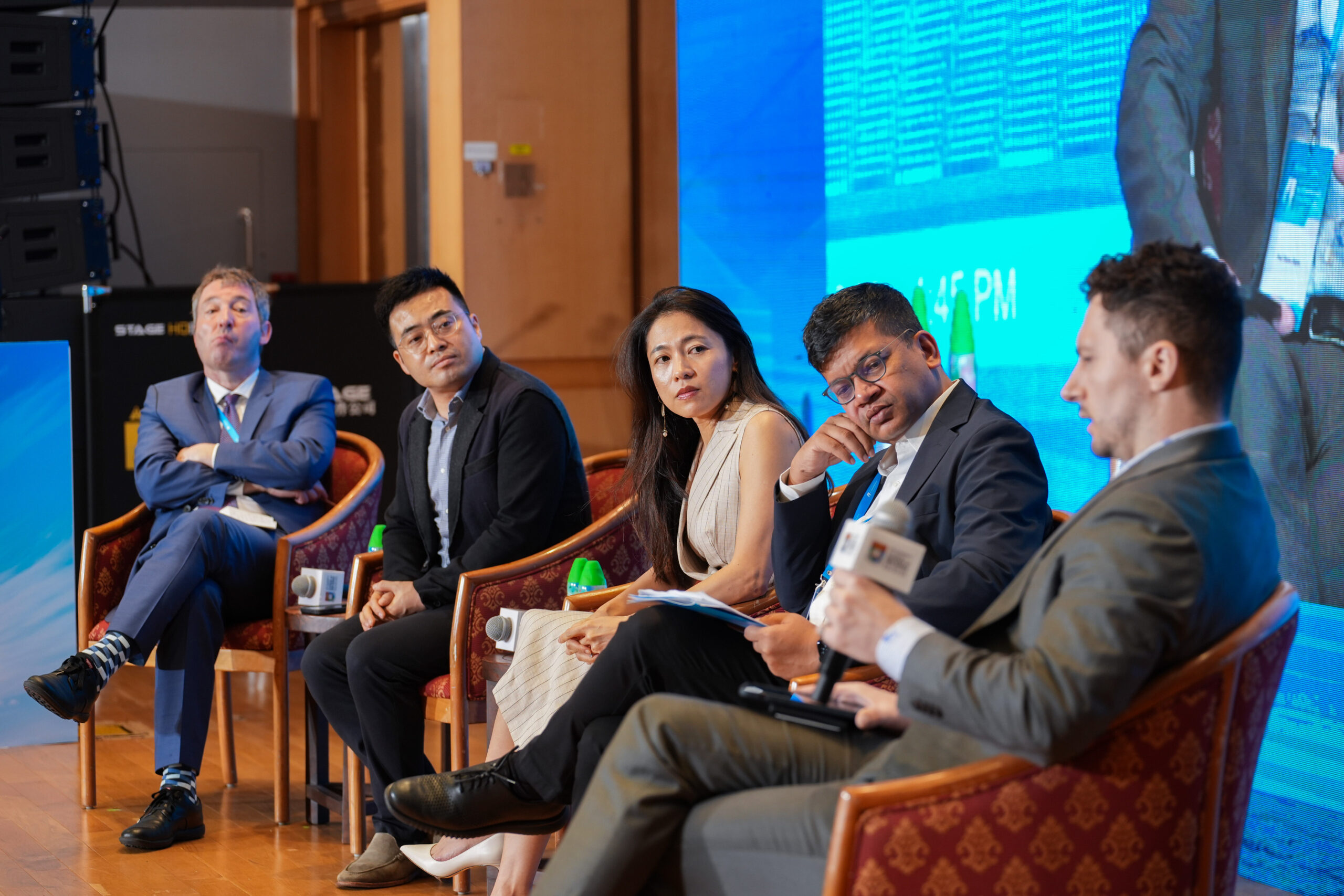
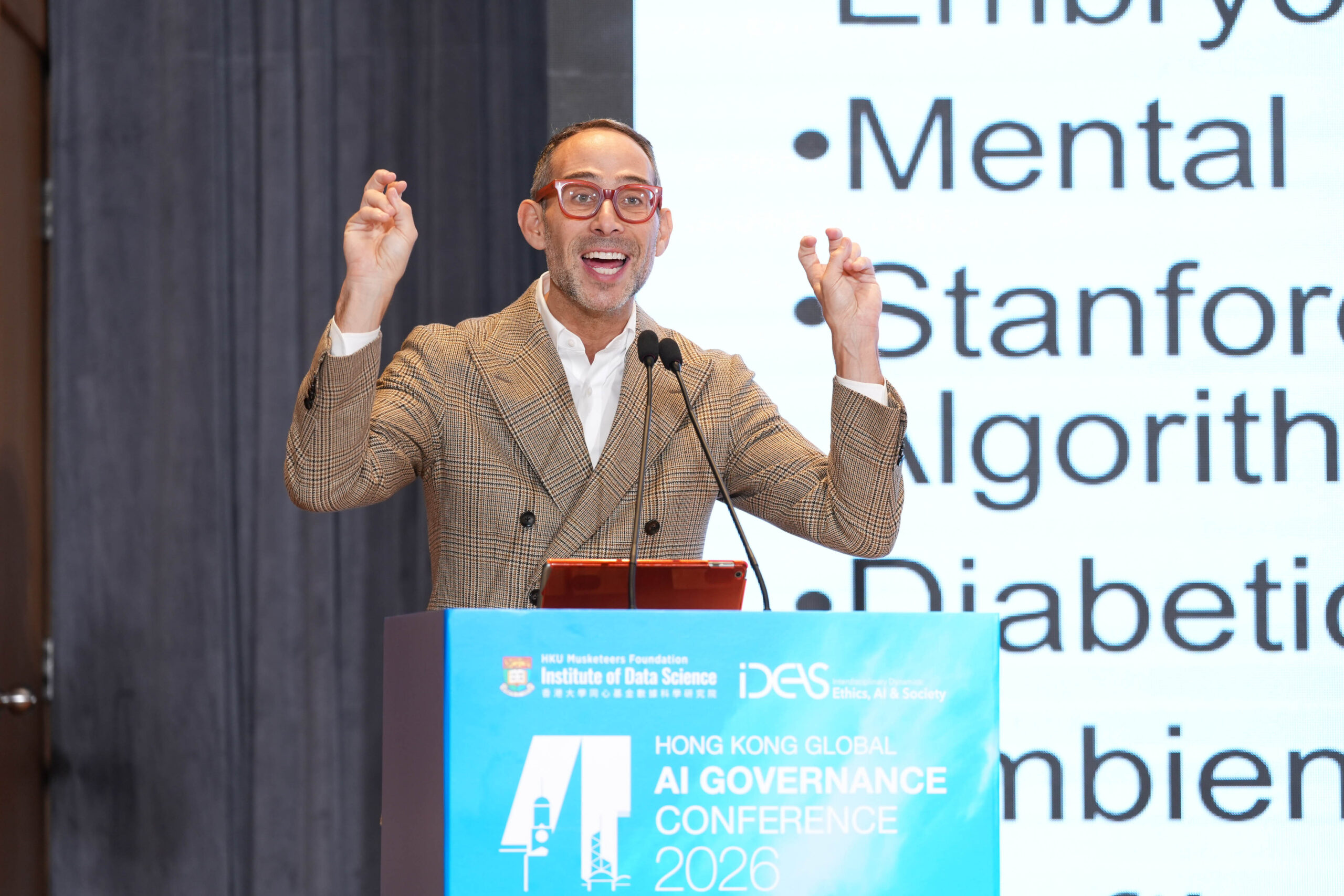
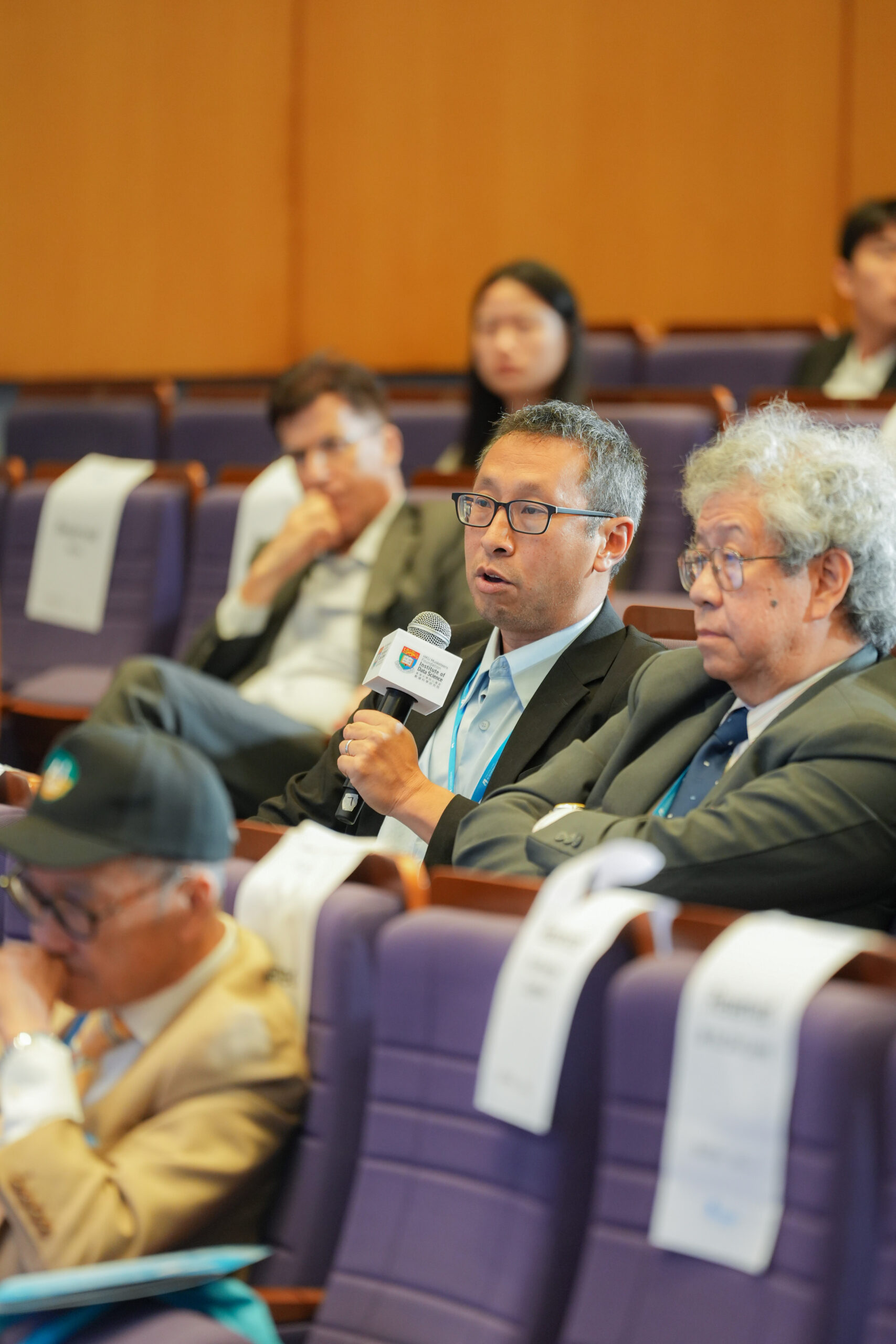
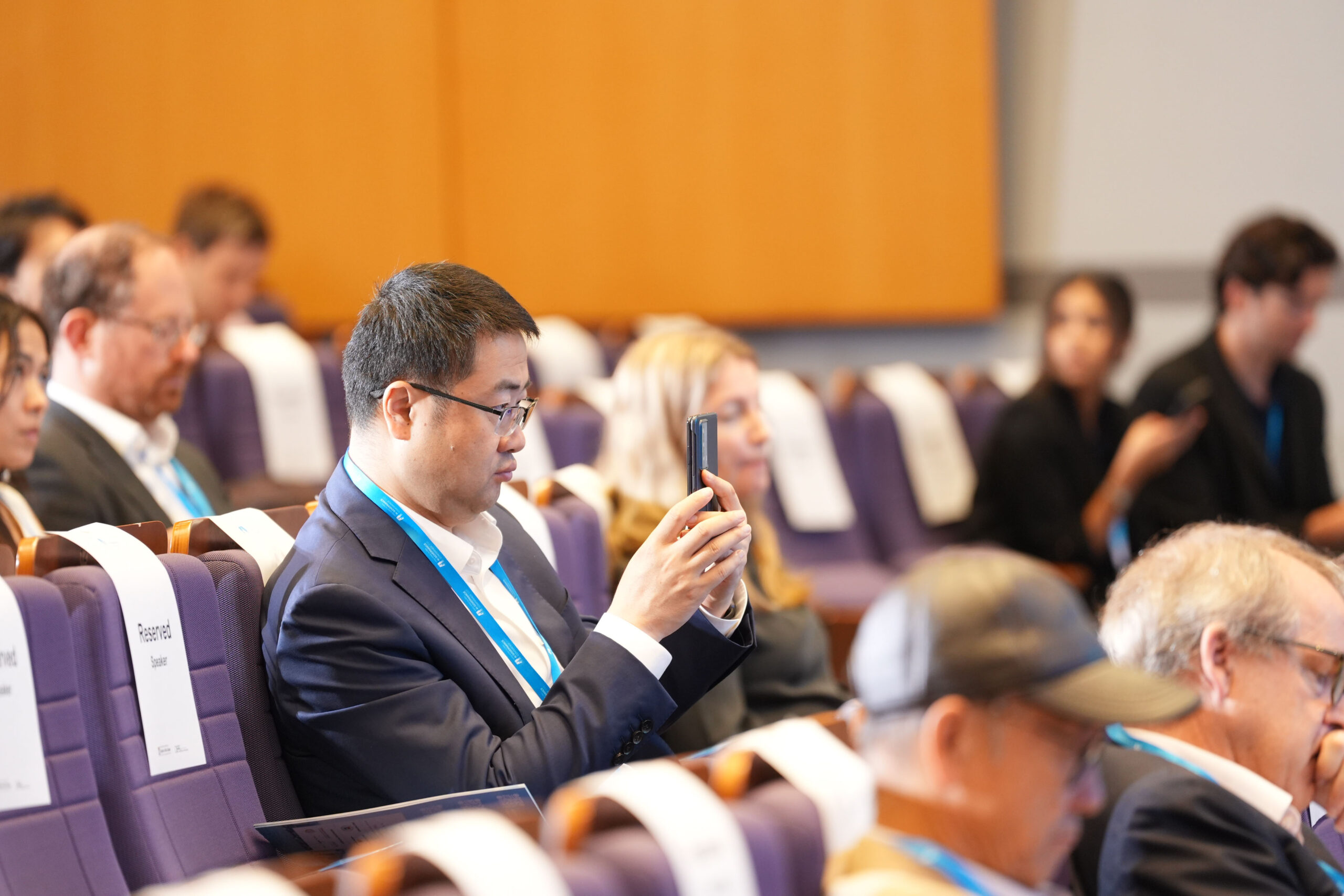
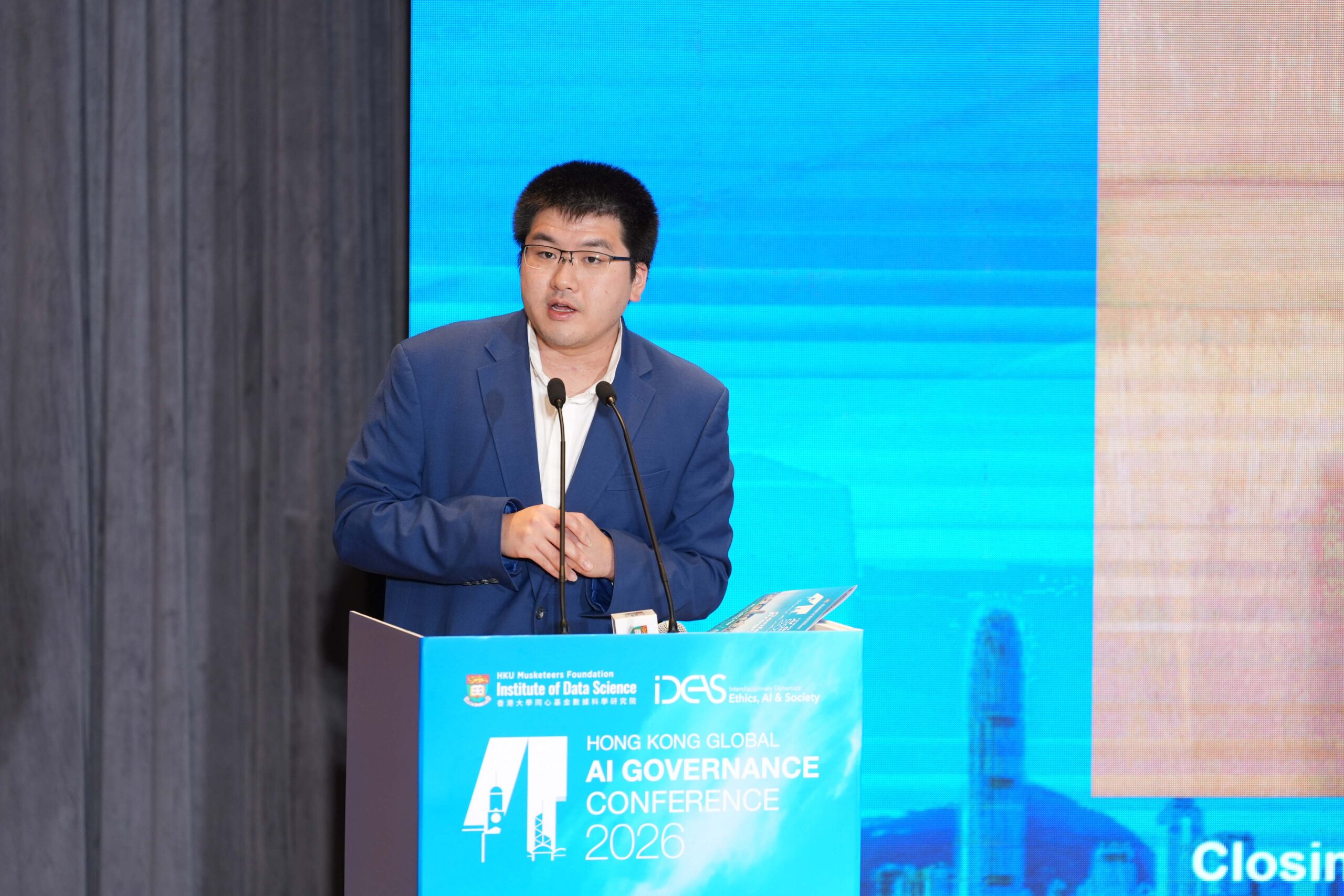
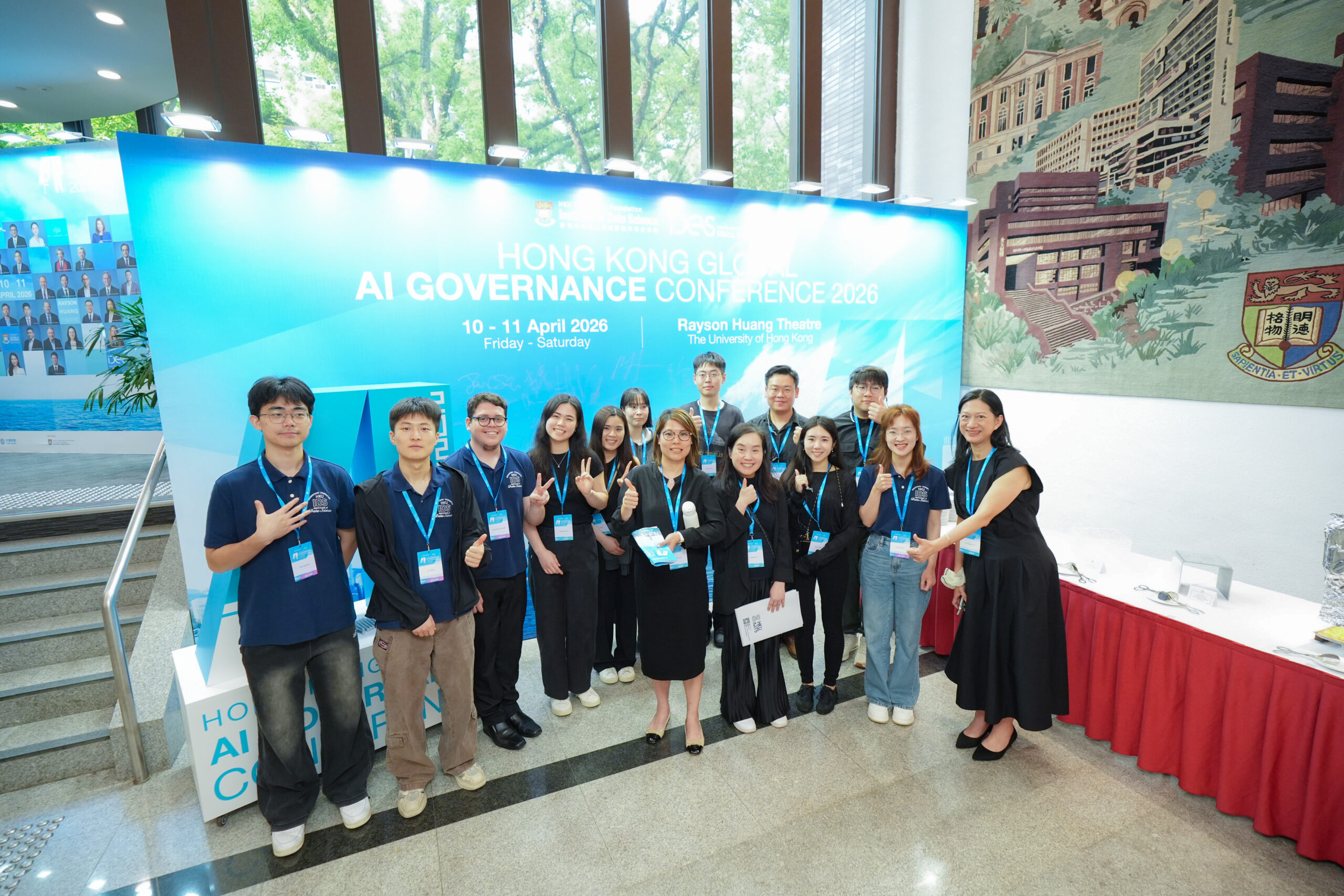
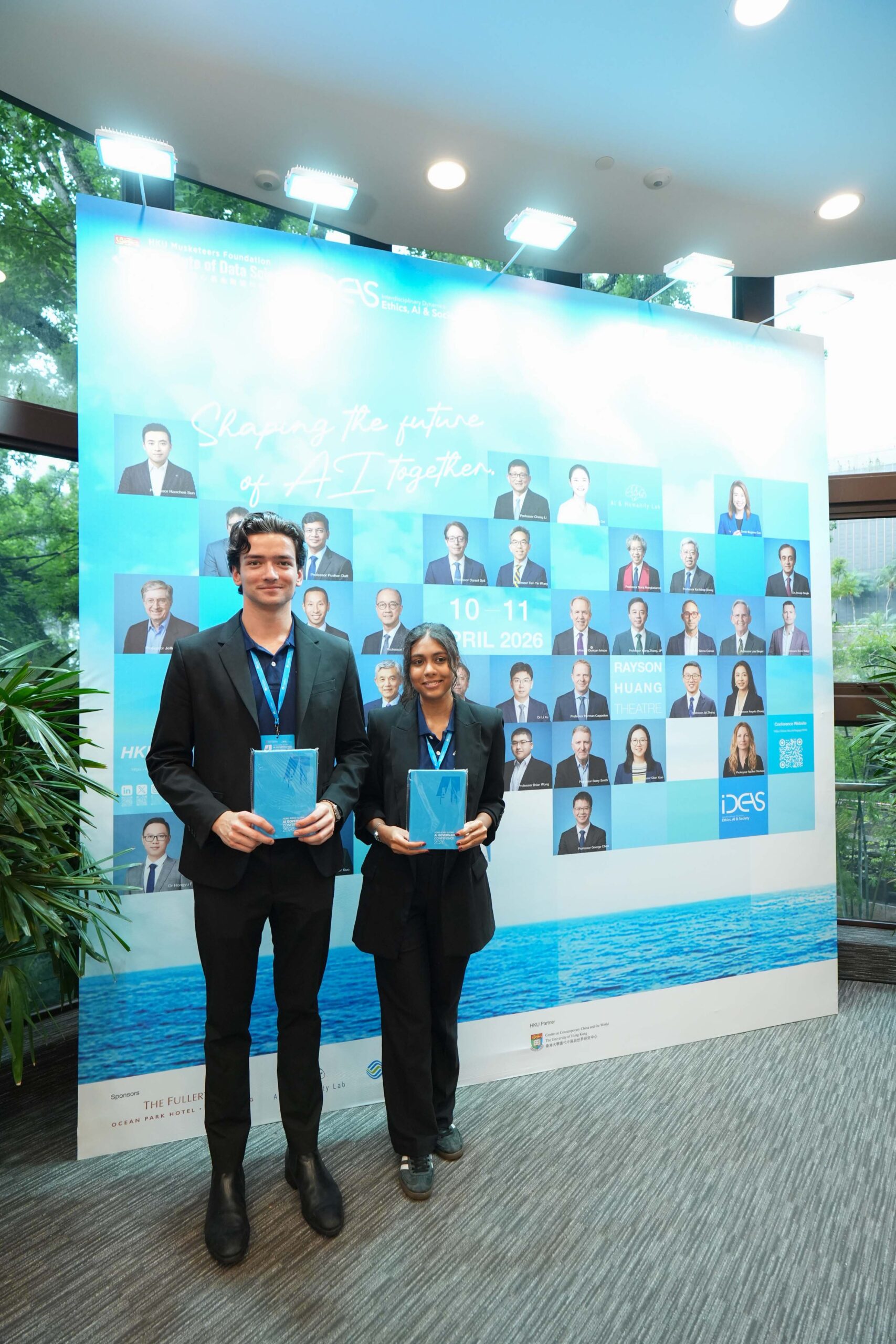
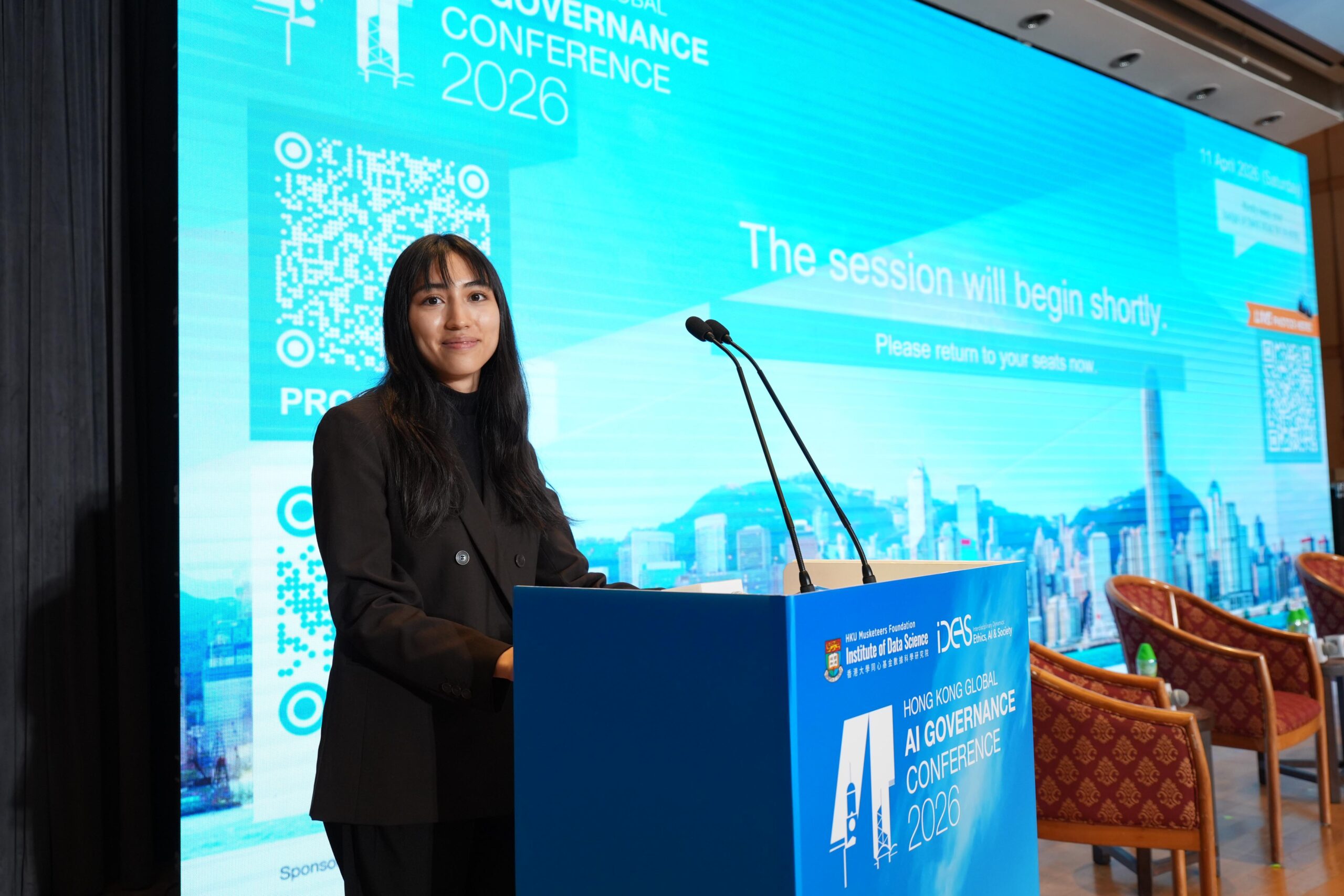
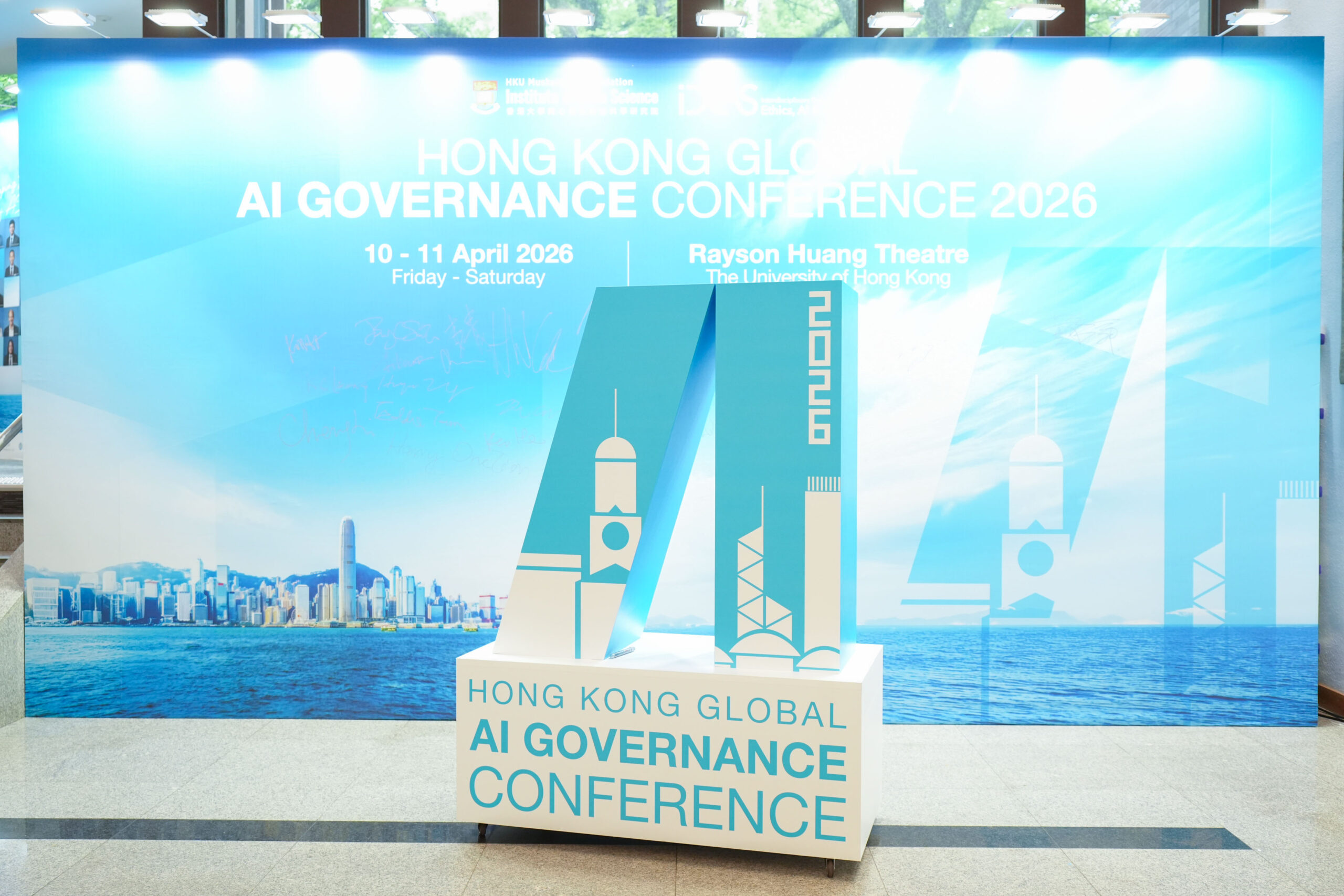
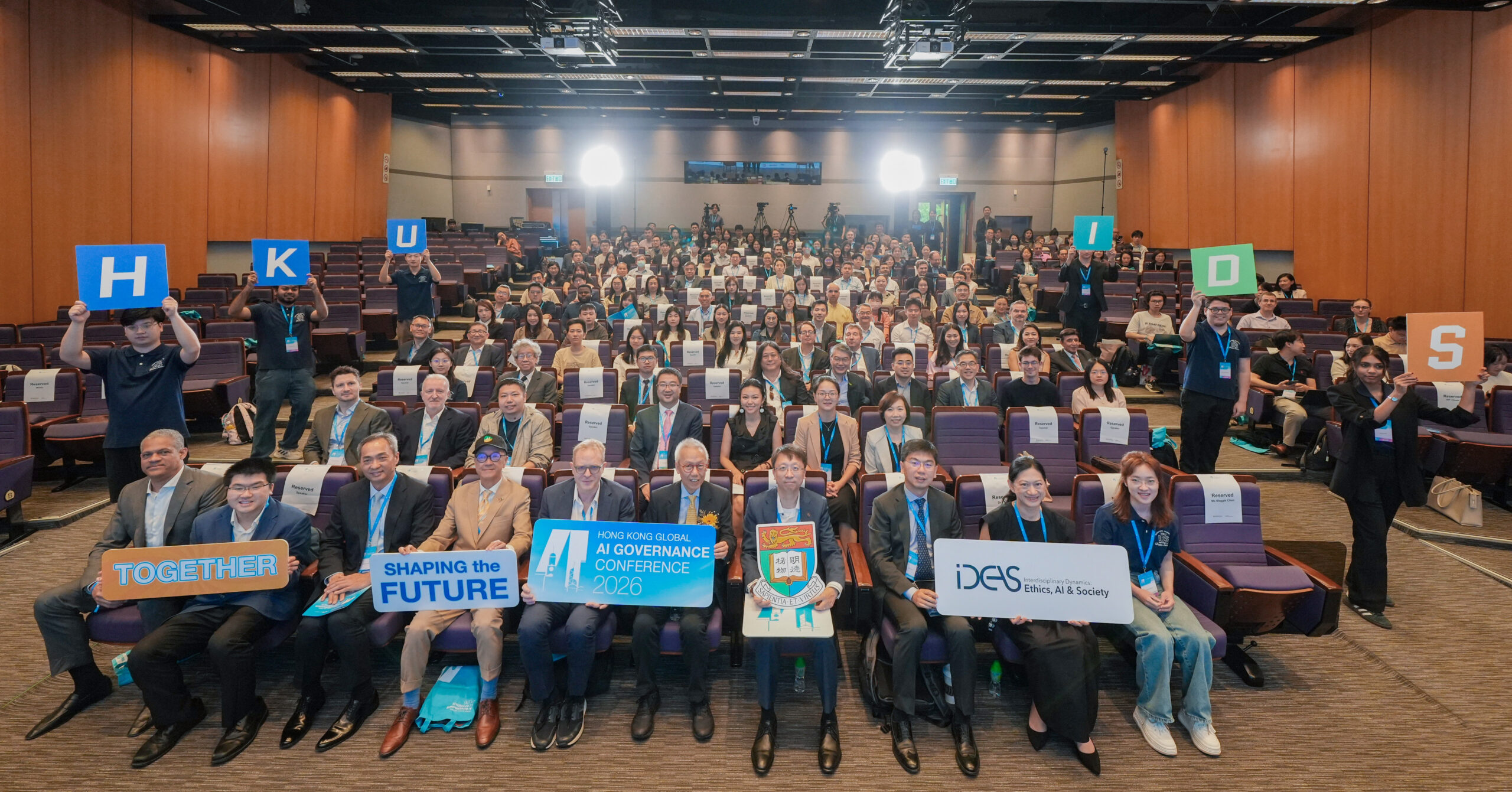
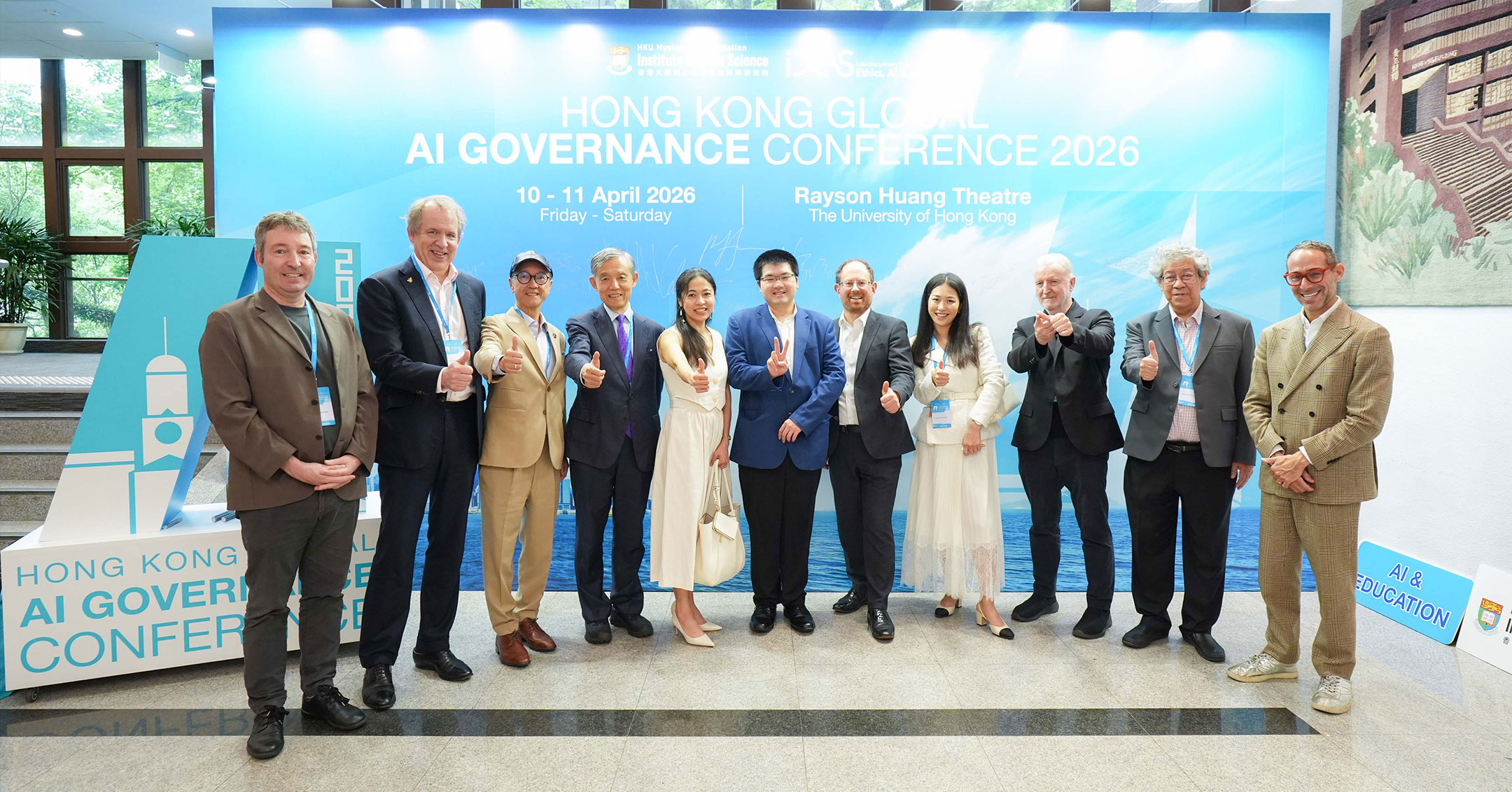
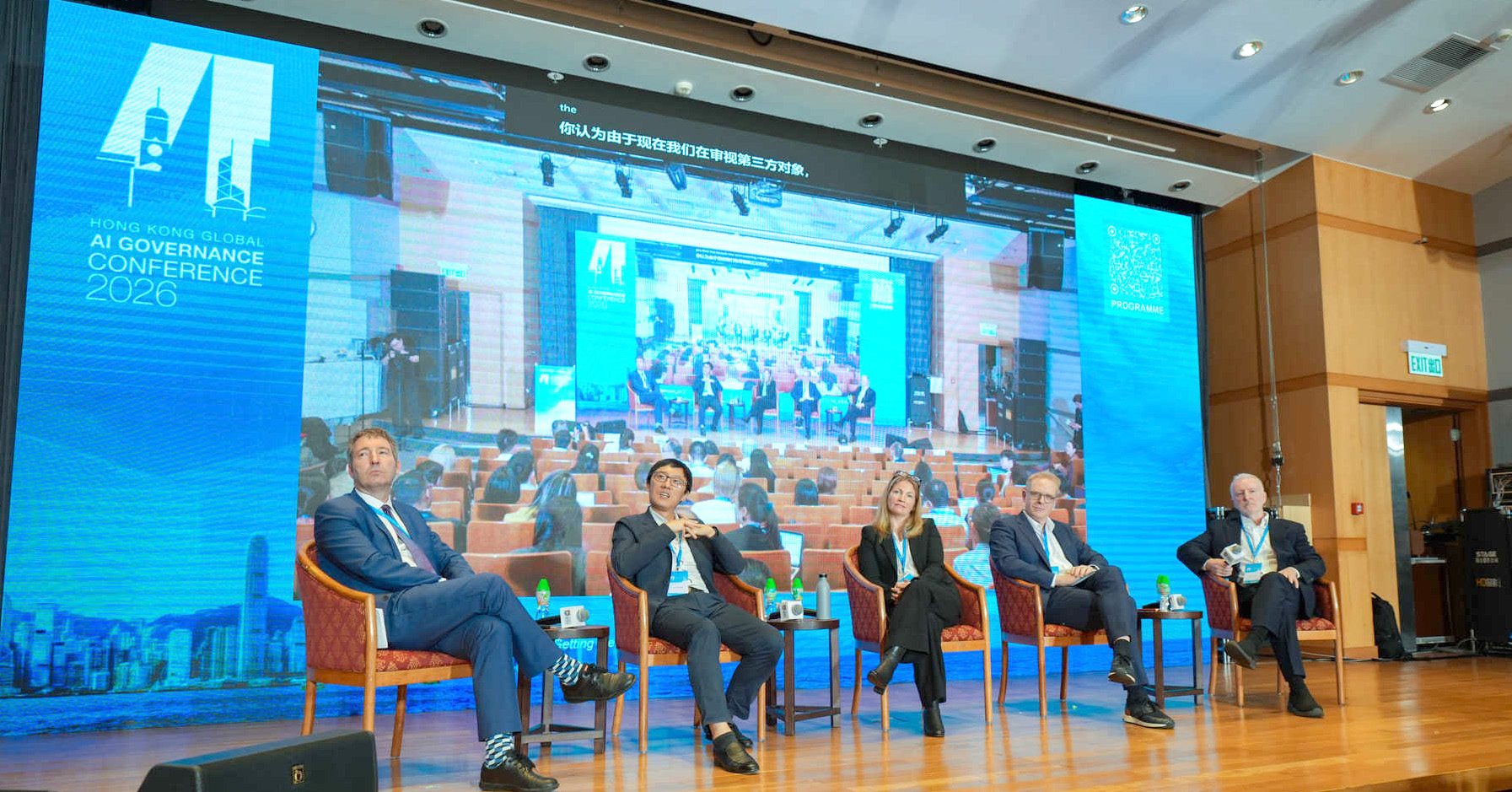
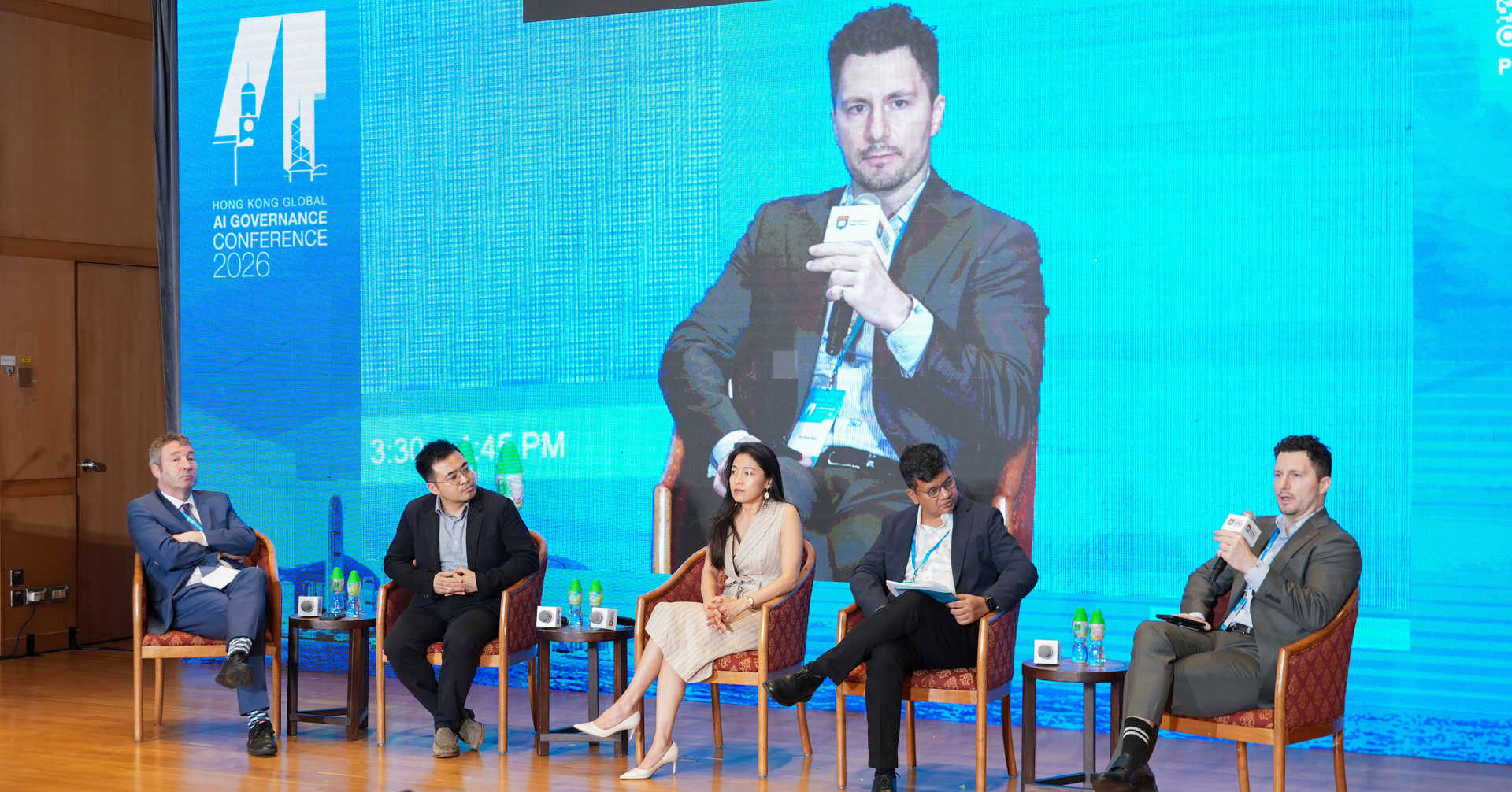
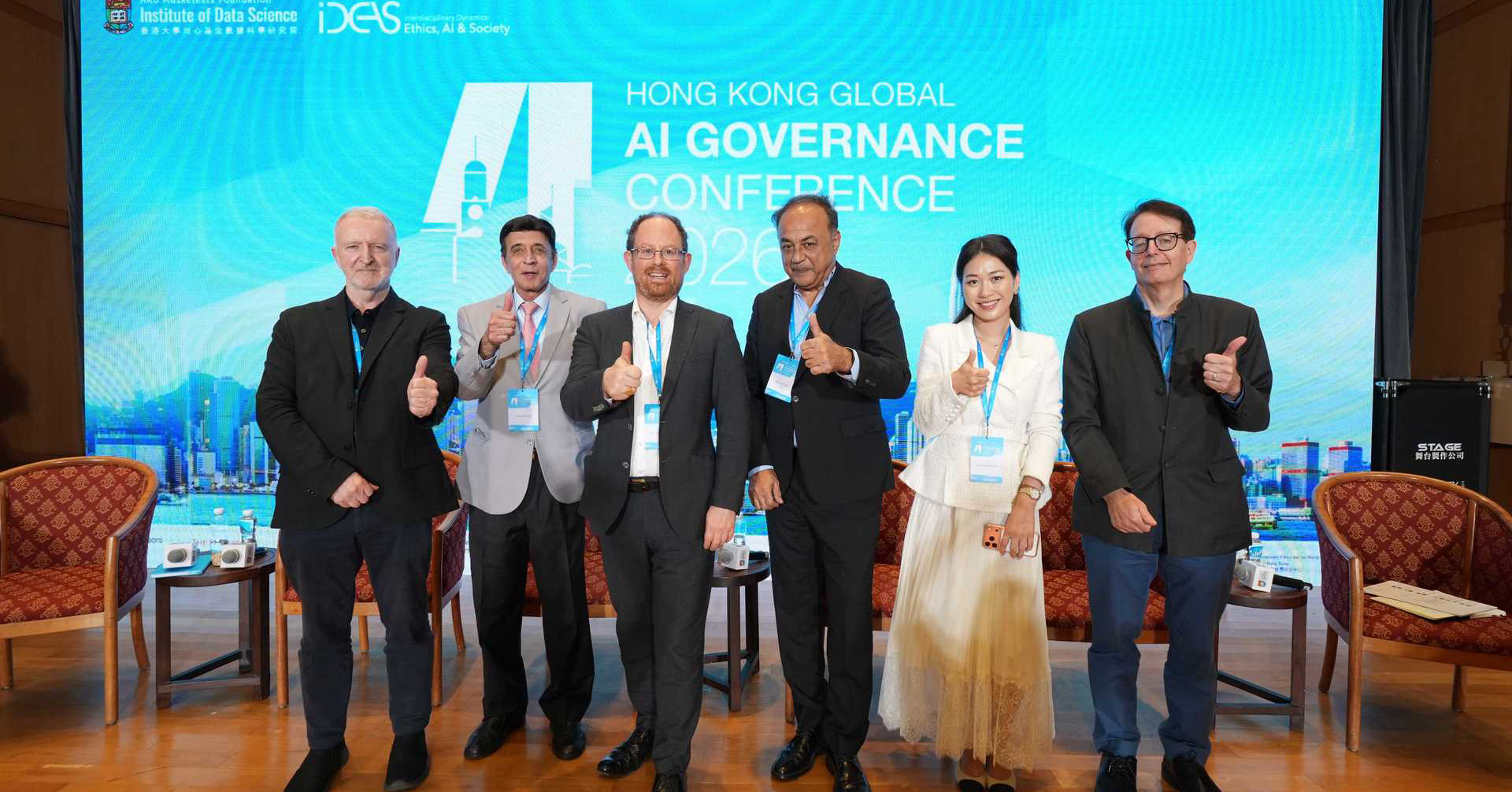
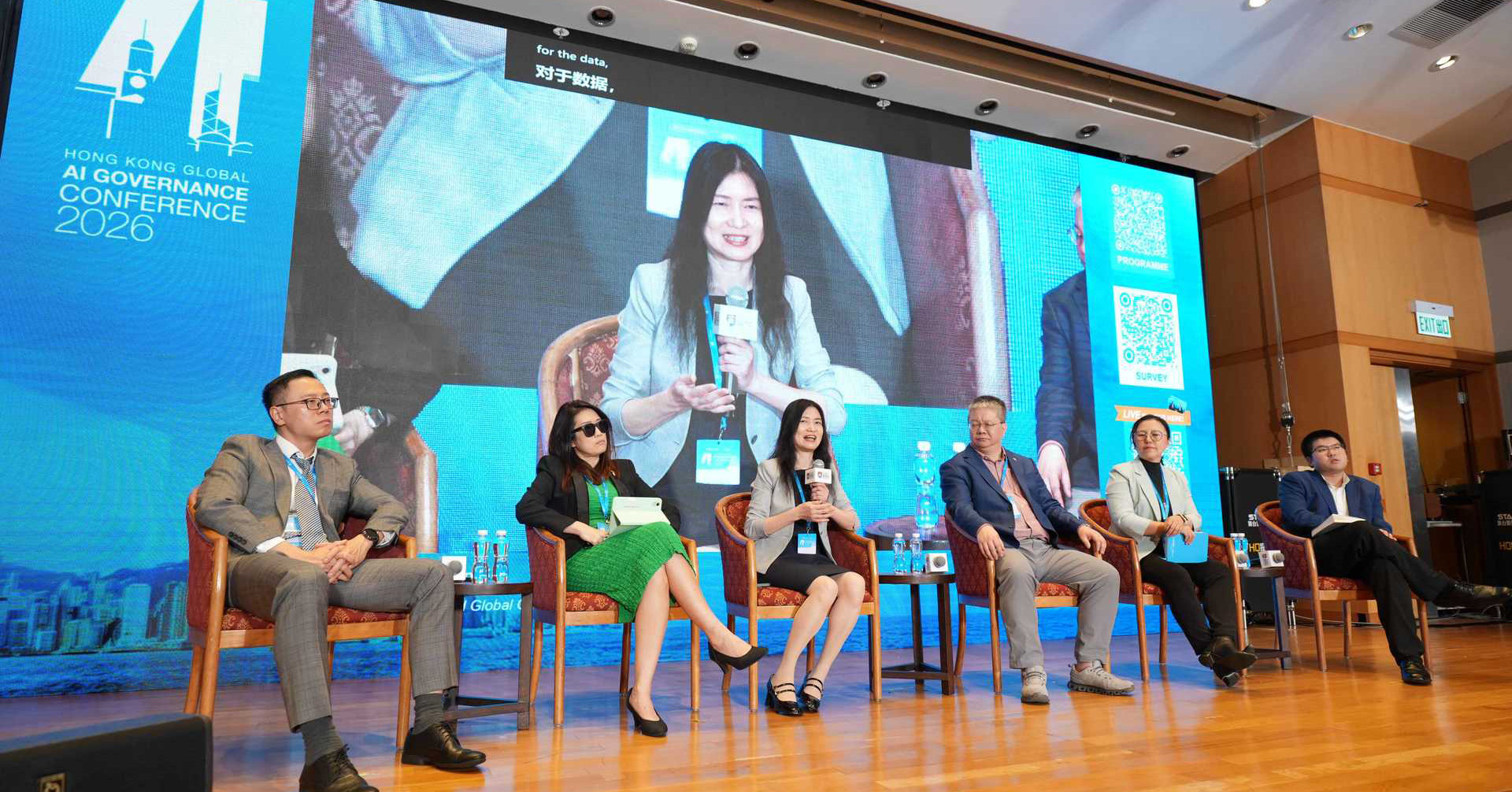
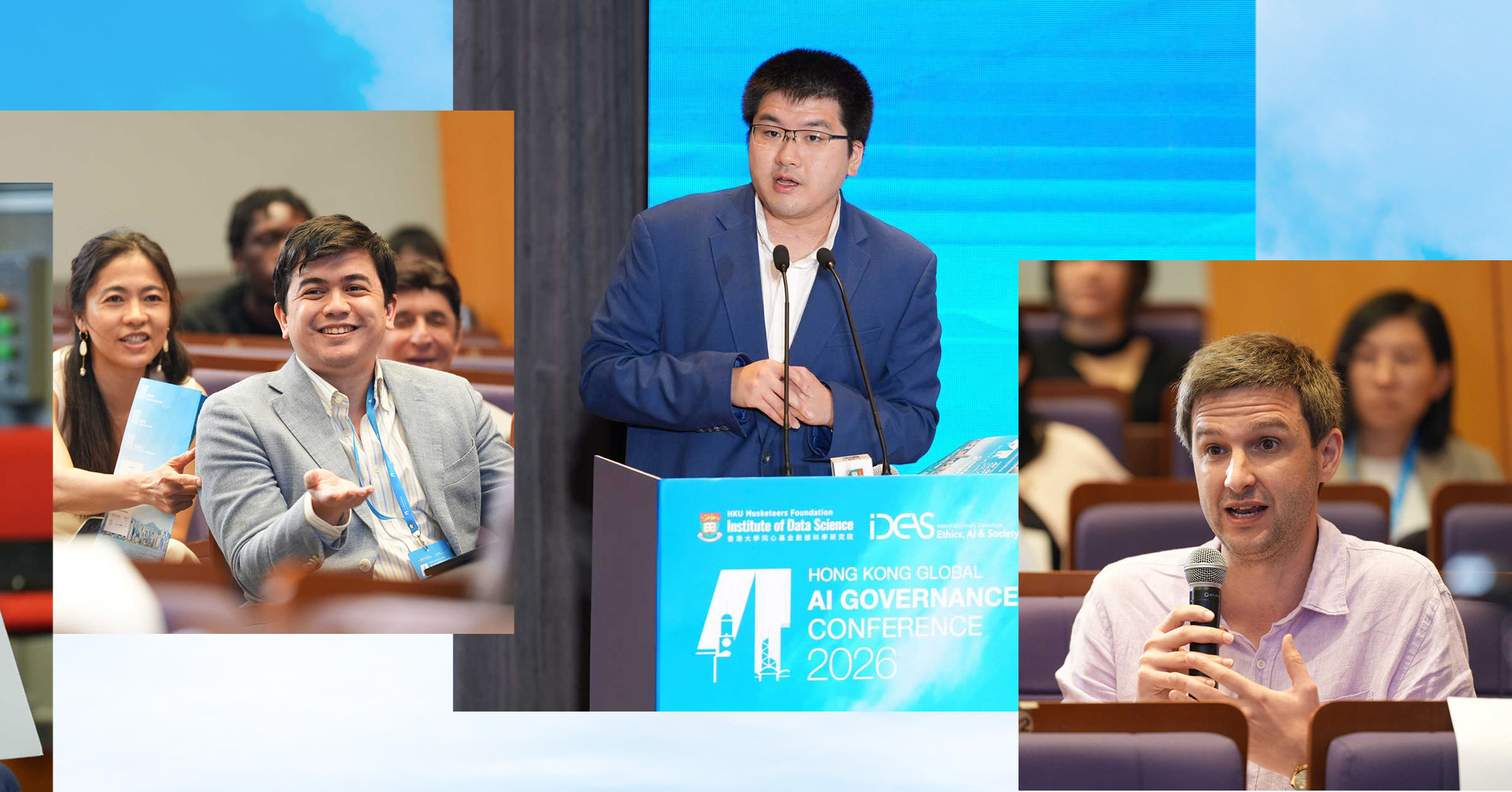
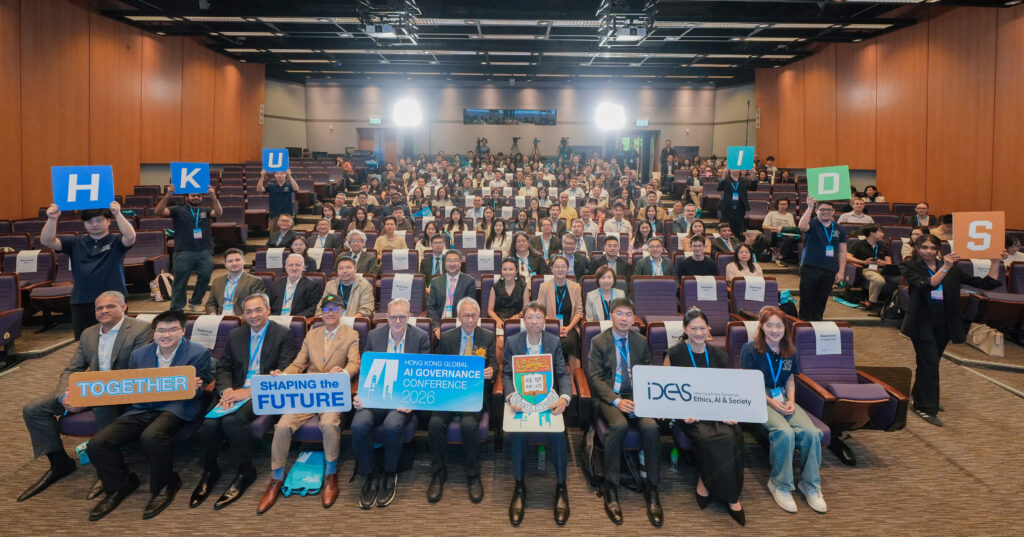
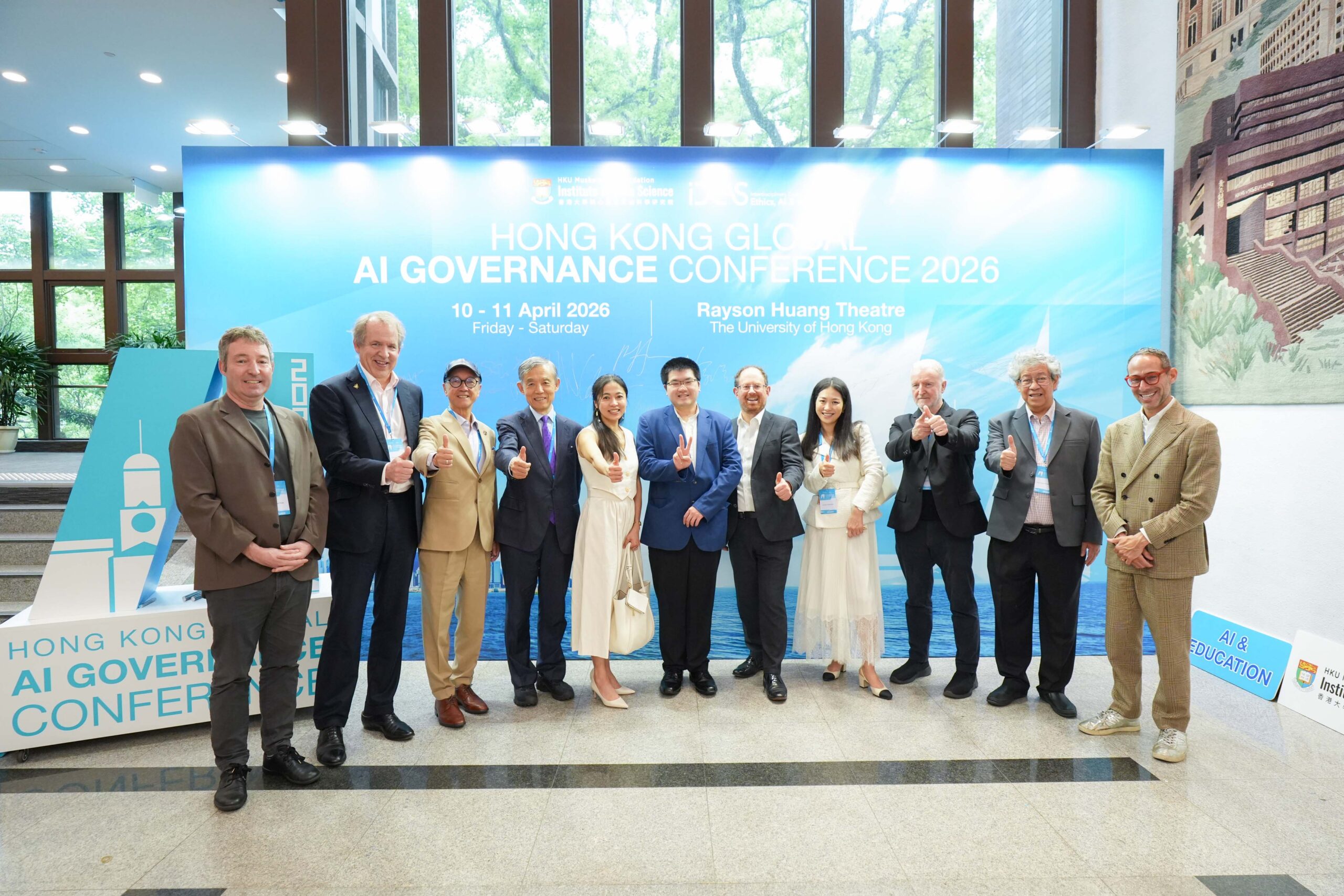
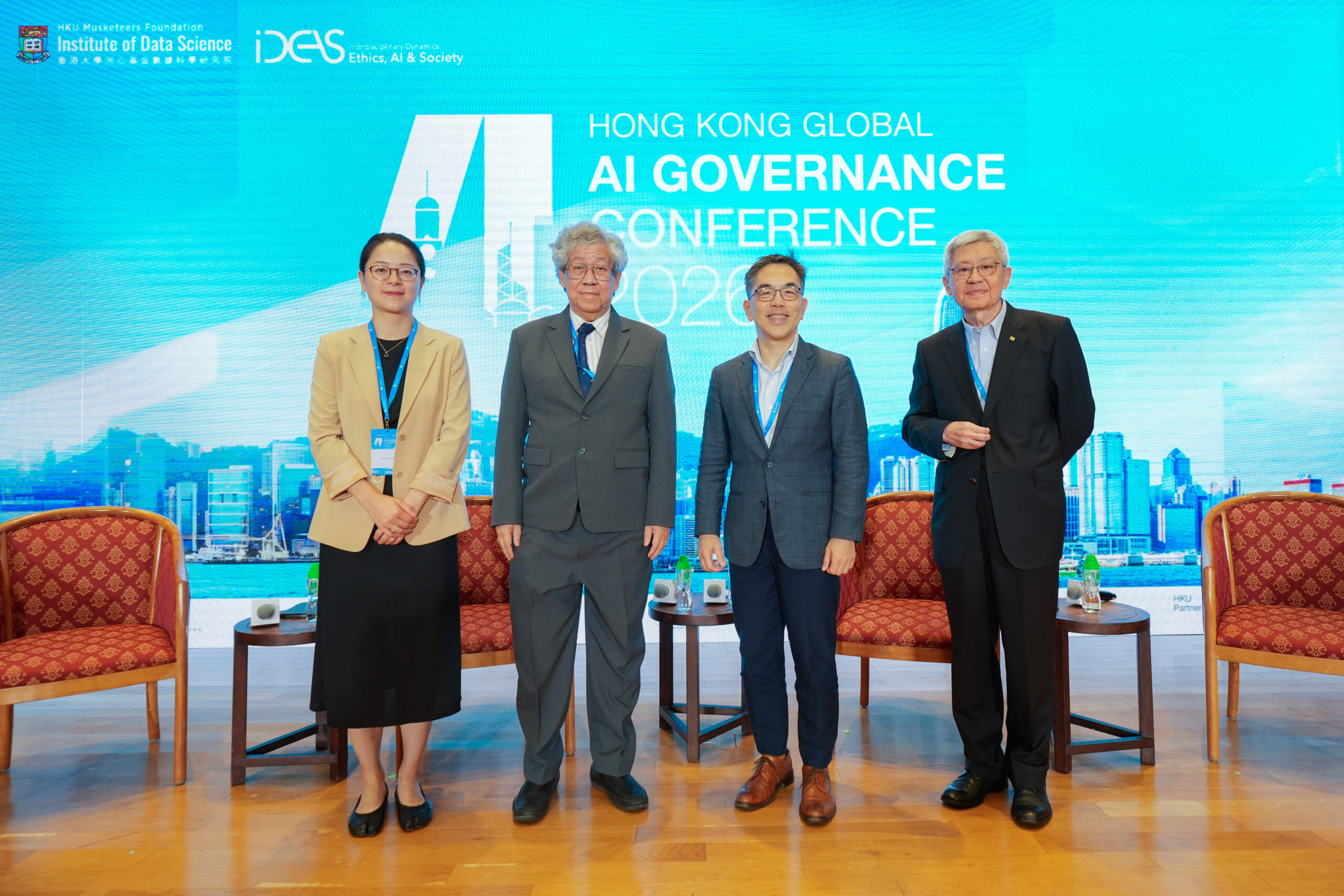
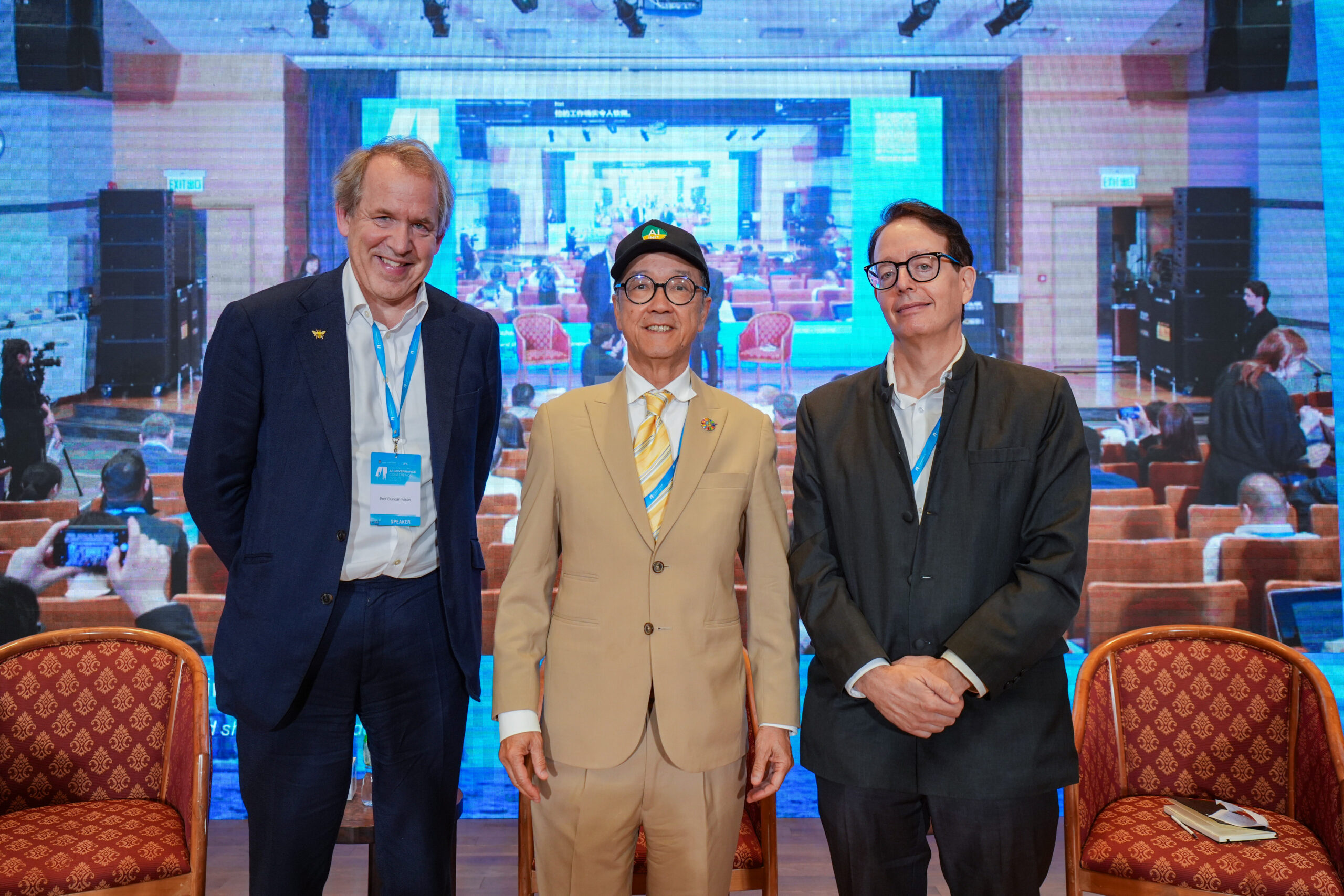
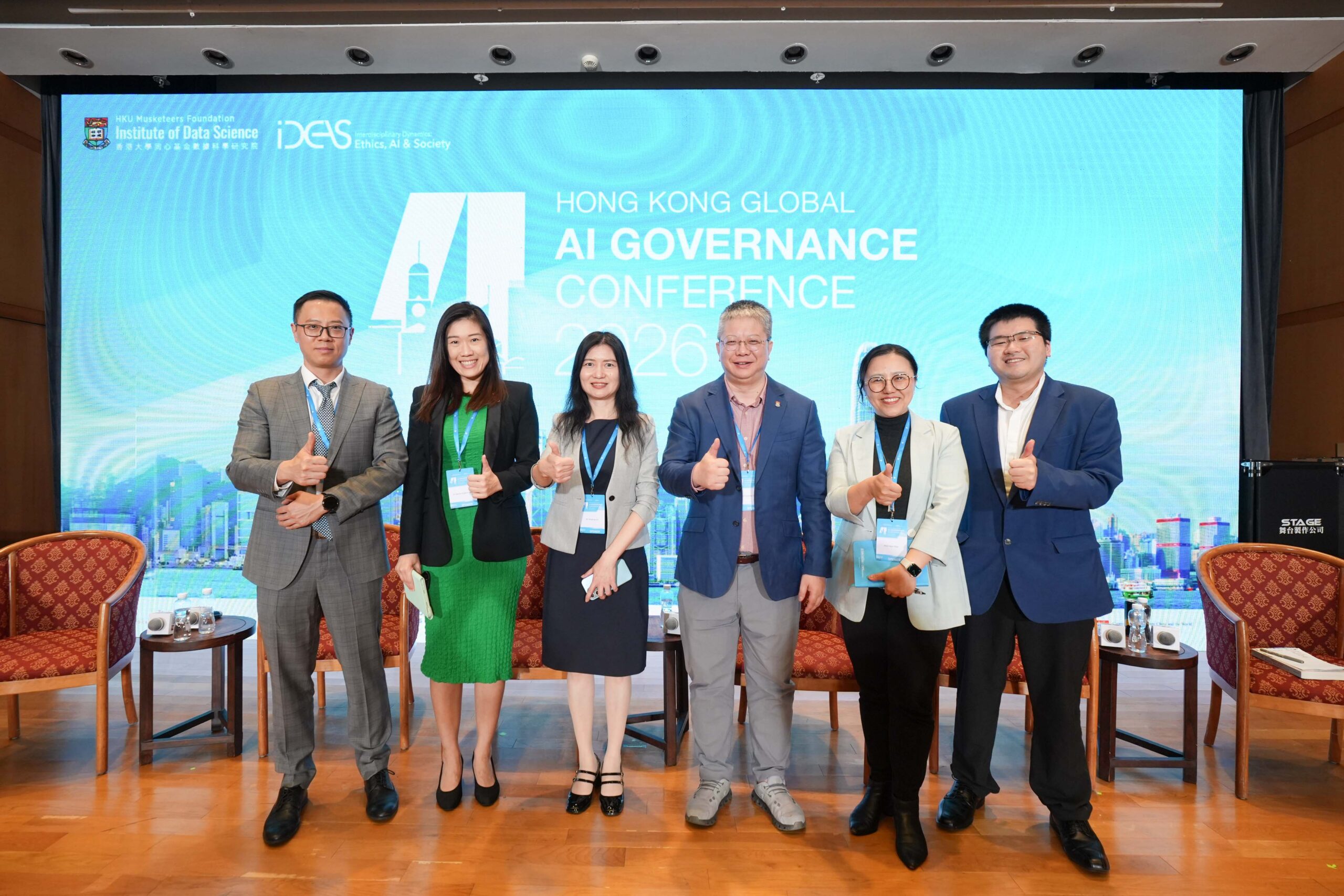
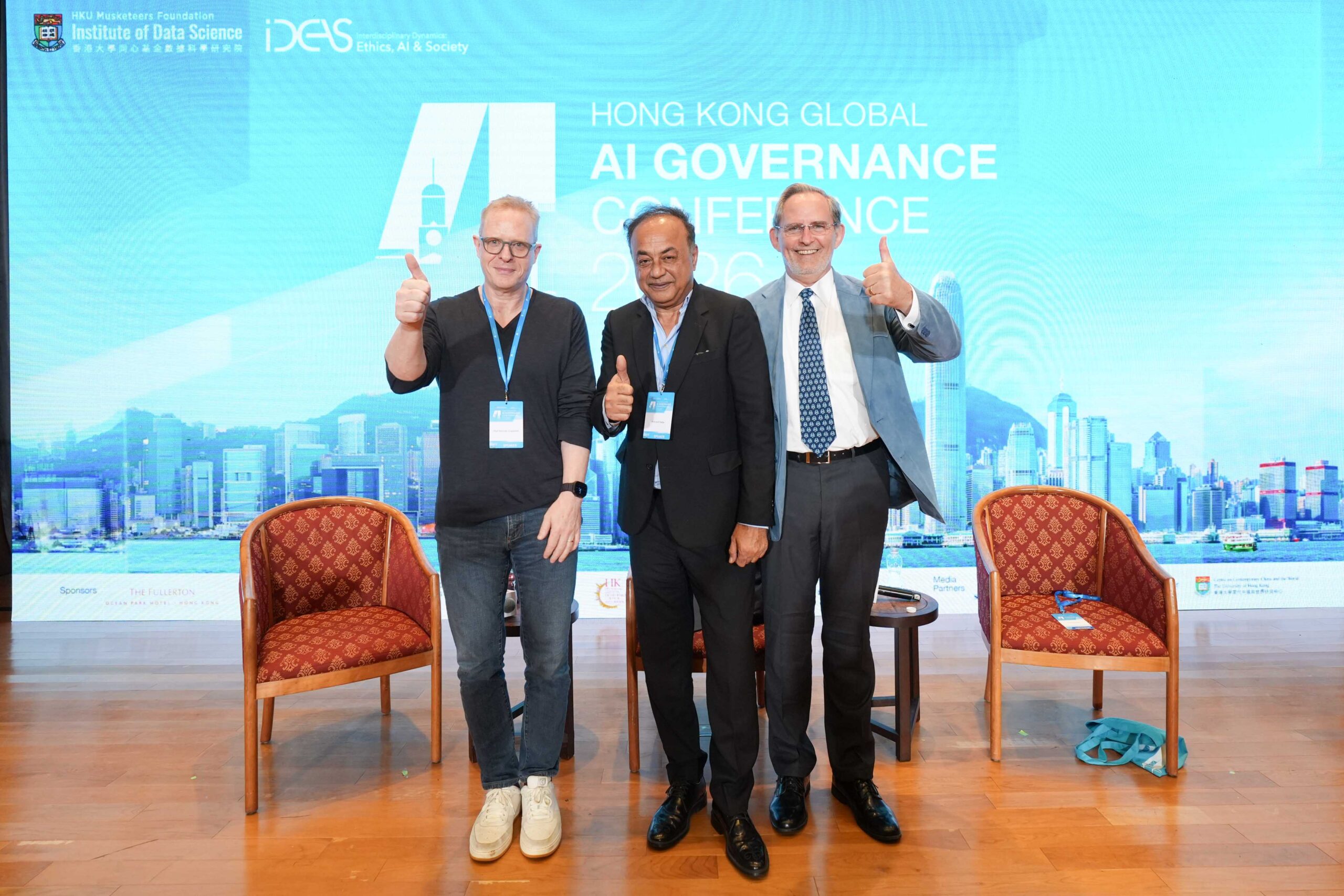
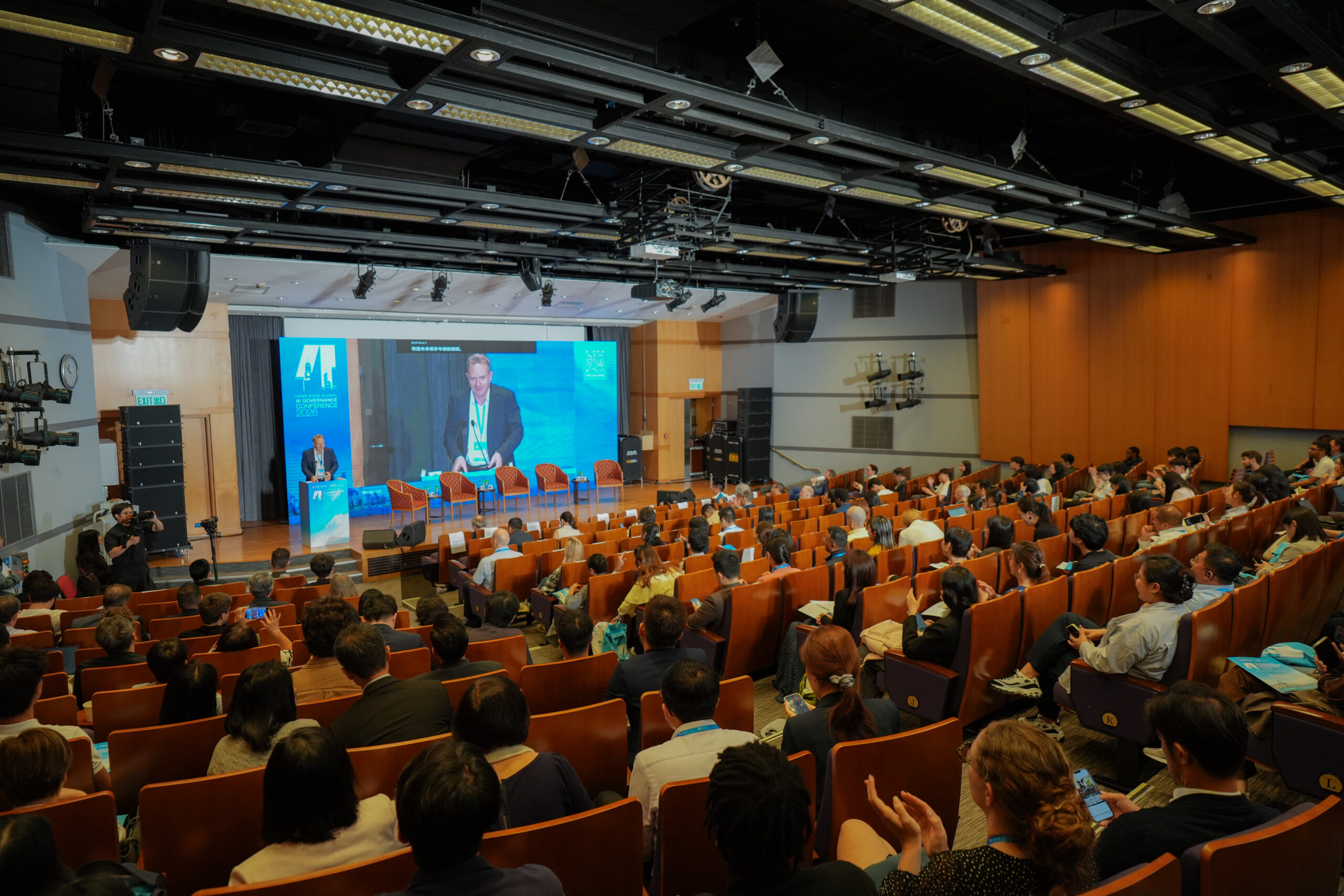
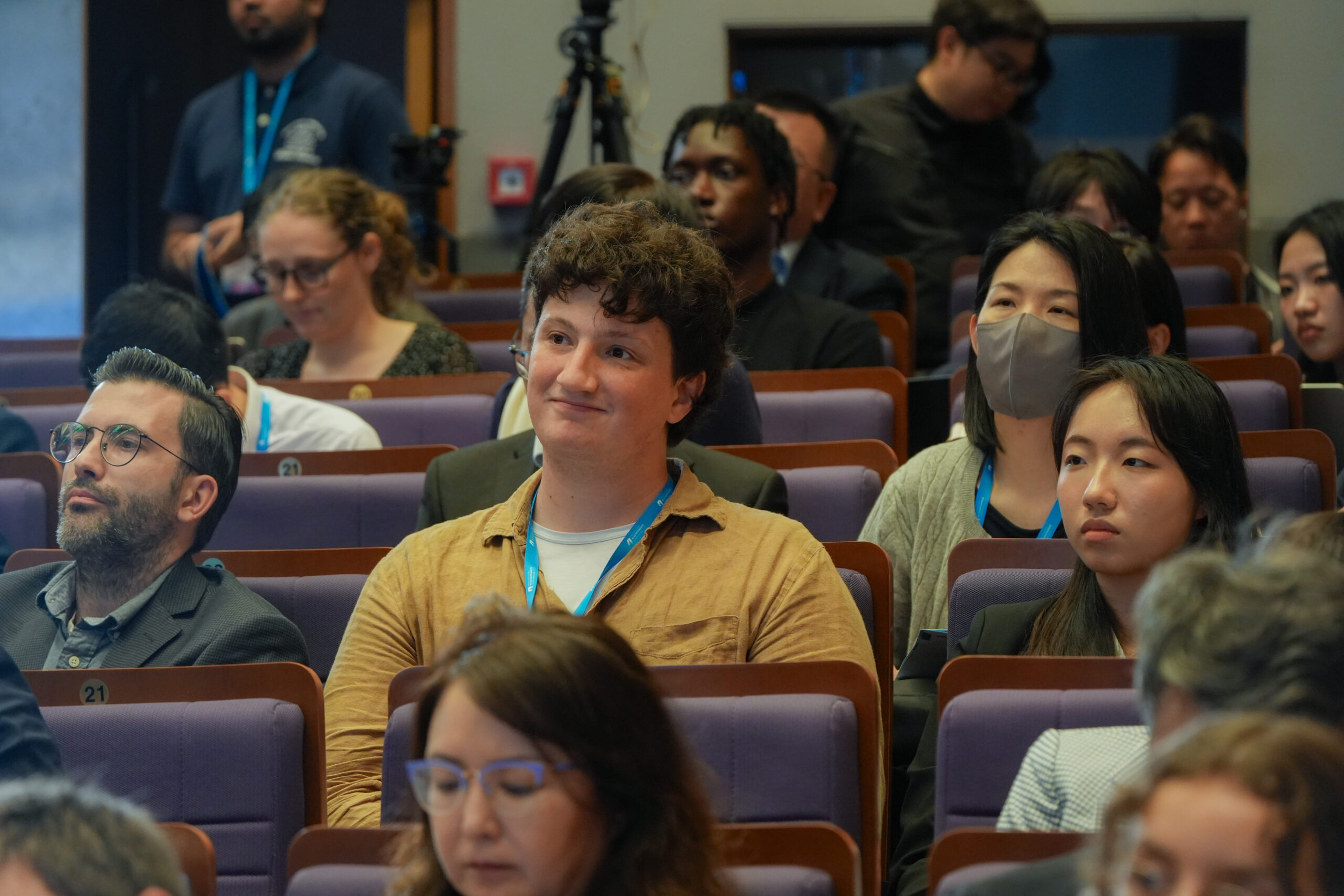
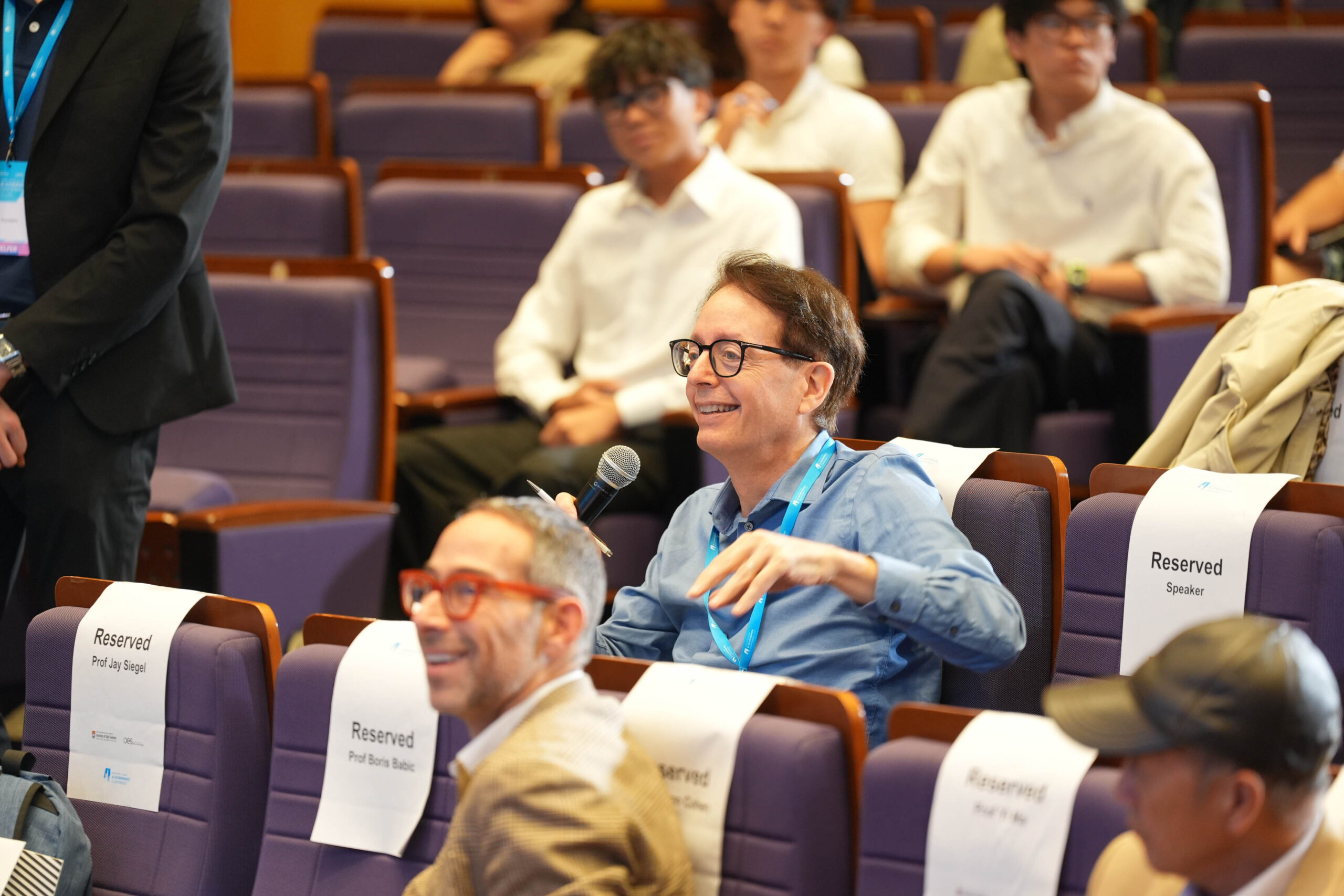
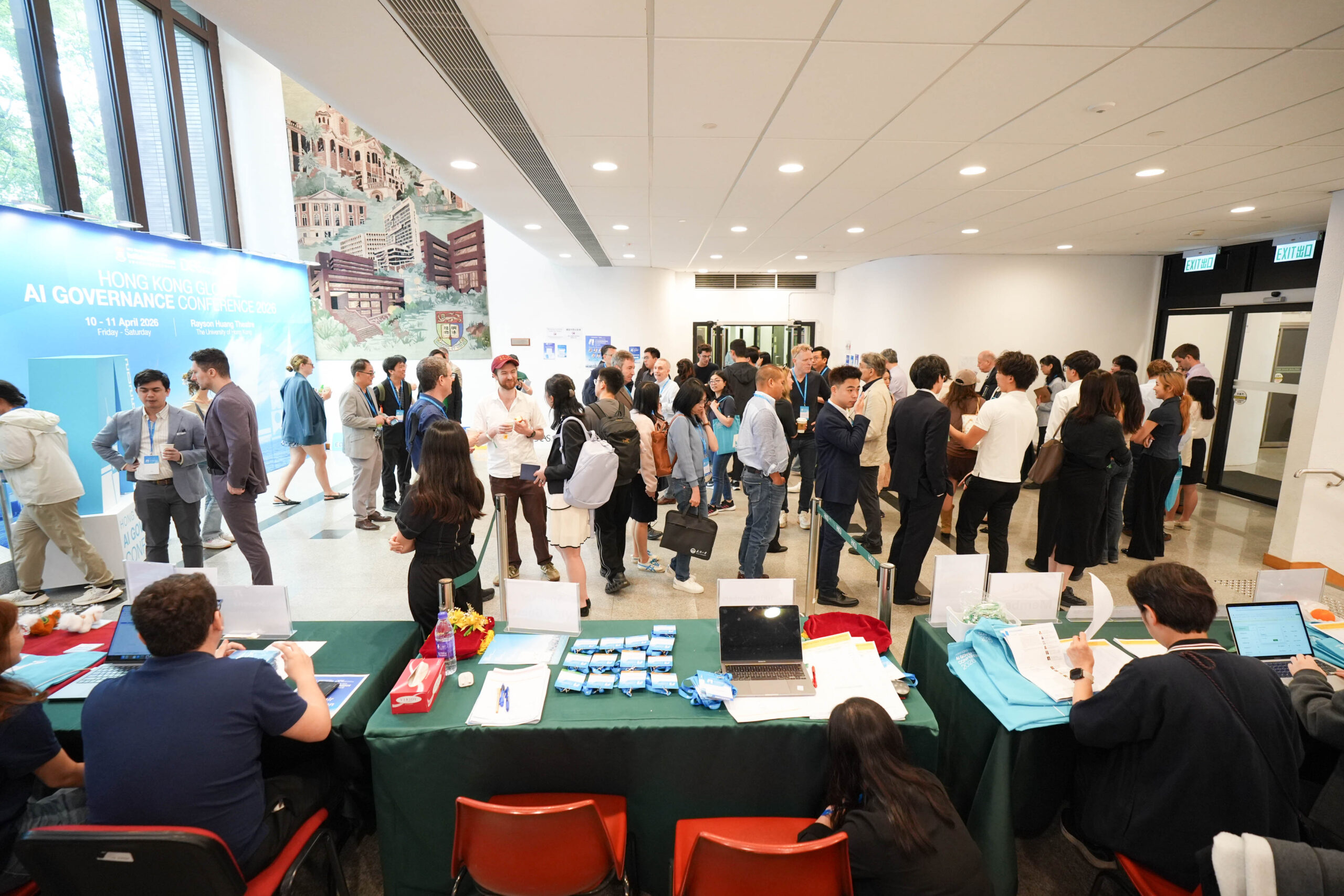
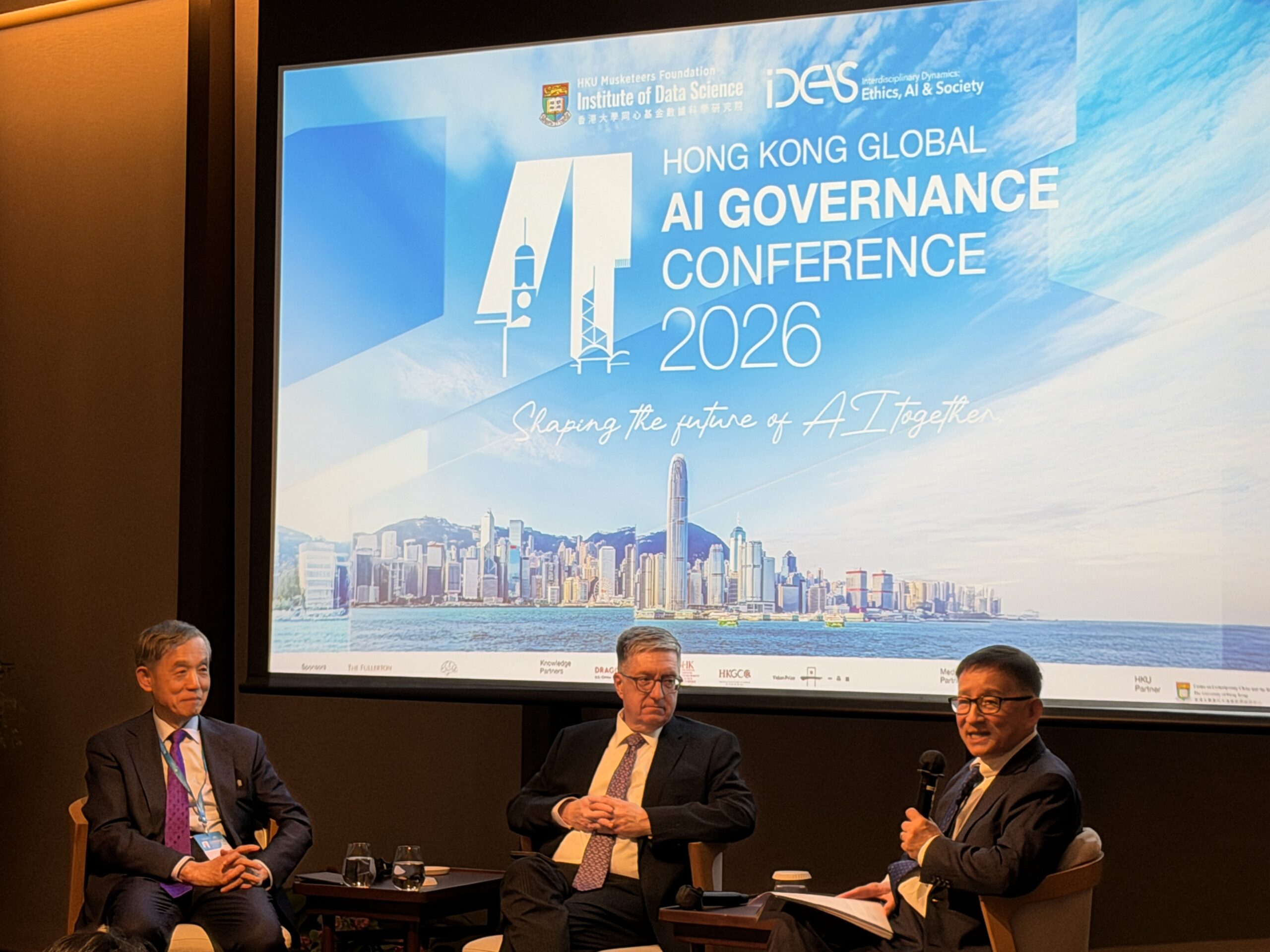
The Hong Kong Global AI Governance Conference 2026 (the Conference), held at the University of Hong Kong on 10–11 April 2026, brought together over 400 participants and 38 speakers from academia, policy, and industry to examine how governance frameworks can respond to rapidly evolving AI systems.

Convened by IDEAS under the HKU Musketeers Foundation Institute of Data Science, the Conference positioned Hong Kong as a platform for cross-regional and interdisciplinary dialogue. Discussions moved beyond simplified geopolitical narratives, focusing instead on the institutional, societal, and technological conditions shaping AI governance in practice.

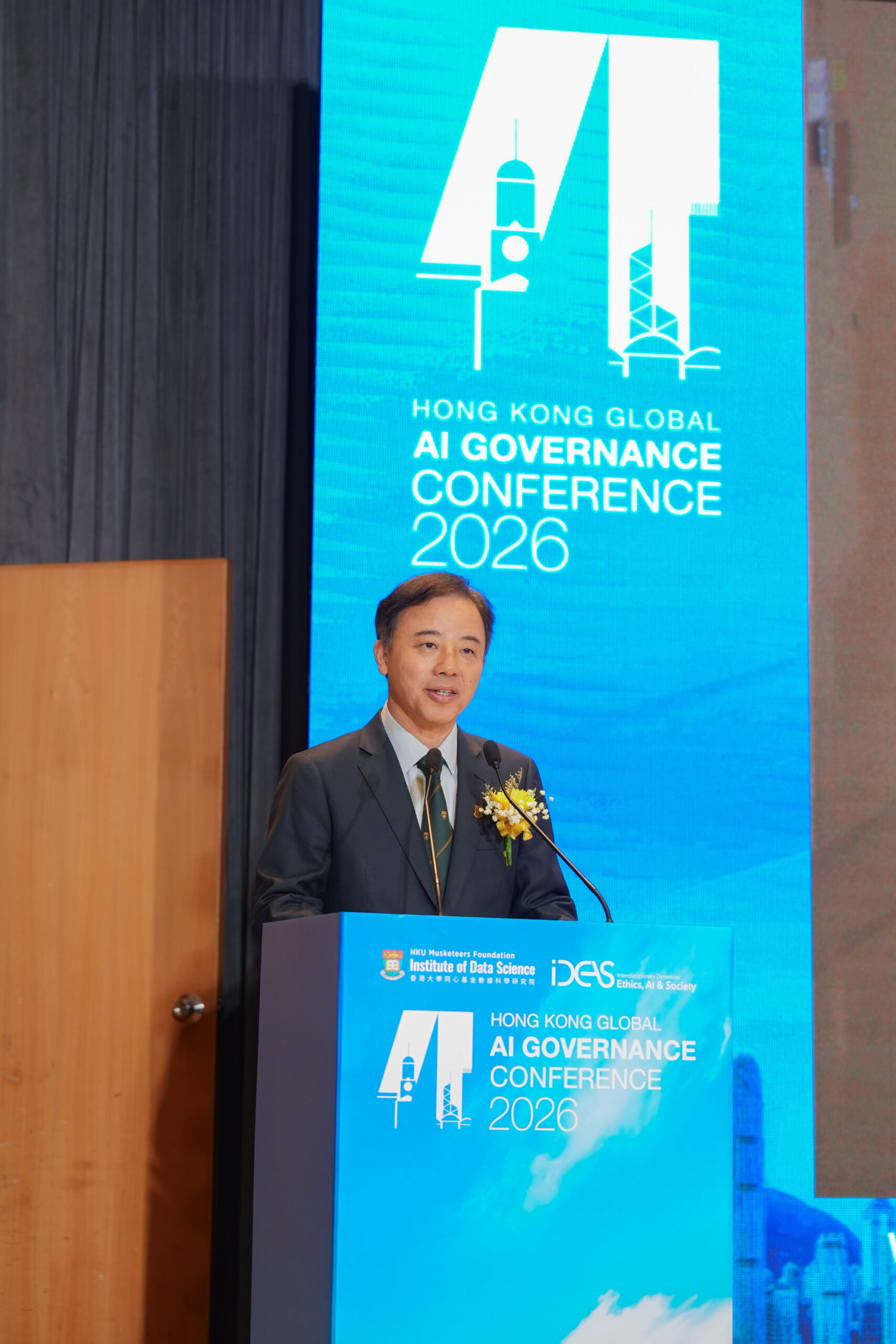
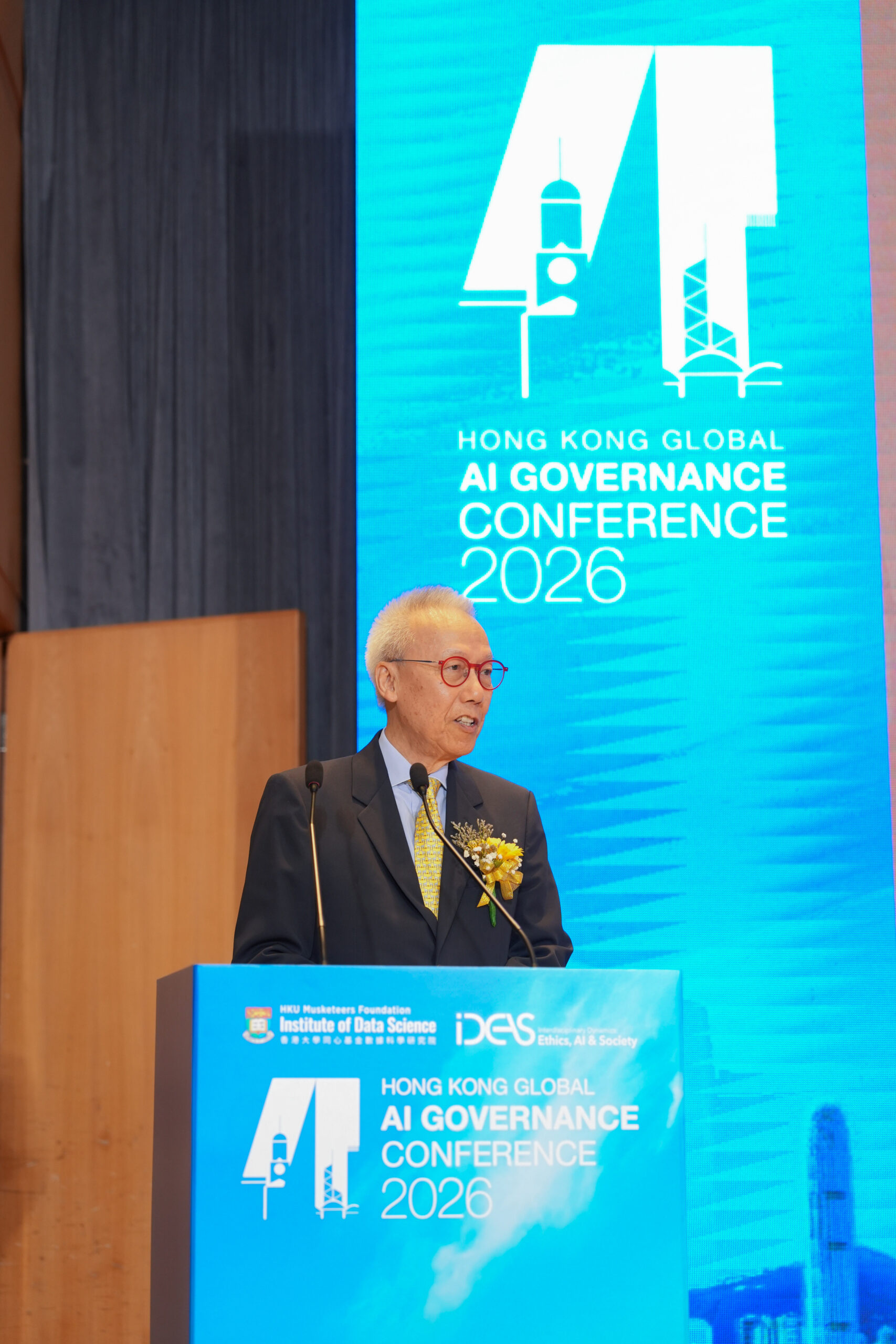
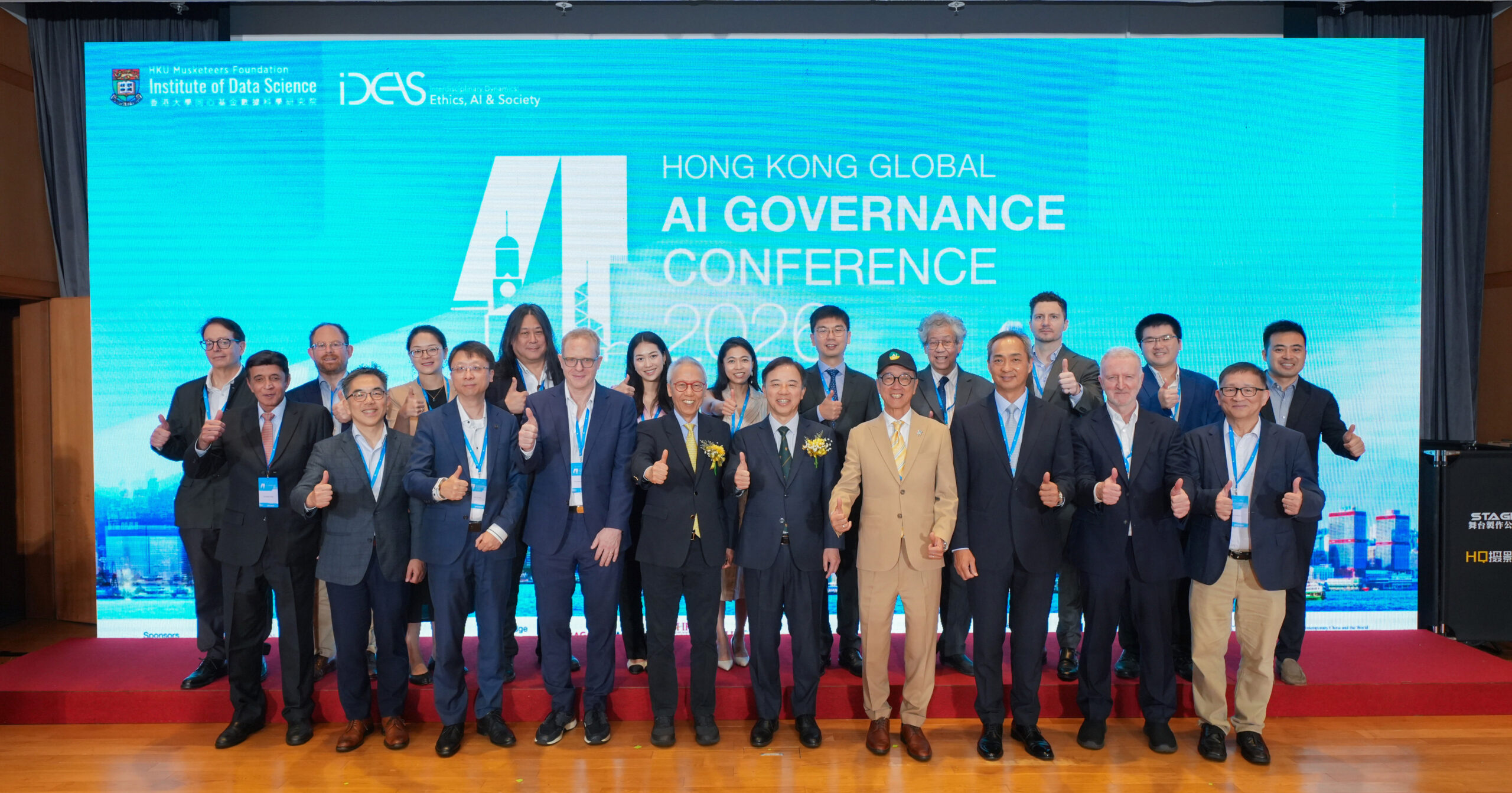
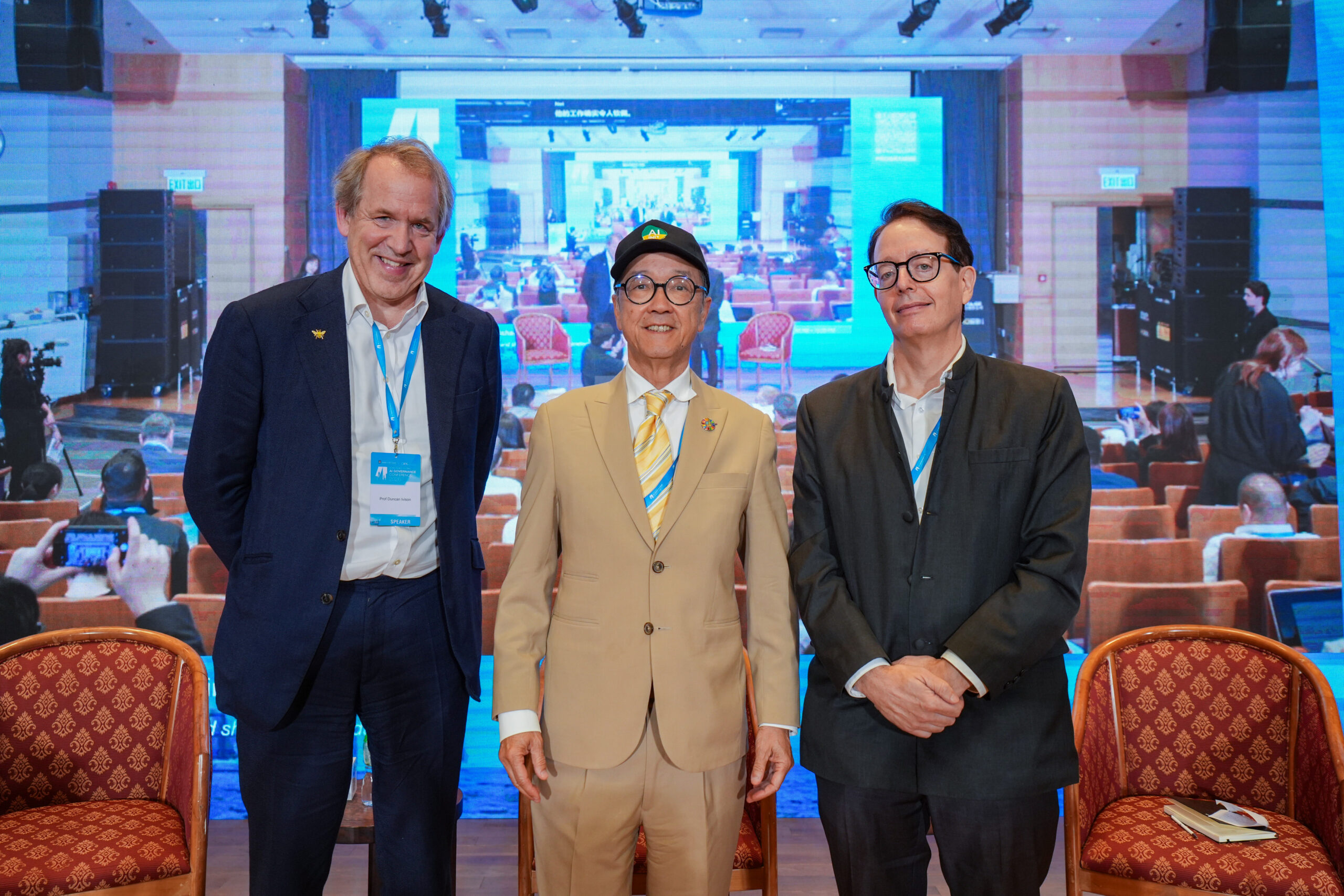
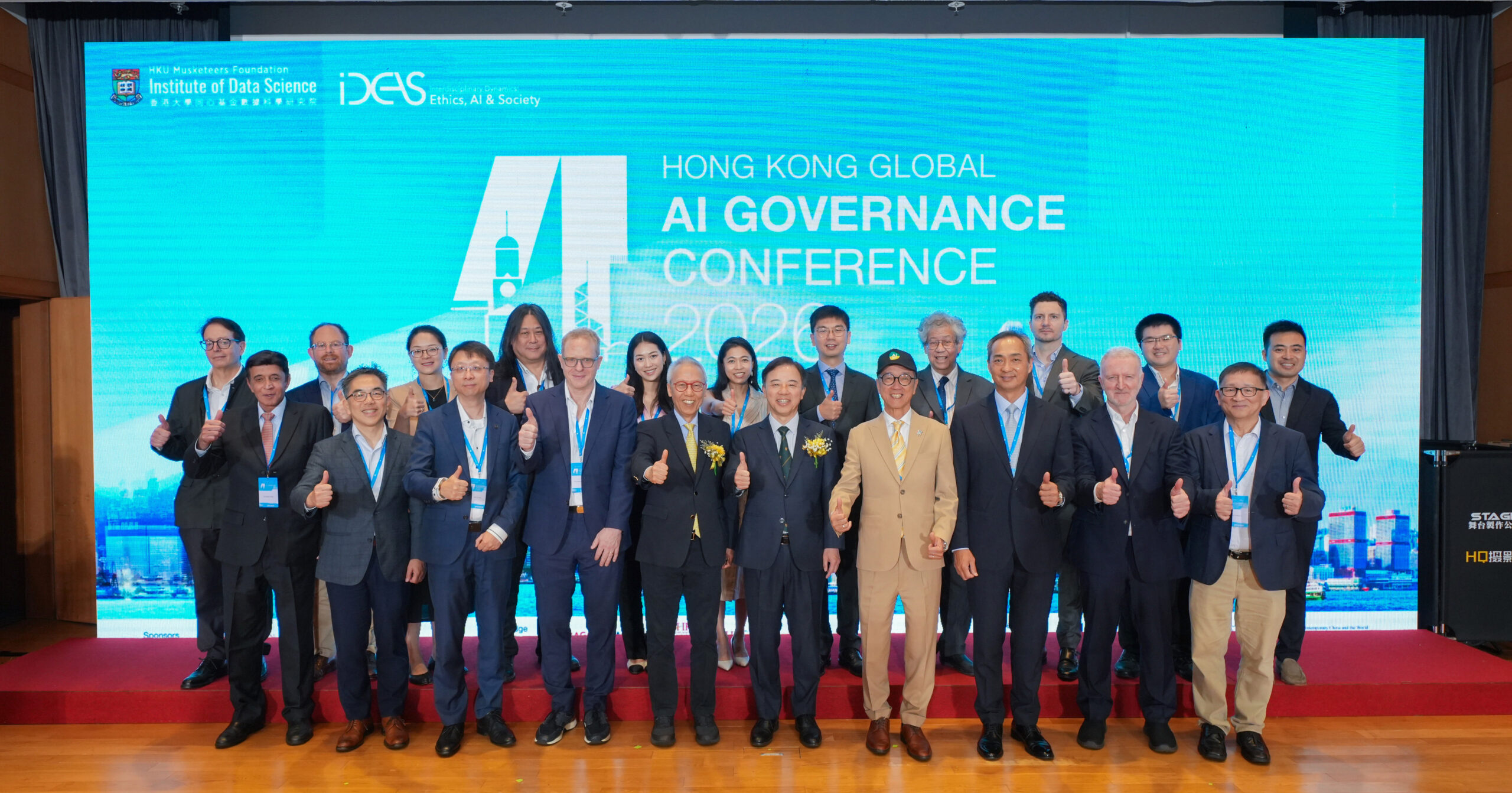
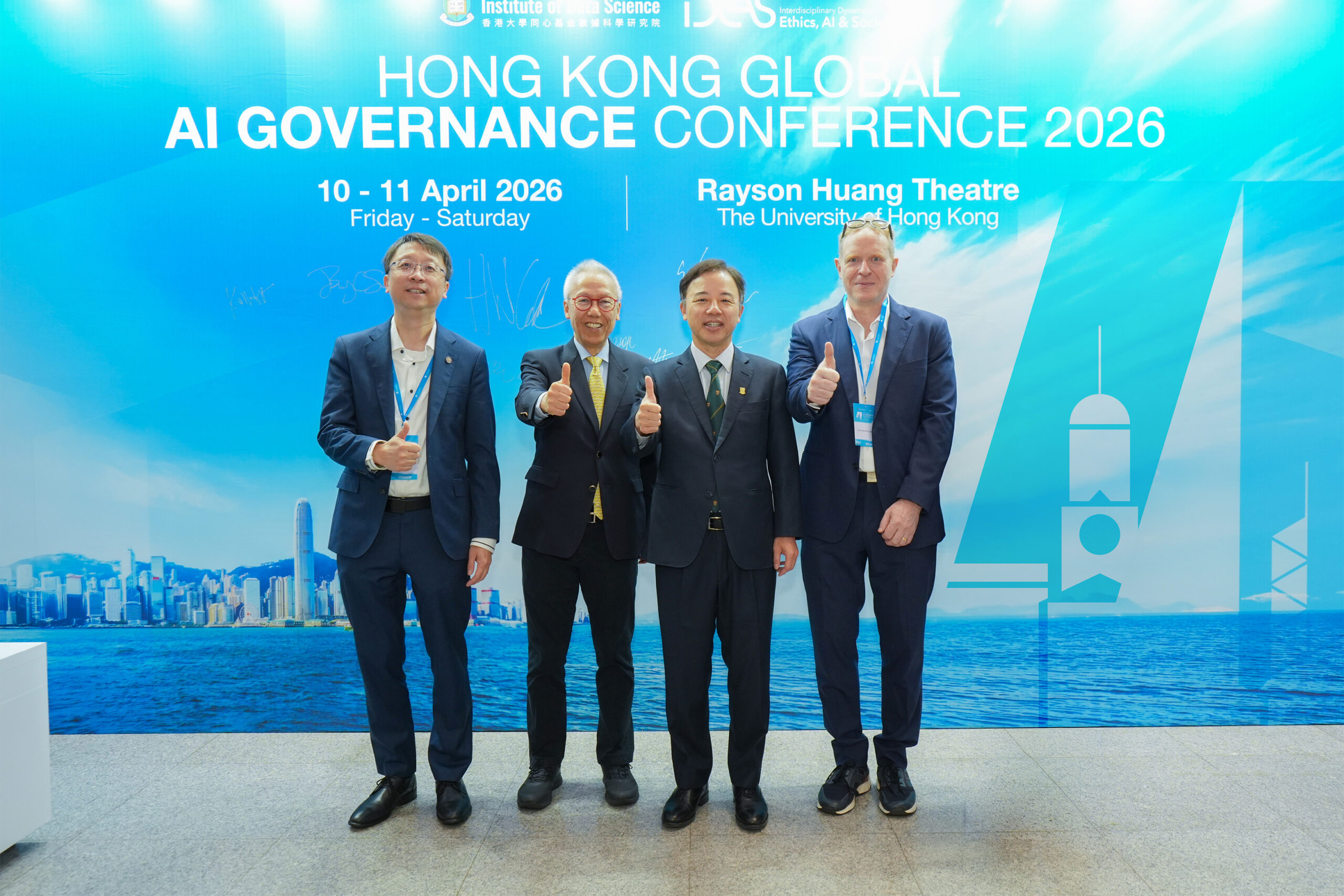
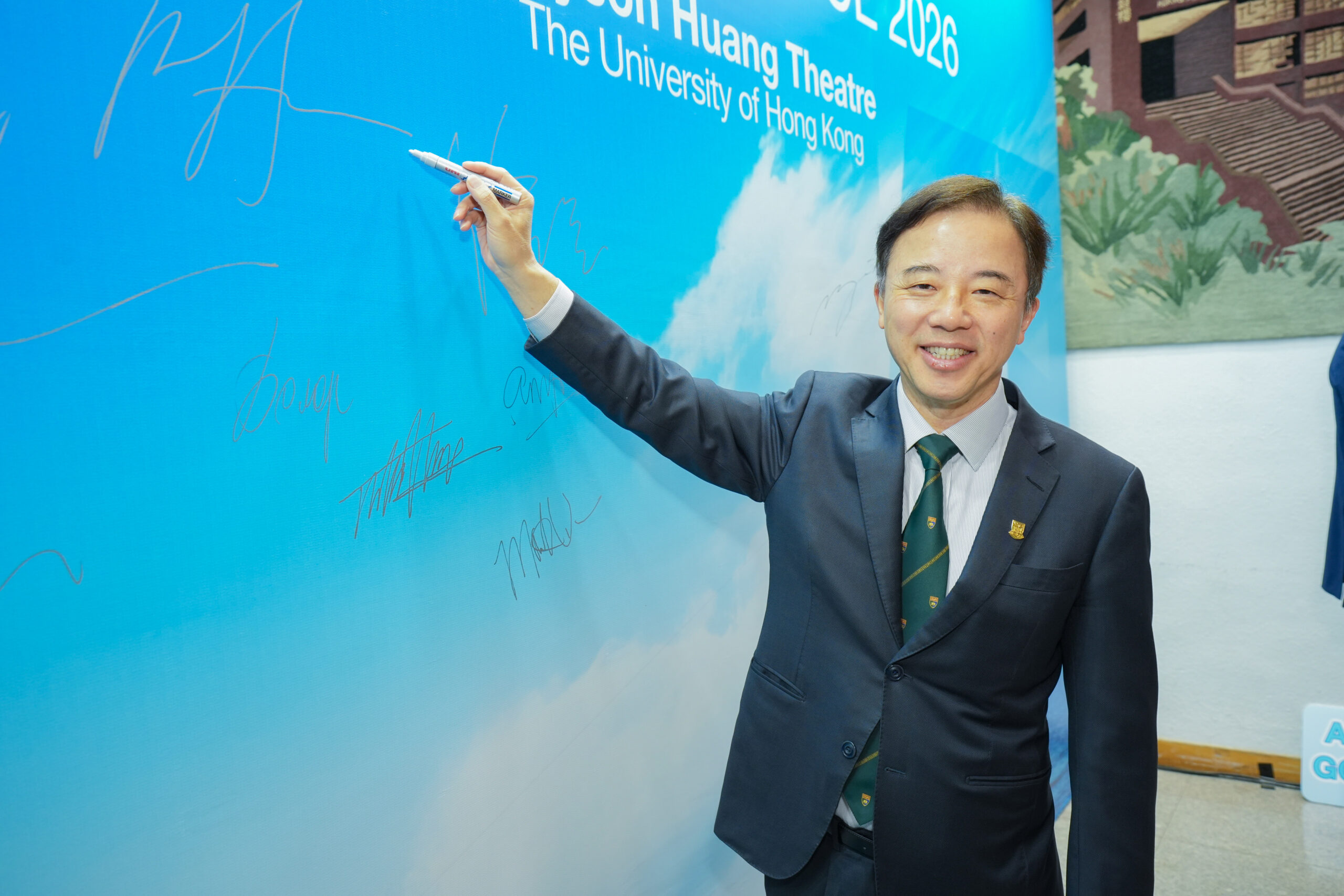
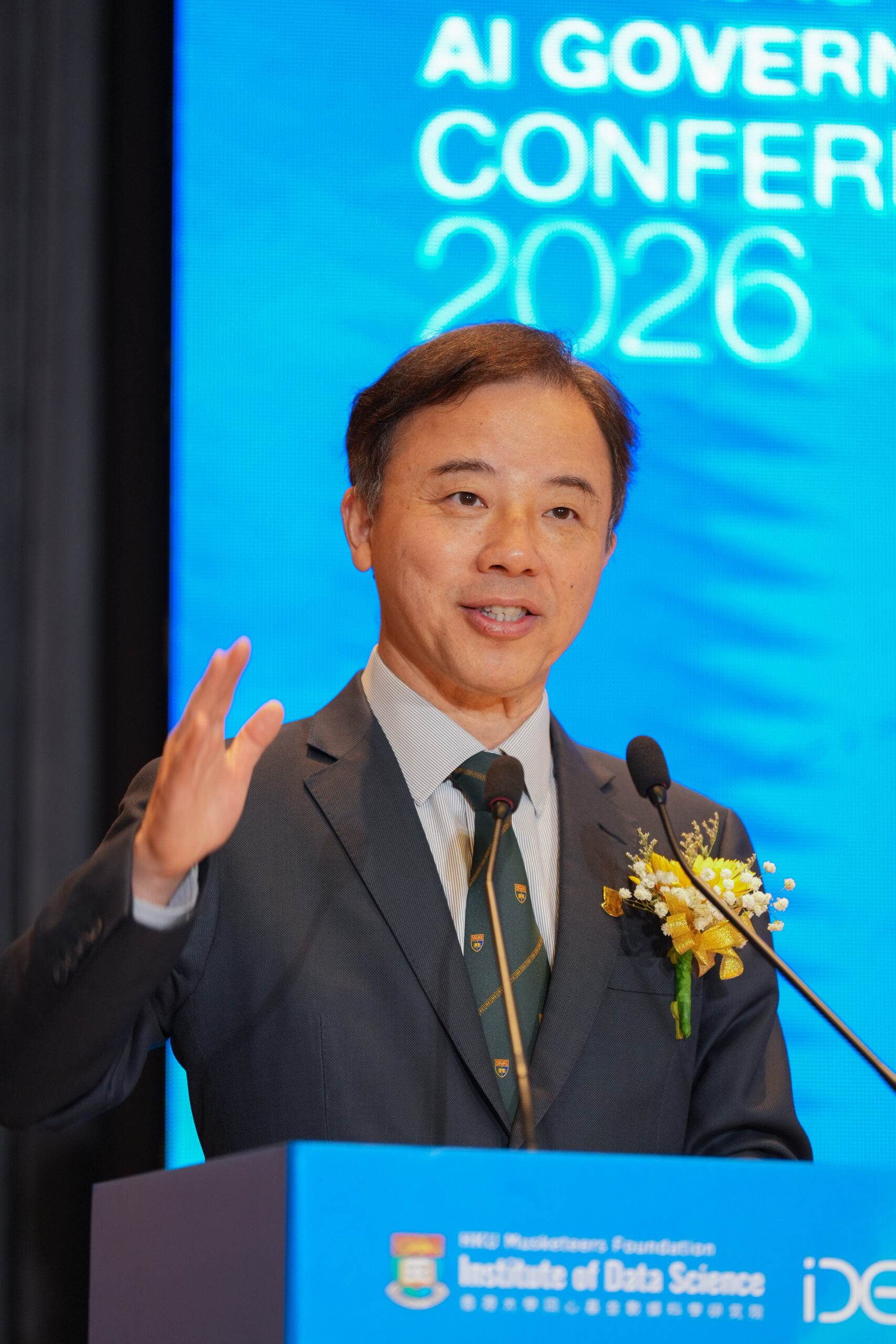
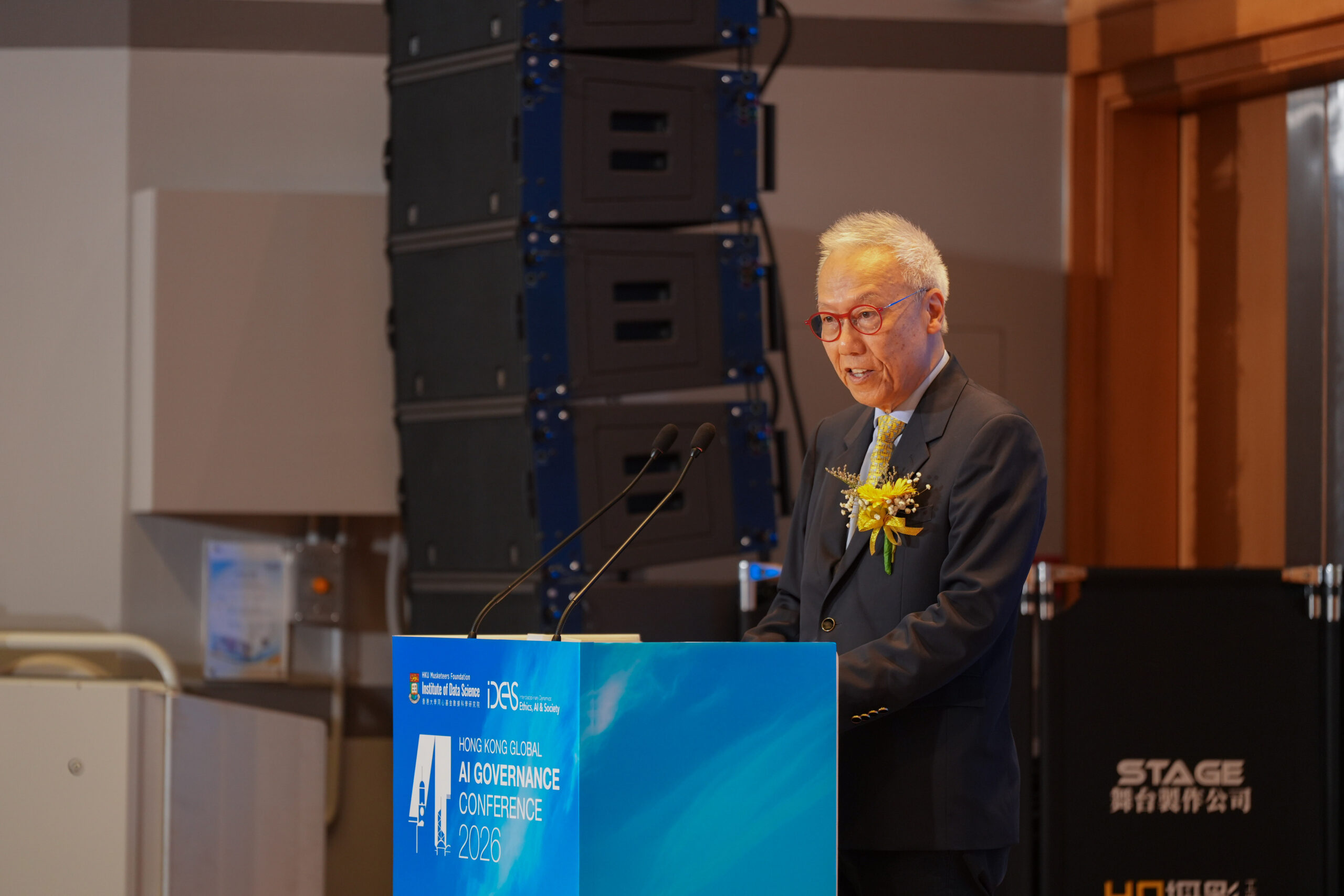
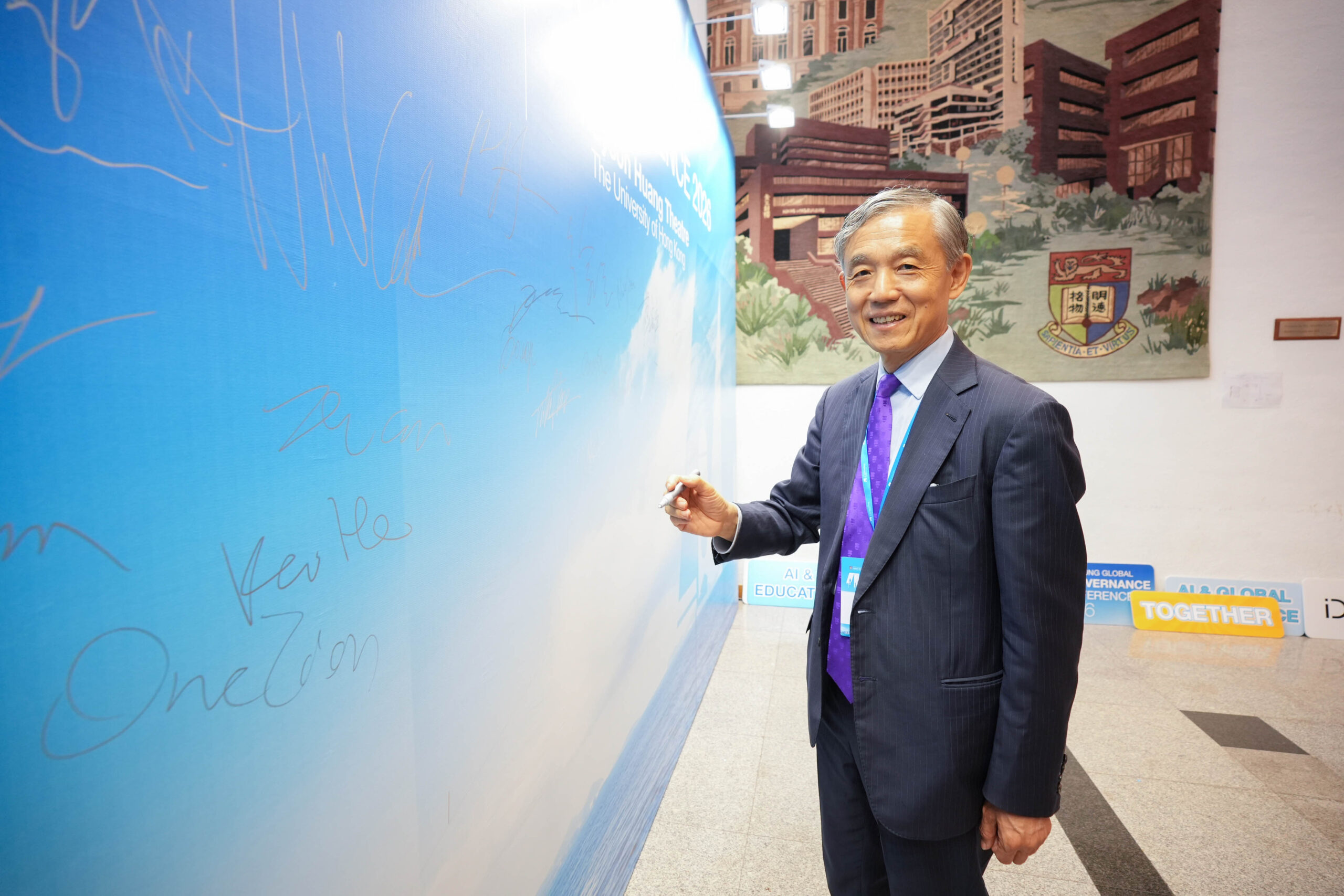
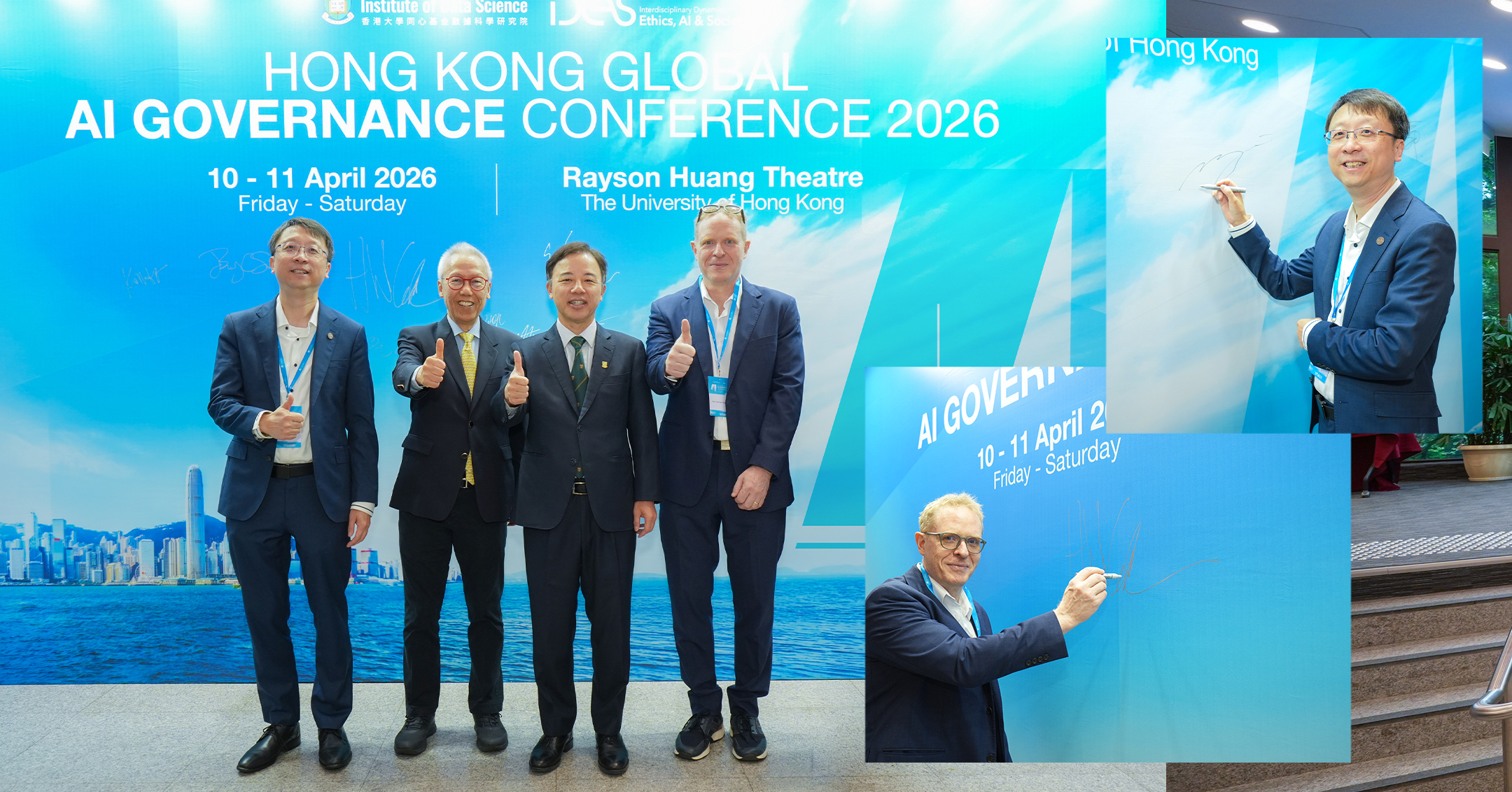
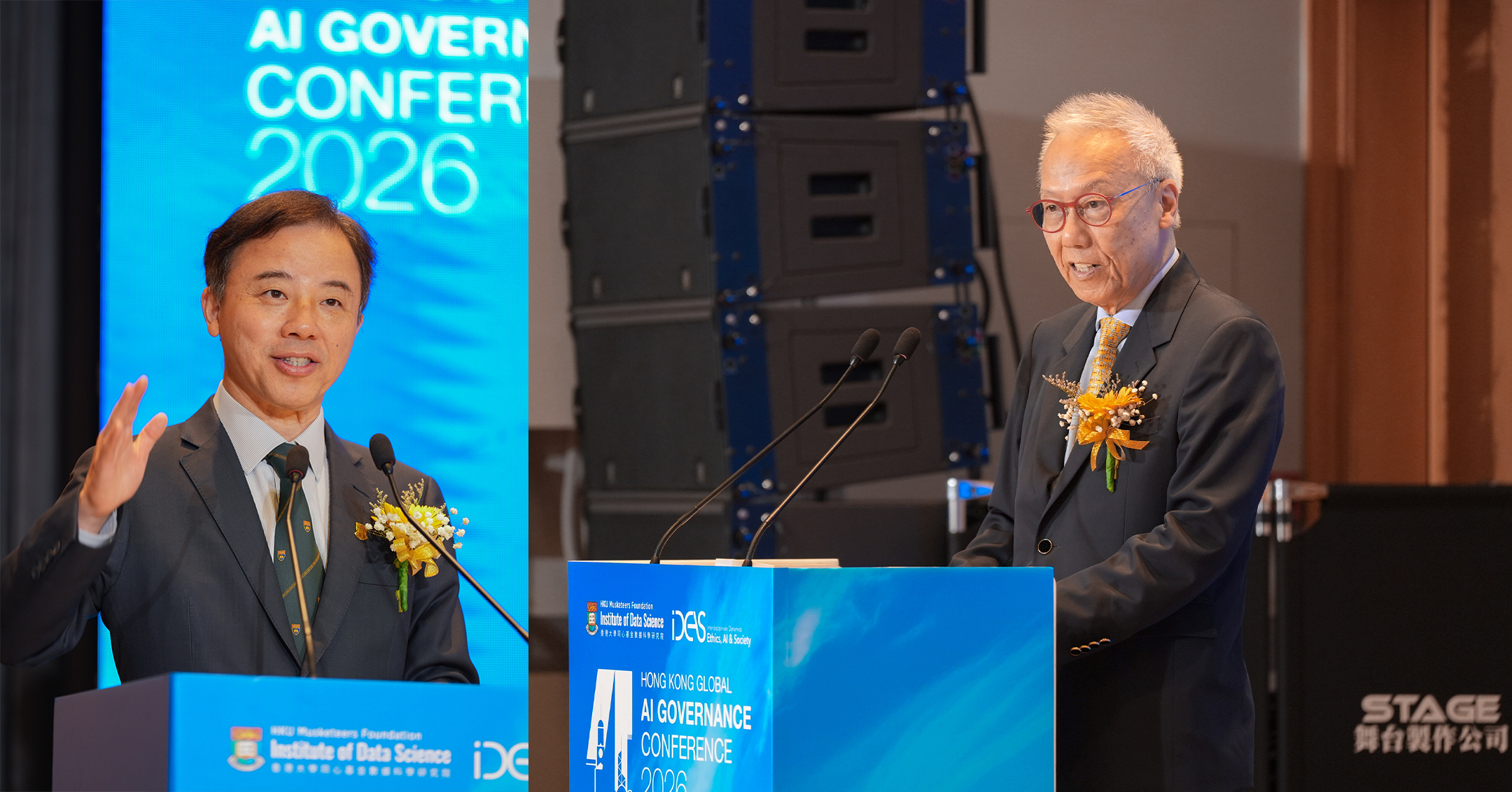
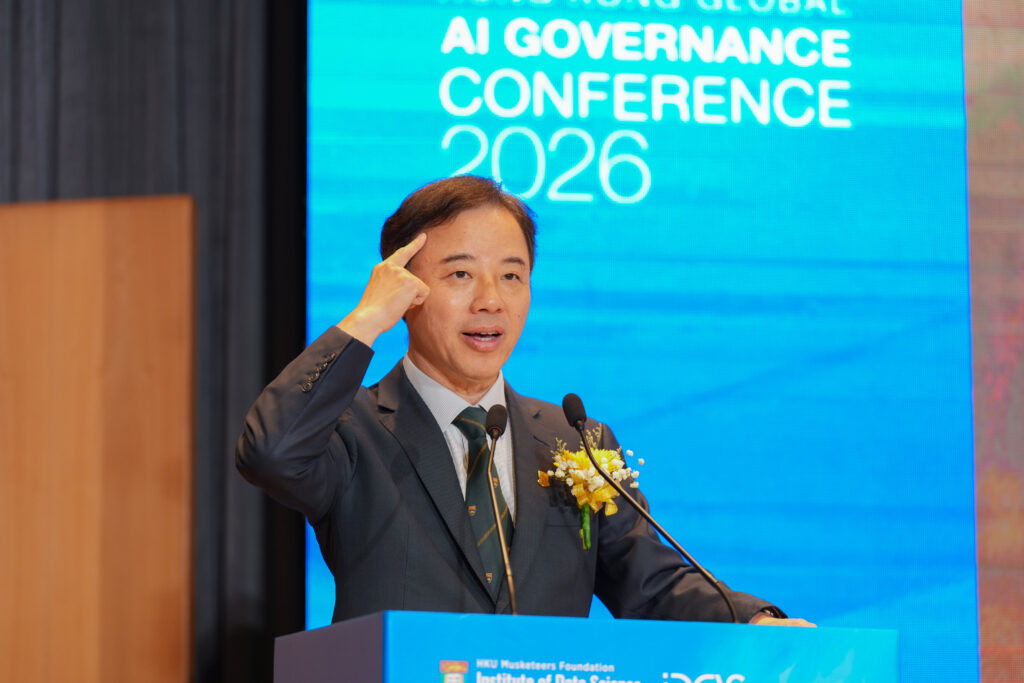
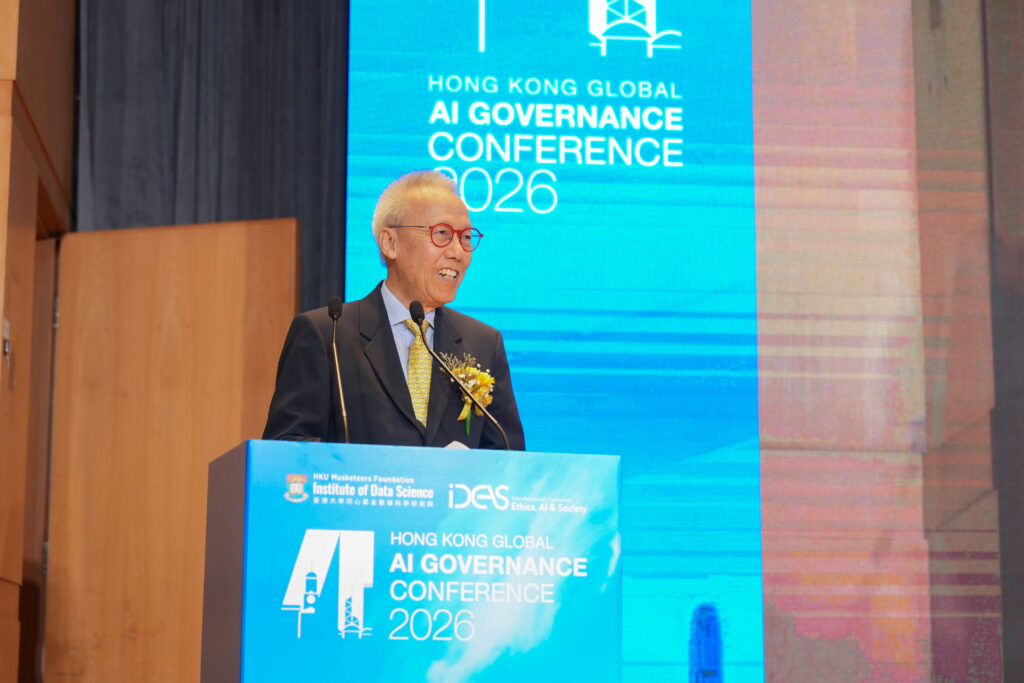
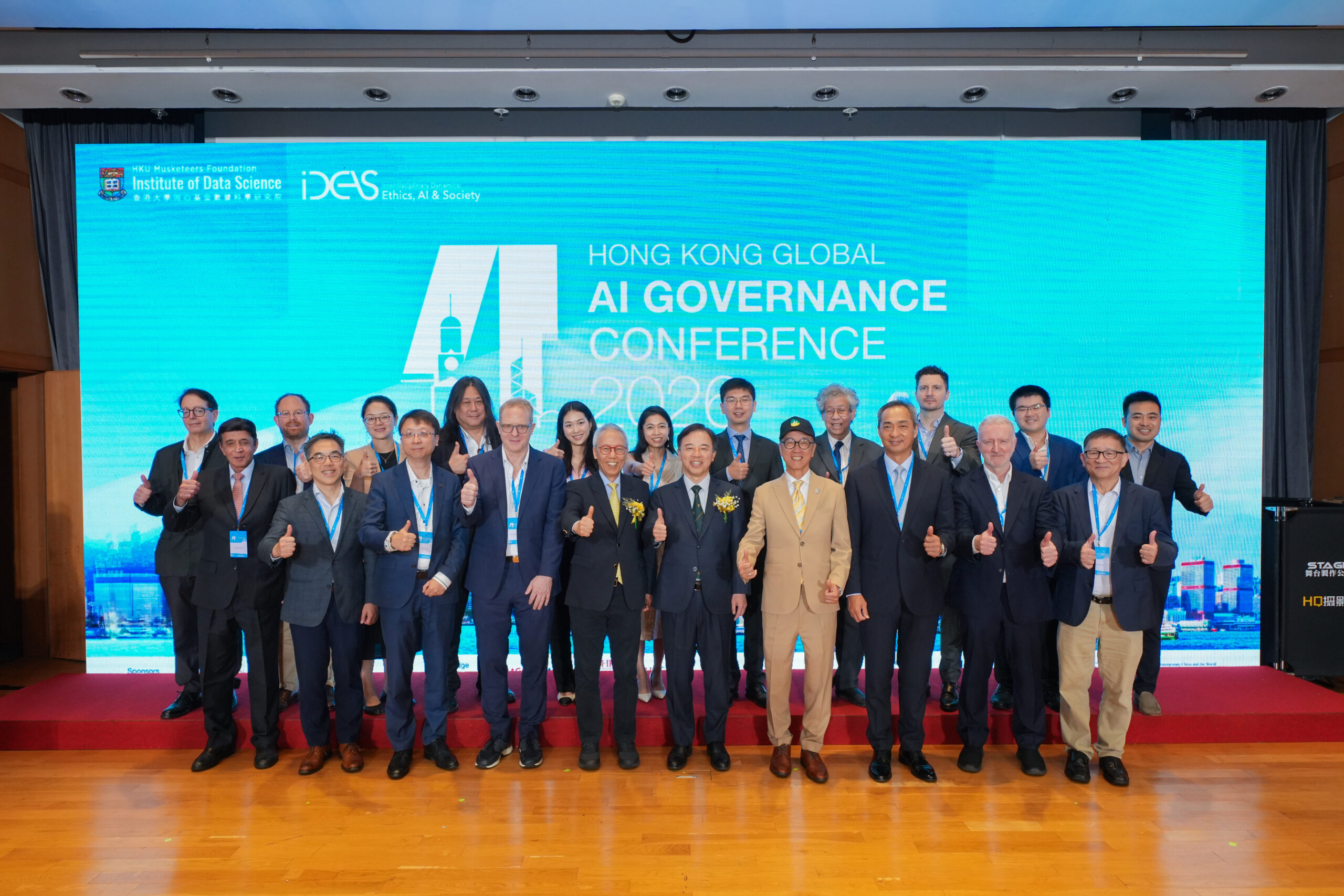
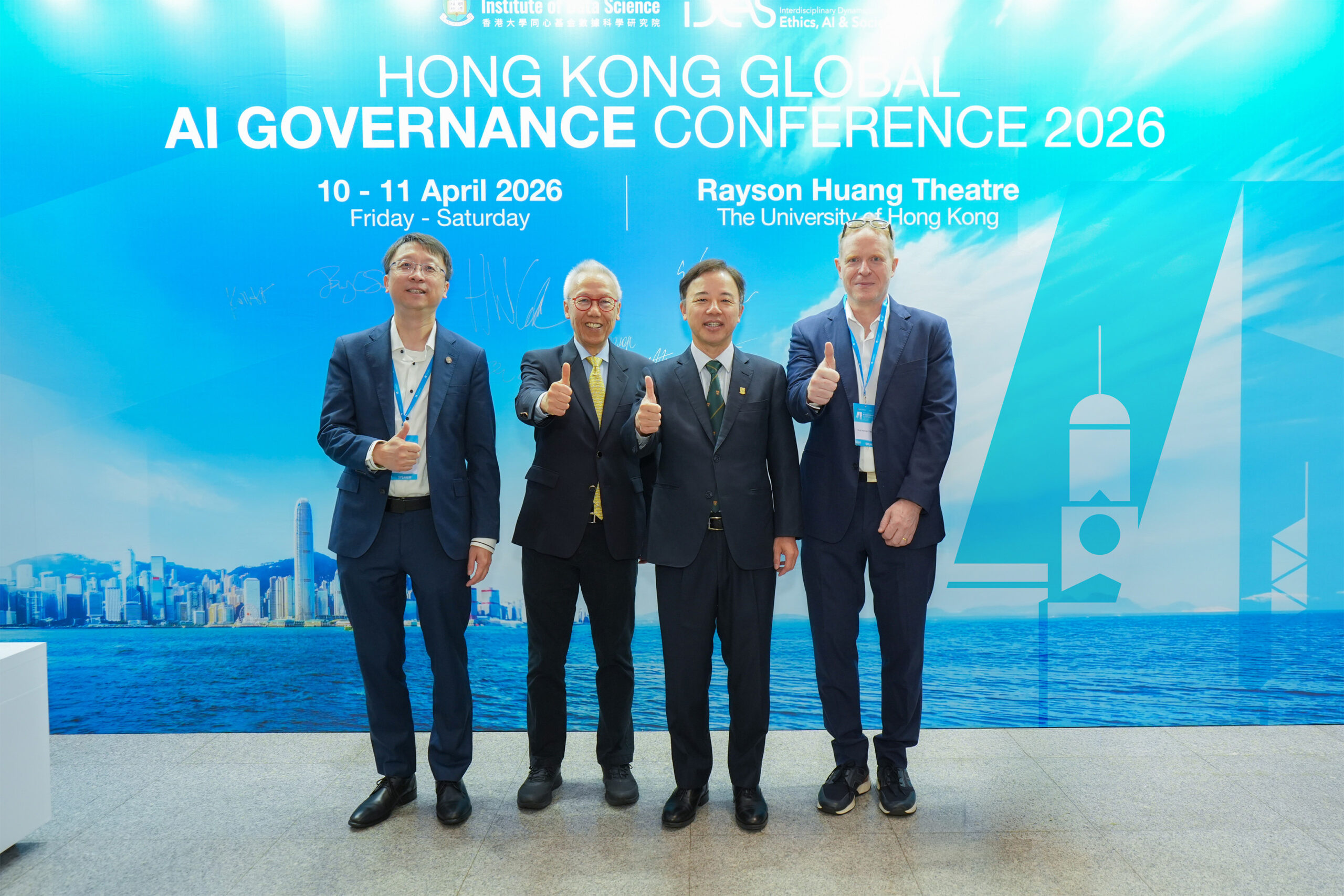
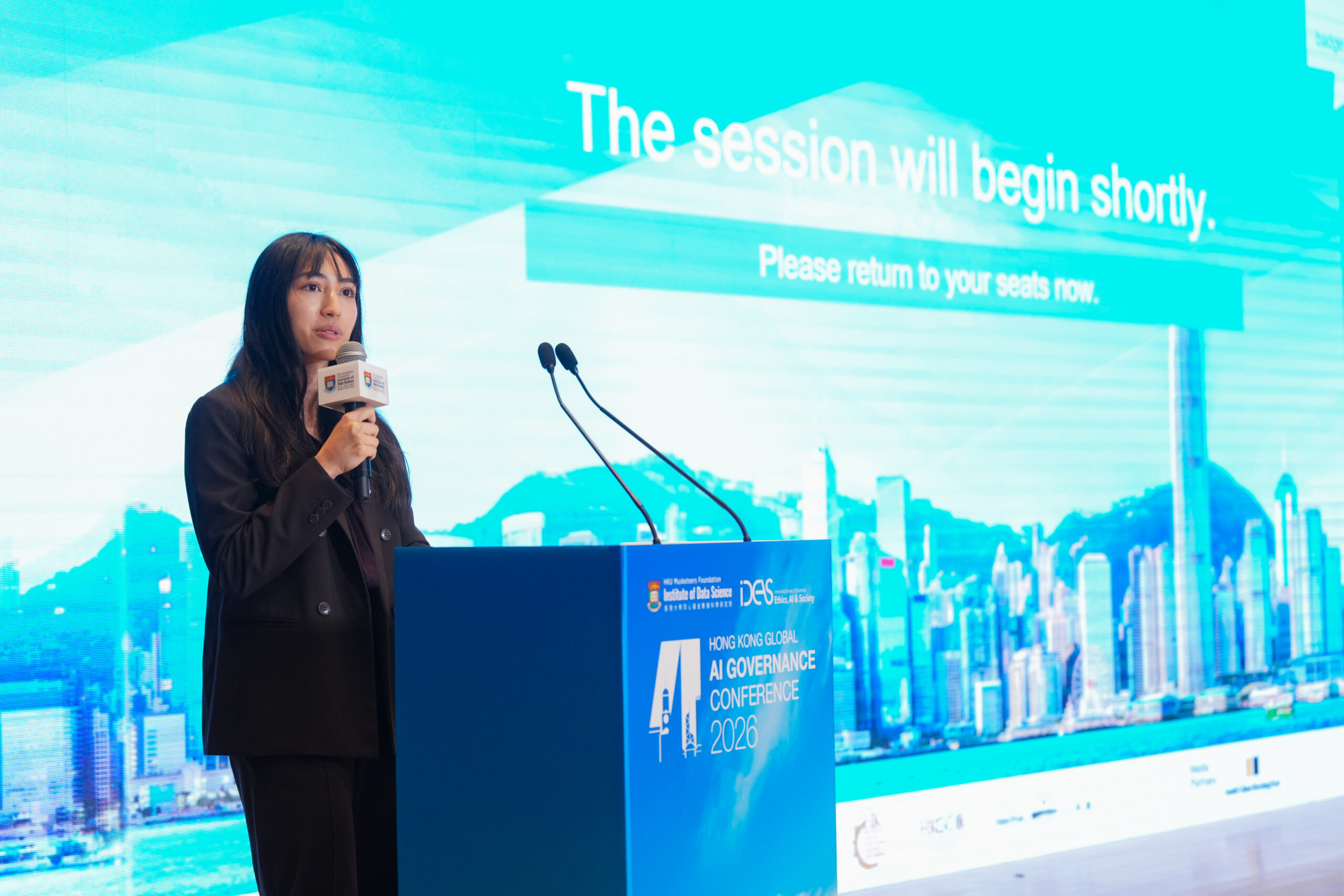
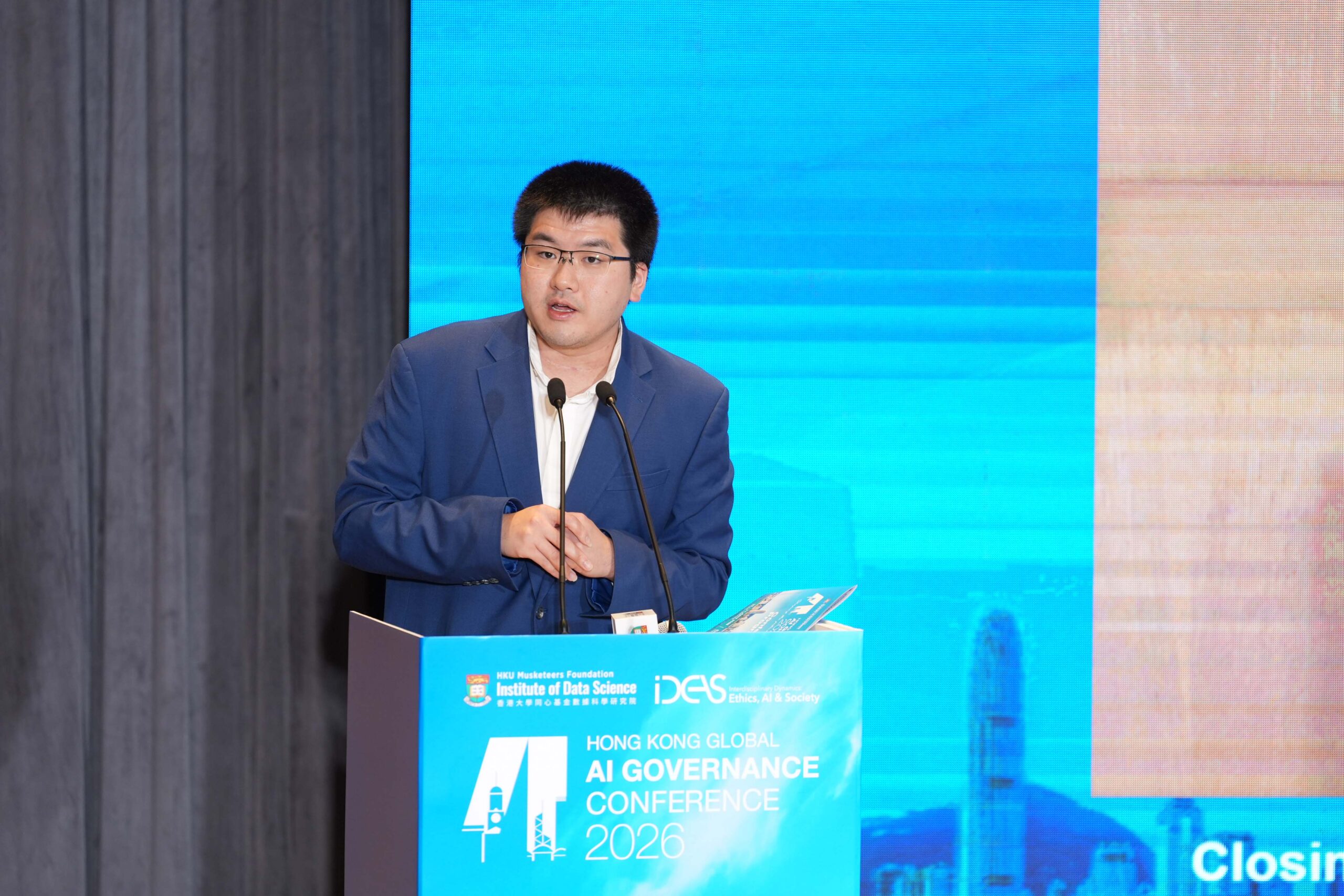
The opening ceremony was officiated by Professor Xiang ZHANG, President and Vice-Chancellor of HKU, and Mr Ka Chai LEONG, benefactor of HKU IDS, Founder of The Musketeers Education and Culture Charitable Foundation, and Honorary University Fellow 2021. In his welcome address, Professor Zhang highlighted the need to plan ahead for the social, legal, political, and philosophical implications of AI, while Mr Leong underscored the importance of initiatives such as IDEAS in advancing discussion on AI governance.

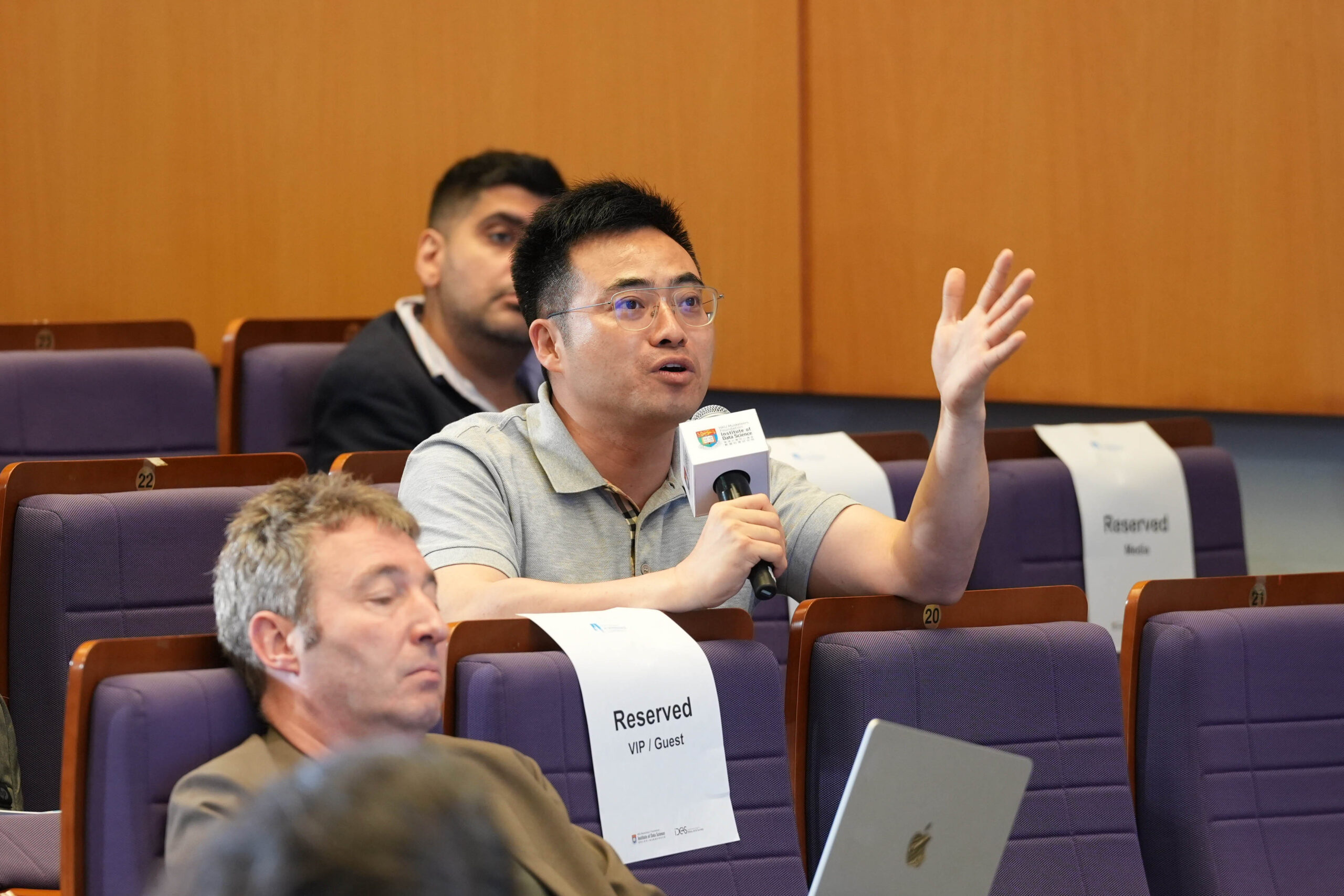
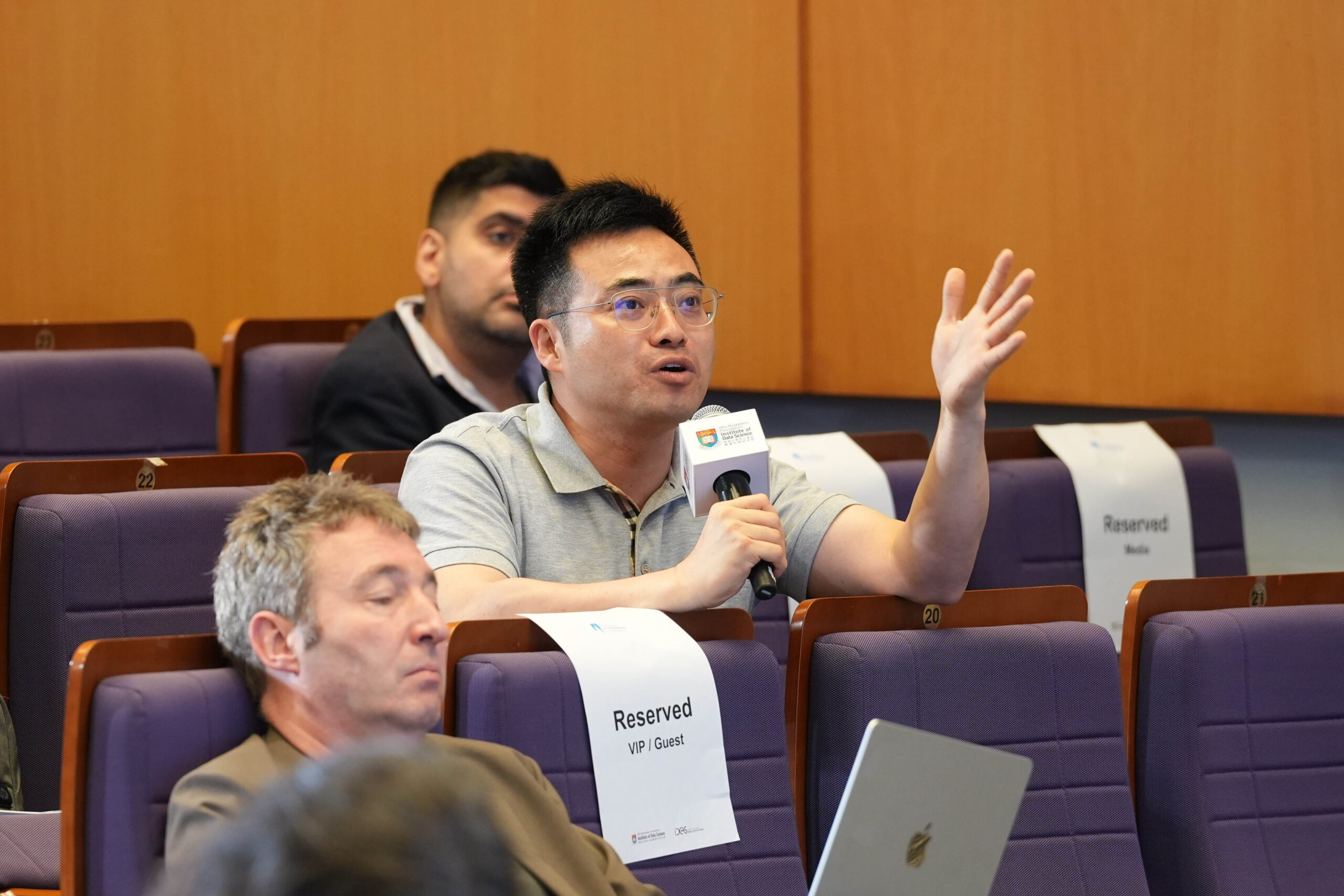
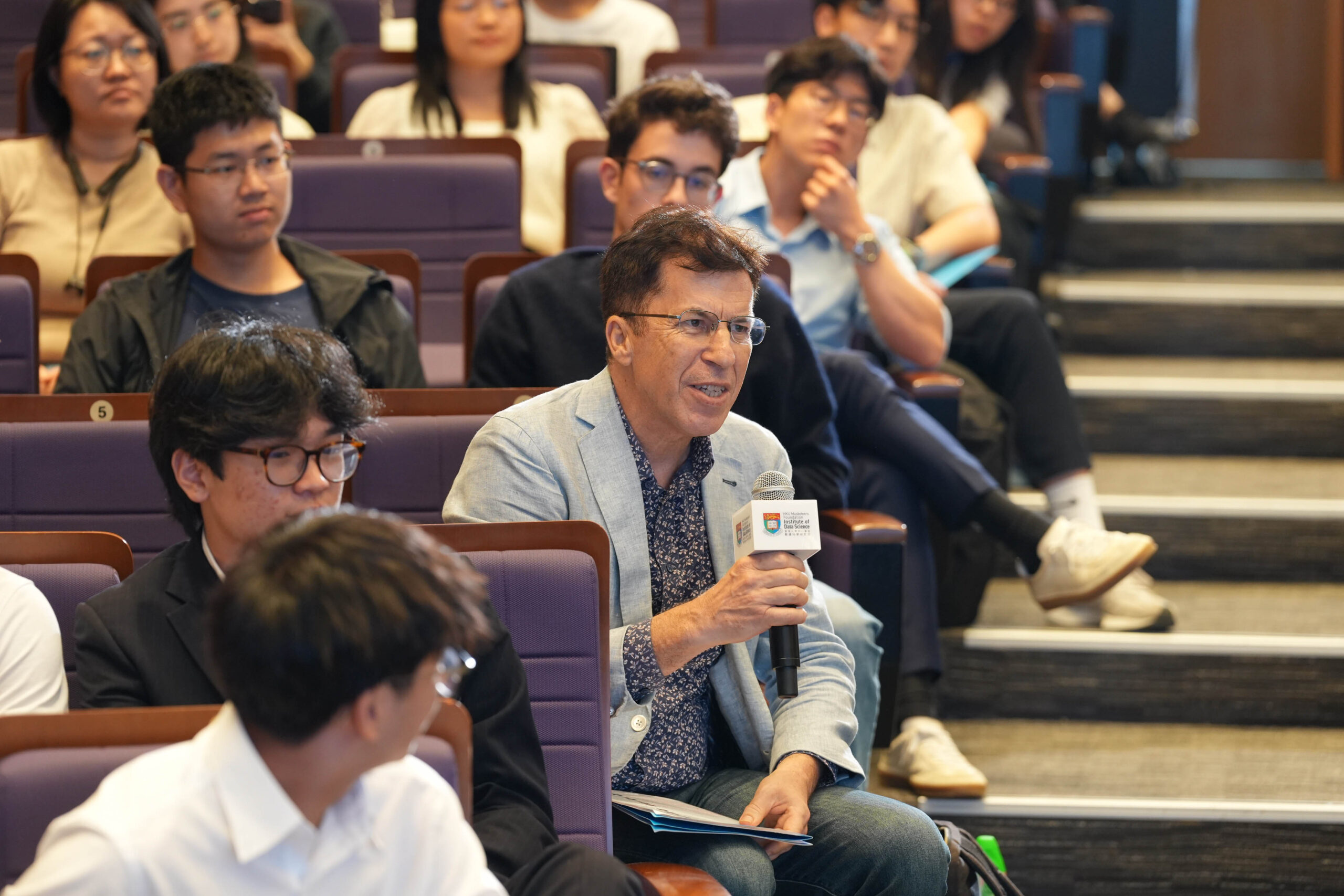
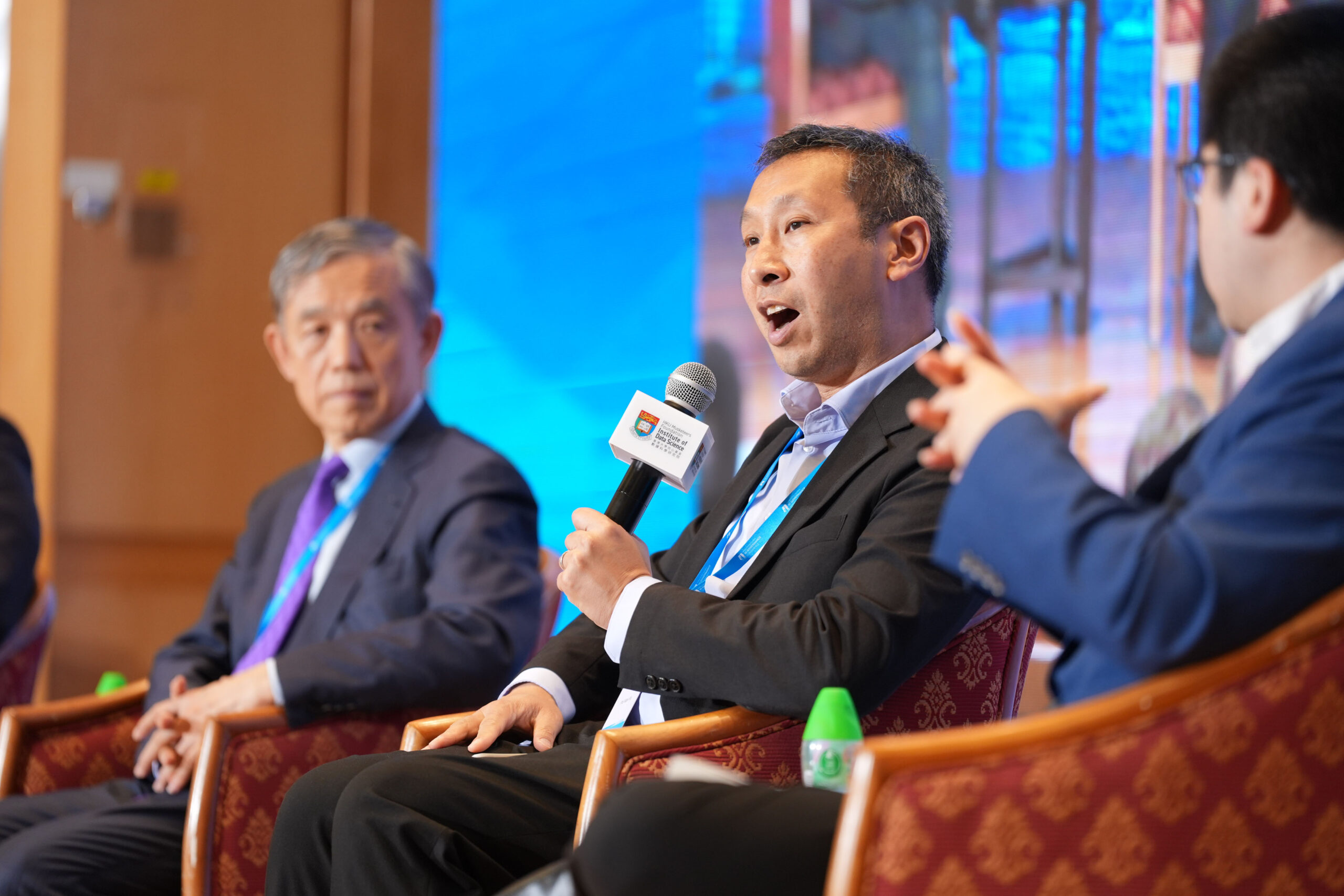
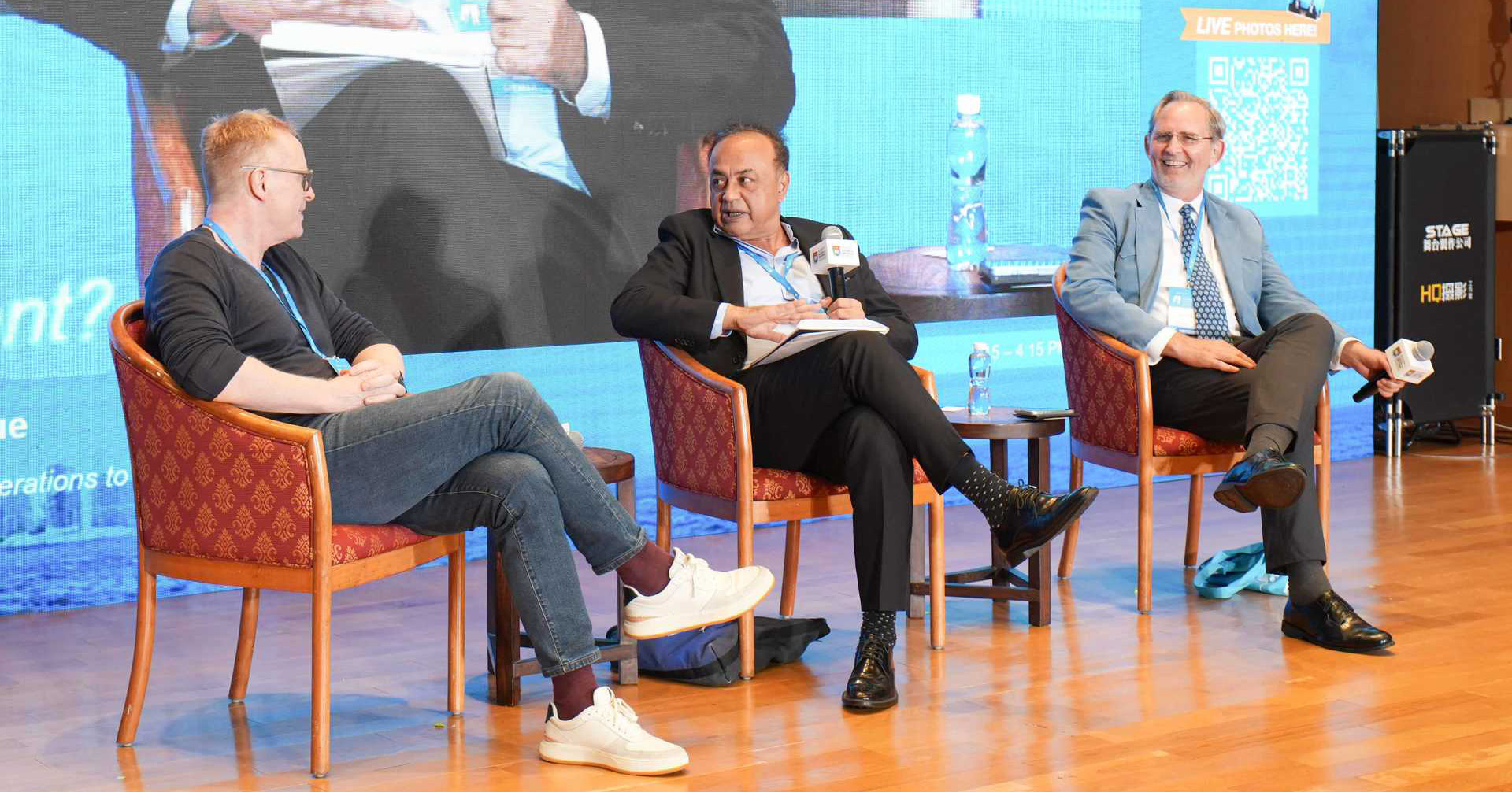
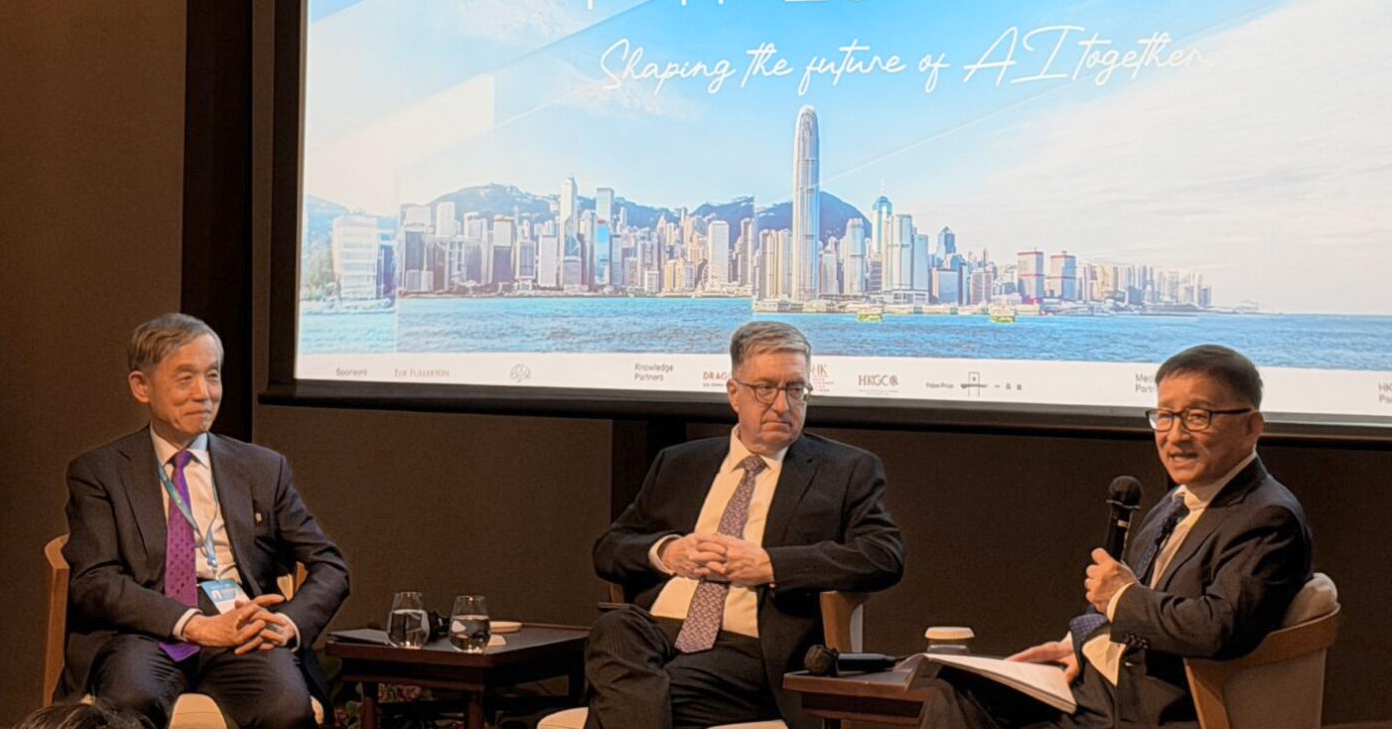
Across keynote dialogues, fireside conversations, and panel discussions, the Conference addressed the relationship between technological development and governance readiness, the role of institutions in shaping responsible adoption, and the need for coordination across sectors and jurisdictions.

Governance Challenges and Shifting Frames

Across sessions, speakers examined the gap between rapidly advancing AI capabilities and the slower evolution of regulatory and institutional responses. Existing governance models, often designed for more stable systems, face pressure when applied to AI technologies that develop and deploy at speed and scale.

Discussions also revisited the common framing of AI as a geopolitical contest. Rather than treating AI governance solely as a state-level competition, speakers highlighted a broader ecosystem involving companies, research communities, infrastructure providers, and deployment environments.

The Role of Institutions

Universities were consistently positioned as institutions that remain relevant in the AI era, but whose role must evolve. Rather than focusing only on knowledge transmission, higher education was discussed in relation to judgement, critical thinking, interdisciplinary dialogue, and the responsible use of AI.

This reflected a broader view that AI governance extends beyond formal regulation. It also requires sustained engagement across education, research, public discourse, and institutional practice.

AI Governance as an Ongoing Process

The Conference underscored that AI governance is not a one-off policy exercise. It requires continued dialogue across disciplines, sectors, and regions as AI systems and their applications continue to evolve.

Rather than presenting definitive answers, the discussions highlighted the need for governance approaches that can be tested, refined, and adapted in response to real-world deployment.

Panel Summaries

Day 1 (10 April 2026)

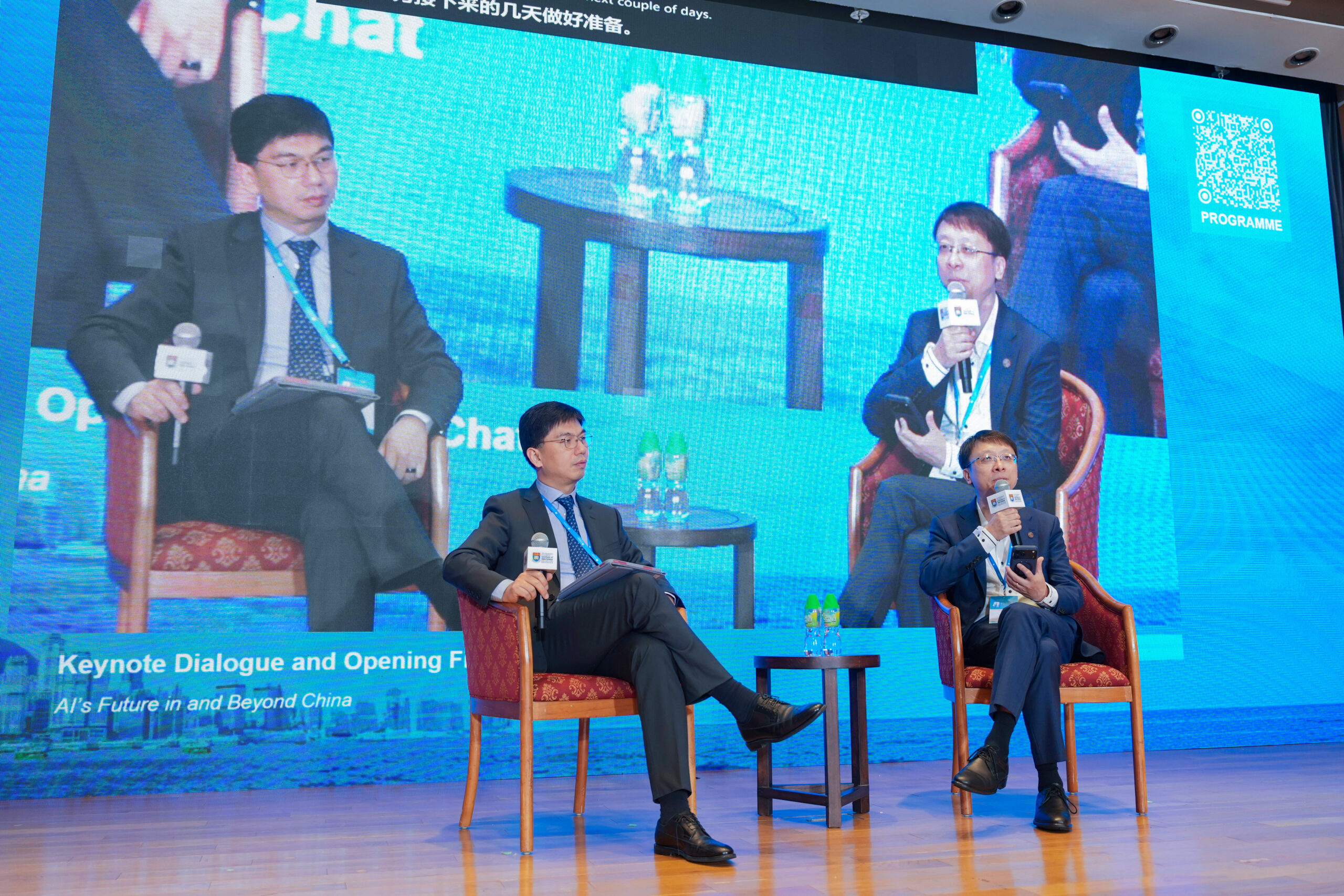
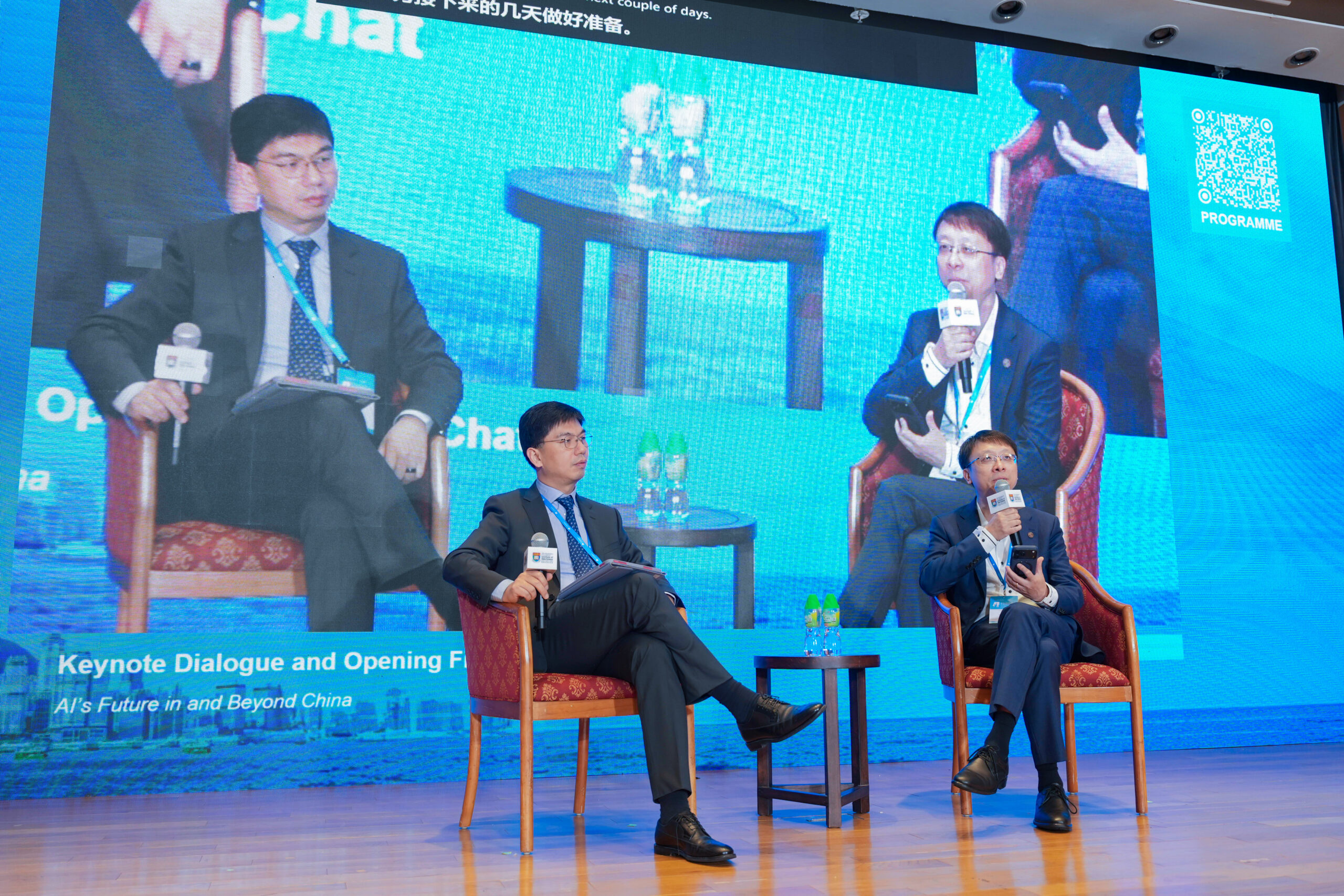
Keynote Dialogue & Opening Fireside Chat

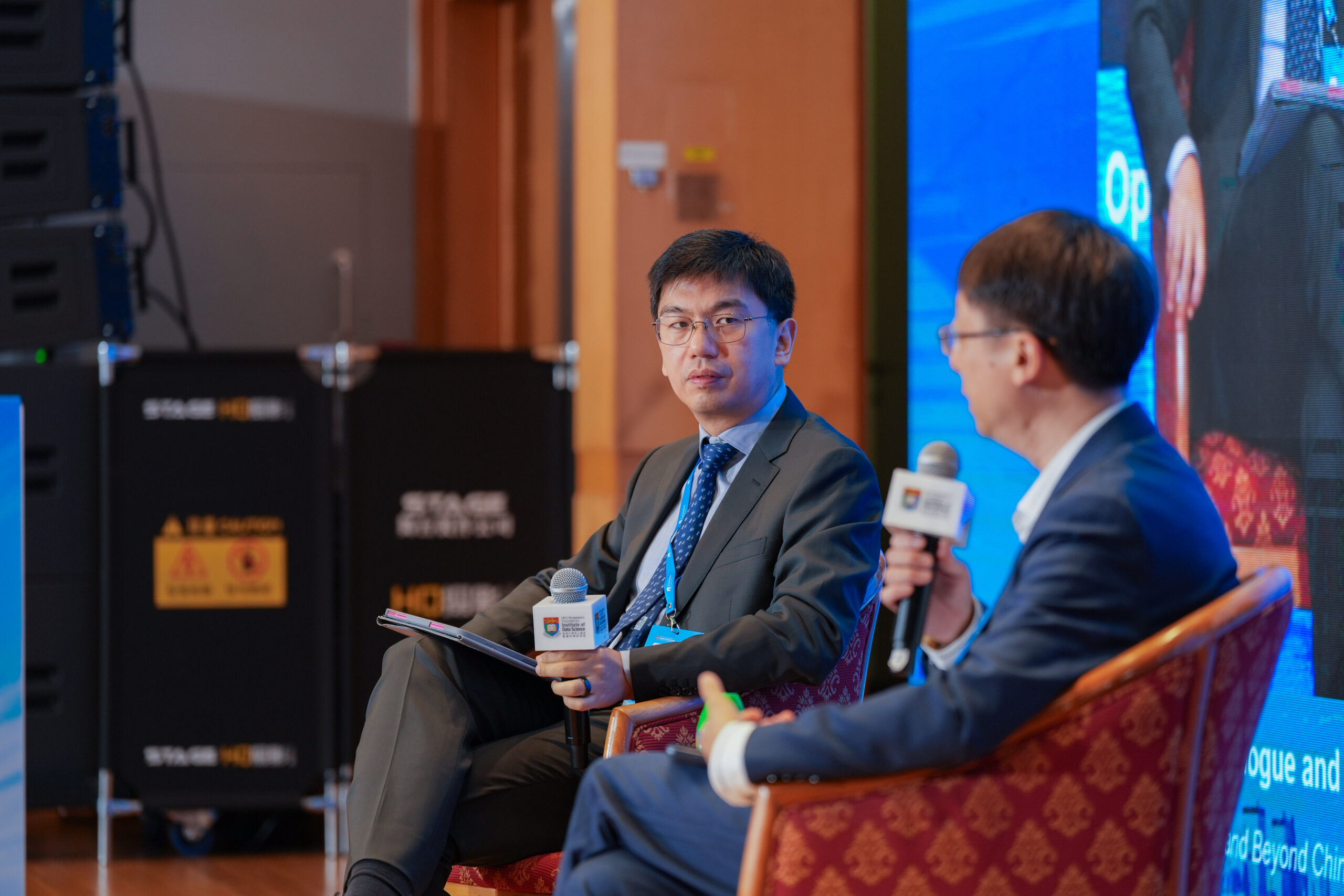
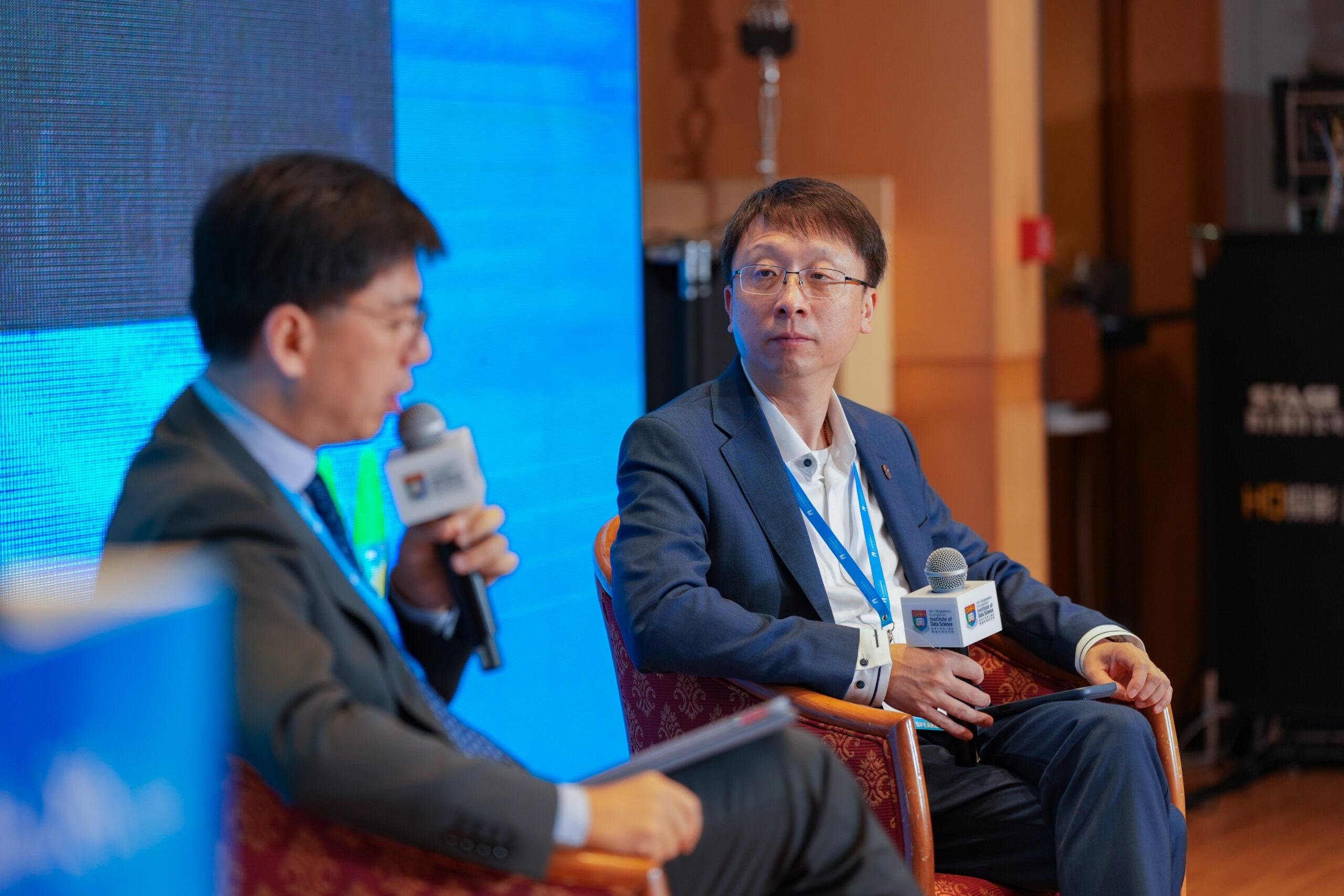
AI’s Future in and Beyond China

The dialogue framed AI as a societal technology whose impact depends not only on capability, but also on design choices, deployment contexts, and patterns of human use.

Discussion Summary


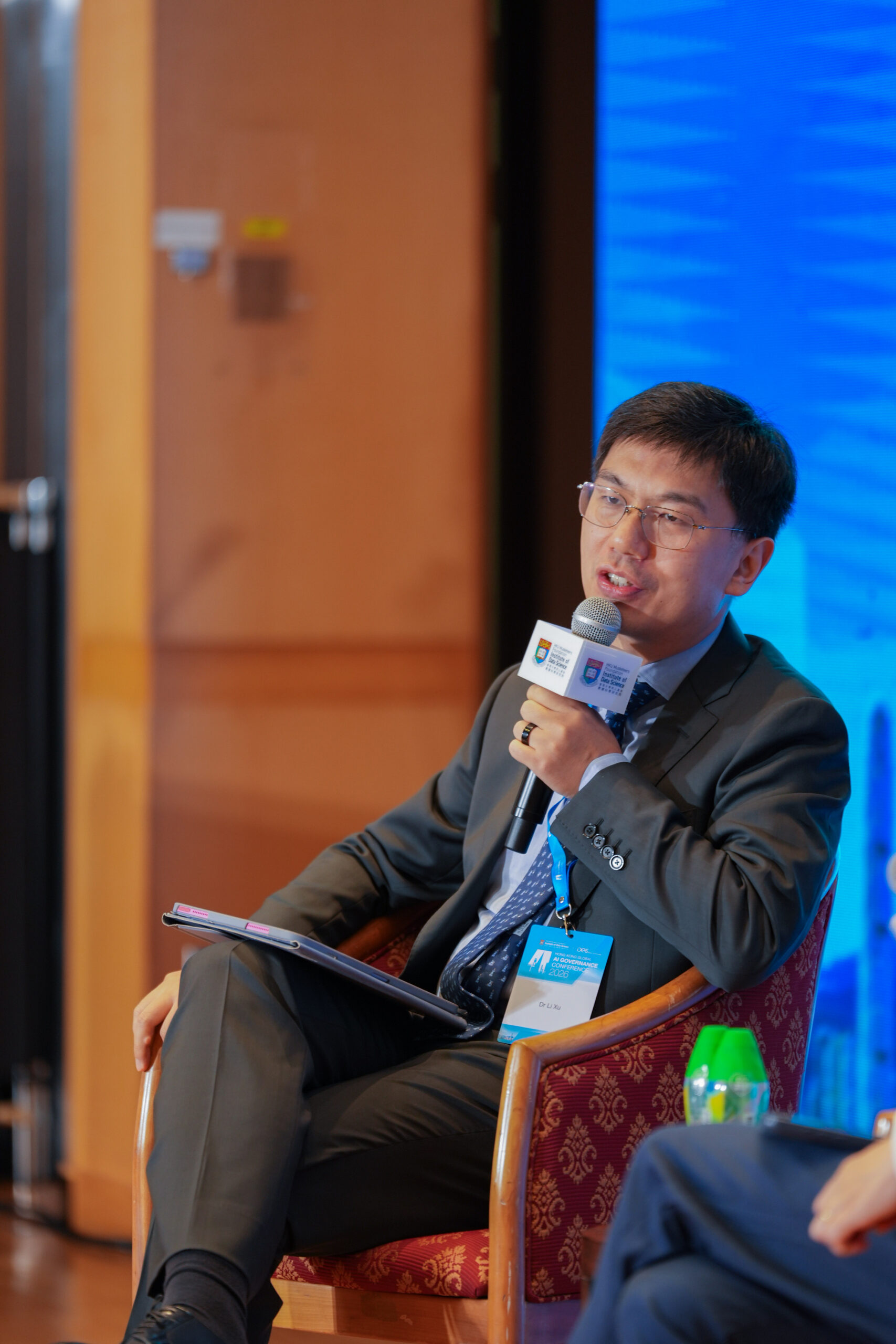
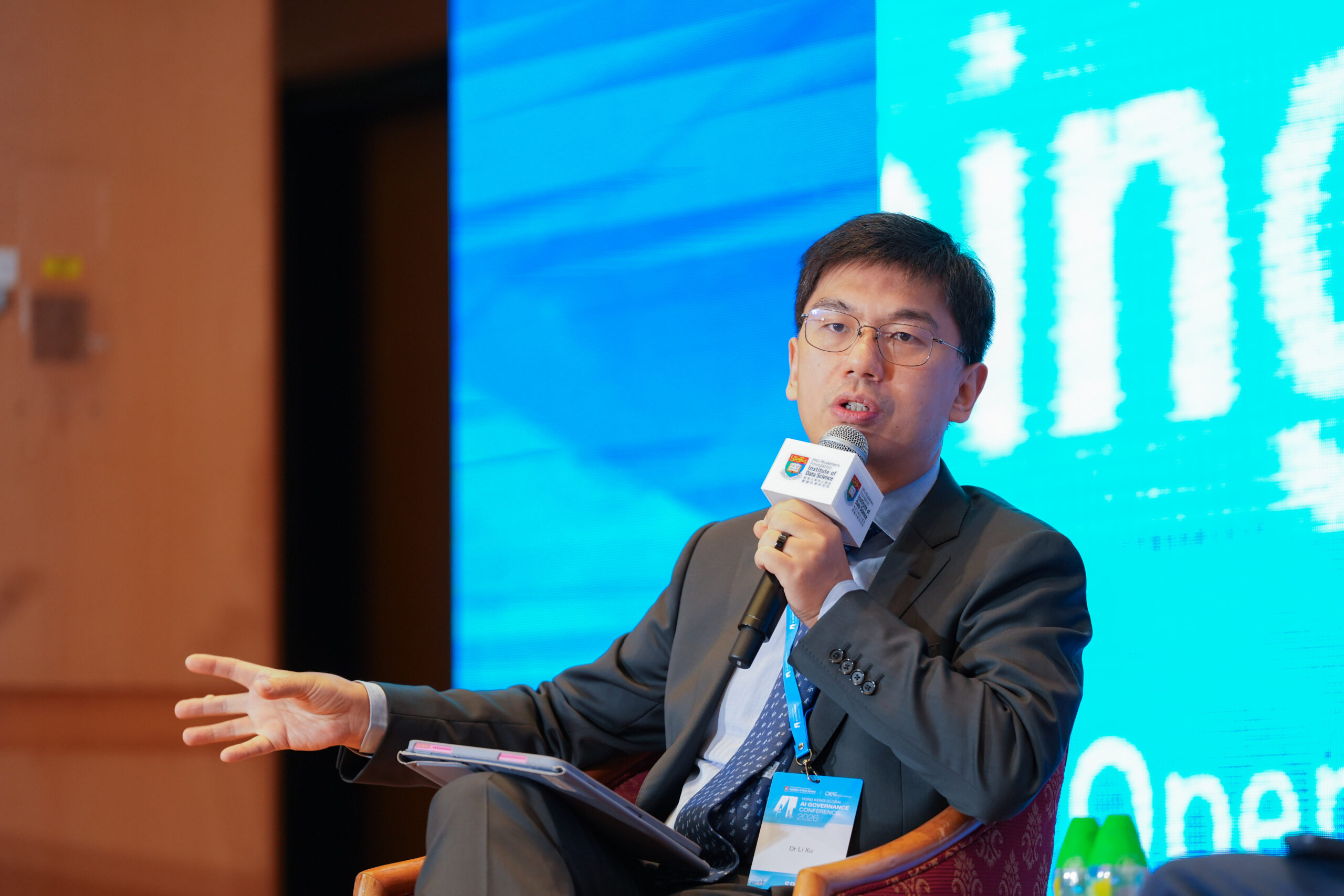
The opening dialogue framed AI as a societal technology whose impact depends not only on technical capability, but also on design choices, deployment contexts, and patterns of human use. Rather than treating AI as a standalone technological breakthrough, the discussion considered how AI systems become meaningful through their integration into education, work, creativity, and everyday decision-making.

Speakers discussed AI as a form of augmentation rather than replacement, with attention to how systems can support human capability while preserving judgement, creativity, and agency. The conversation also examined the importance of product design and deployment, suggesting that the same technical capability can lead to different outcomes depending on how it is constrained, accessed, and used.

The session set an important foundation for the Conference by linking technical development with broader questions of infrastructure, access, and human skills. AI was discussed as an emerging layer of social infrastructure, raising questions about cost, equitable distribution, and the need for individuals and institutions to develop the capacity to evaluate and work effectively with AI systems.


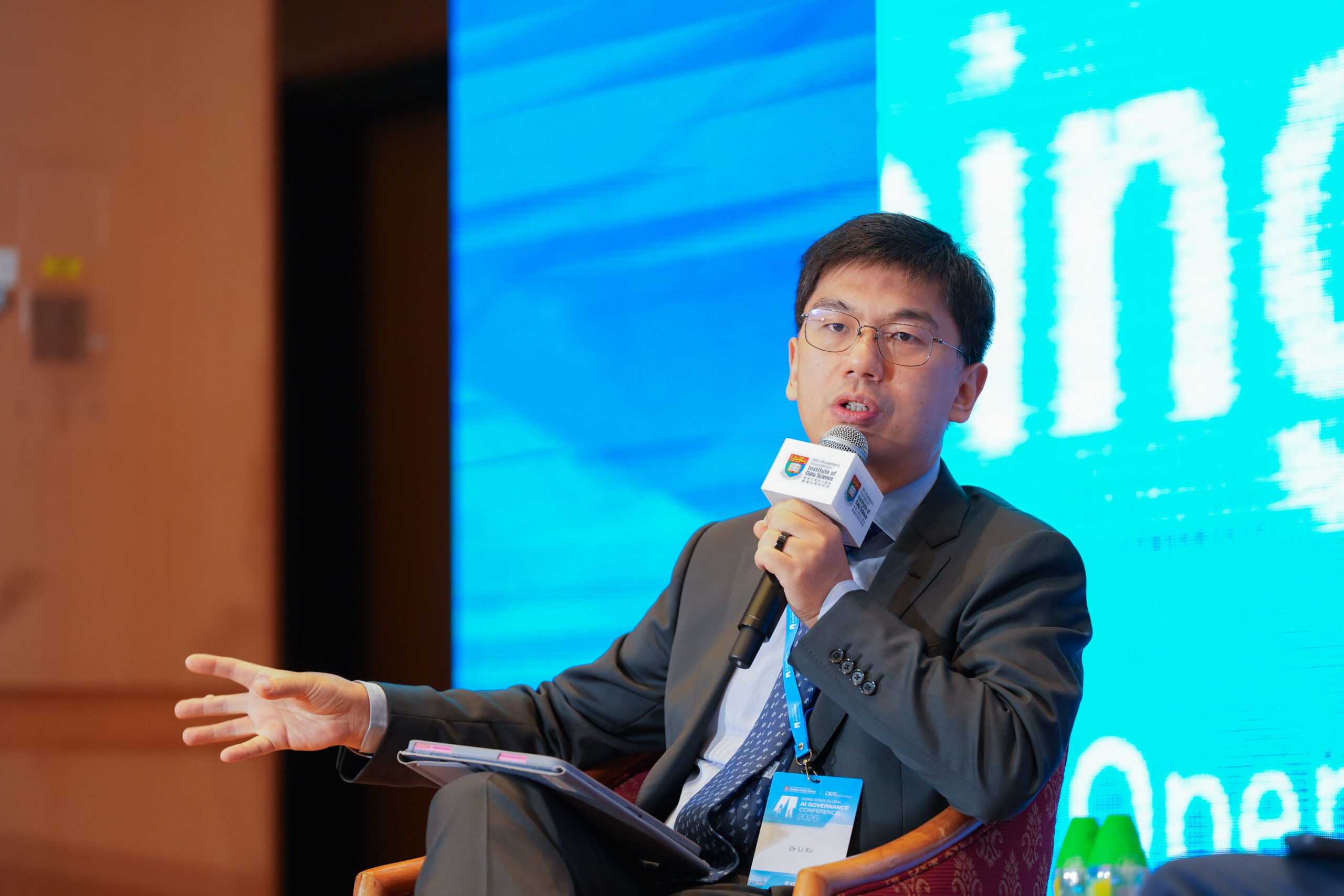
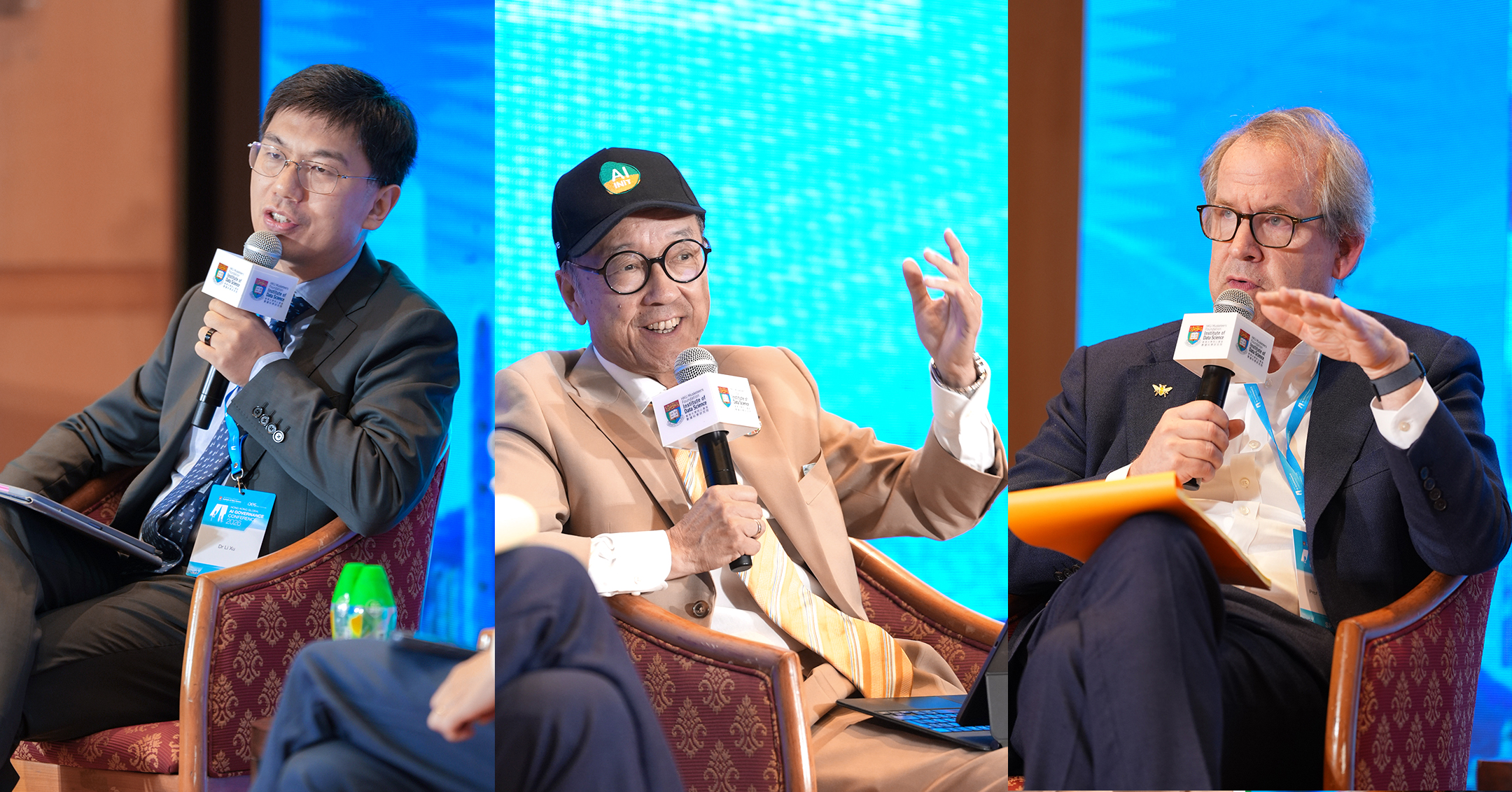
Dr Li XU

Chairman of the Board and CEO, SenseTime, China

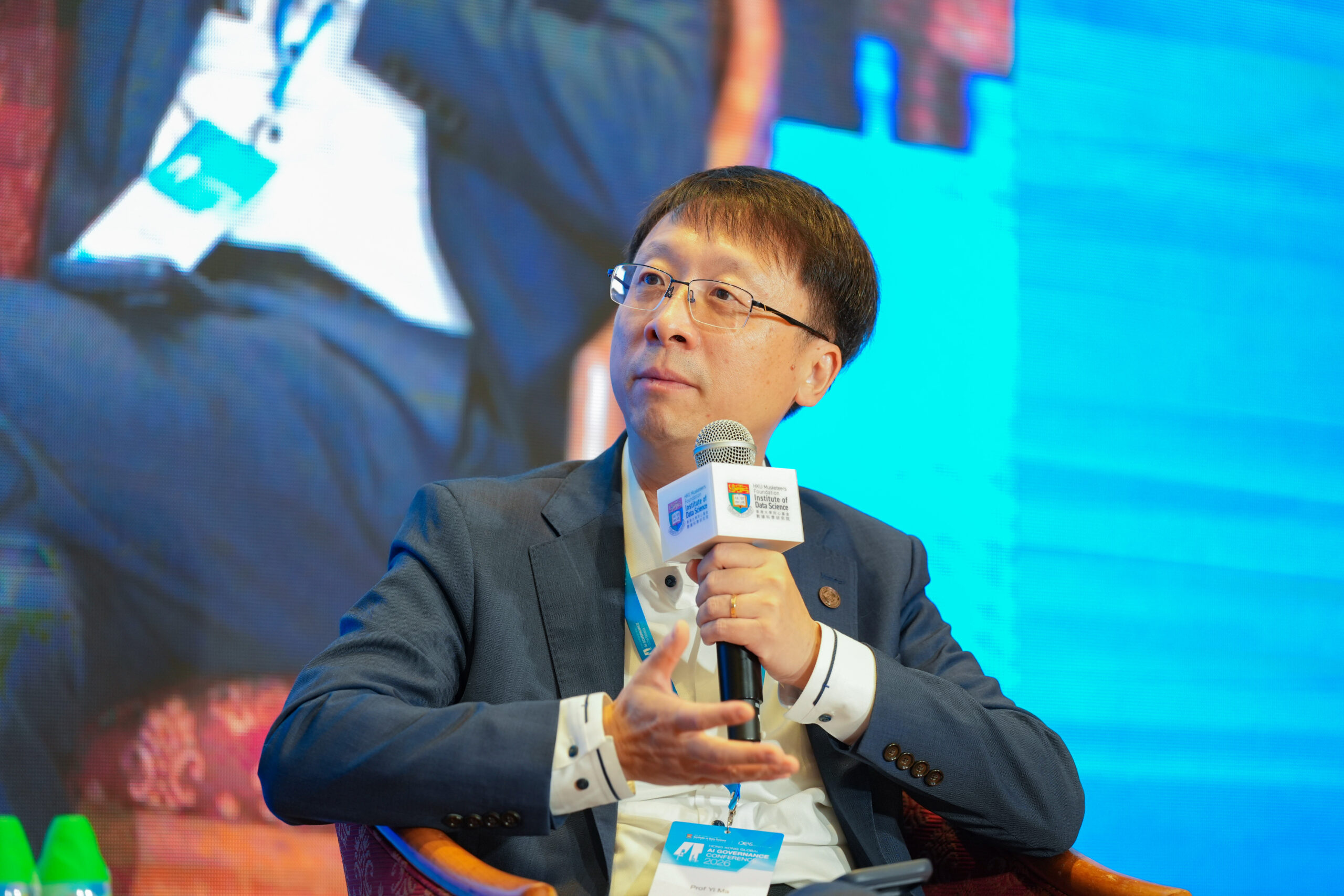
Prof Yi MA

Moderator

Director, Musketeers Foundation Institute of Data Science
Director, School of Computing and Data Science
Professor, Chair of Artificial Intelligence, HKU

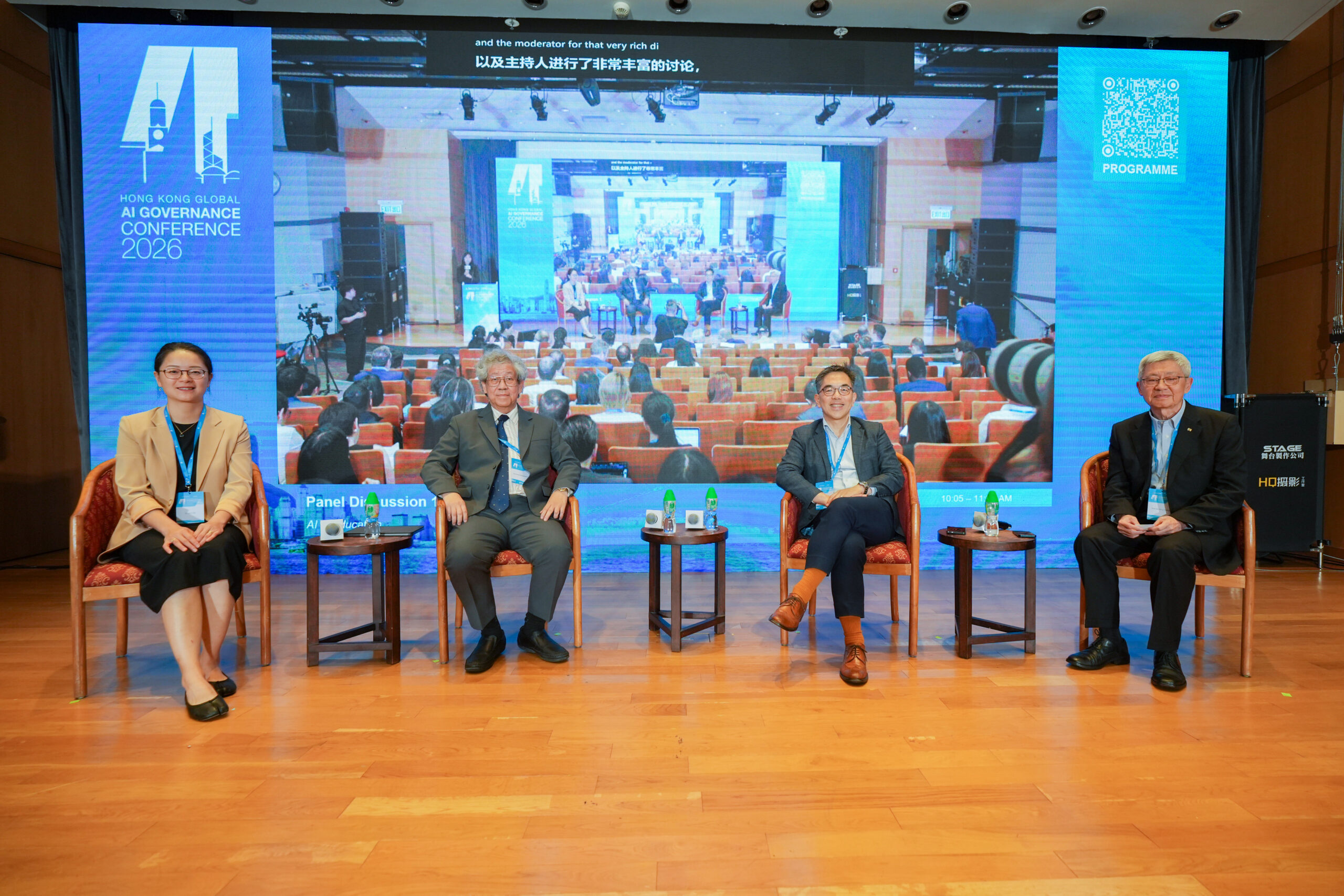
Panel Discussion 1

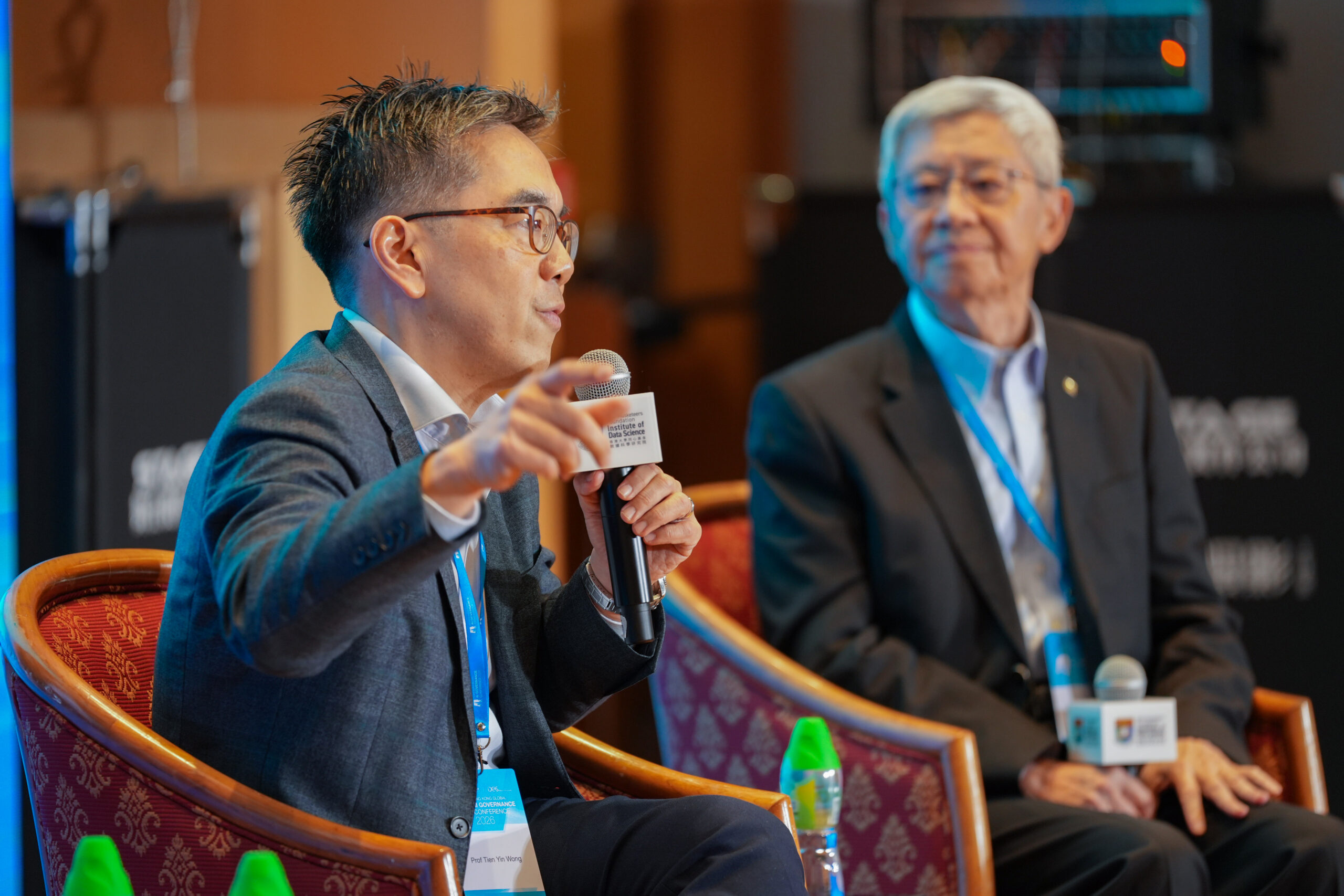
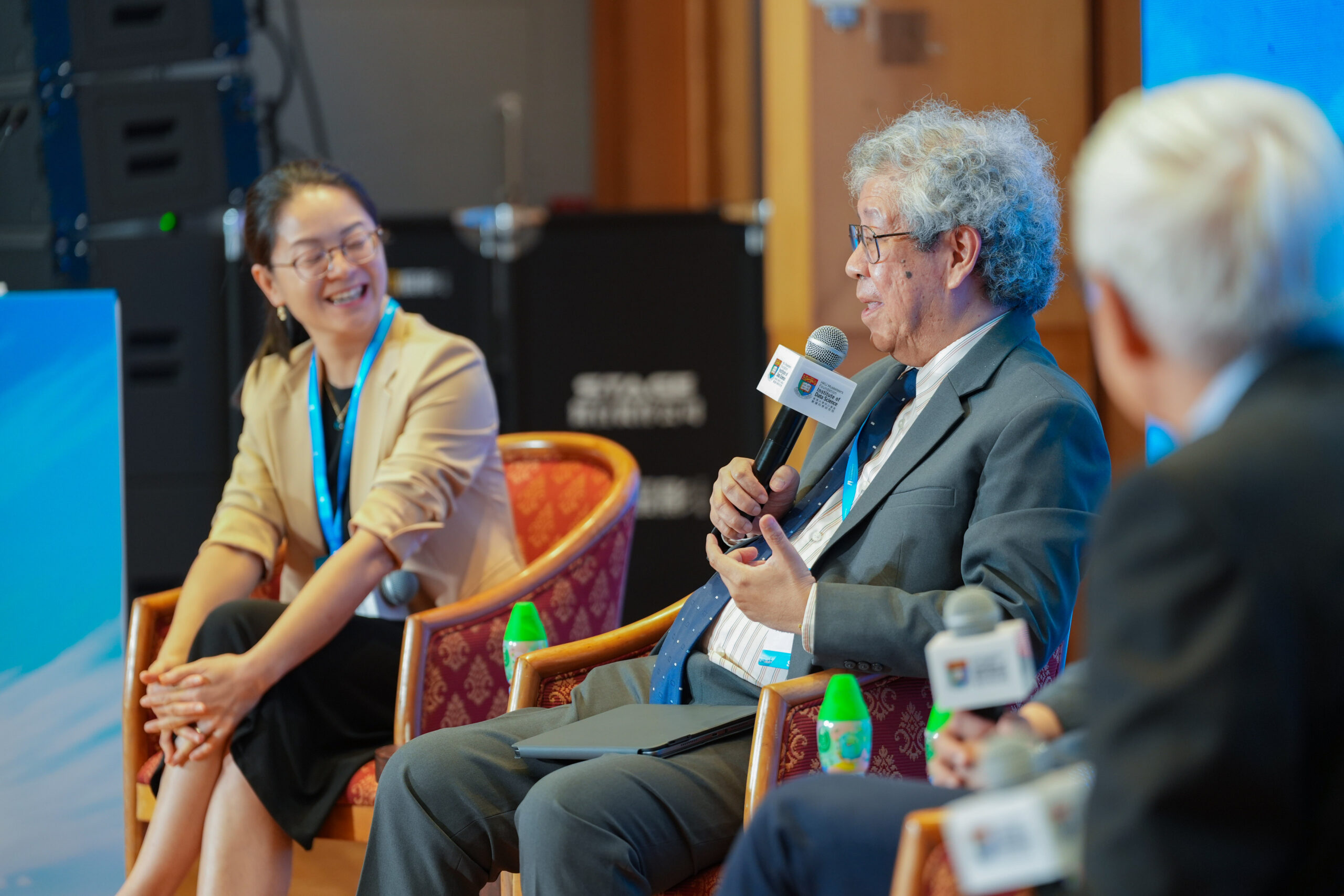
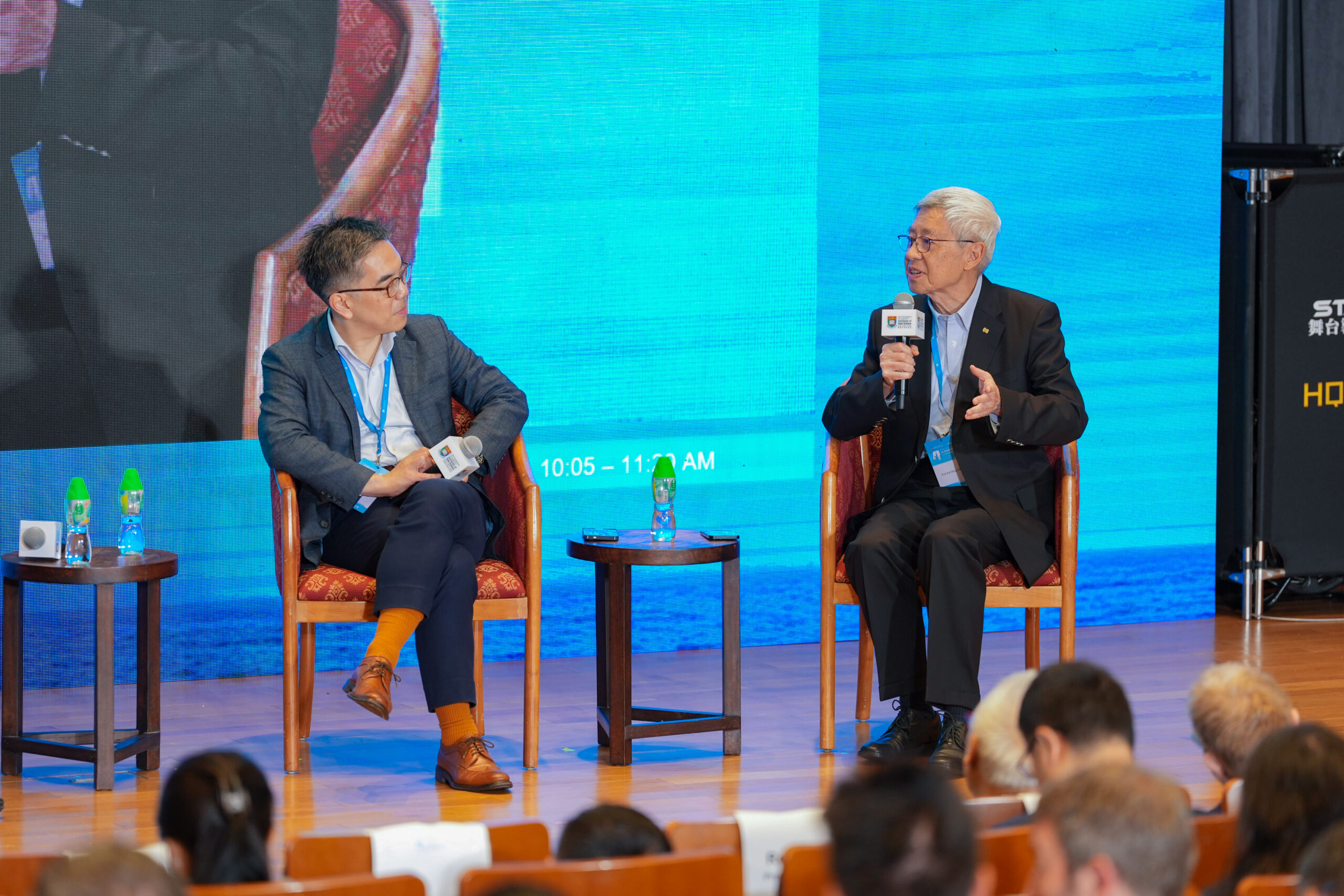
AI and Education

The discussion examined how AI is reshaping both the purpose of education and the pace at which institutions can adapt to technological change.

Discussion Summary


This panel examined how AI is changing both the practice and purpose of education. The discussion moved beyond the use of AI as a classroom tool and considered whether education systems need to rethink what students should learn, how they should learn, and how educators should adapt to an AI-enabled environment.

Speakers considered the need for educators to move beyond traditional instructional models and develop a more adaptive pedagogical mindset. AI was discussed as a tool for personalised learning and efficiency, but also as a challenge to existing assumptions about literacy, assessment, curriculum design, and the role of teachers. The panel also noted that institutional change can be slow, particularly where curriculum reform depends on long policy and implementation cycles.

At the same time, the discussion highlighted that AI is already being deployed at scale in some applied and professional training contexts, shaped by national demand and institutional priorities. Across the session, speakers returned to the importance of human judgement: students need to use AI critically, evaluate its outputs, and take responsibility for decisions informed by AI rather than relying on it passively.

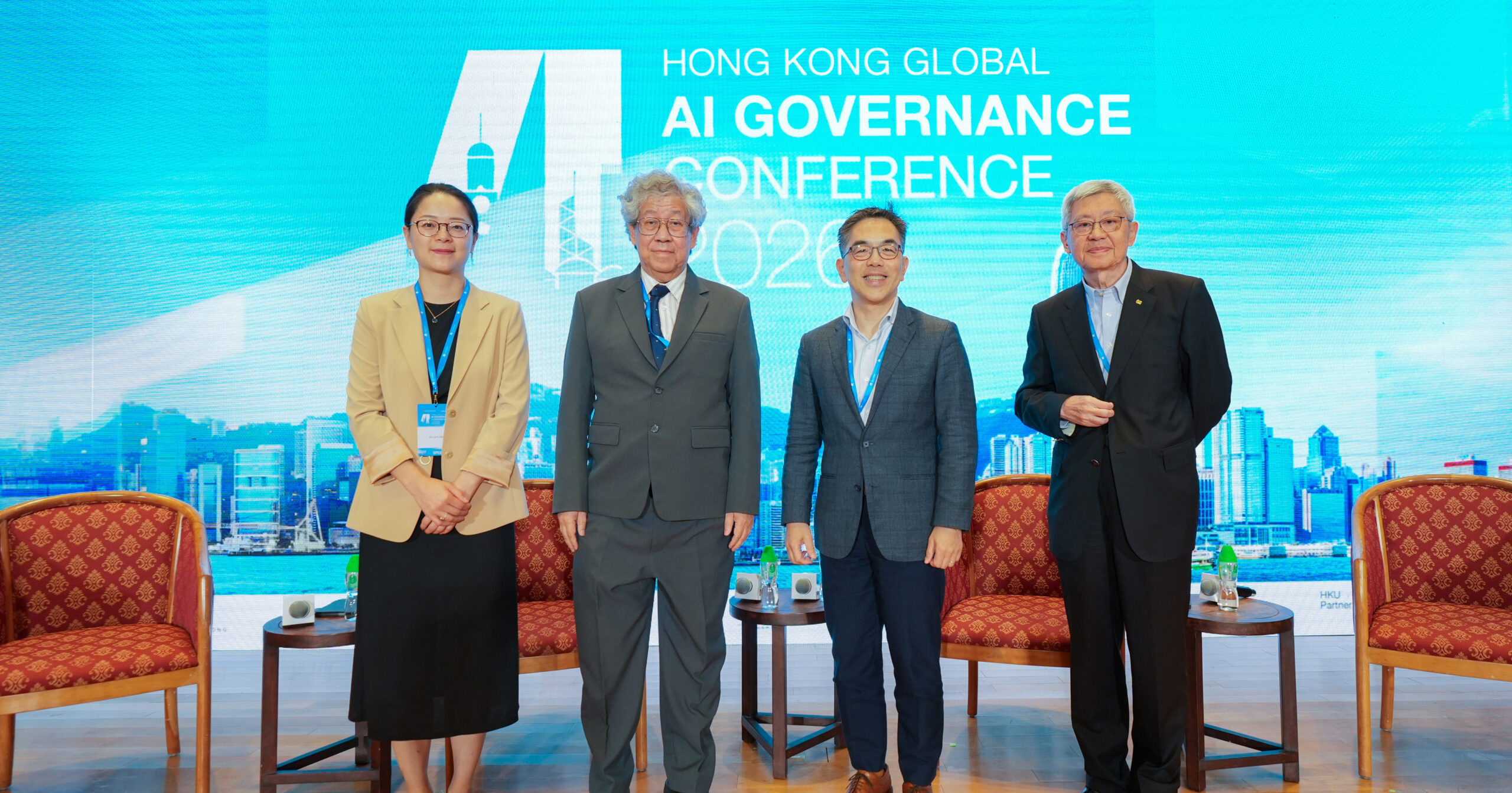
Dr Lynn DAI

General Manager, SenseTime Education, China

Prof Soraj HONGLADAROM

Professor, International Buddhist Studies College, Mahachulalongkornrajavidyalaya University, Thailand

Prof Tien Yin WONG

Vice Provost, Tsinghua University
Senior Vice Chancellor, Tsinghua Medicine, China/Singapore

Prof Kai Ming CHENG

Moderator

Emeritus Professor, Division of Policy, Administration and Social Sciences Education, Faculty of Education, HKU, HKSAR China

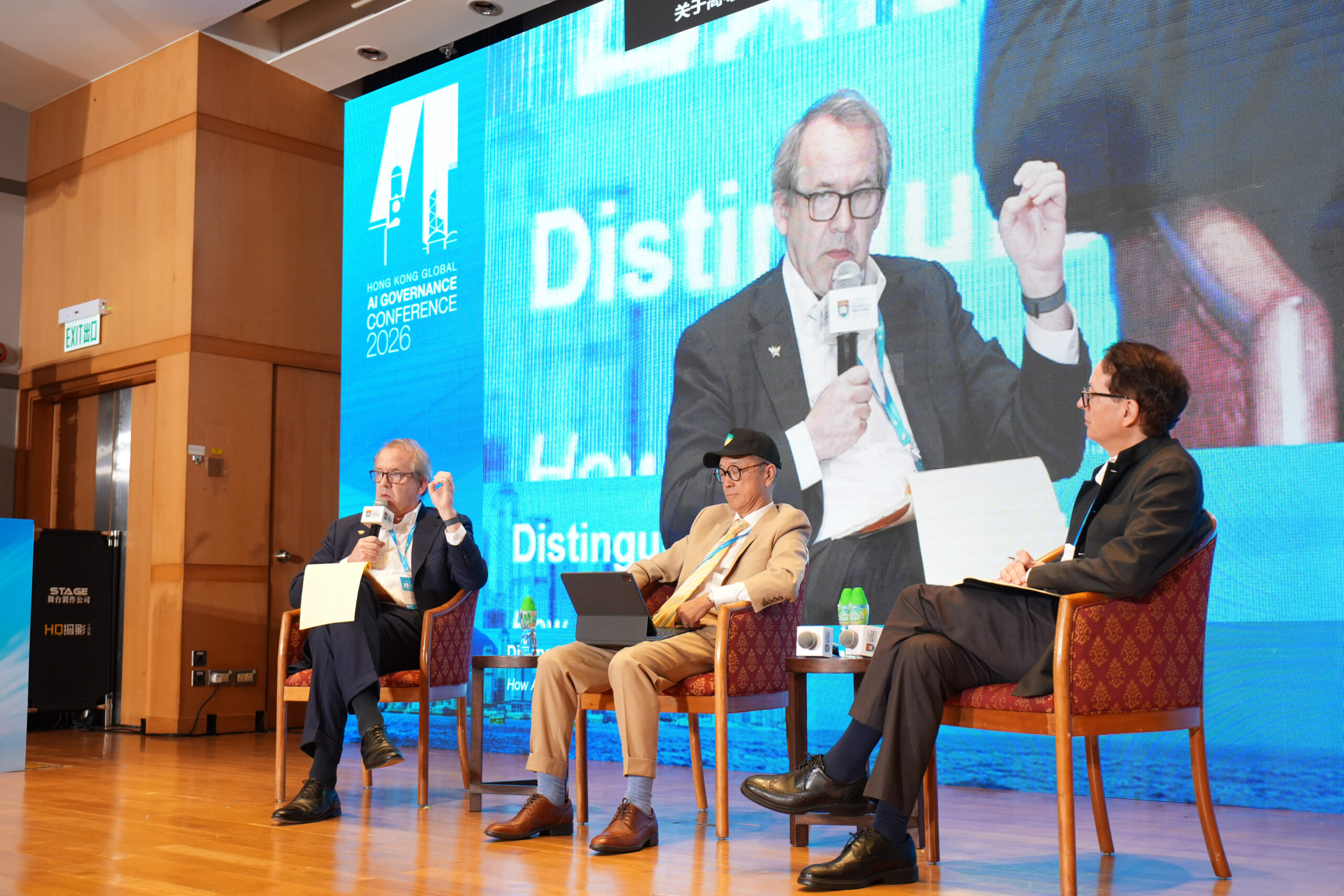
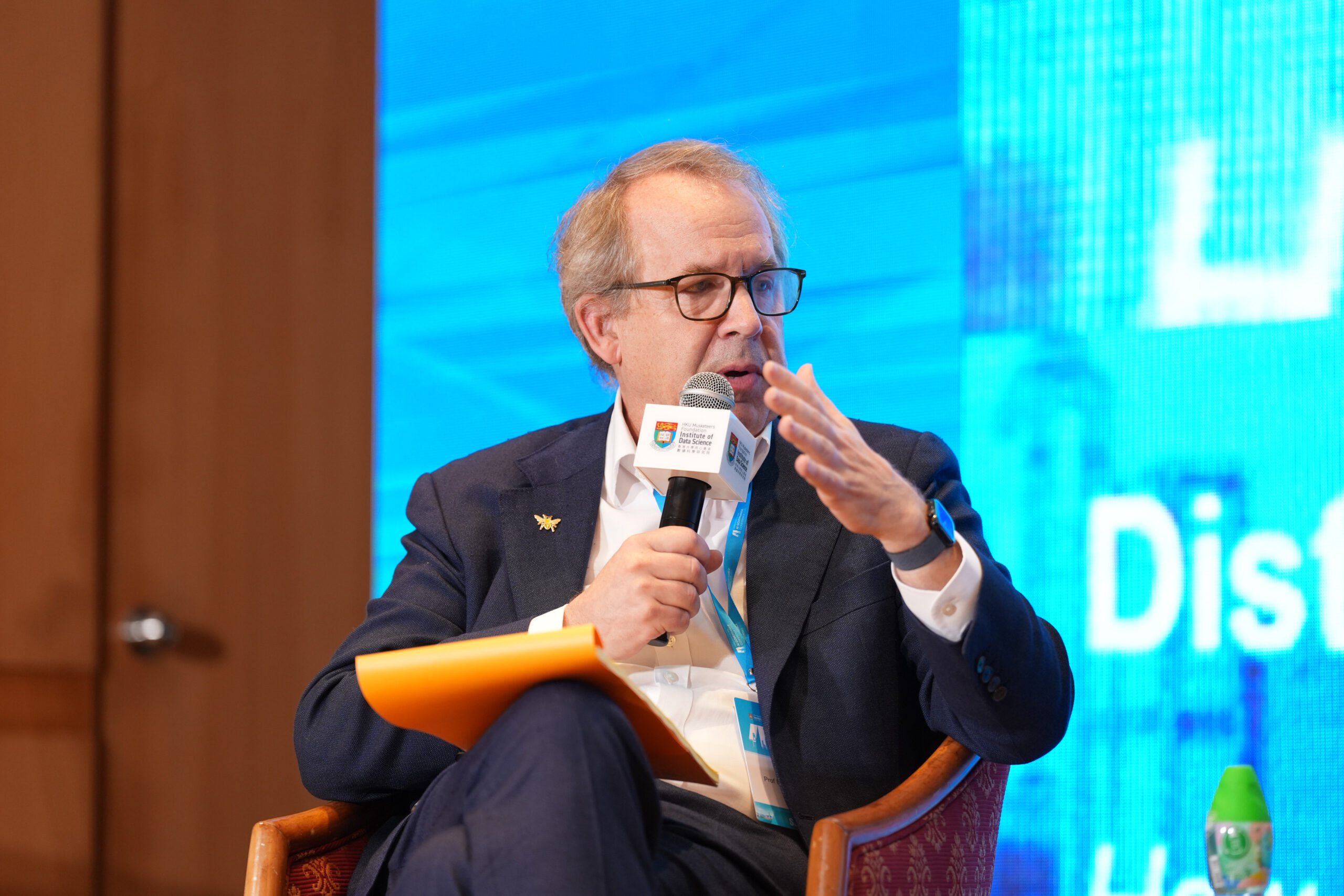
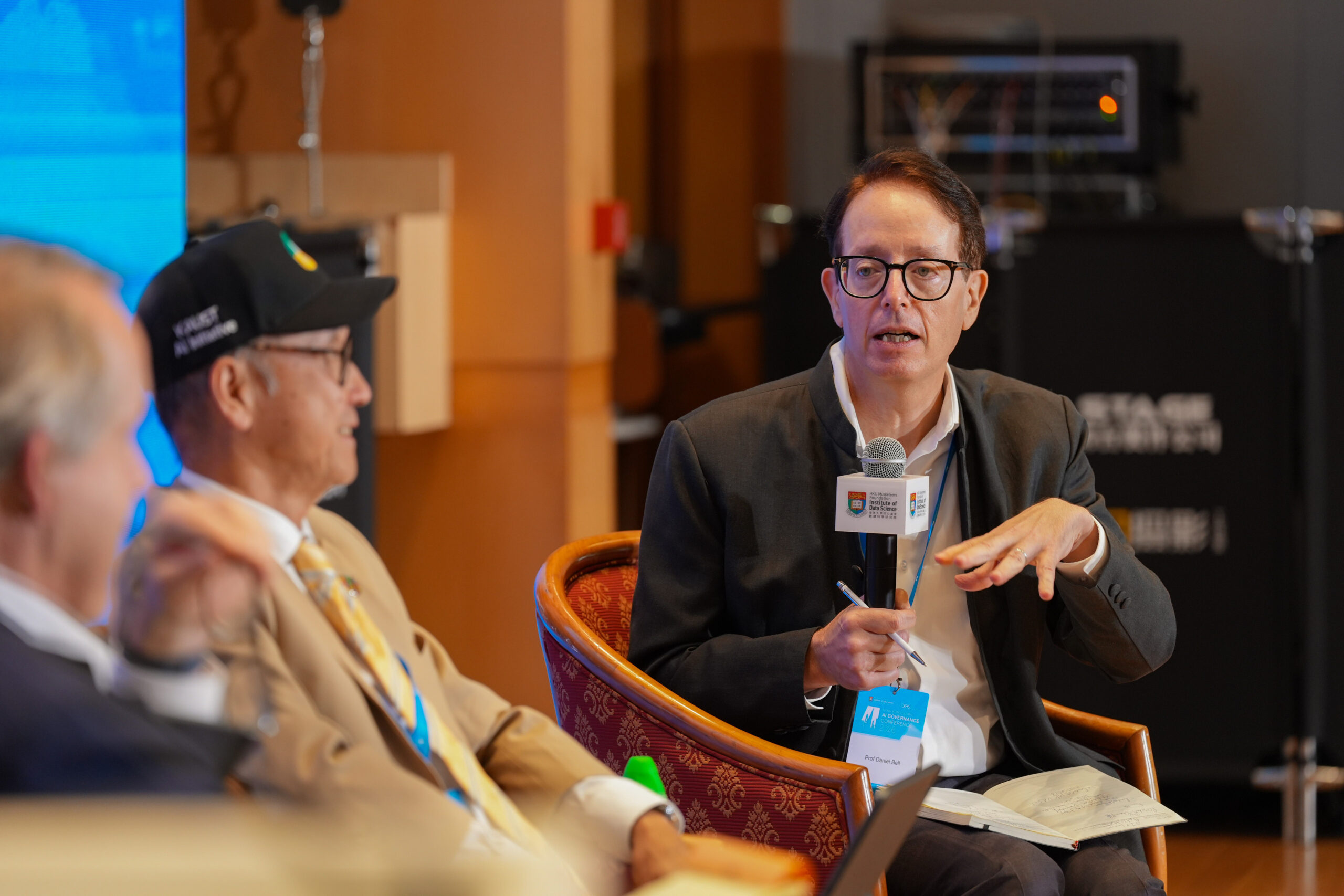
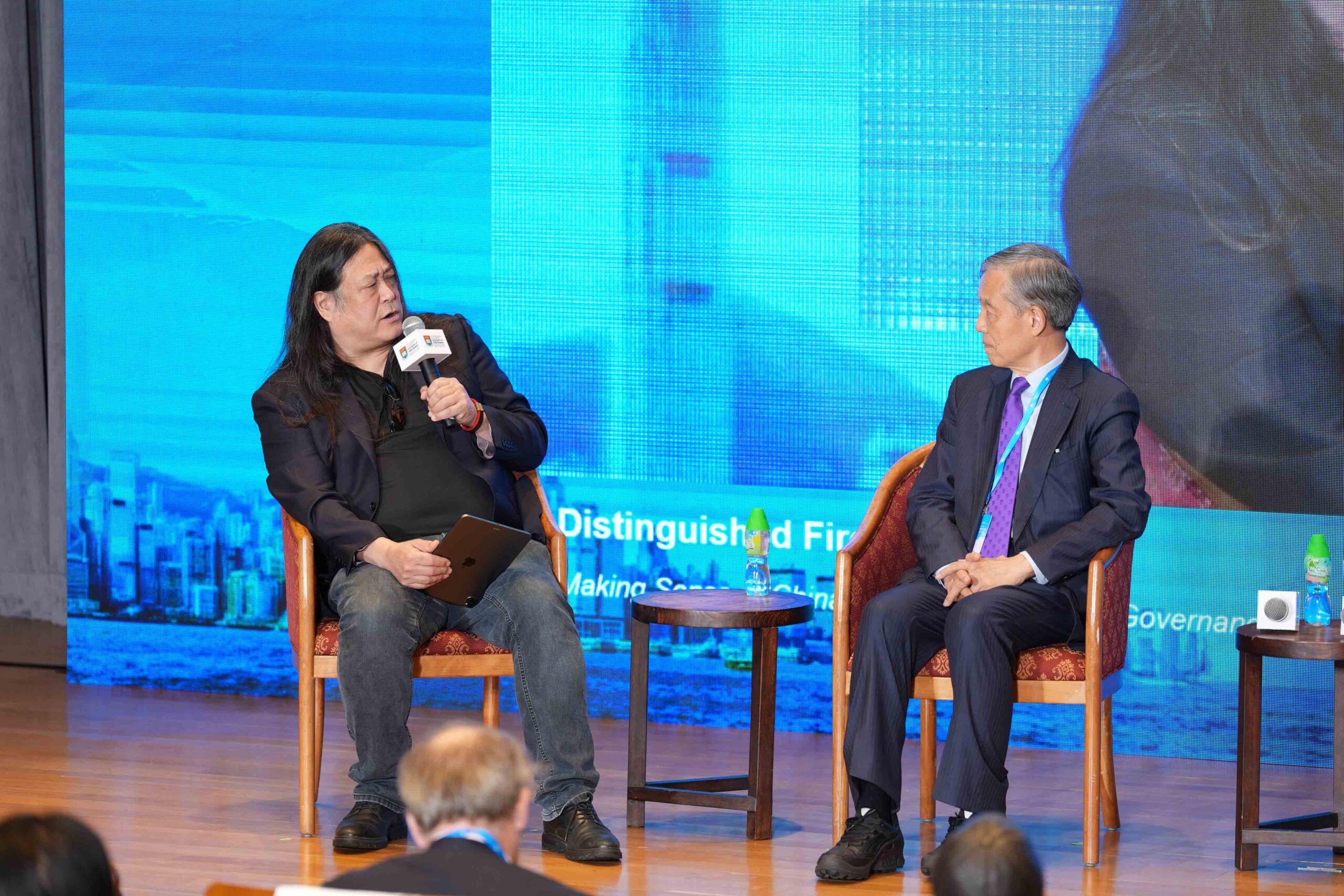
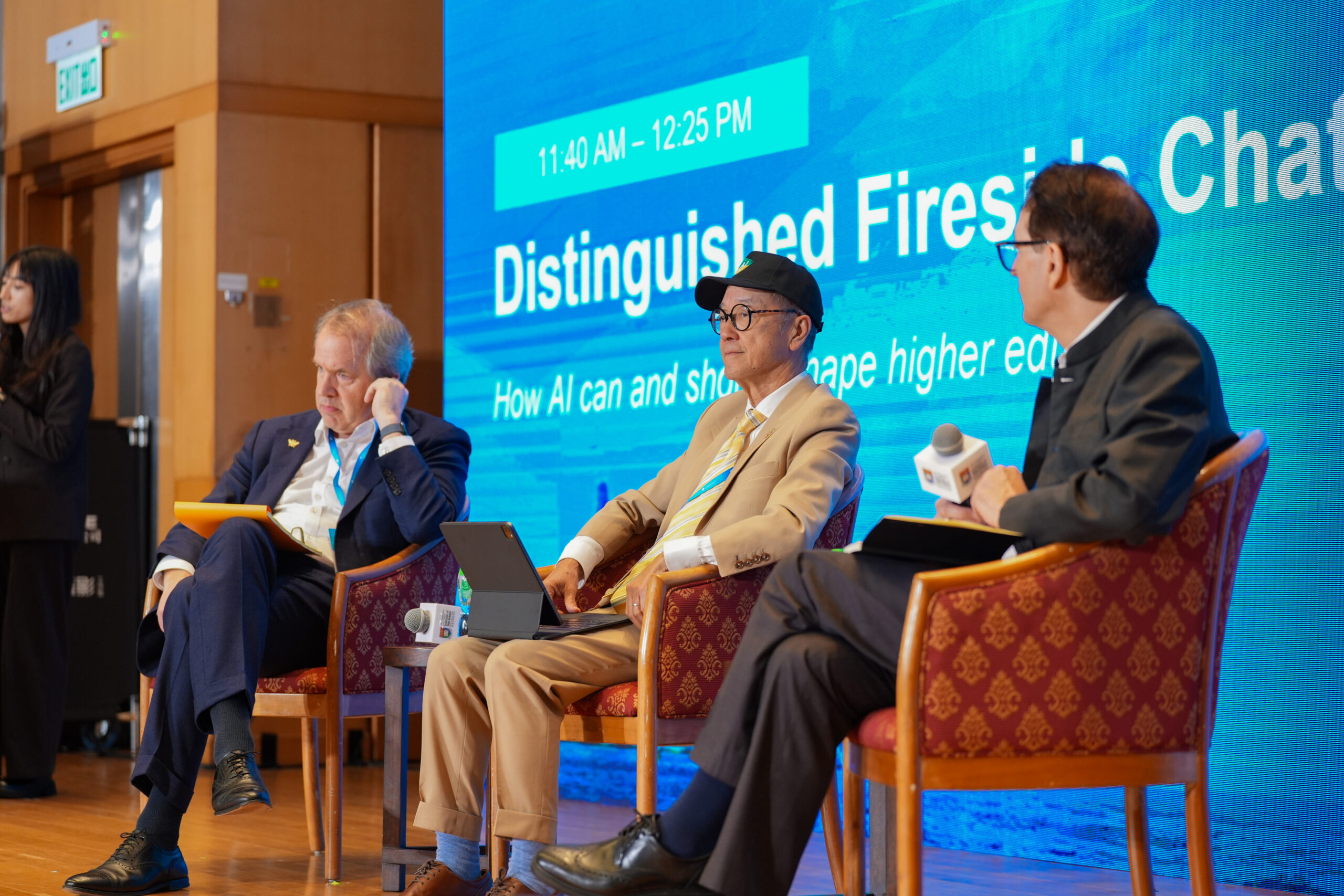
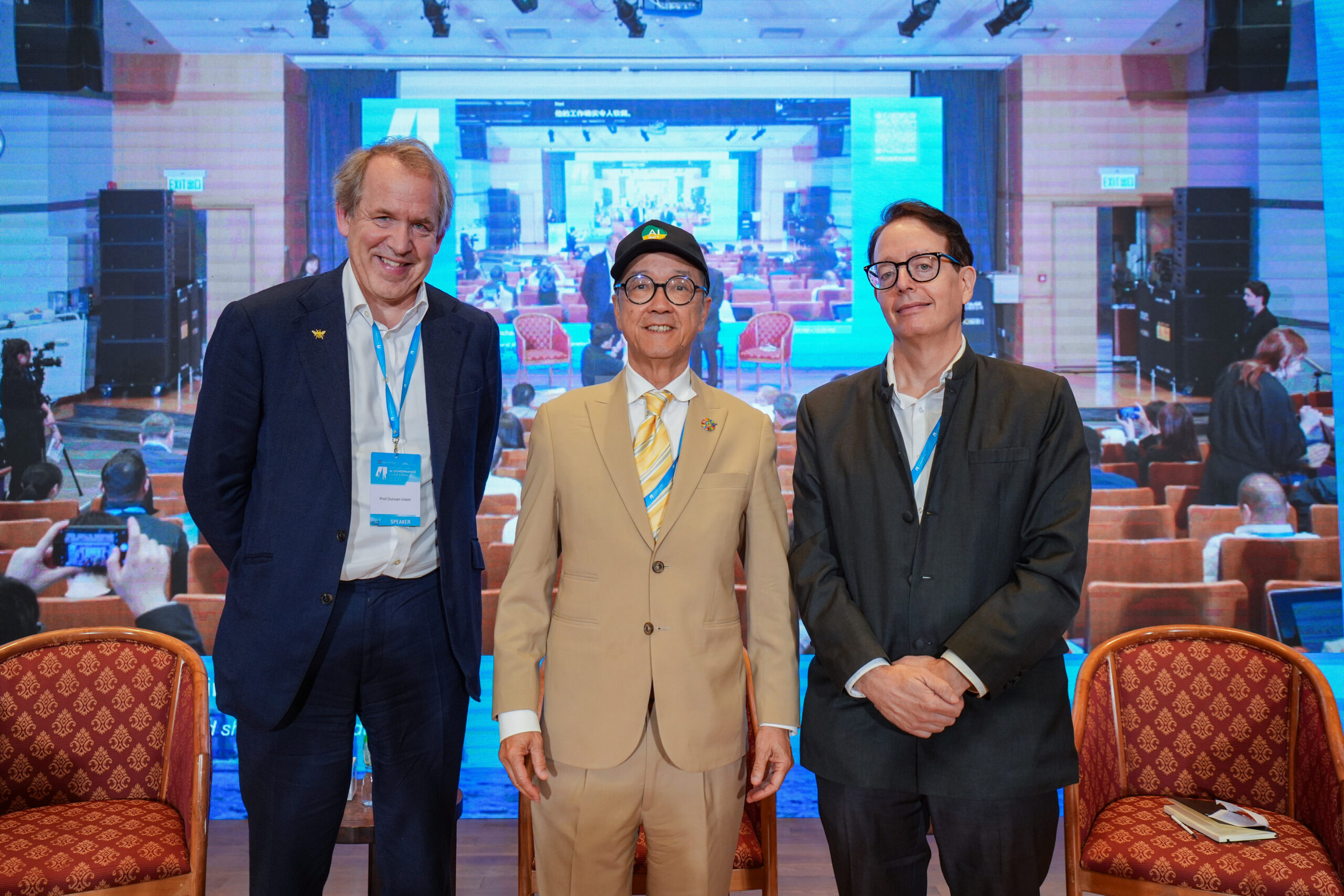
Distinguished Fireside Chat

How AI Can and Should Shape Higher Education

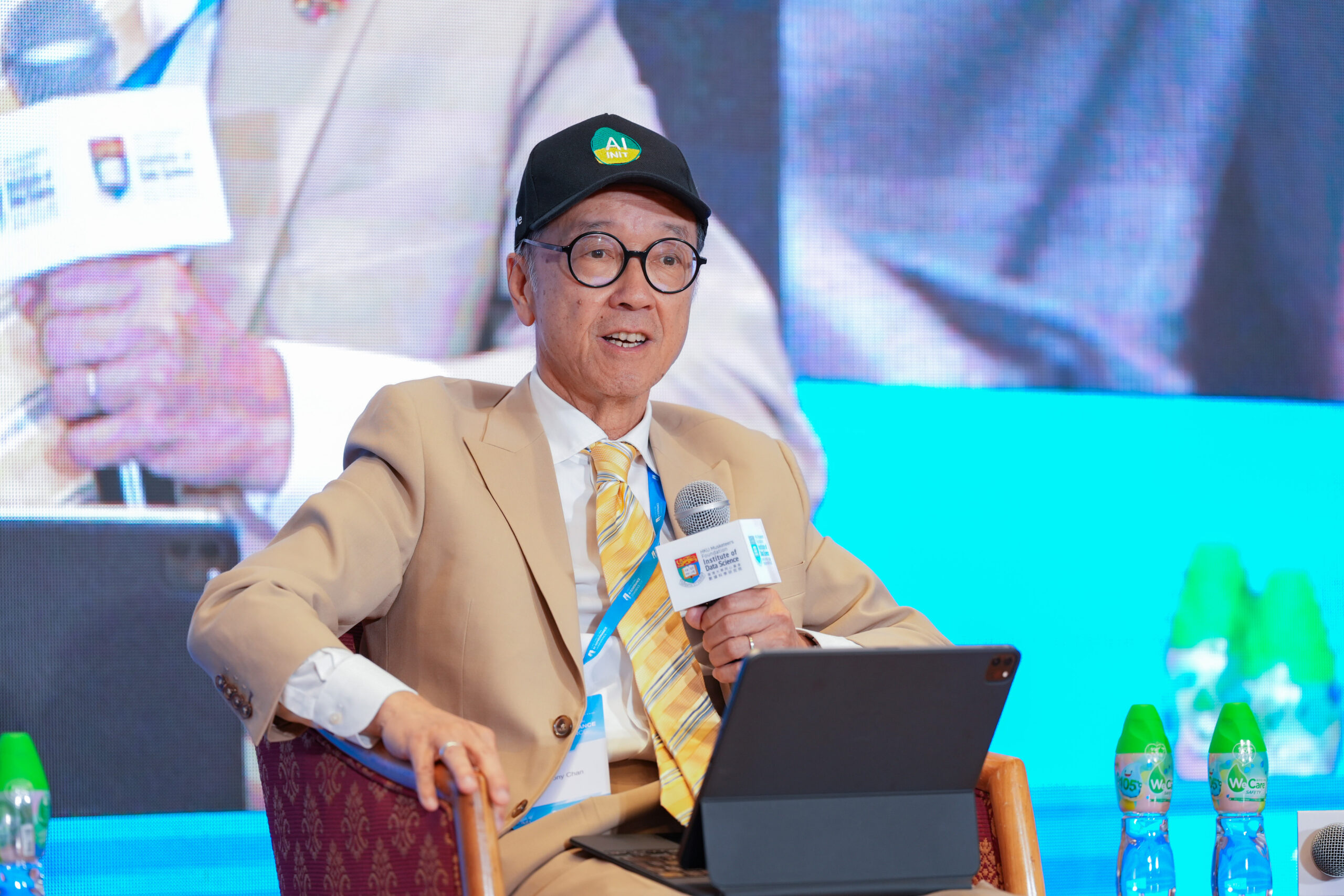
The discussion focused on how universities must redefine their role in an AI-enabled environment, shifting from knowledge delivery to the development of human capabilities that remain central in an AI-enabled environment.

Discussion Summary


This fireside chat considered the continuing role of universities in an AI-enabled environment. Rather than treating AI as a force that will make higher education obsolete, the discussion focused on how universities should evolve their role as institutions for learning, inquiry, and human development.

Speakers emphasised that universities are not only places for acquiring knowledge, but also environments for learning how to learn, testing ideas, forming judgement, and communicating clearly. In a context where information retrieval and routine cognitive tasks may increasingly be supported by AI, the discussion placed renewed emphasis on imagination, creativity, critical thinking, and the ability to ask meaningful questions.

The session also connected AI to wider pressures facing higher education, including labour market relevance, public trust, and the need for students across disciplines to develop AI literacy. AI was therefore framed not simply as a teaching aid, but as a force requiring universities to reconsider what they teach, how they teach, and what kind of graduates they aim to develop.

Prof Tony CHAN

Third President, King Abdullah University of Science and Technology; Former President, Hong Kong University of Science and Technology, USA/HKSAR China

Prof Duncan IVISON

President and Vice-Chancellor, The University of Manchester, UK

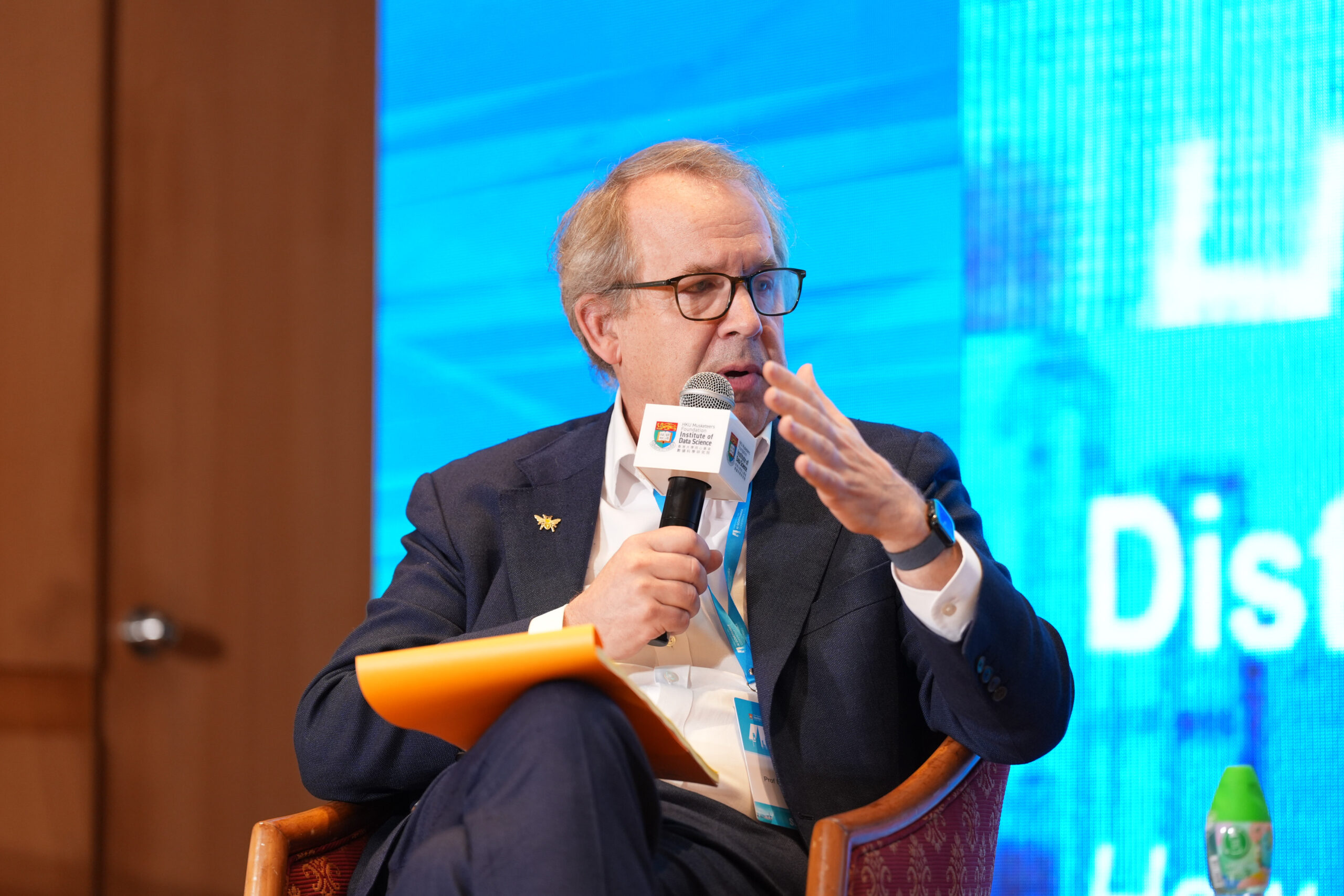
Prof Daniel BELL

Moderator

Chair of Political Theory, HKU School of Governance and Policy, HKSAR China

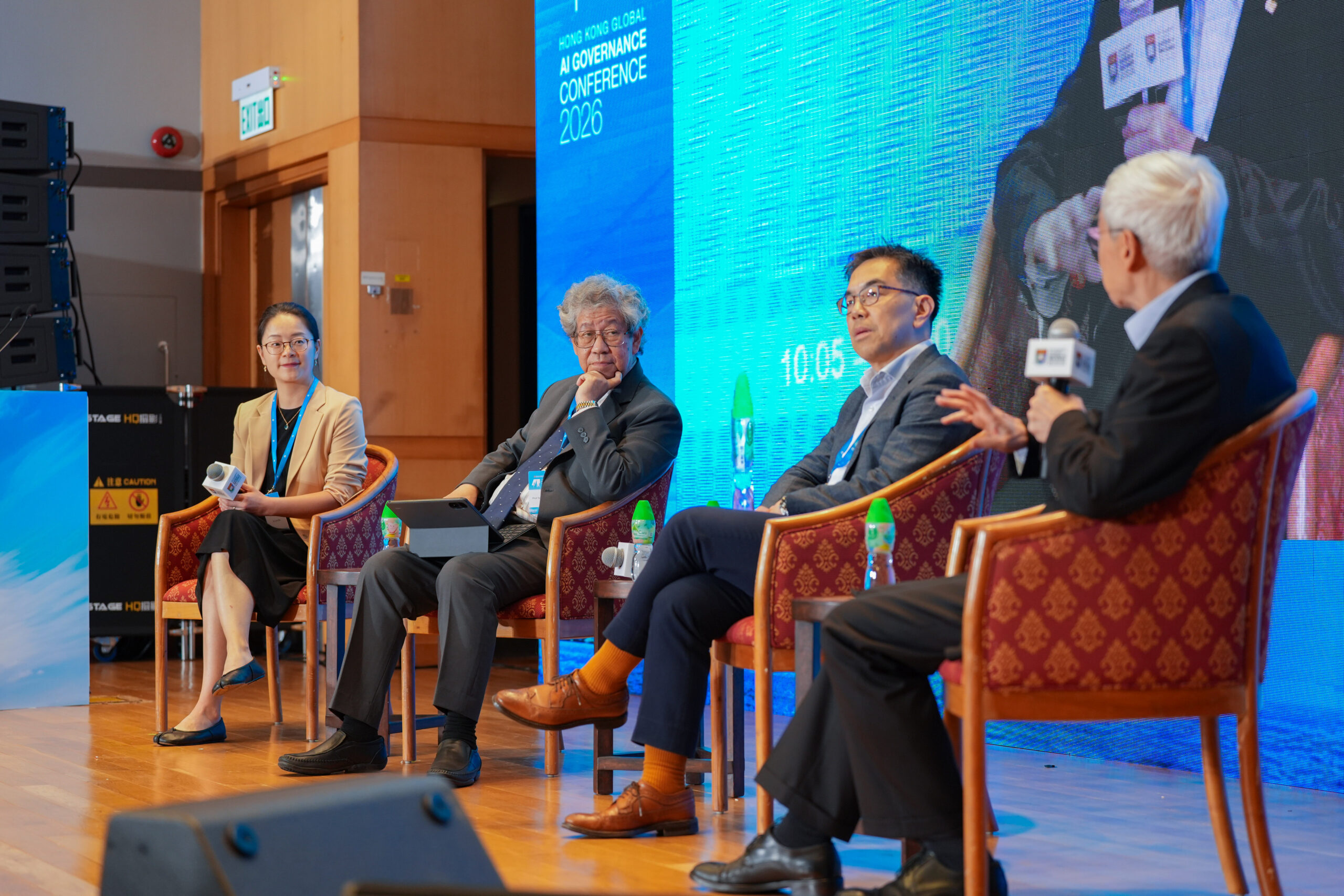
Panel Discussion 2

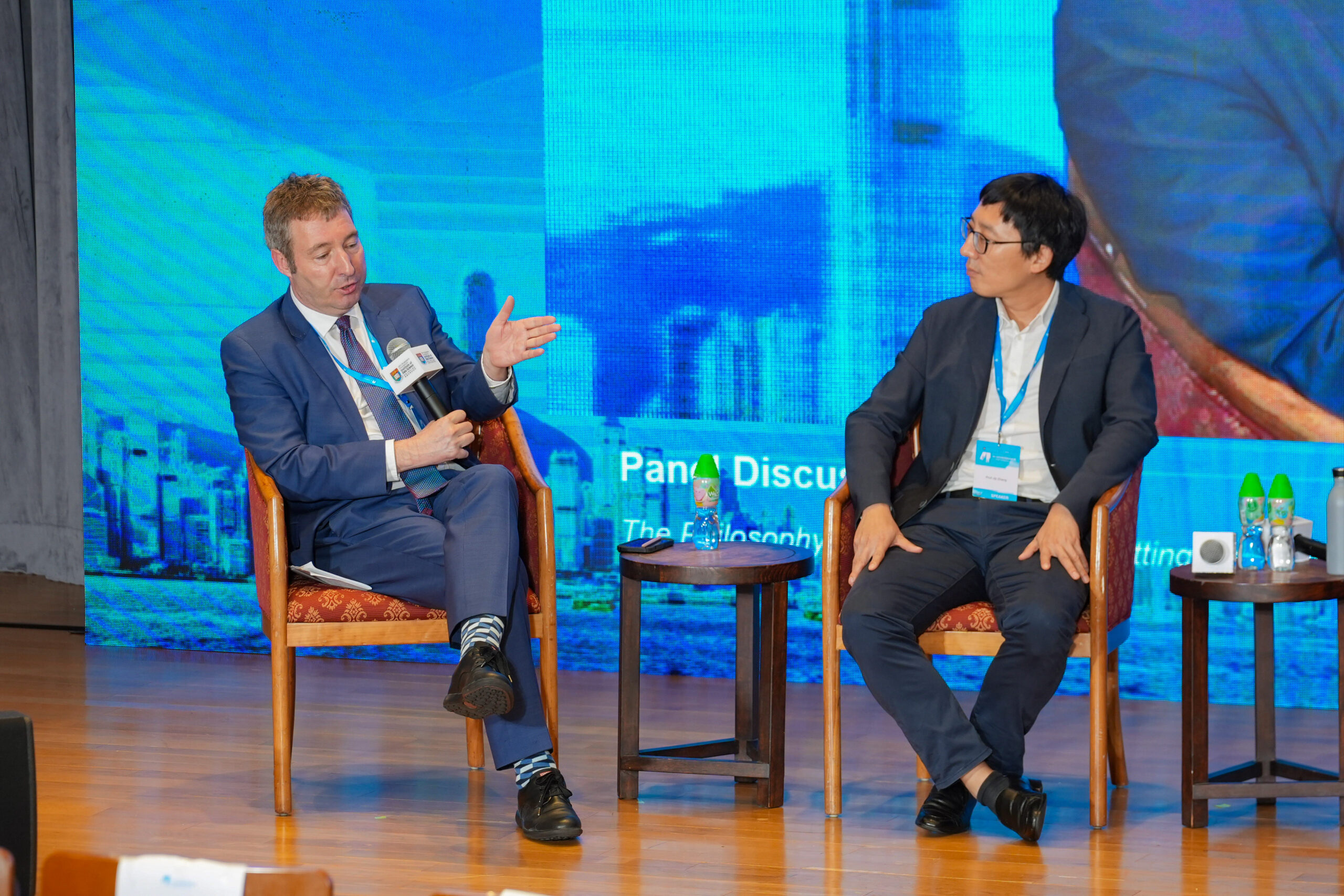
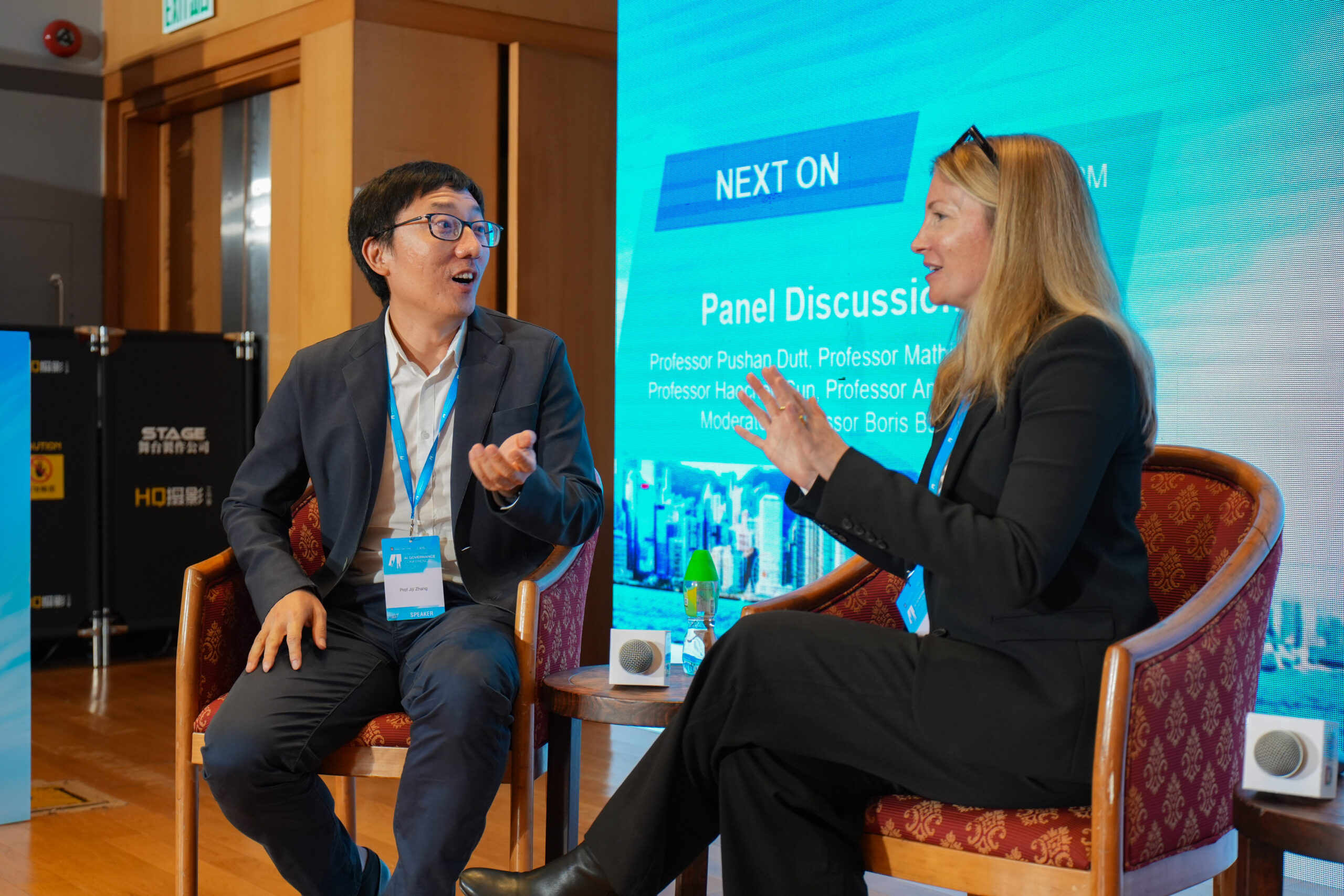
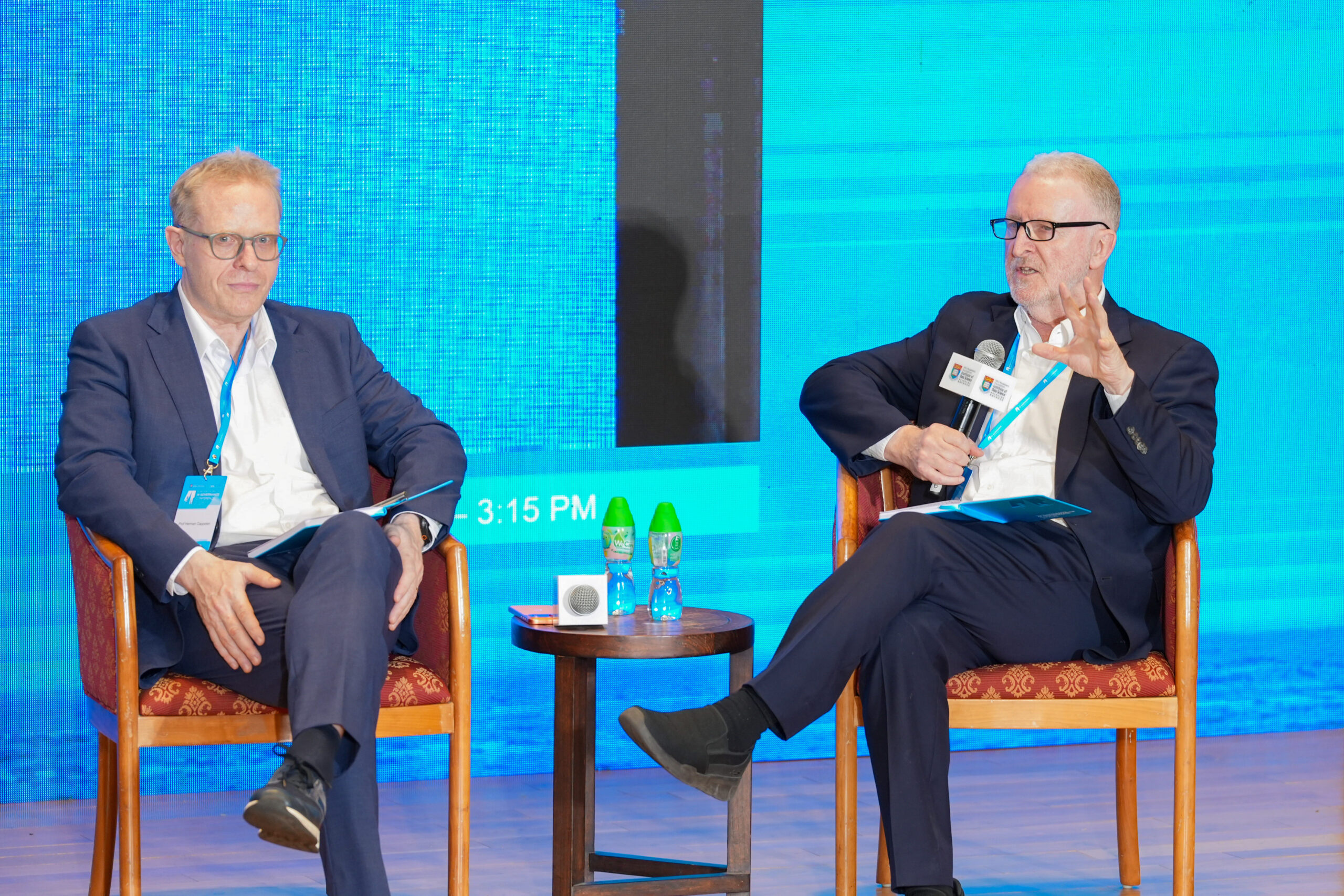
The Philosophy of AI Governance: Getting the Concepts Right

The panel examined whether existing conceptual frameworks are sufficient for understanding and governing AI systems, highlighting the risks of relying on imprecise or misleading categories.

Discussion Summary


This panel examined whether existing conceptual frameworks are adequate for understanding and governing AI systems. The discussion began from the idea that governance depends not only on laws and policies, but also on the concepts used to describe what AI systems are and what they can do.

Panellists considered how terms such as “AI”, “assistant’, “agent”, “intelligence”, and ‘trustworthiness” can import assumptions from human psychology or older philosophical traditions that may not map clearly onto current systems. The discussion examined the risks of treating AI as either human-like or purely mechanical, since both framings may distort public understanding, legal reasoning, and policy design.

Rather than treating conceptual questions as abstract or secondary, the panel framed them as directly relevant to governance. Questions of agency, responsibility, understanding, and accountability affect how institutions assign responsibility and design oversight. The session also recognised that governance cannot wait for complete philosophical consensus, and that provisional frameworks may need to evolve as AI systems and their social uses develop.

Prof Herman CAPPELEN

Chair Professor, Department of Philosophy, School of Humanities, HKU, HKSAR China

Prof Mathias RISSE

Director, Carr-Ryan Center for Human Rights, Harvard Kennedy School, USA

Prof Rachel STERKEN

Chair, Department of Philosophy and Associate Dean, Faculty of Arts, HKU, HKSAR China

Prof Jiji ZHANG

Professor, Department of Philosophy, Chinese University of Hong Kong, HKSAR China

Prof Barry SMITH

Moderator

Professor and Director, Institute of Philosophy, School of Advanced Study, University of London, UK

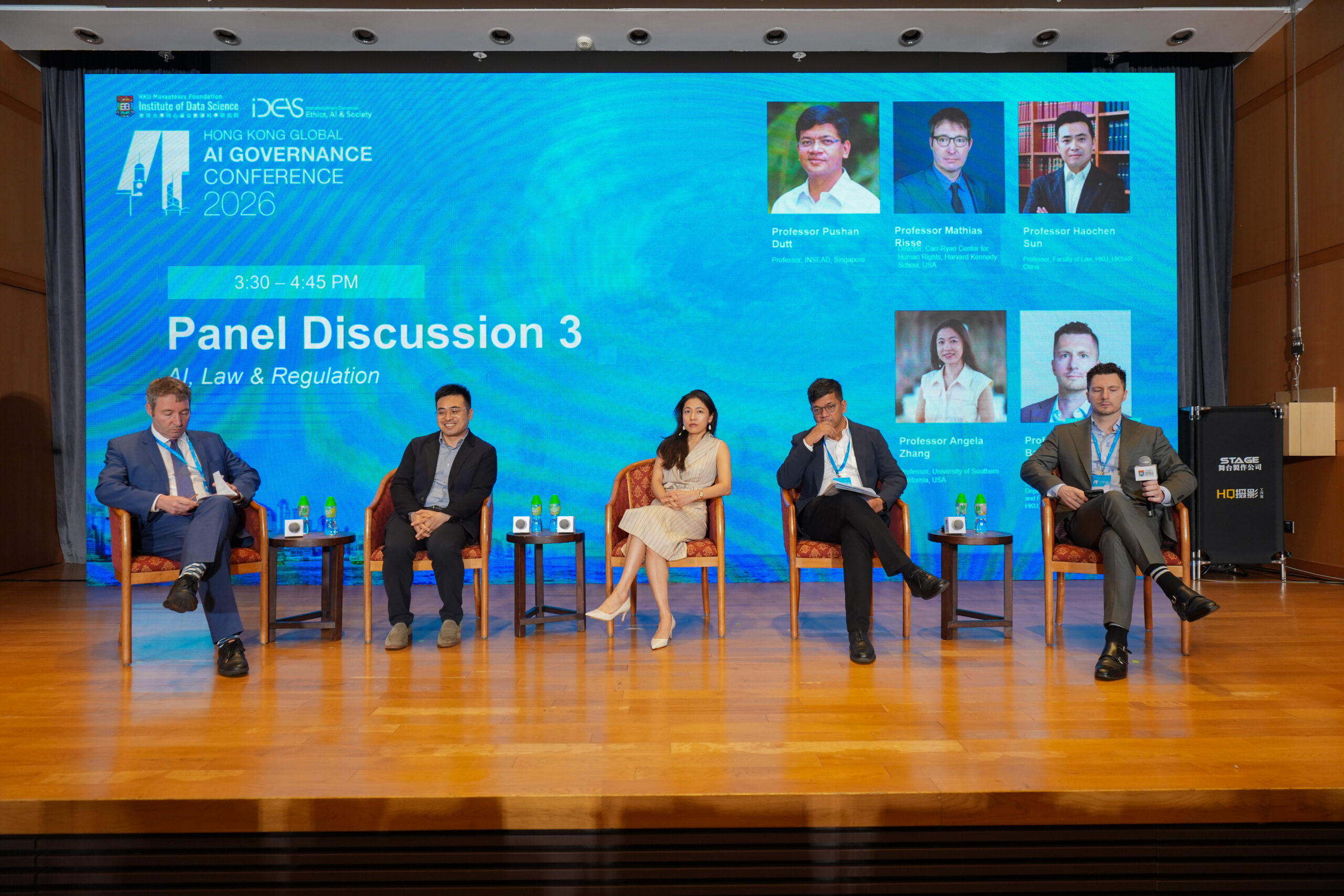
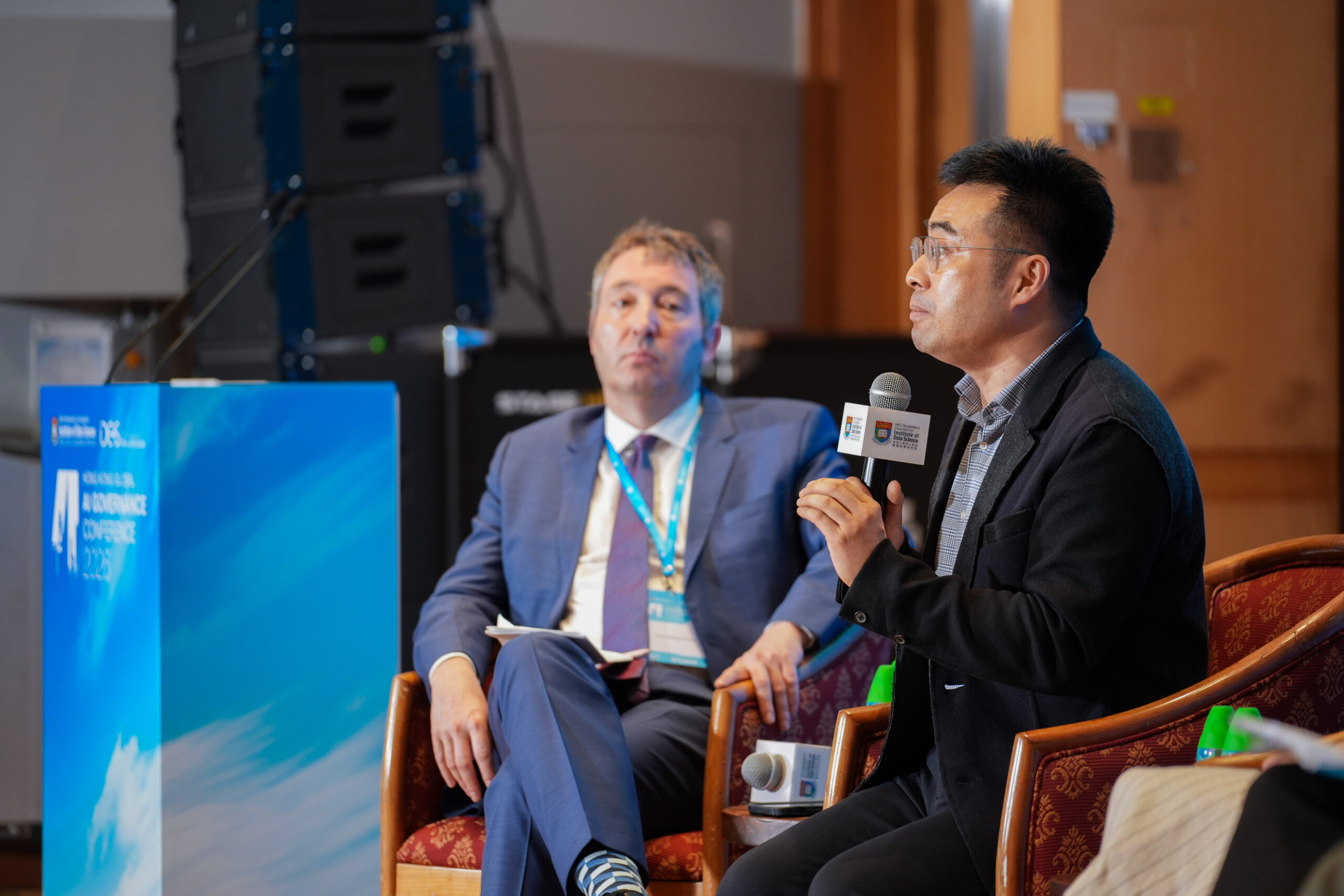
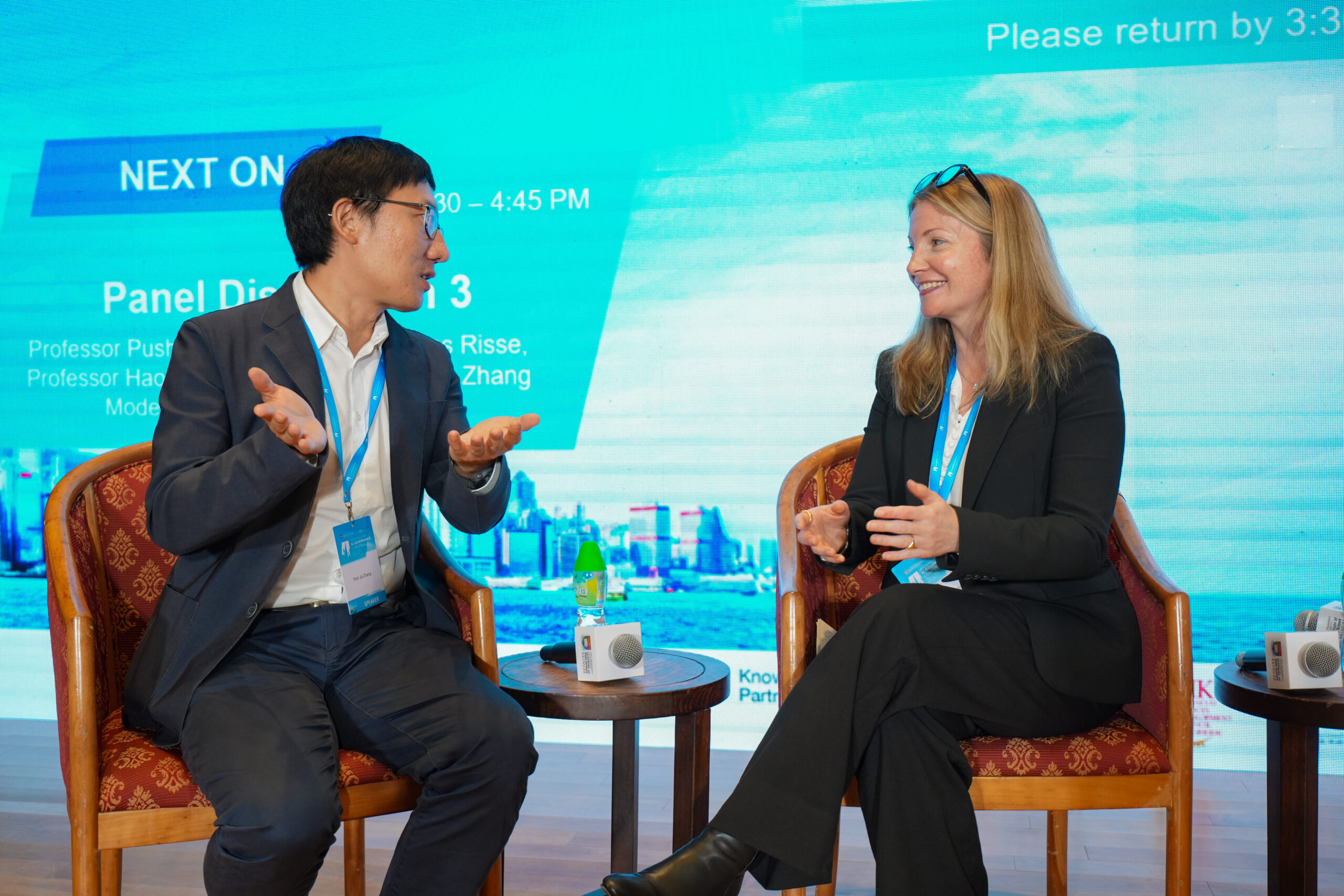
Panel Discussion 3

AI, Law & Regulation

The panel examined how existing legal systems are adapting to AI, focusing on the gap between rapidly evolving technologies and slower regulatory processes.

Discussion Summary


This panel considered how legal and regulatory frameworks are responding to the rapid development of AI. The discussion addressed whether existing legal tools can be adapted to AI-related challenges, and where new regulatory approaches may be needed.

Panellists examined issues including data governance, algorithmic accountability, intellectual property, liability, and the balance between protecting rights and enabling innovation. The discussion also considered whether market incentives alone are sufficient to prevent AI-related harms, or whether stronger legal and regulatory interventions are necessary.

A recurring concern was implementation. Even well-intentioned regulation can create compliance burdens, particularly for smaller firms, while divergent approaches across jurisdictions may complicate enforcement and cross-border deployment. The panel therefore framed AI regulation not only as a matter of legal principle, but also as a practical question of institutional capacity, regulatory timing, and feasibility.

Prof Pushan DUTT

Professor, INSEAD, Singapore

Prof Mathias RISSE

Director, Carr-Ryan Center for Human Rights, Harvard Kennedy School, USA

Prof Haochen SUN

Professor, Faculty of Law, HKU, HKSAR China

Prof Angela ZHANG

Professor, University of Southern California, USA

Prof Boris BABIC

Moderator

HKU-100 Associate Professor, HKU Musketeers Foundation Institute of Data Science, Department of Philosophy, and Faculty of Law (by courtesy), HKU, HKSAR China

Day 2 (11 April 2026)

Distinguished Fireside Chat

Making Sense of China-US Digital and Tech Governance

The discussion examined AI governance through a geopolitical lens, while challenging simplified narratives and highlighting the complexity of cross-border technological systems.

Discussion Summary


This fireside chat examined AI and digital governance through the lens of China-US relations, while cautioning against overly simplified geopolitical narratives. Speakers acknowledged the importance of China and the United States in shaping technological capability, standards, and strategic competition, but also considered a wider ecosystem involving institutions, firms, researchers, and deployment environments.

The discussion considered how AI governance should not be limited to controlling frontier models. Instead, speakers examined how AI is deployed across social, industrial, and institutional contexts, and how different regulatory traditions shape the way risks and opportunities are understood.

Hong Kong’s role was also discussed in relation to cross-system dialogue. Given its position between different legal, policy, and intellectual traditions, Hong Kong was presented as a possible platform for exchange on AI governance, especially where global debates are often shaped by simplified assumptions about competing systems.

Mr Kaiser KUO

Writer, technology commentator
Host and Co‑Founder, Sinica Podcast, USA/China

Prof Lan XUE

Dean, Schwarzman College, Tsinghua University, China

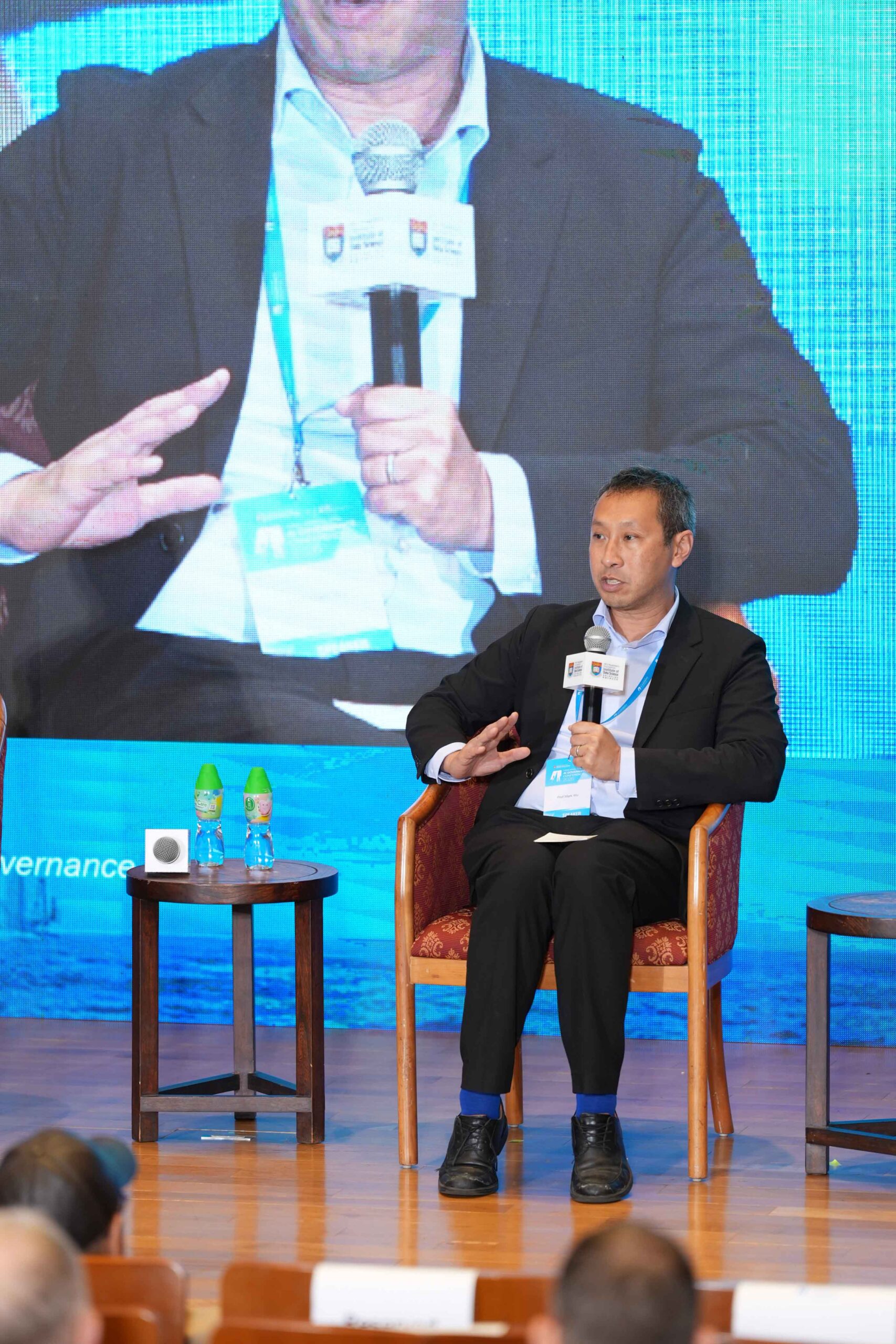
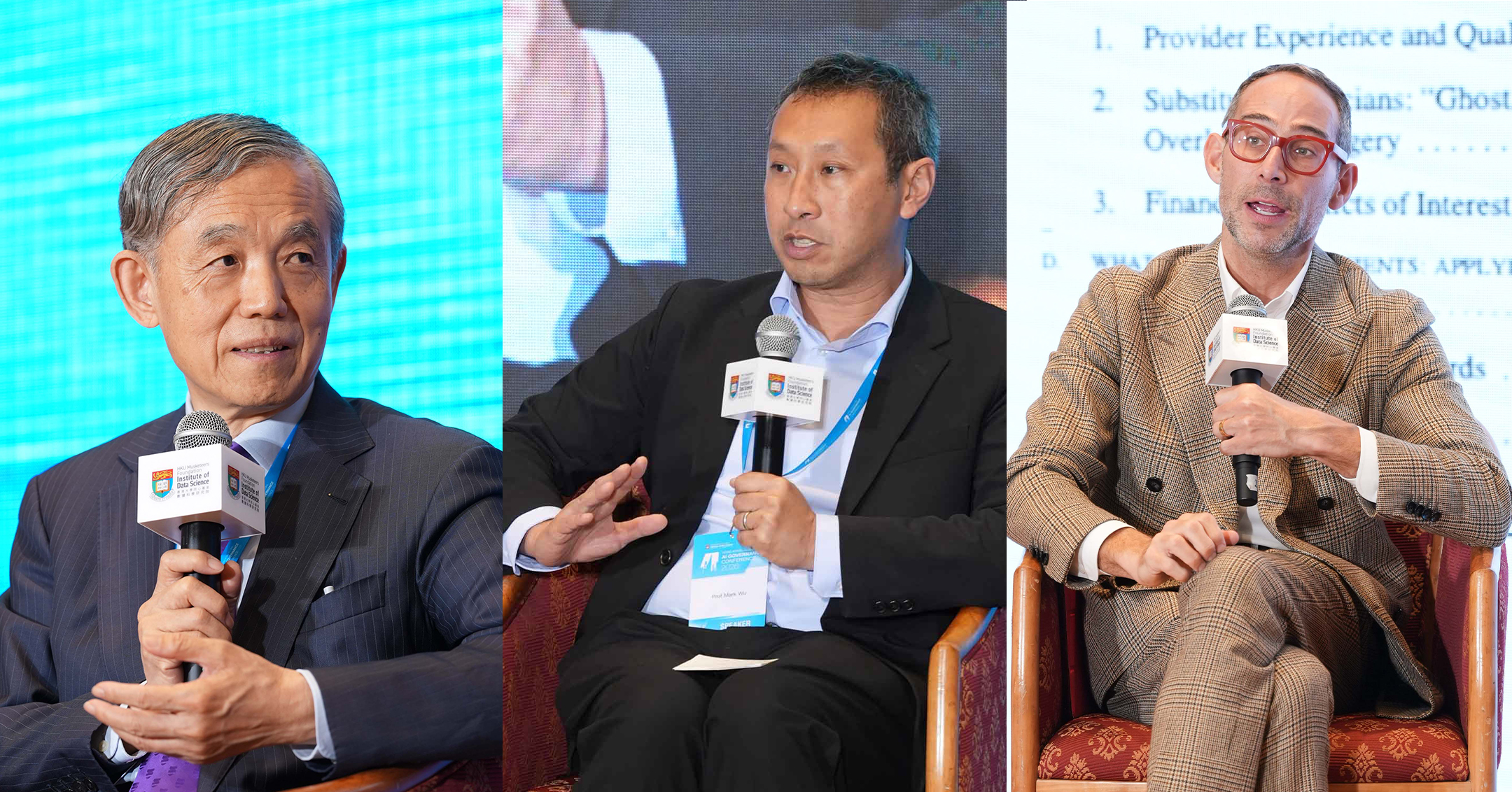
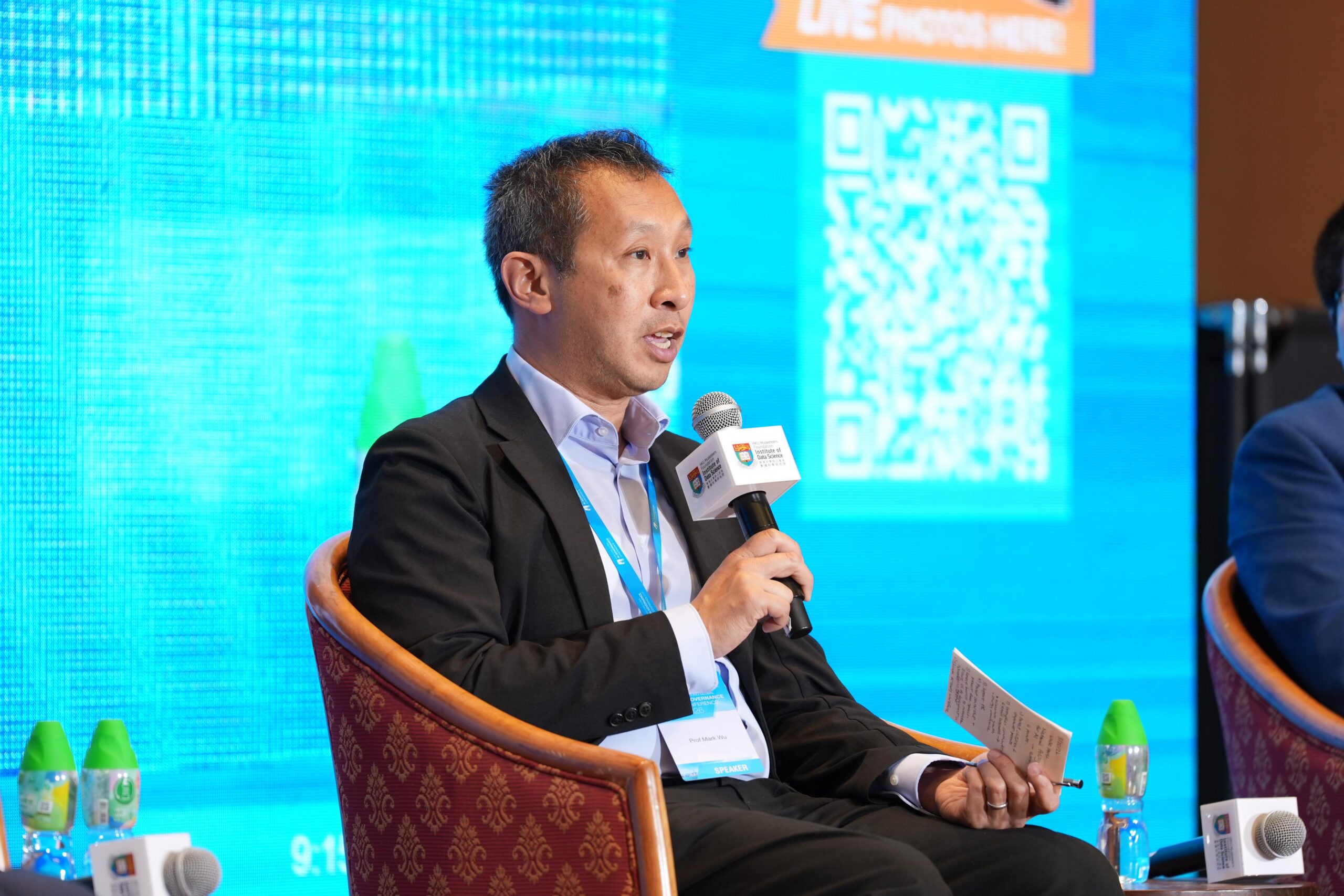
Prof Mark WU

Henry L. Stimson Professor, Harvard Law School
Co-Director, Berkman Klein Center for Internet and Society, Harvard University, USA

Prof Brian WONG

Moderator

HKU-100 Assistant Professor, Department of Philosophy
Fellow, Centre on Contemporary China and the World, HKU, HKSAR China

Distinguished Global Conversation

When Nudge Meets AI: The Future of Technology and Human Autonomy

The discussion explored how AI intersects with human decision-making, highlighting both its potential to improve judgement and the risks it poses to autonomy and agency.

Discussion Summary


This conversation explored the relationship between AI, decision-making, and human autonomy. The discussion considered how AI may reduce certain forms of inconsistency or bias in judgement, particularly where human decisions are affected by mood, noise, or predictable cognitive errors.

At the same time, speakers examined the boundary between legitimate influence and manipulation. A central question was whether AI supports better decision-making by improving information and clarifying preferences, or whether it risks bypassing reflective judgement and undermining autonomy.

The conversation also considered the dual role of AI in shaping behaviour. AI systems may create new forms of manipulation, but may also help users resist manipulation by filtering misleading information or improving decision environments. Broader concerns included dependence on AI, the possible weakening of human judgement over time, and the distributional consequences of AI-driven efficiency, including who benefits and who bears the costs.

Prof Cass SUNSTEIN

Professor, Harvard Law School, USA

Prof Brian WONG

Moderator

HKU-100 Assistant Professor, Department of Philosophy
Fellow, Centre on Contemporary China and the World, HKU, HKSAR China

Panel Discussion 4

Values and Institutions for AI Governance

The panel examined which values should guide AI governance and how these can be translated into effective institutional mechanisms.

Discussion Summary


This panel considered how values can be translated into practical institutions for AI governance. The discussion focused on inclusion, fairness, trust, and institutional capacity, asking not only which values should guide AI governance, but how those values can be implemented in practice.

Speakers discussed unequal access to infrastructure, education, and opportunity, and considered how technological progress should be evaluated in relation to poorer and more excluded communities. The panel also examined the role of institutions beyond government, including academia, civil society, media, international organisations, and other trust-building actors.

A recurring theme was that values alone are insufficient unless they are connected to mechanisms that can operate in real-world contexts. The discussion therefore moved between normative questions, such as fairness and inclusion, and institutional questions about capacity, trust, and implementation under uncertainty.


Ms Bolor BATTSENGEL

Founder and Chief Executive Officer, AI Academy Asia
Former Vice Minister of Digital Development, UK/MongoliaFounder and Chief Executive Officer, AI Academy Asia
Former Vice Minister of Digital Development, UK/Mongolia

Prof Anil GABA

ORPAR Chaired Professor and Academic Director, Centre on Decision Making and Risk Analysis, INSEAD, Singapore

Dr Anoop SINGH

Distinguished Fellow, NITI Aayog and Centre for Social and Economic Progress
Former Managing Director, Asia Pacific Department of International Monetary Fund, India

Dr Julian HUPPERT

Founding Director, Intellectual Forum, Jesus College, Cambridge
Former MP for Cambridge, UK

Prof Barry SMITH

Professor and Director, Institute of Philosophy, School of Advanced Study, University of London, UK

Prof Daniel BELL

Moderator

Professor and Chair of Political Theory, HKU School of Governance and Policy, HKSAR China

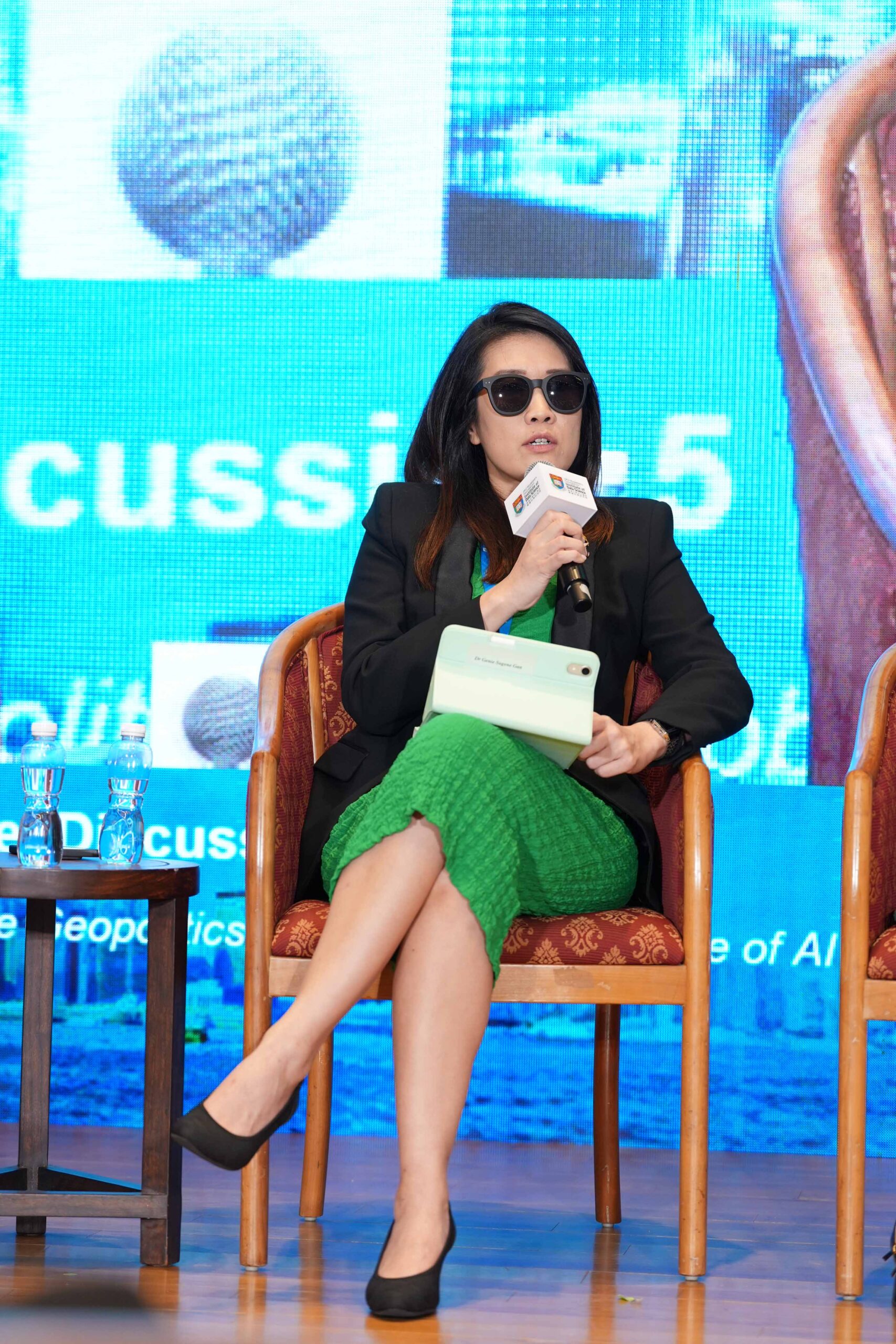
Panel Discussion 5

On the Geopolitics and Global Governance of AI

The panel examined what global AI governance requires in a context of uneven capabilities, diverse political systems, and differing institutional capacities.

Discussion Summary


This panel examined the global governance of AI in a context of uneven capabilities, diverse political systems, and strategic competition. The discussion challenged the idea that AI governance can be reduced to a two-player race, while recognising that major powers and large technology companies play a disproportionate role in shaping outcomes.

Panellists considered whether meaningful international cooperation is possible when states and firms face incentives to pursue advantage, and whether shared risks could create pressure for coordination. The discussion also addressed the role of open technologies, shared infrastructure, multilateral institutions, and enforceable mechanisms such as standards, reporting requirements, procurement rules, and oversight.

The session also widened the governance lens to include language, culture, labour impact, and institutional capacity. These issues complicate universal governance models, particularly for regions and communities with fewer technical resources or less influence over global standard-setting.

Prof George CHEN

Partner & Co-Chair, Digital Practice, The Asia Group
Former Regional Public Policy Director, Meta, HKSAR, China

Dr Genie Sugene GAN

Global Governor, Global Council for Responsible AI
Co-Chair of CSA Alliance
Chair for Cybersecurity, SGTech

Dr Hongyu FU

Director, AI Governance Center and the Data Economy Center, Alibaba Research Institute, China

Prof Qian XIAO

Vice Dean, Institute for AI International Governance
Deputy Director, Centre for International Security and Strategy, Tsinghua University, China

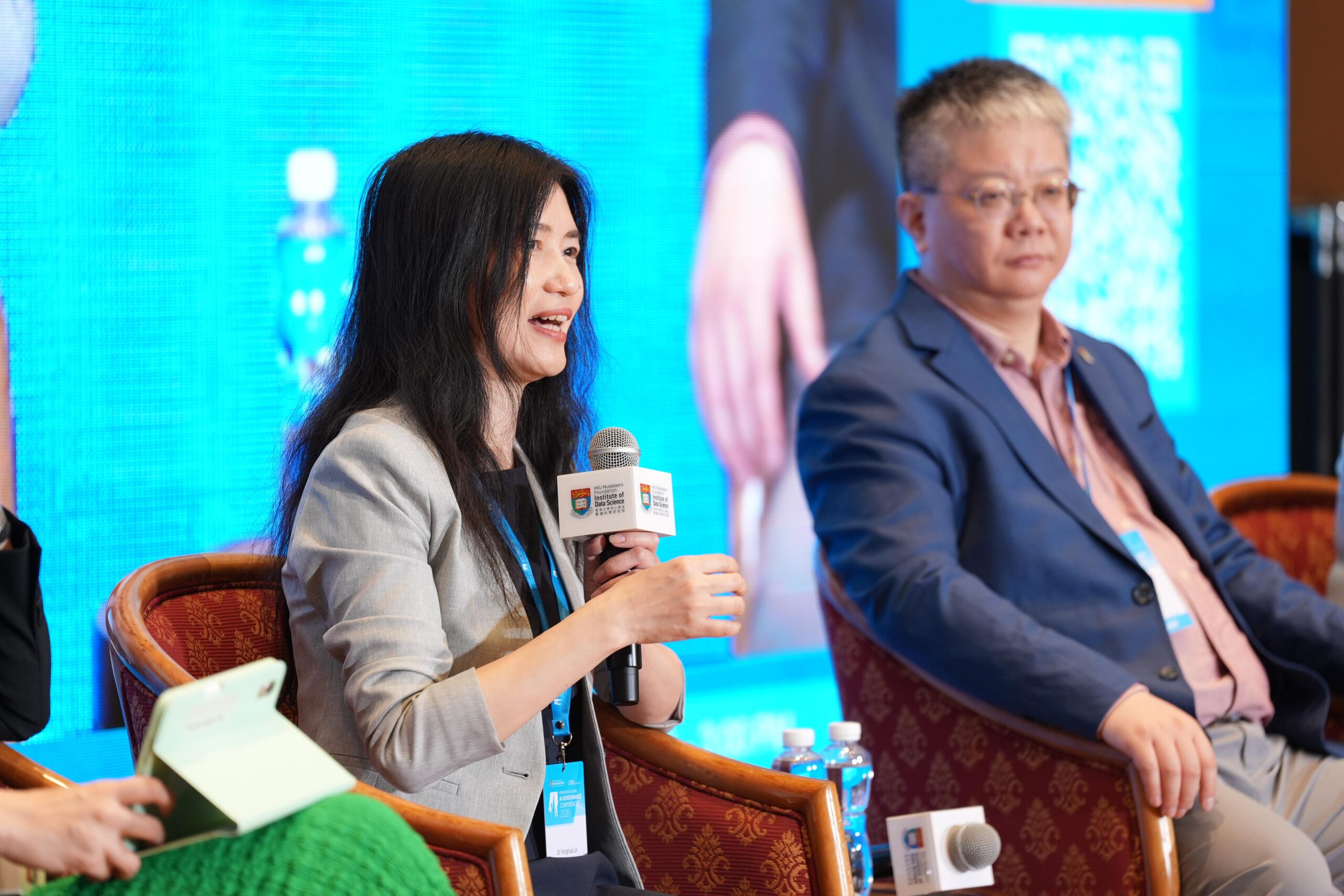
Dr Yonghua LIN

Vice President and Chief Engineer, Beijing Academy of Artificial Intelligence, Founder, IEEE WIE, China

Prof Brian WONG

Moderator

HKU-100 Assistant Professor, Department of Philosophy
Fellow, Centre on Contemporary China and the World, HKU, HKSAR China

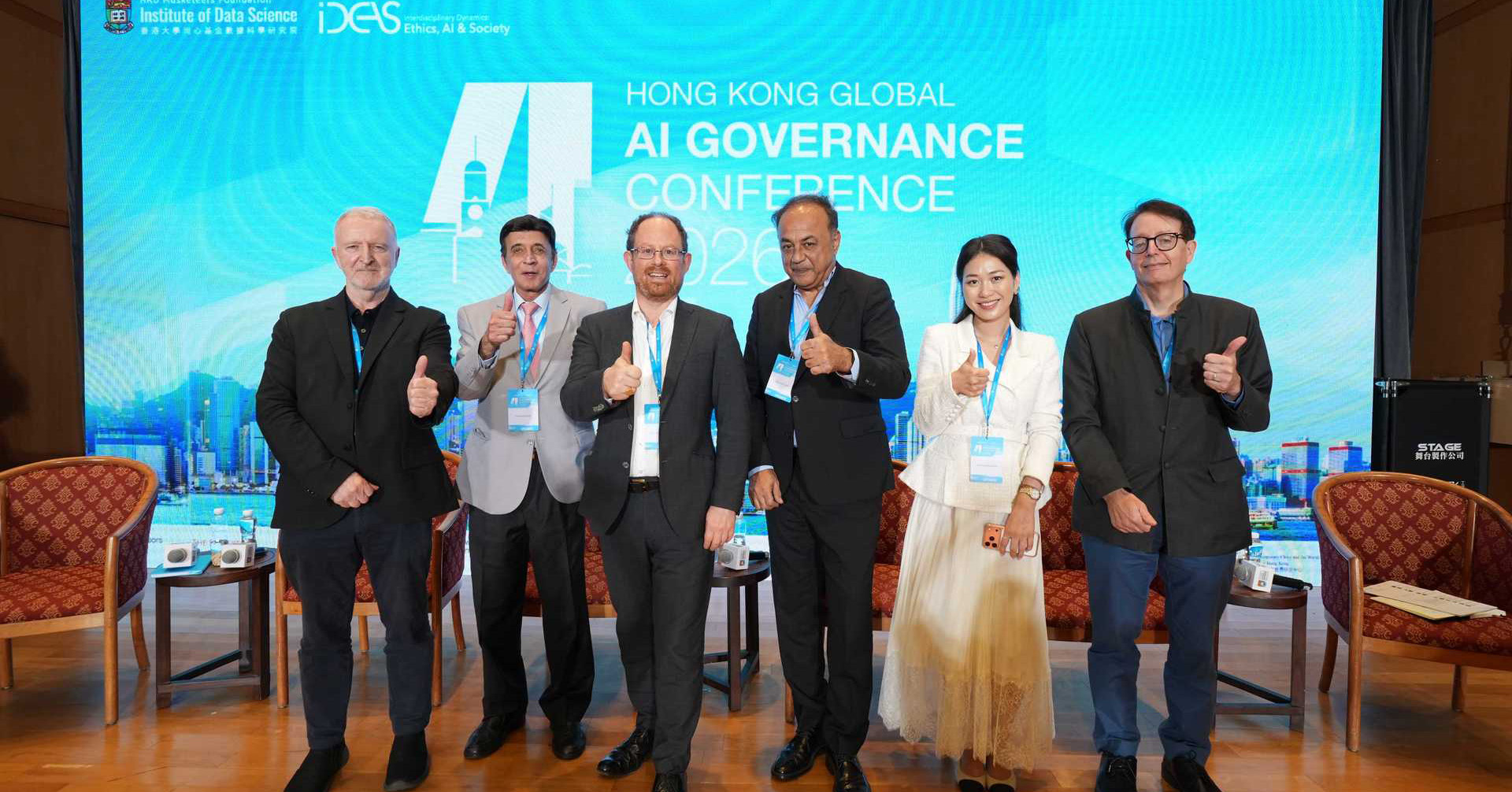
Concluding Key Dialogue

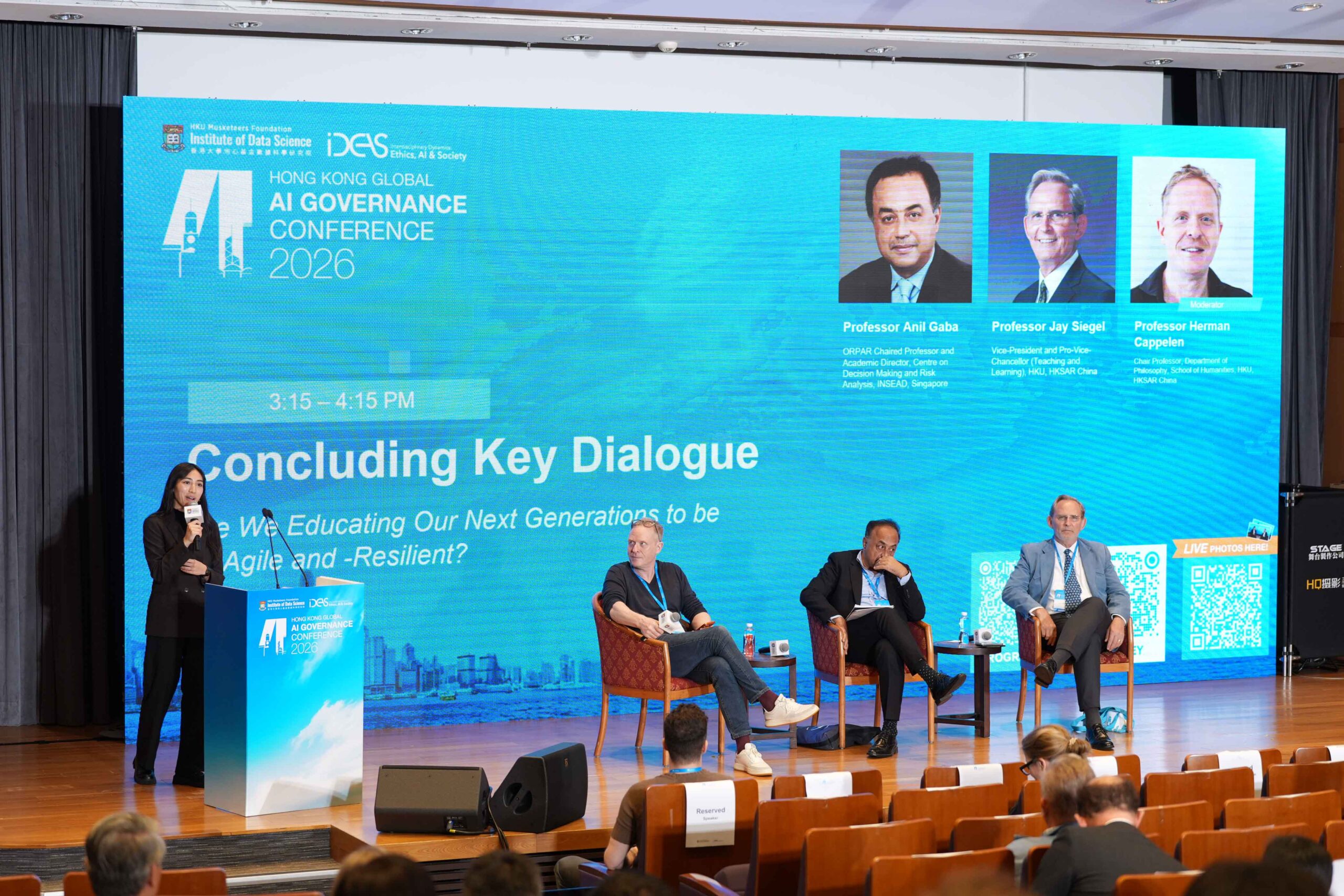
Are We Educating Our Next Generations to be AI-Agile and -Resilient?

The closing dialogue revisited the role of universities and expert institutions, focusing on how education must evolve in response to AI’s expanding cognitive capabilities.
Discussion Summary


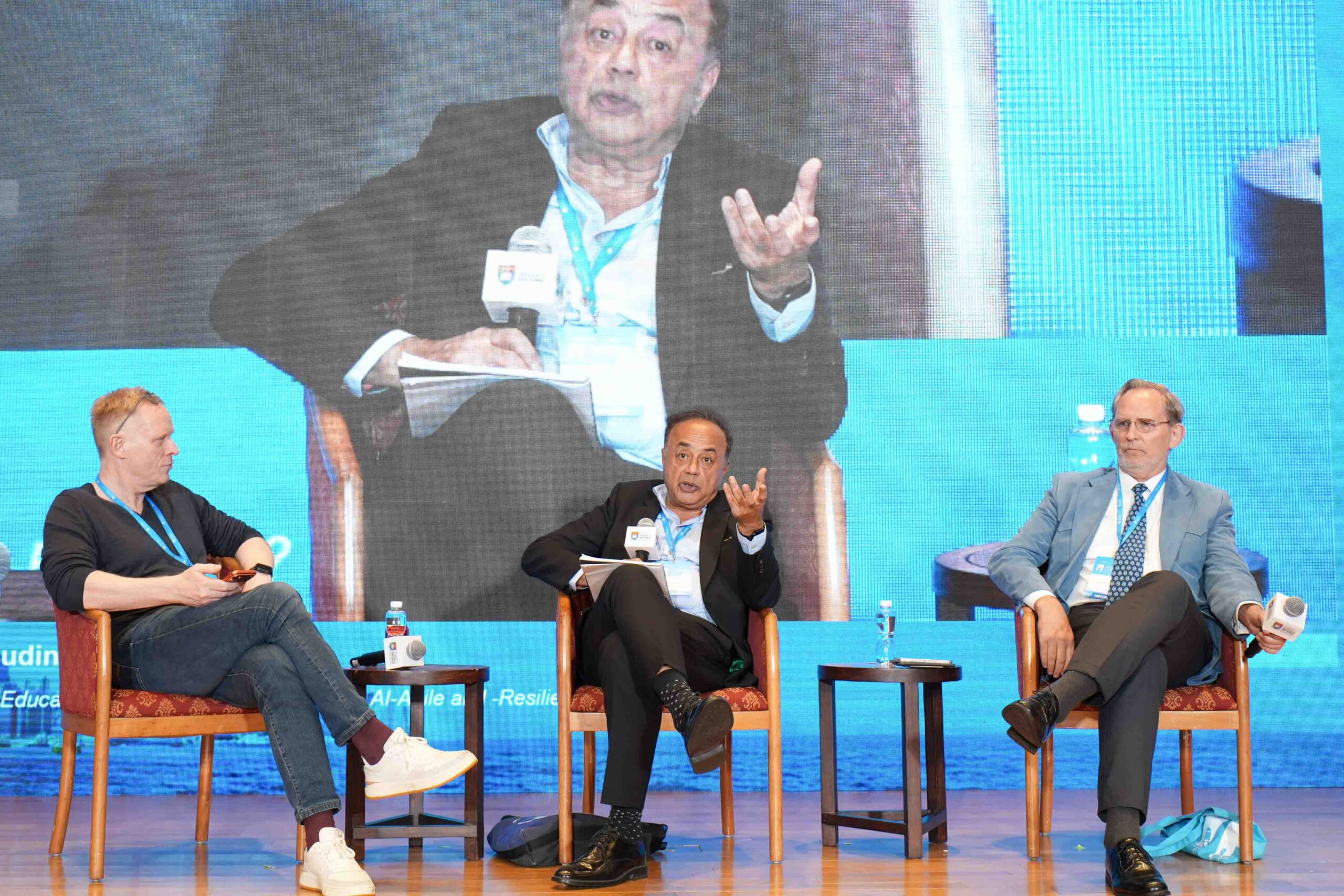
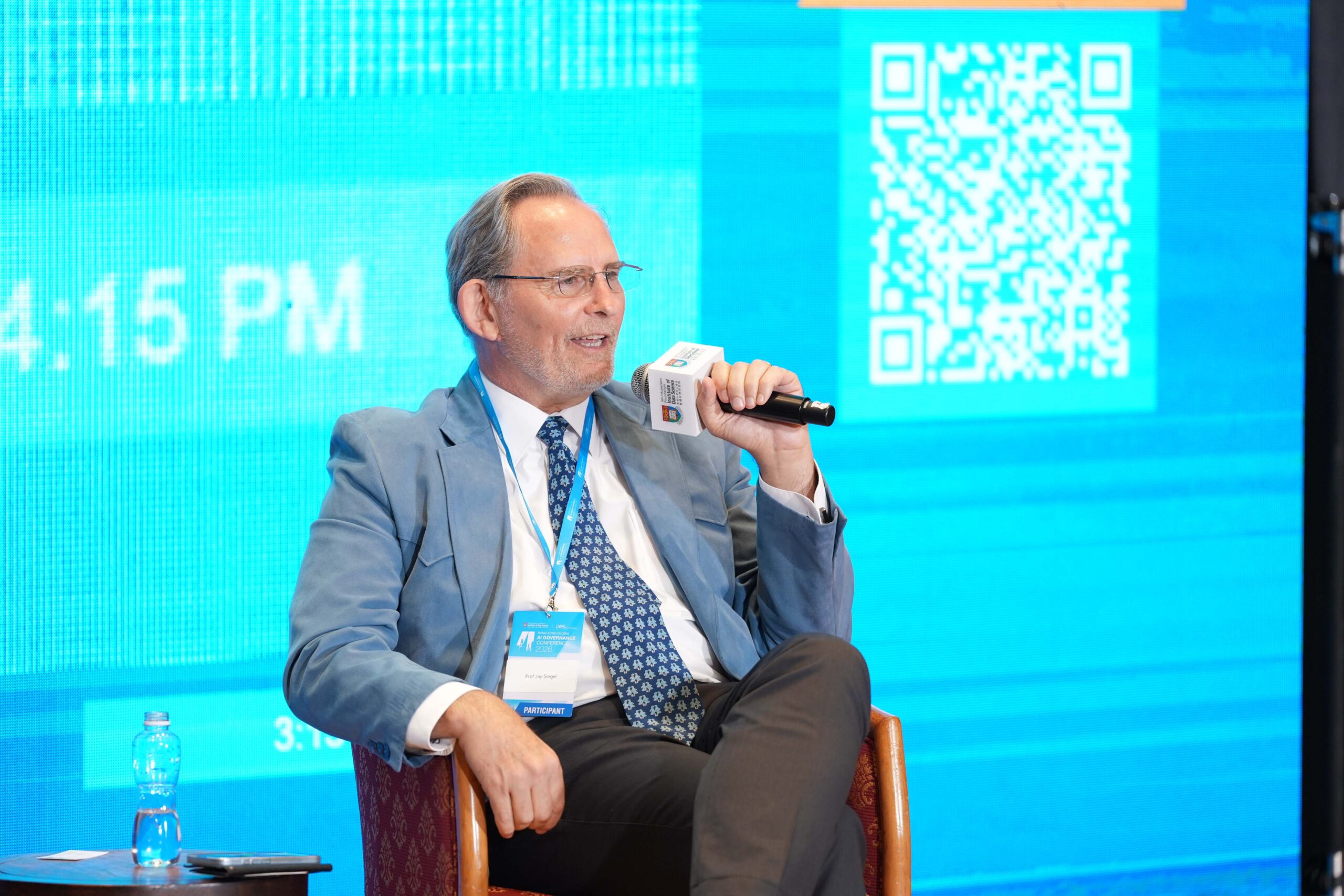
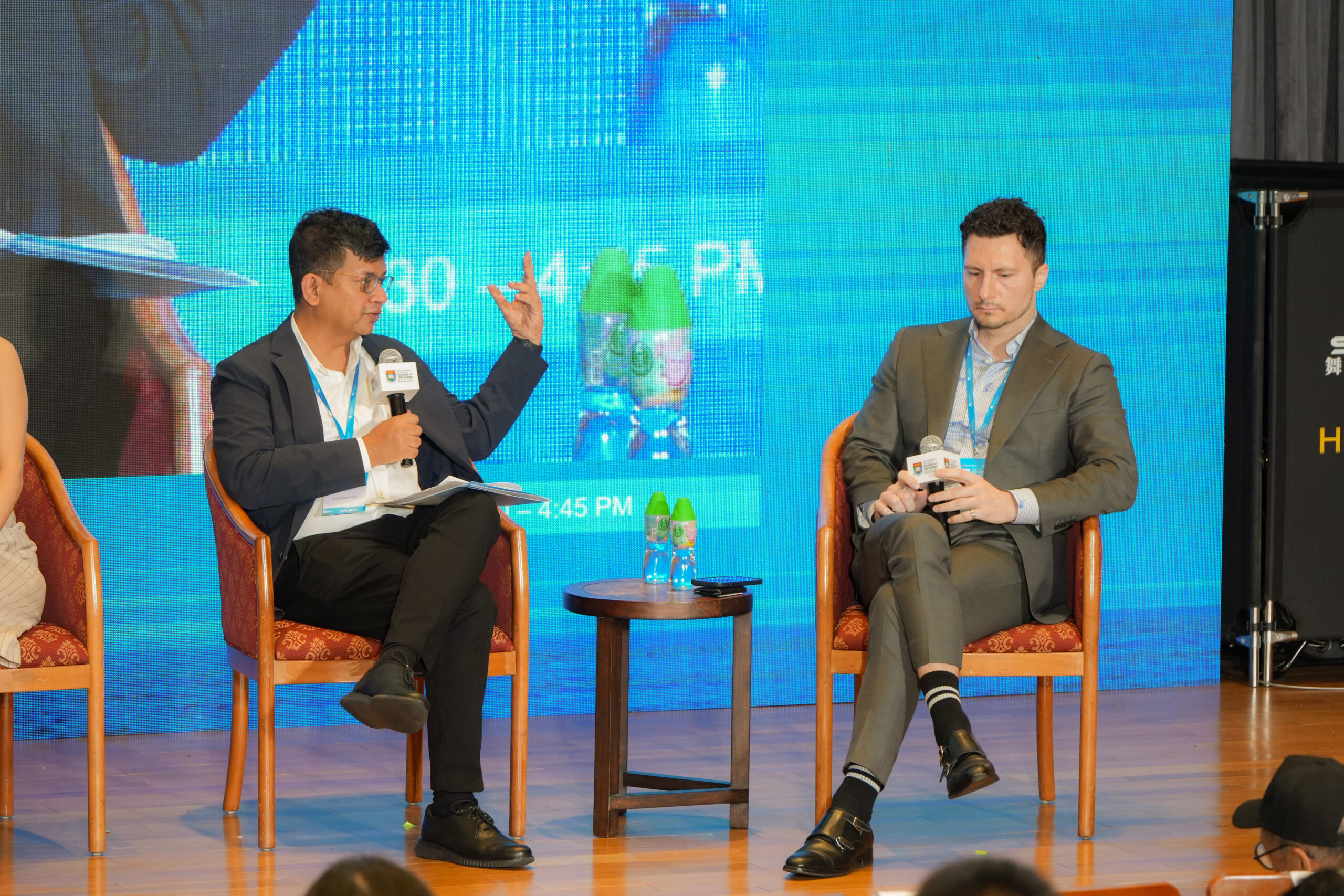
The concluding dialogue returned to the question of how education should respond to AI’s expanding cognitive capabilities. Speakers discussed why universities and expert institutions remain important, not simply as providers of information, but as environments for developing judgement, communication, intellectual discipline, and civic participation.

The conversation considered how education may need to move further away from content delivery towards the ability to ask meaningful questions, evaluate AI-generated outputs, and navigate ambiguity. AI literacy was discussed as a core capability that should extend across disciplines, including technical understanding, ethical awareness, data protection, intellectual property, and responsible use.

The session also considered whether higher education may increasingly take the form of lifelong and modular learning. Rather than treating education as a one-time degree experience, speakers discussed the possibility of periodic return to universities as technologies, professions, and social needs continue to evolve.
Prof Anil GABA

ORPAR Chaired Professor and Academic Director, Centre on Decision Making and Risk Analysis, INSEAD, Singapore

Prof Jay SIEGEL

Vice-President and Pro-Vice-Chancellor (Teaching and Learning), HKU, HKSAR China

Prof Herman CAPPELEN

Moderator

Chair Professor, Department of Philosophy, School of Humanities, HKU, HKSAR China

Closing Keynote

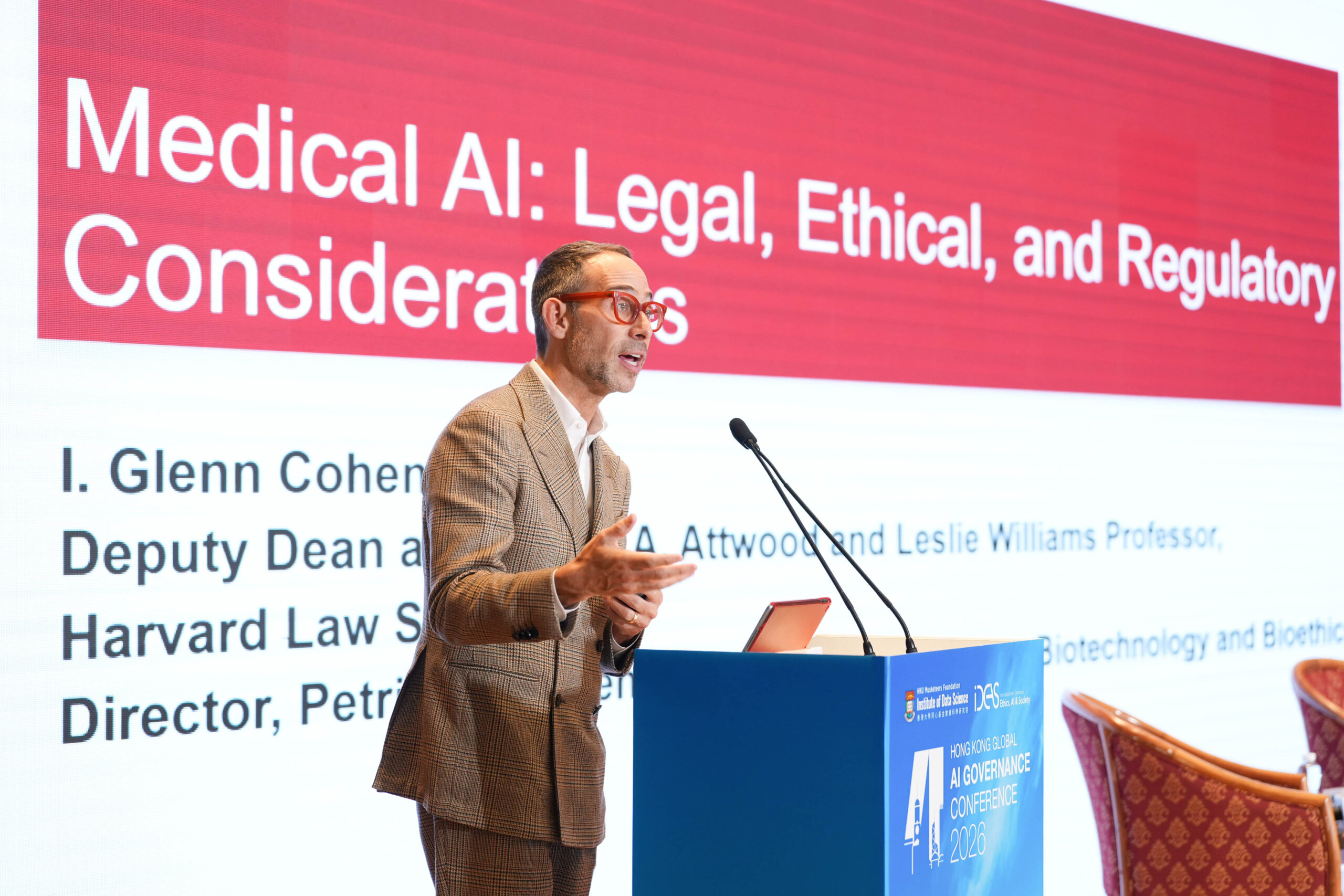
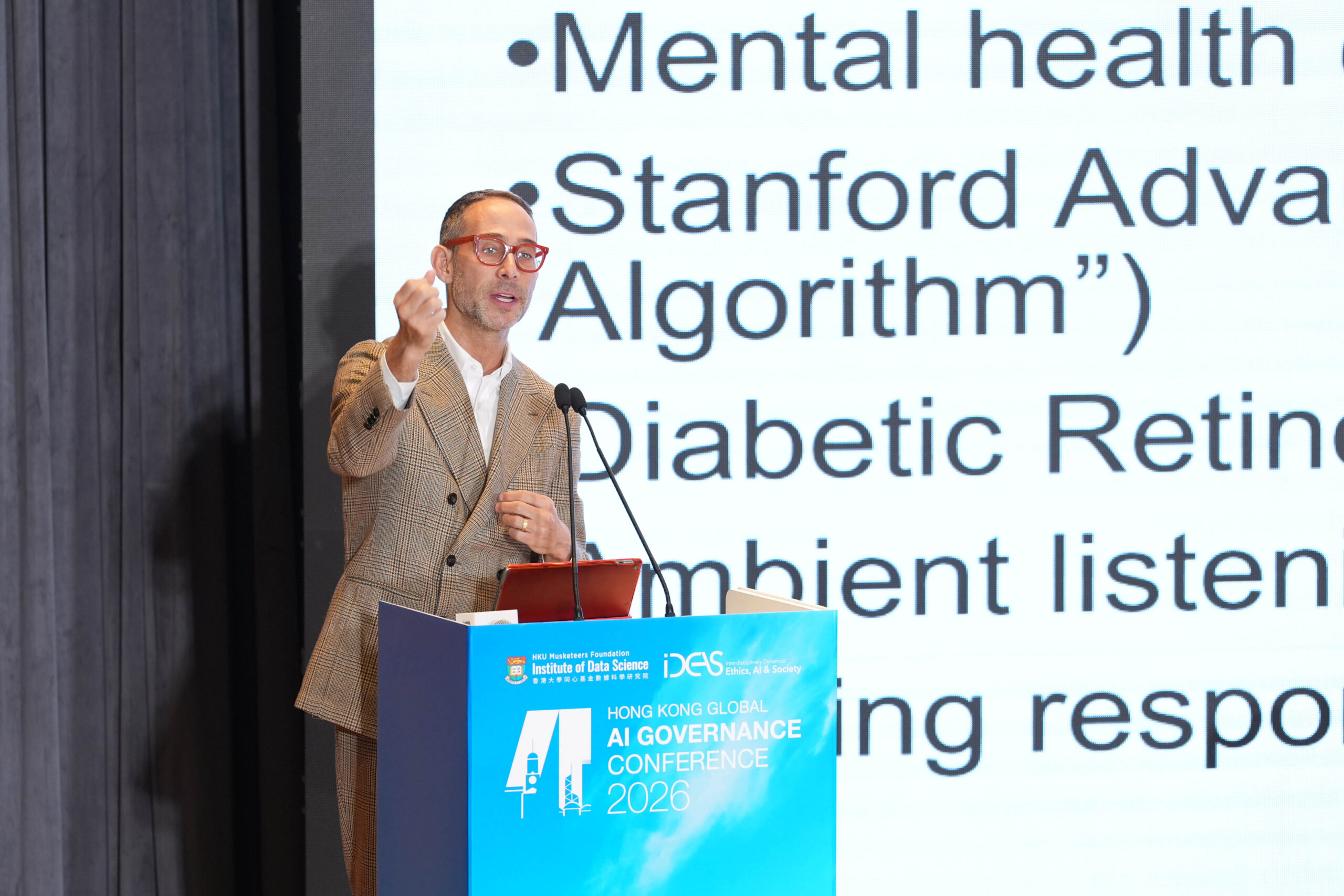
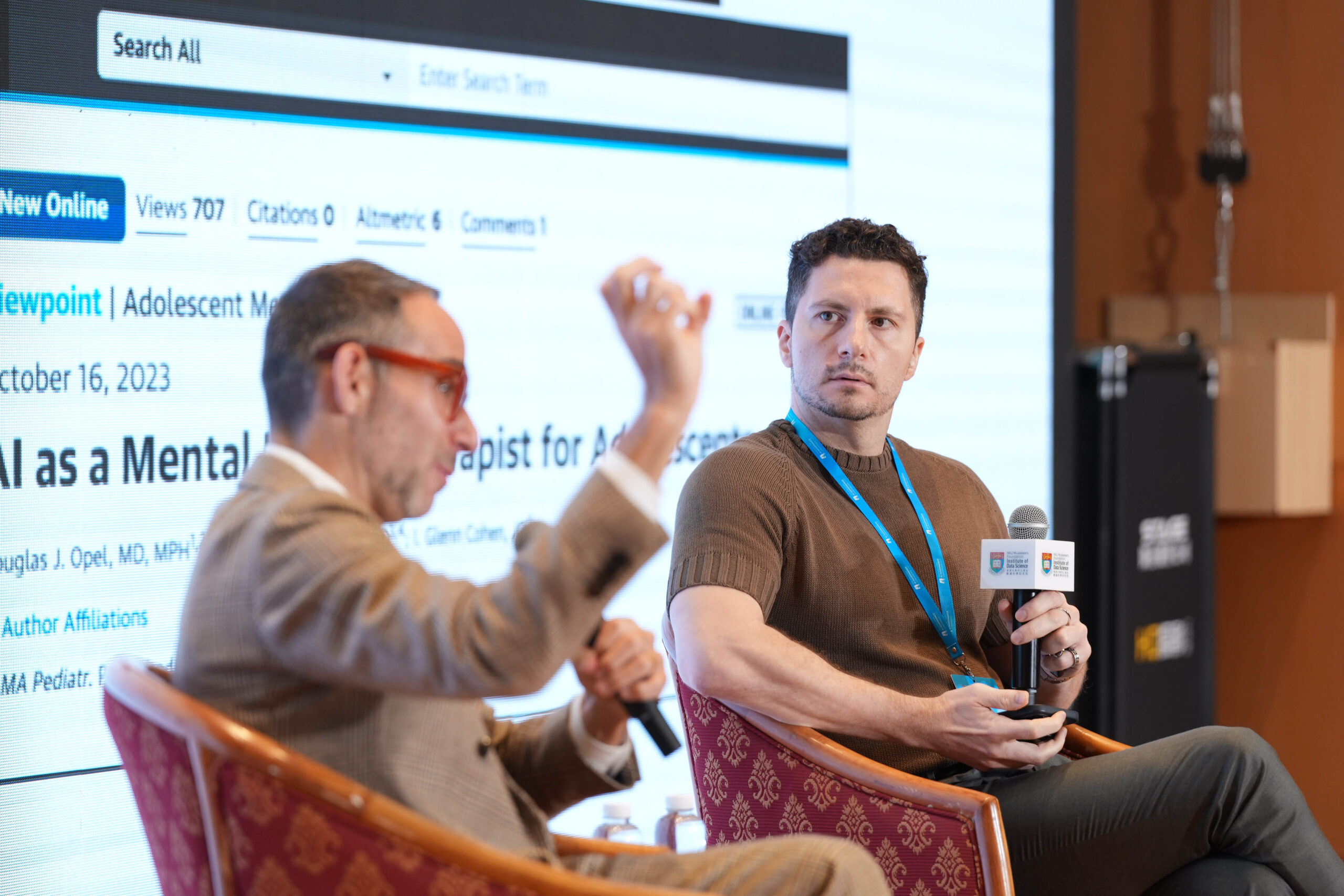
AI Governance: Lessons from Health Care

The keynote used healthcare as a case study to argue that effective AI governance must be sector-specific, system-wide, and grounded in real institutional contexts.

Discussion Summary


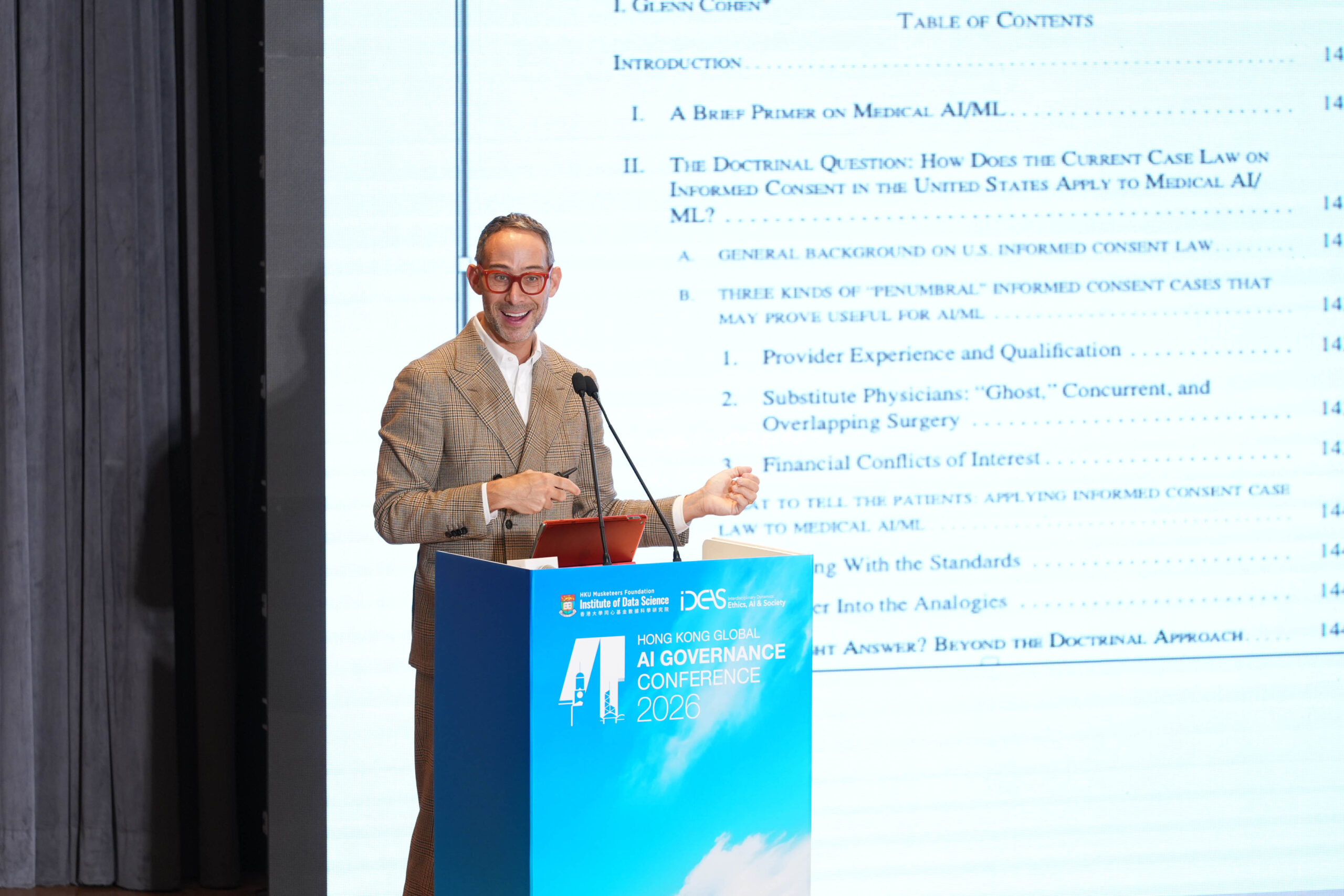
The closing keynote used healthcare as a case study to examine why AI governance should be grounded in specific sectors and institutional contexts. Rather than assuming that one governance model can apply equally across health, education, finance, or security, the keynote considered how risks, incentives, ethical norms, and institutional structures differ by setting.
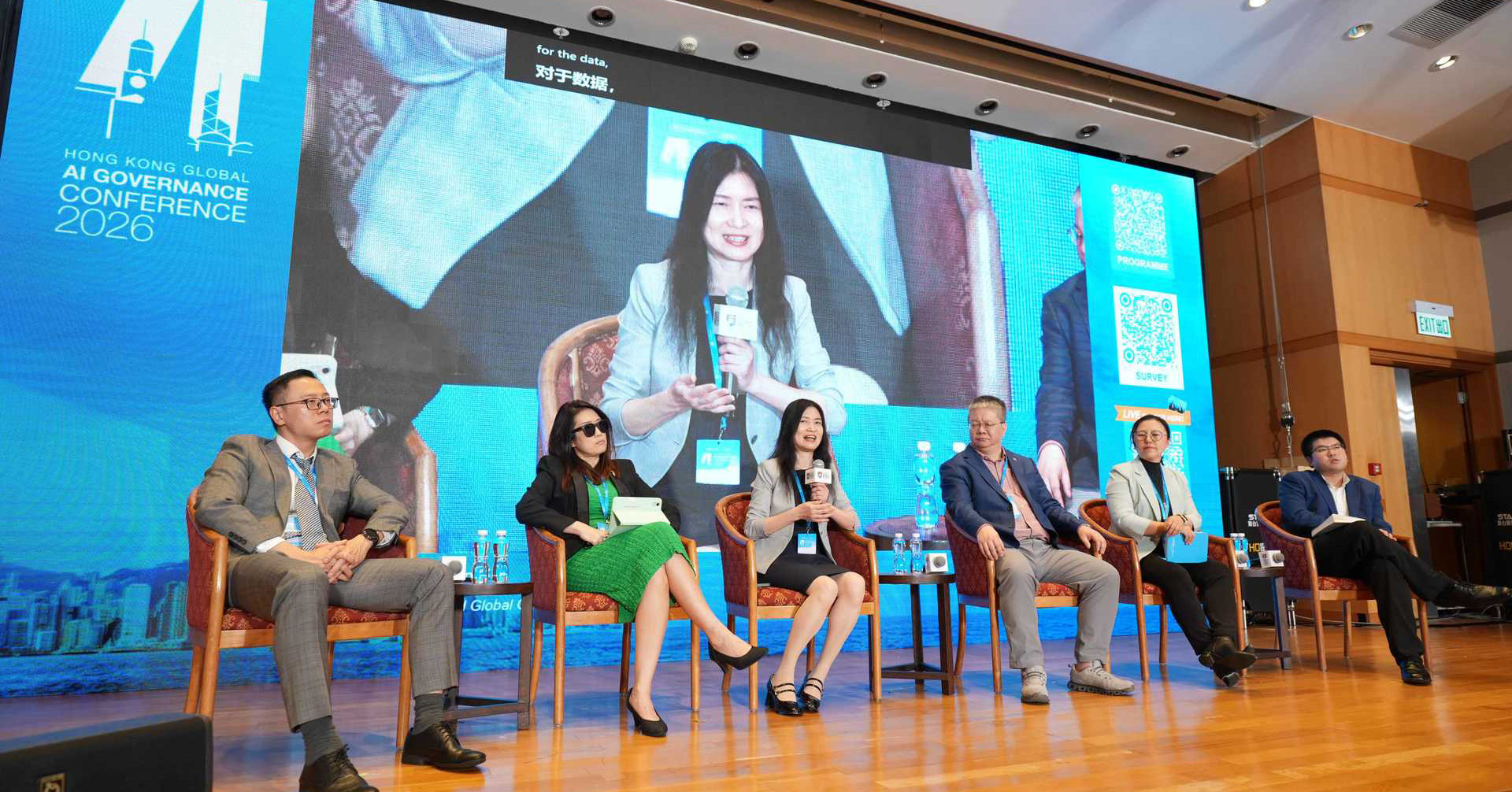
Healthcare AI was discussed as part of a wider system involving developers, regulators, hospitals, insurers, clinicians, and patients. This made governance a question of workflow and system integration as much as technical design. The keynote also highlighted that routine or administrative applications, such as scheduling and allocation processes, can carry ethical and distributional consequences.
The presentation further considered how trust in AI systems should be established. Rather than relying only on explainability, the discussion pointed to the importance of evidence, validation, demonstrated performance, and real-world outcomes. As the closing session, it reinforced a broader conference message: effective AI governance requires attention to the systems in which AI is actually deployed.

Prof Glenn COHEN

Deputy Dean, Harvard Law School; Faculty Co-Director, Petrie-Flom Center, Harvard Law School, USA

Prof Boris BABIC

Moderator

HKU-100 Associate Professor, HKU Musketeers Foundation Institute of Data Science, Department of Philosophy, and Faculty of Law (by courtesy), HKU, HKSAR China

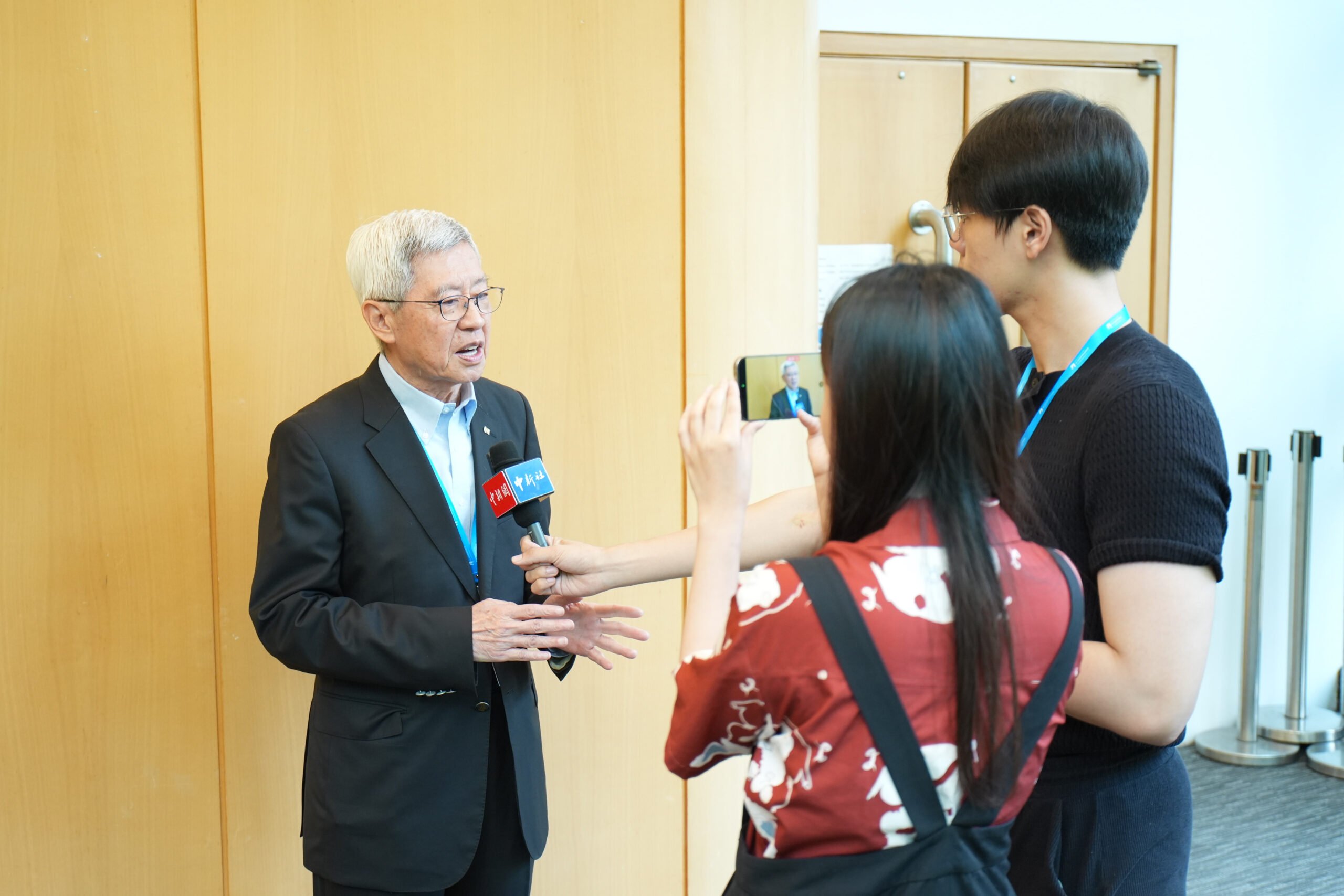
The Conference received coverage in both English and Chinese media. Reports covered the opening ceremony, Professor Xiang ZHANG’s remarks on the opportunities and challenges brought by AI, the importance of integrating humanities and social sciences with technology, and wider discussions on AI governance, education, and China’s role in global governance efforts.

Media Coverage of Hong Kong Global AI Governance Conference 2026

Media Coverage of Hong Kong Global AI Governance Conference 2026

The Hong Kong Global AI Governance Conference 2026, held on 10–11 April 2026 at the University of Hong Kong, brought together over 400 participants and 38 speakers from academia, policy, and industry to discuss key developments in artificial intelligence governance. For more details, please refer to the News & Media section. 

The Conference generated media interest across various outlets. Selected coverage is listed below.

Official Press Release

Media Coverage

港大舉辦「香港全球人工智能治理峰會2026」 推動全球AI治理對話

港大舉辦「香港全球人工智能治理峰會2026」 推動全球AI治理對話

香港大學(港大)同心基金數據科學研究院(HKU IDS)於2026年4月10日至11日在港大黃麗松講堂舉辦「香港全球人工智能治理峰會2026」,匯聚38位來自學術界、政策界及業界的領先學者與專業人士,就人工智能(AI)治理的關鍵挑戰展開深入討論。

為期兩天的峰會錄得逾400人報名。透過主題對談、爐邊對話及專題討論,會議聚焦一項核心問題:在人工智能快速發展的背景下,現有治理框架如何與時並進。討論指出現行監管模式的局限、全球協調日益複雜,以及有必要突破單一地緣政治框架,重新思考人工智能治理方向。

港大校長張翔教授於致歡迎辭中指出:「人工智能發展呈指數級增長,我們需未雨綢繆,應對其潛在的社會、法律、政治與哲學問題。」他表示期望全球學者共同探索人工智能治理,促進科技與人文深度融合,確保人工智能安全、可控並造福社會。

是次峰會為人工智能治理、政策及倫理的重要國際會議,由港大同心基金數據科學研究院轄下「跨學科・倫理・人工智能與社會」(IDEAS)倡議發起。會議體現香港的獨特優勢在於其匯聚能力,並非追求單一觀點或單一共識,而是在不同文化、制度與思想之間發揮橋樑作用,從而能夠連結來自西方頂尖學府與中國內地主要高校及科技企業的學者與領袖。

港大同心基金數據科學研究院捐助人及同心教育文化慈善基金會創辦人梁家齊先生亦致開幕辭。他指出,人工智能正迅速發展並深刻影響日常生活,並強調IDEAS倡議在推動人工智能治理方面的重要性與時代意義。

多位重量級嘉賓講者出席是次峰會,包括商湯科技董事長兼首席執行官徐立博士、沙特阿拉伯阿卜杜拉國王科技大學第三任校長(2018–2024)陳繁昌教授、曼徹斯特大學校長及副校監 Duncan Ivison 教授、清華大學蘇世民書院院長薛瀾教授、哈佛大學法學院 Cass Sunstein 教授(以視像形式參與),以及哈佛大學法學院 Henry L. Stimson伍人英法學教授。另外還包括多位來自國際組織及政策研究機構的代表。

與會嘉賓講者強調,人工智能治理不僅屬於技術或監管層面的議題,而是需要跨學科與制度層面的長期參與。主要討論涵蓋教育在培養具AI適應能力社會中的角色、人工智能的概念基礎,以及在不同政治與法律體系下建立問責性、可解釋性與制度設計的挑戰。

傳媒查詢,請聯絡:
香港大學同心基金數據科學研究院
行政主任 郭先生
電郵:jimmyk@hku.hk|電話:(852) 3917 2324

關於香港大學同心基金數據科學研究院
香港大學同心基金數據科學研究院成立於2021年,為一所跨學科研究院,致力推動數據科學及人工智能研究,重點涵蓋基礎數據科學、可解釋人工智能與人機互動,以及智能社會發展。

更多資料請瀏覽:https://datascience.hku.hk/


HKU Hosts Hong Kong Global AI Governance Conference 2026, Advancing Global Dialogue on AI Governance

HKU Hosts Hong Kong Global AI Governance Conference 2026, Advancing Global Dialogue on AI Governance

The Musketeer Foundation Institute of Data Science at the University of Hong Kong (HKU IDS) hosted the Hong Kong Global AI Governance Conference 2026 (HKGAGC 2026) on 10–11 April at the Rayson Huang Theatre, bringing together 38 leading scholars, policymakers, and industry practitioners to examine emerging challenges in artificial intelligence (AI) governance.

The two-day Conference attracted over 400 registrations. Across keynote dialogues, fireside conversations, and panel discussions, the Conference addressed a central question: how governance frameworks can keep pace with rapidly evolving AI systems. Discussions highlighted the limitations of existing regulatory approaches, the growing complexity of global coordination, and the need to move beyond narrow geopolitical framings in shaping AI governance.

In his welcome address, Professor Xiang Zhang, President and Vice-Chancellor of HKU, noted: “AI development is growing exponentially. We need to plan ahead to address its potential social, legal, political, and philosophical implications.” He expressed his hope that scholars from around the world would work together to advance AI governance, promote deeper integration between technology and the humanities, and ensure that AI develops in a safe, controllable, and beneficial manner.

The Conference is a flagship global forum on AI governance, policy, and ethics, initiated by the Centre for Interdisciplinary Dynamics: Ethics, AI and Society (IDEAS) under HKU IDS. It reflects Hong Kong’s distinctive convening power—its ability to bring together world-class scholars and leaders from leading Western institutions, Chinese Mainland universities, and technology firms. Rather than enforcing a single ideology or seeking uniform consensus, Hong Kong also serves as a bridge across cultures, systems, and intellectual traditions.

Mr Ka Chai Leong, benefactor of HKU IDS and Founder of The Musketeers Education and Culture Charitable Foundation, also delivered opening remarks. He highlighted the rapid advancement of AI and its transformative impact on everyday life, noting the importance of initiatives such as IDEAS in advancing discussion on AI governance.

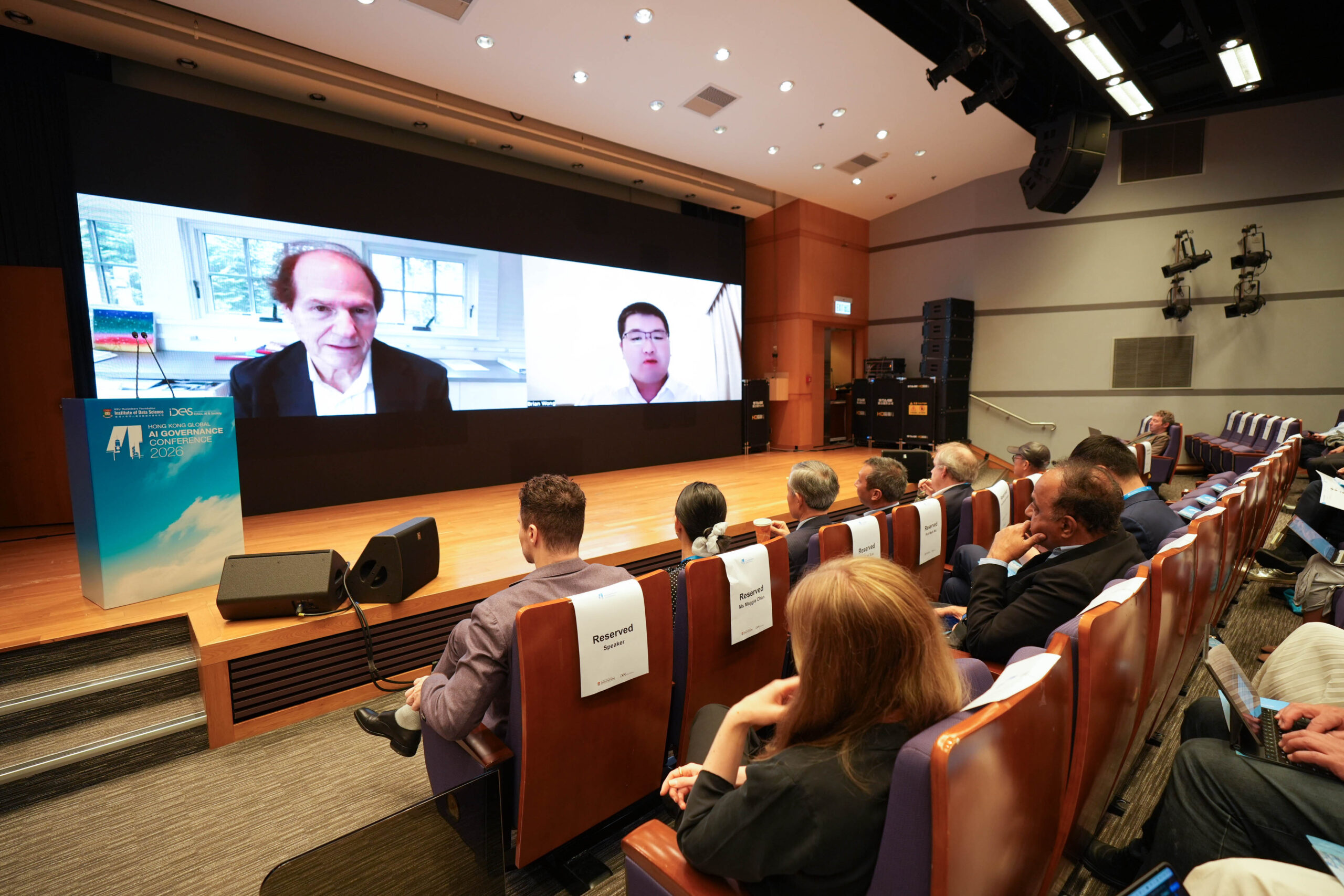
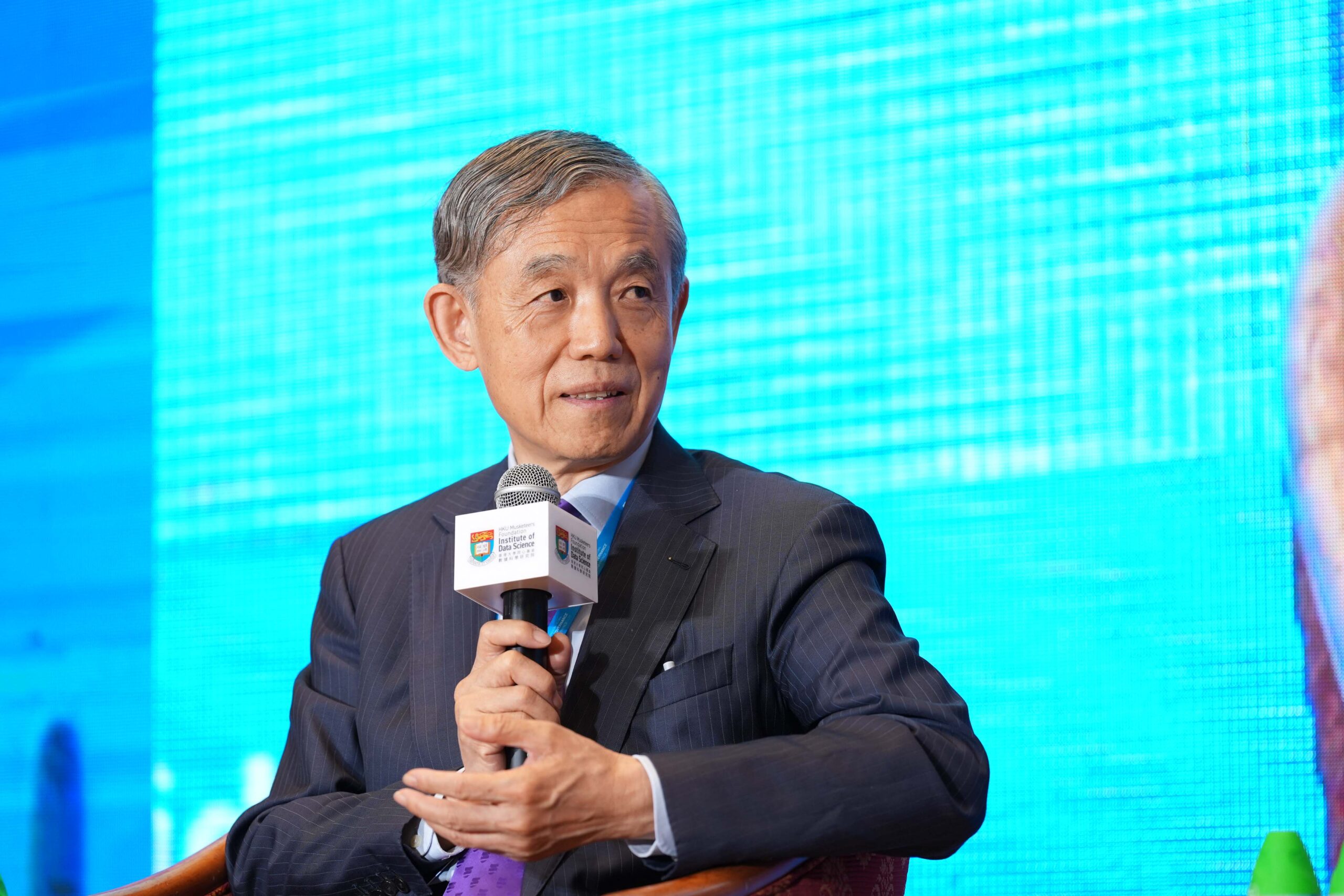
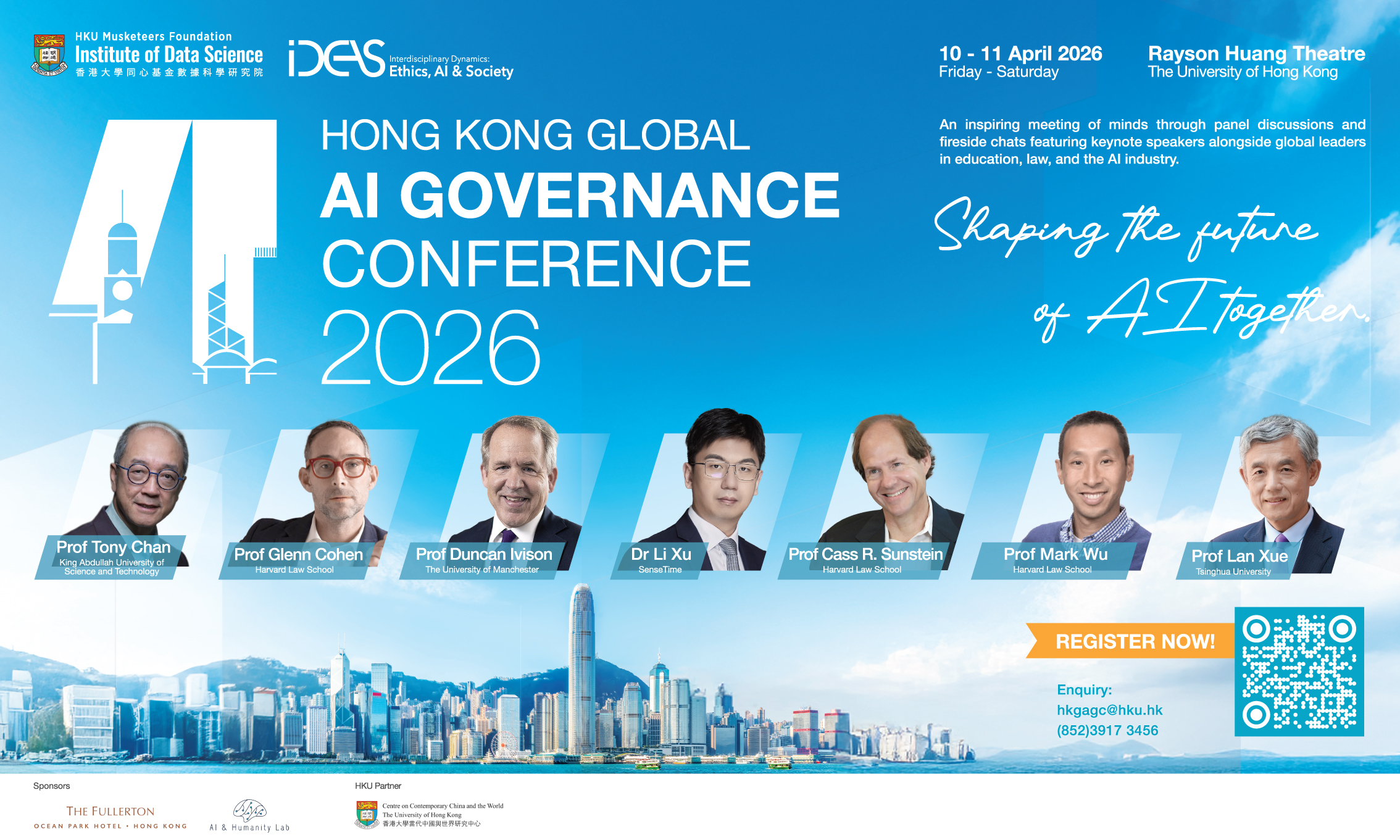
The Conference featured distinguished speakers including Dr Xu Li (Chairman and Chief Executive Officer, SenseTime), Professor Tony Chan (Third President of King Abdullah University of Science and Technology, 2018–2024), Professor Duncan Ivison (President and Vice-Chancellor, The University of Manchester), Professor Lan Xue (Dean of Schwarzman College, Tsinghua University), Professor Cass Sunstein (Harvard Law School, via video contribution), and Professor Mark Wu (Henry L. Stimson Professor of Law, Harvard Law School), alongside senior representatives from international organisations and policy institutions.

Speakers emphasised that AI governance is not solely a technical or regulatory issue, but one that requires sustained engagement across disciplines and institutions. Key themes included the role of education in preparing AI-resilient societies, the conceptual foundations underlying AI systems, and the challenges of accountability, explainability, and institutional design across different political and legal contexts.

Photo Album

For enquiries, please contact:
Jimmy Kwok
Executive Officer
HKU Musketeers Foundation Institute of Data Science
Email: jimmyk@hku.hk | Tel: (852) 3917 2324

About HKU Musketeers Foundation Institute of Data Science
Established in 2021, HKU IDS is a cross-disciplinary research institute dedicated to advancing data science and AI research, with a focus on Fundamental Data Science, Explainable AI and Human–Machine Interactions, and Smart Society.

More details about the Institute are available at: https://datascience.hku.hk/

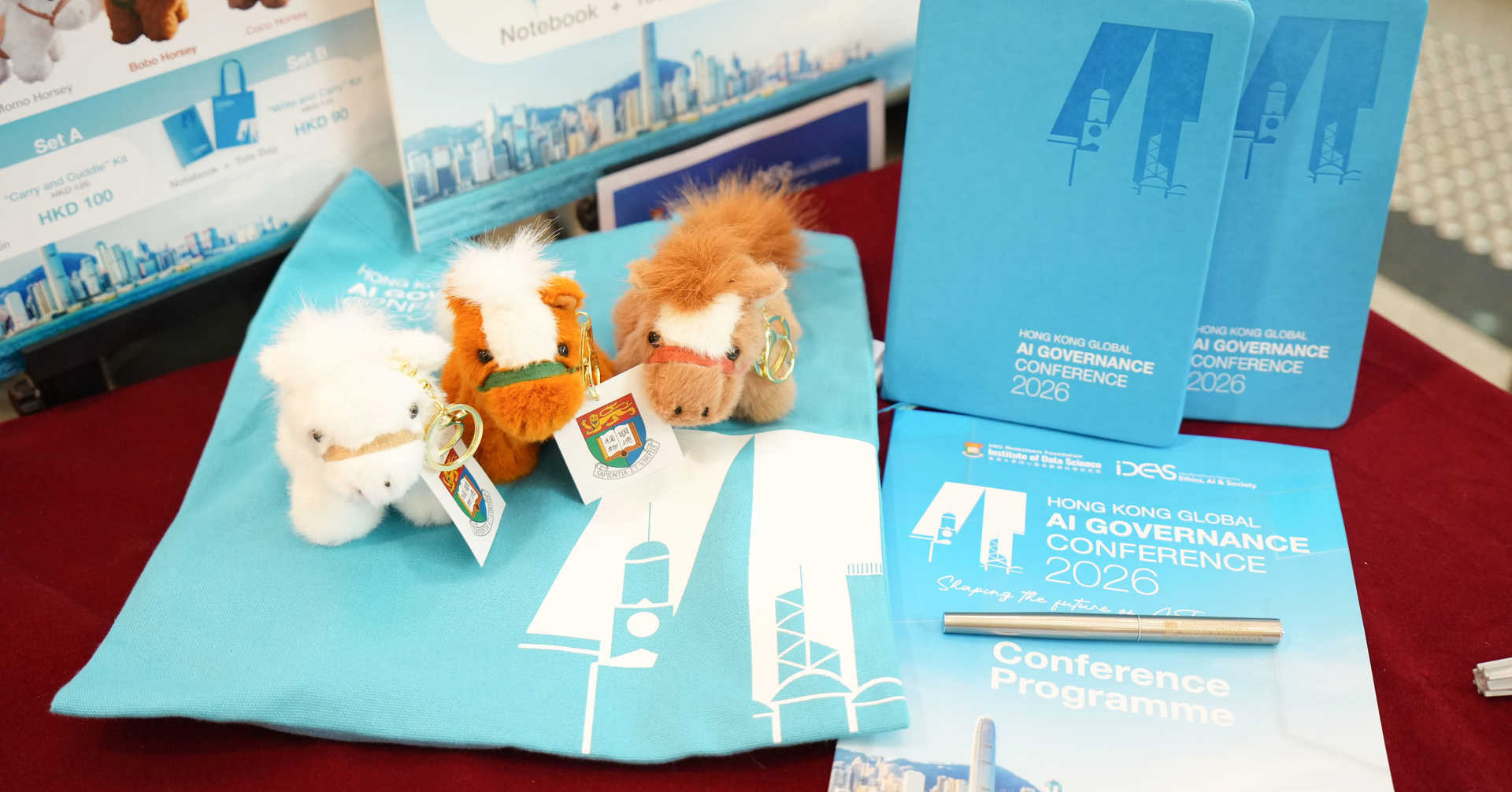
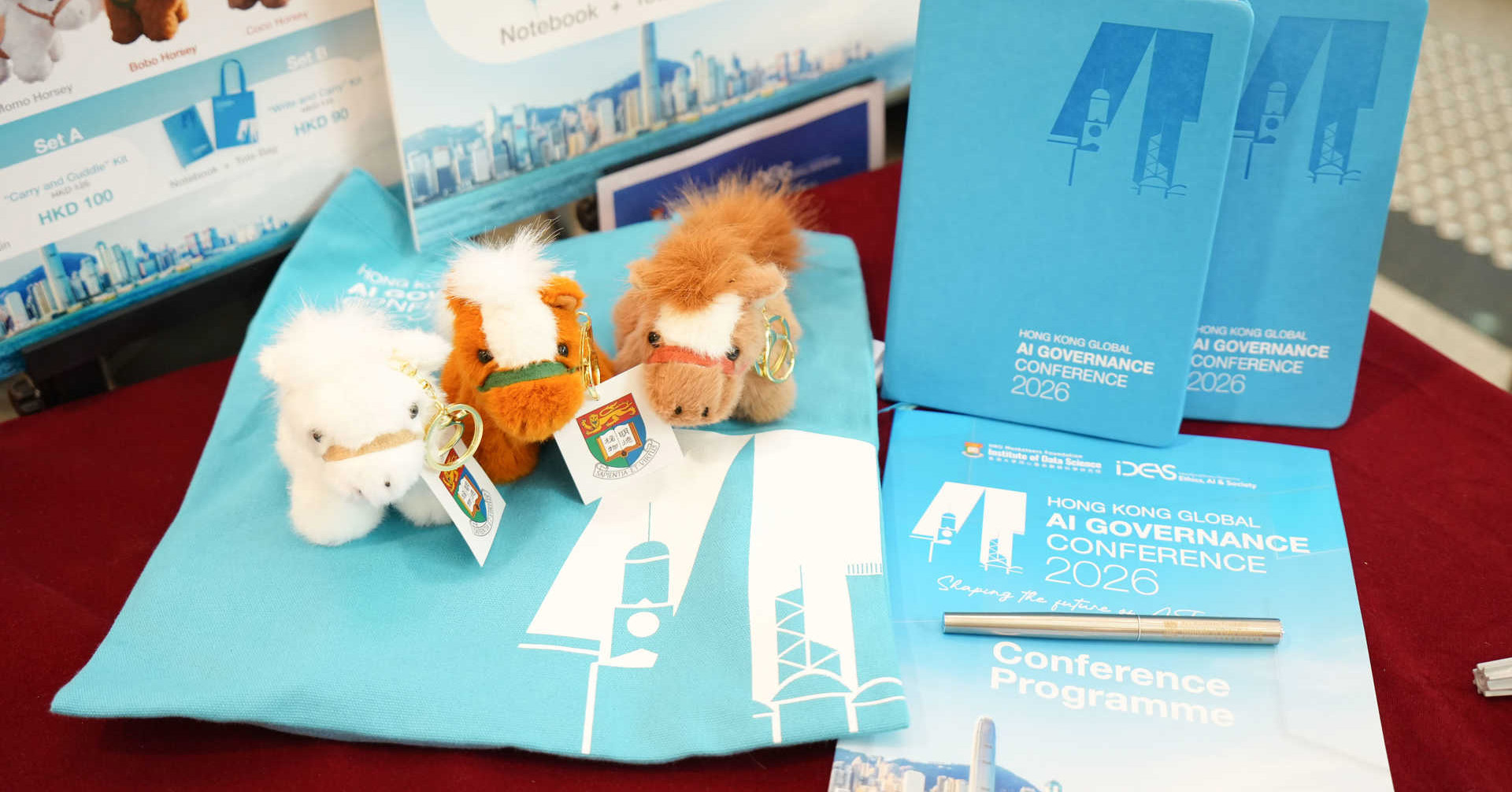
Bring our Conference Mascots home! 🐴 ✨

Bring our Conference Mascots & Souvenirs Home! 🐴 ✨

Meet Bobo, Momo and Coco—three limited edition plushie companions created for HKGAGC 2026.

Cute, simple, and easy to carry. A small keepsake from the conference.

Before the big day, explore our limited edition souvenirs:

A notebook 📓 for your ideas
A pen 🖊 for your notes
A tote bag 🛍 for your daily essentials

Simple, useful, and made to remember the experience.

Limited quantities only.
Shop now and get ready for HKGAGC 2026 ✨

🐴 Horsey Key Chain HKD 75 | Size: 5×6×10 cm (Pre-order)
📓 Notebook HKD 75
🖊 Ink Ballpen HKD 40
🛍 Tote Bag HKD 50

LIMITED TIME OFFER:
HKGAGC 2026 “Carry and Cuddle” Kit
(Tote Bag + Horsey Key Chain) HKD 100 (Pre-order)
HKGAGC 2026 “Write and Carry” Kit
(Notebook + Tote Bag) HKD 90

🛒 https://onlinepytsysprd.feo.hku.hk/ShopItem

💡 Shop now and collect with ease at the Conference!
Pre-order items will arrive in approximately 1 week.

📤 Collection of most items:
Foyer, Rayson Huang Theatre, HKU
10–11 April
08:30–12:00 | 14:00–16:00

Collection of Horsey Keychain and “Carry and Cuddle” Kit will be arranged at HKU IDS office upon arrival notification.

UPDATE: Registration Deadline Extended to 7 April 2026

UPDATE: Registration Deadline Extended to 7 April 2026

The registration deadline for the Hong Kong Global AI Governance Conference 2026 has been extended to 7 April 2026.
We have received strong interest from the community, and registration remains open.


If you are an HKU member (e.g. current staff or student), you may sign up for the free conference pass wait-list here.
Alternatively, you may also purchase a conference pass at the prices below to secure your place.


For details and registration: https://ideas.hku.hk/hkgagc2026/

港大舉辦「香港全球人工智能治理峰會 2026」 匯聚國際學者拓展 AI 治理討論視野

港大舉辦「香港全球人工智能治理峰會 2026」 匯聚國際學者拓展 AI 治理討論視野

香港大學同心基金數據科學研究院 (HKU IDS) 將於 2026 年 4 月 10 日至 11 日於港大黃麗松講堂舉辦「香港全球人工智能治理峰會 2026」,匯聚來自亞洲、歐洲及北美的學者、政策制定者及業界代表,探討人工智能治理在當前全球格局下的關鍵發展方向。

在人工智能政策與監管討論日益受到大國競爭影響的背景下,是次峰會將嘗試引入更多來自不同地區及制度背景的觀點,拓展現有討論框架,回應全球多元社會的實際需要。

峰會由港大同心基金數據科學研究院轄下「跨學科・倫理・人工智能與社會」(IDEAS) 倡議統籌,結合科技、法律、哲學及公共政策等多個領域,提供跨學科交流平台,並突顯香港作為國際交匯點的角色。

為期兩天的議程將涵蓋人工智能與教育、概念基礎、法律與監管、公共治理及國際合作等議題,並深入探討可解釋性、問責性及人工智能對社會帶來的影響。

出席講者包括商湯科技徐立博士、沙特阿拉伯阿卜杜拉國王科技大學陳繁昌教授、曼徹斯特大學 Duncan Ivison 教授、清華大學薛瀾教授、哈佛大學法學院 Cass Sunstein 教授(將以視像形式參與)及伍人英教授等。

港大同心基金數據科學研究院院長馬毅教授表示:「人工智能正迅速改變社會與制度運作,相關挑戰需要跨學科及跨地域合作應對。」

峰會籌備委員會主席、IDEAS 倡議總監 Herman Cappelen 教授則指出:「這不僅是一場人工智能會議,而是一場當下世界所需要的重要對話。」

詳情請瀏覽:https://ideas.hku.hk/hkgagc2026/

傳媒查詢,請聯絡:

香港大學同心基金數據科學研究院

行政主任 郭先生

電郵:jimmyk@hku.hk|電話:(852) 3917 2323

關於香港大學同心基金數據科學

香港大學同心基金數據科學研究院成立於2021年,為一所跨學科研究院,致力推動數據科學及人工智能研究,重點涵蓋基礎數據科學、可解釋人工智能與人機互動,以及智能社會發展。

更多資料請瀏覽:https://datascience.hku.hk/