Event Highlights
Hong Kong Global AI Governance Conference 2026: Recap and Key Insights
Advancing global dialogue on AI governance beyond conventional geopolitical framings

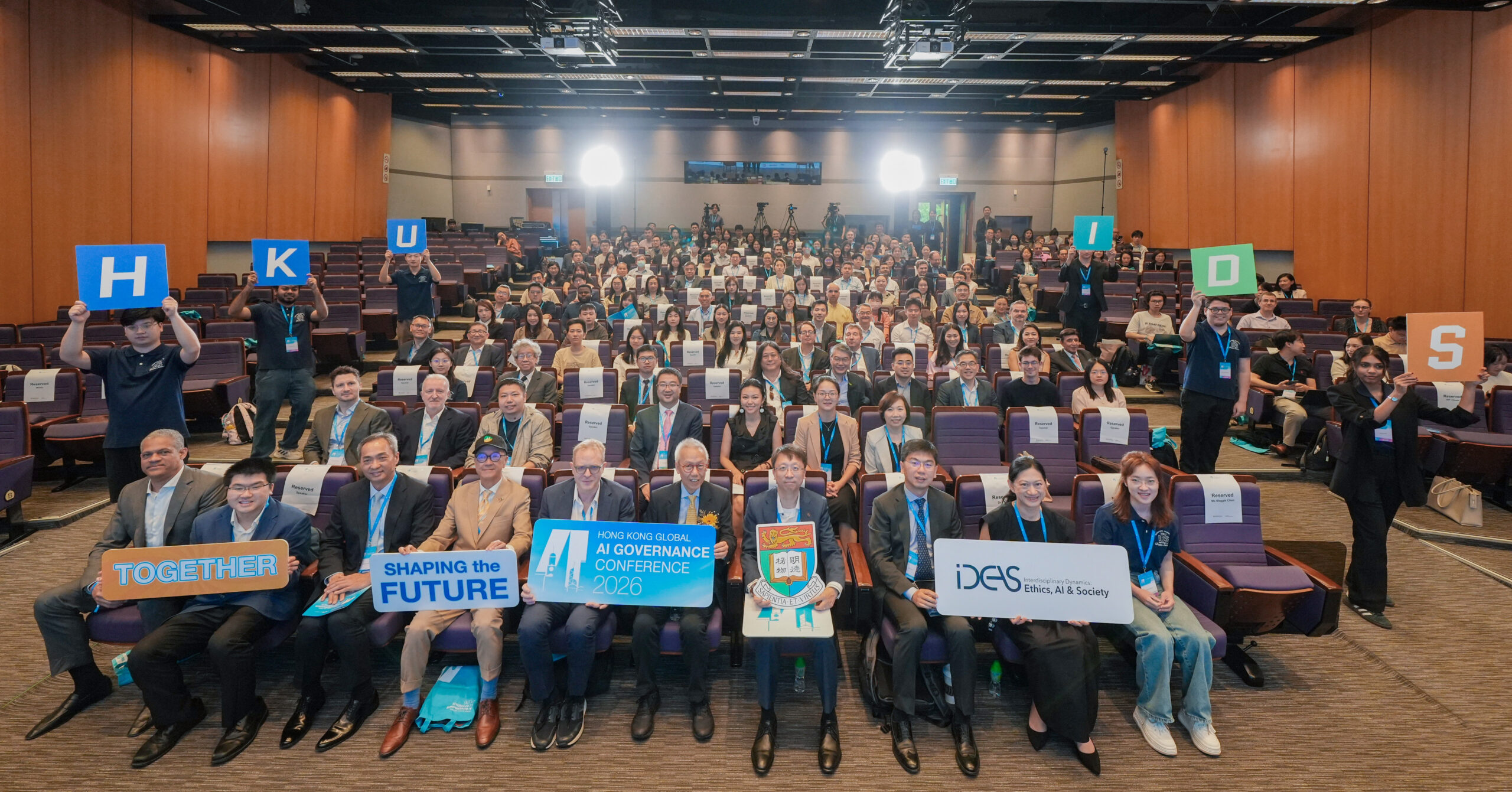
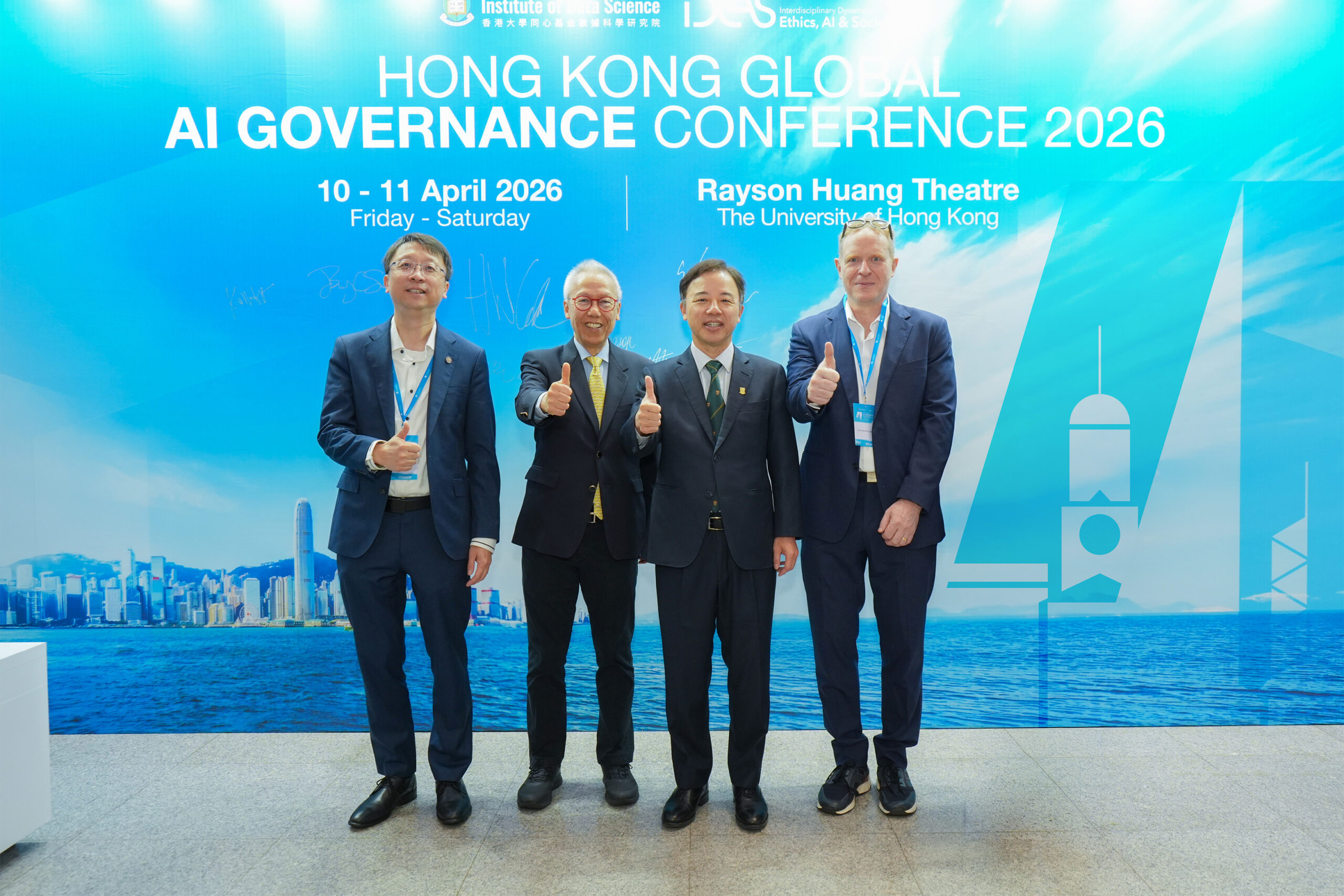
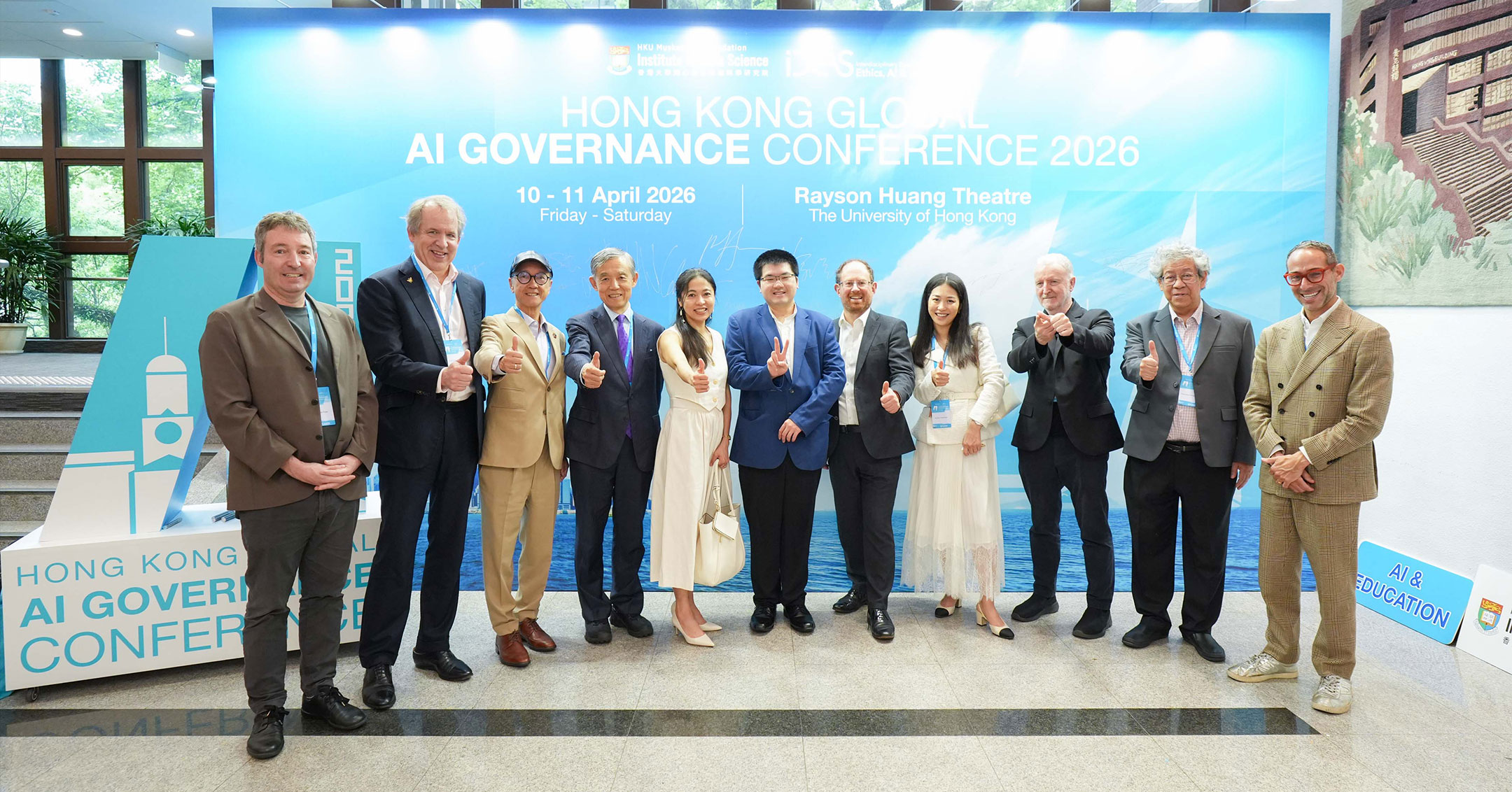
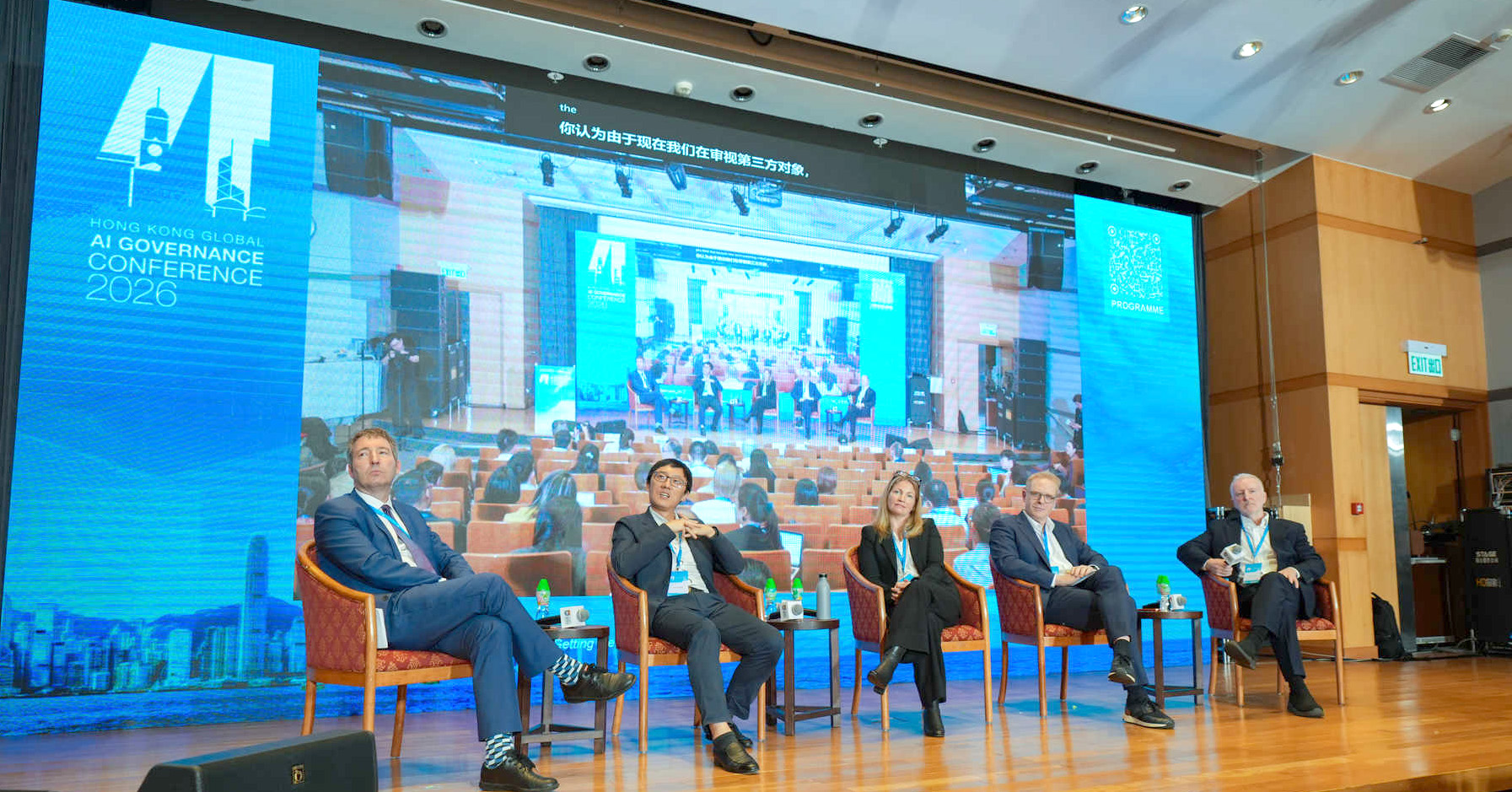
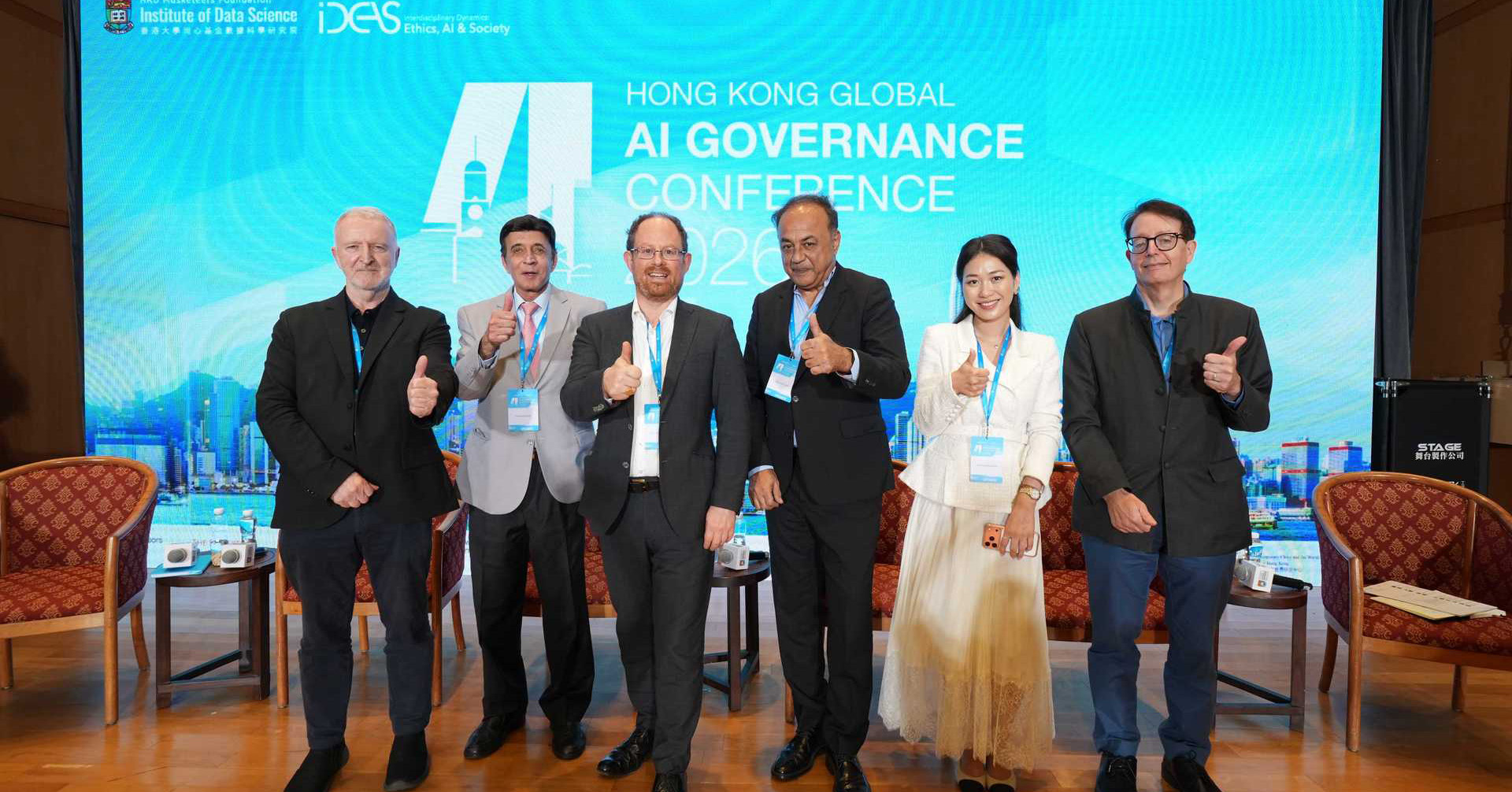
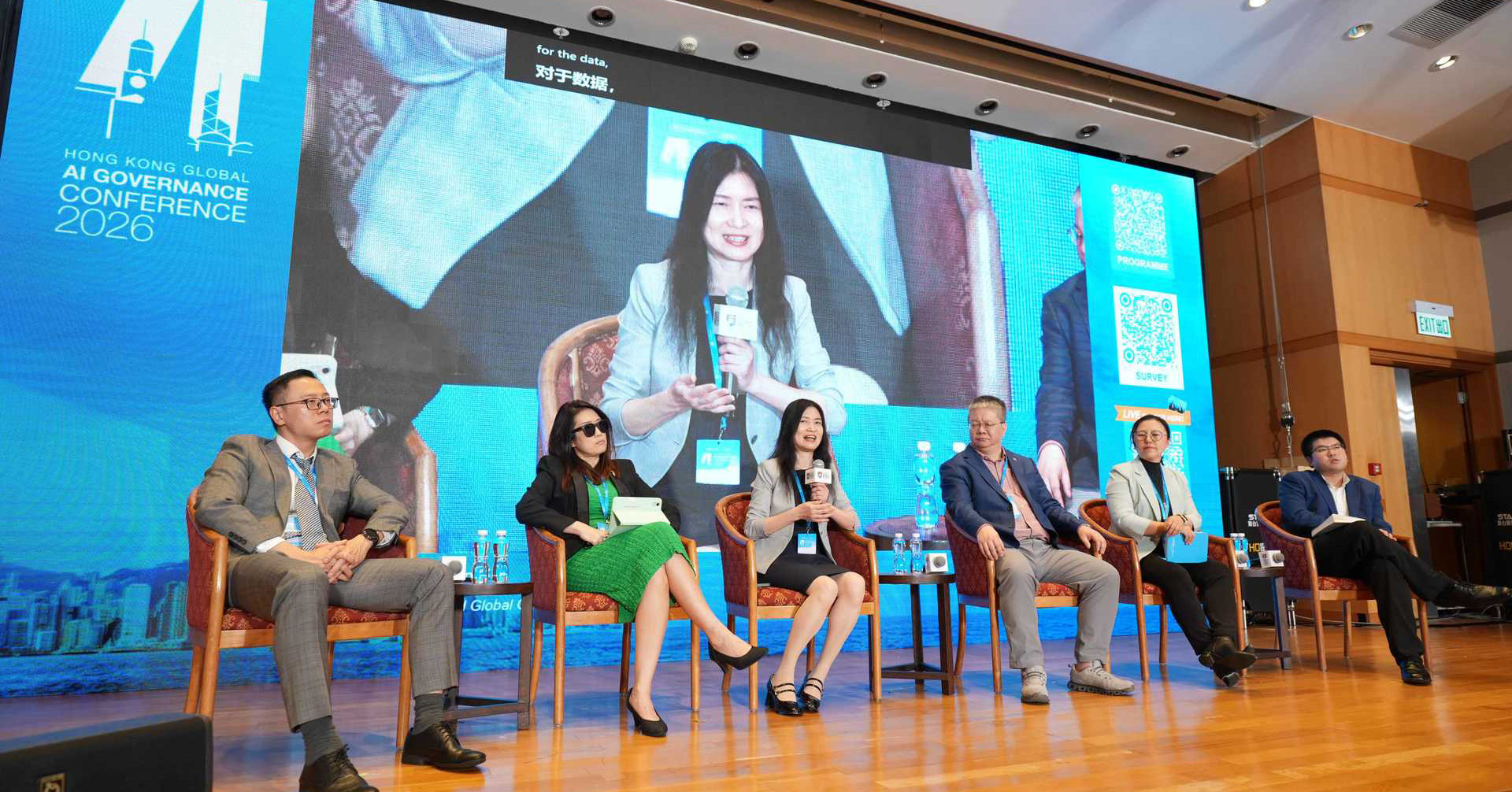
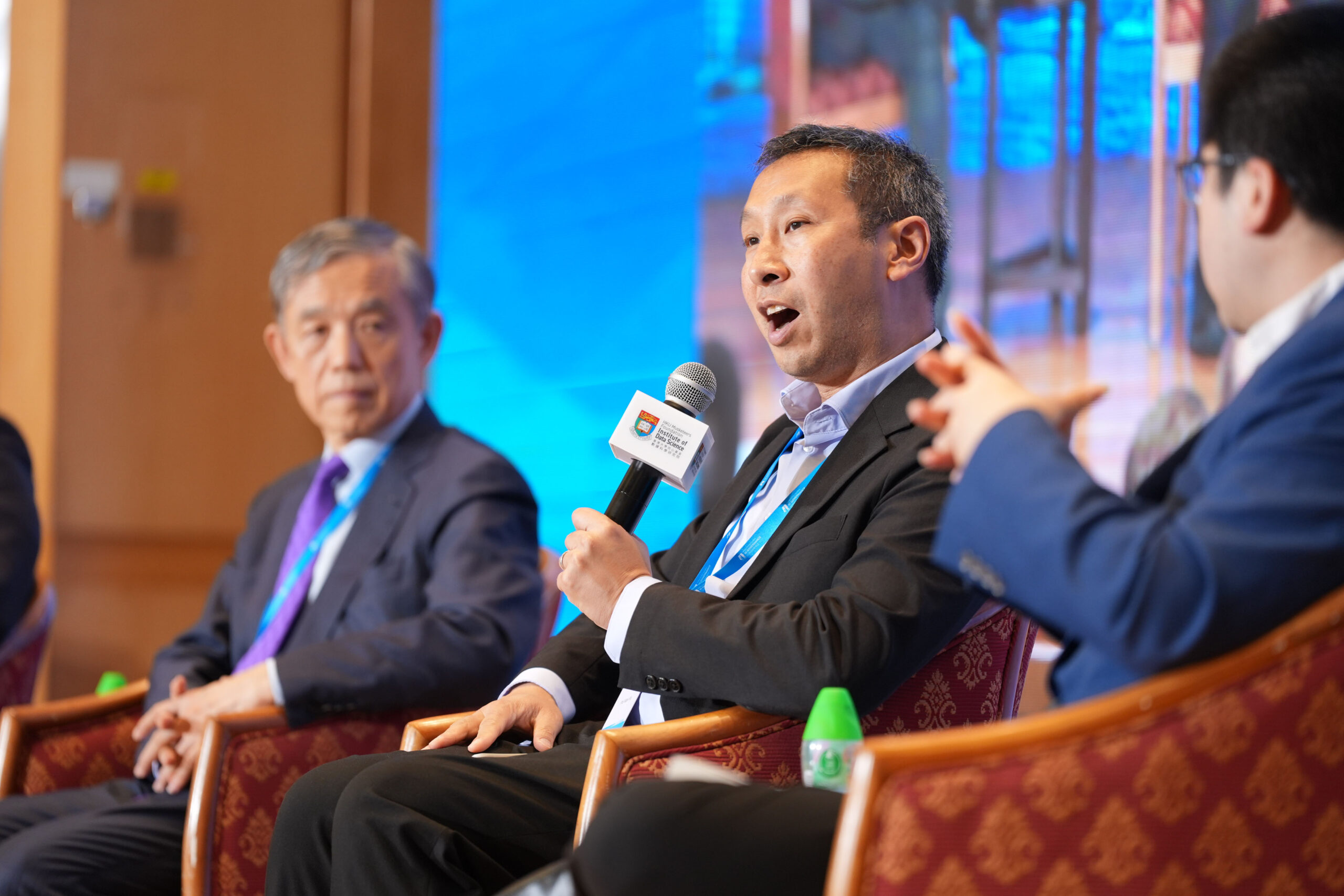
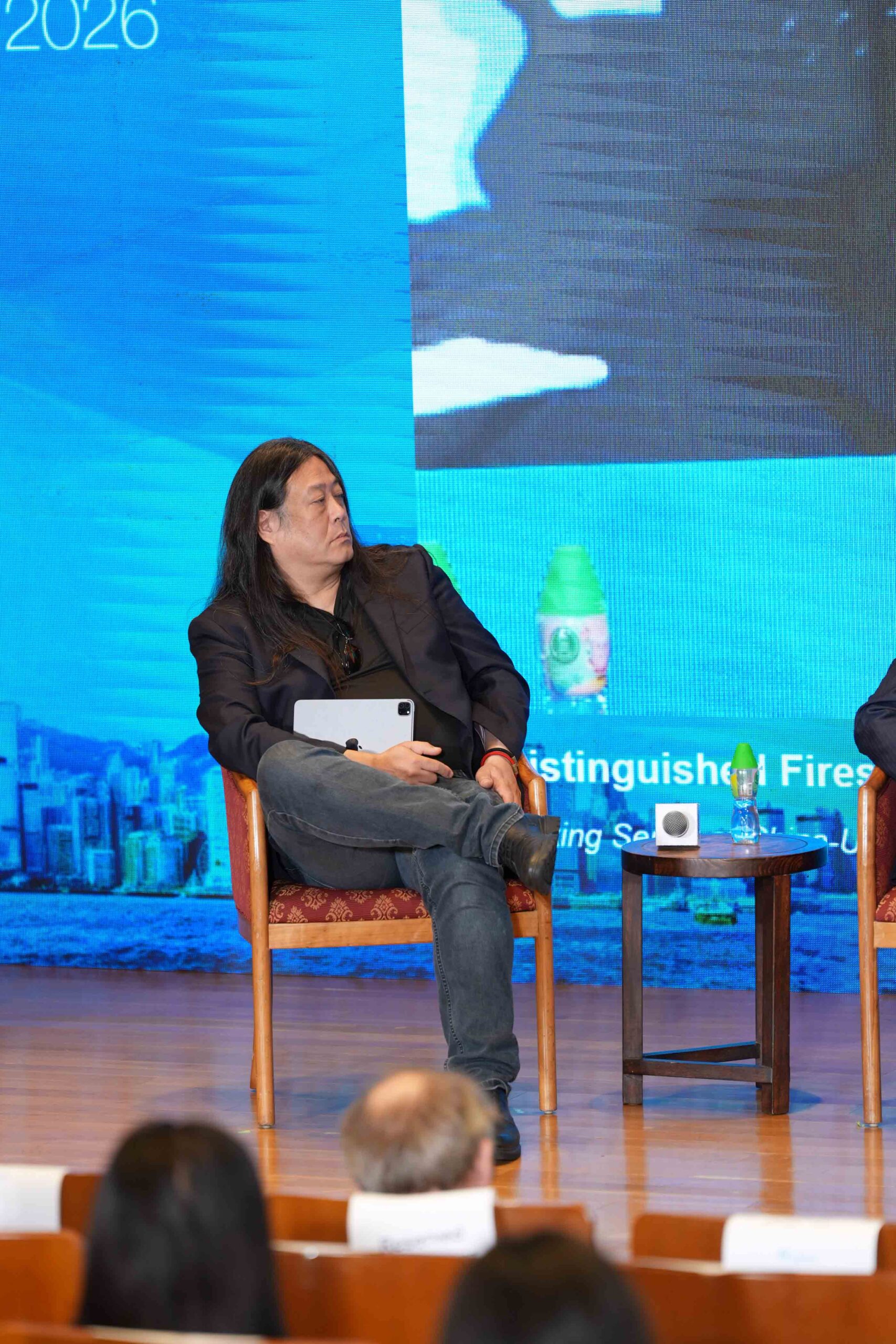
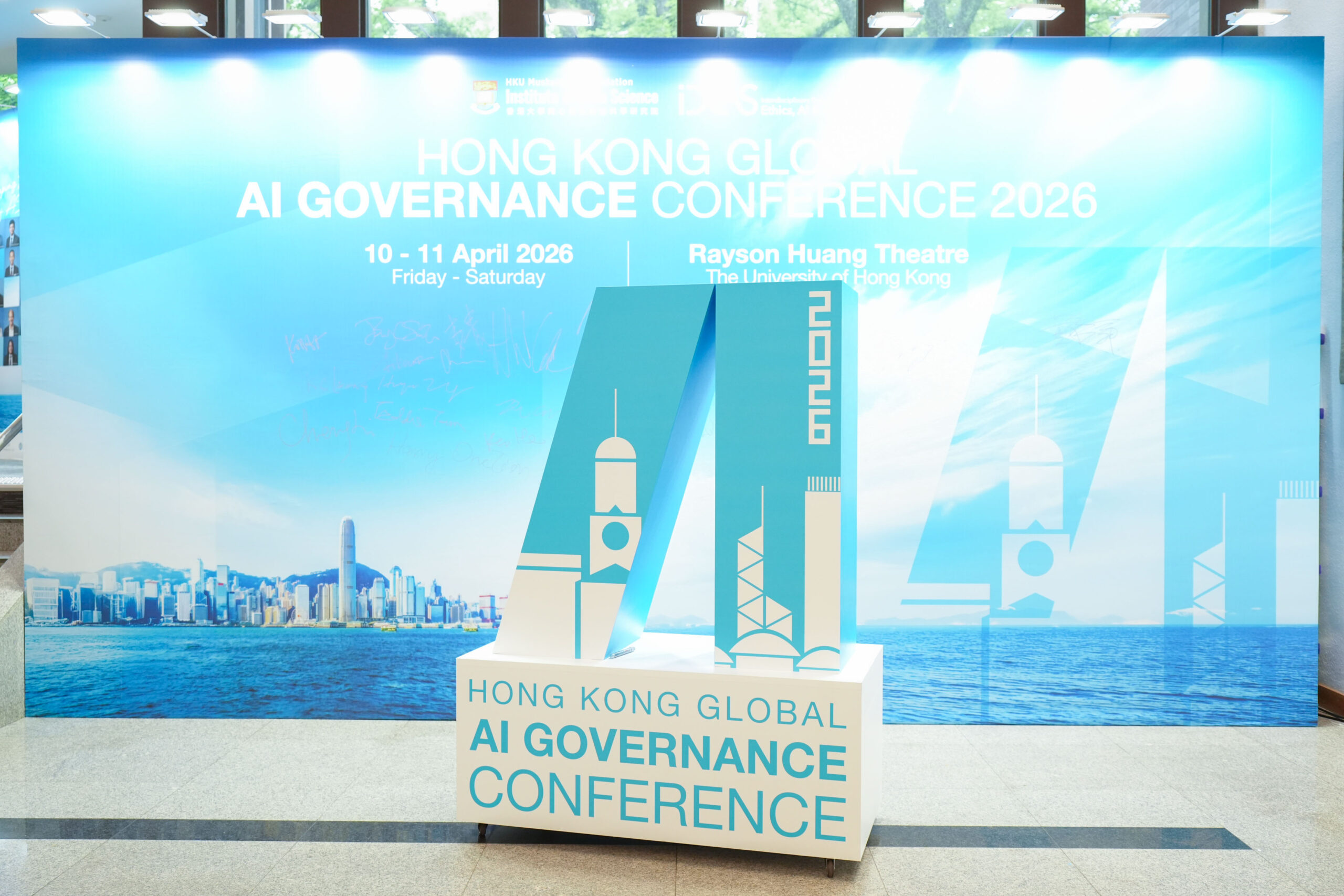
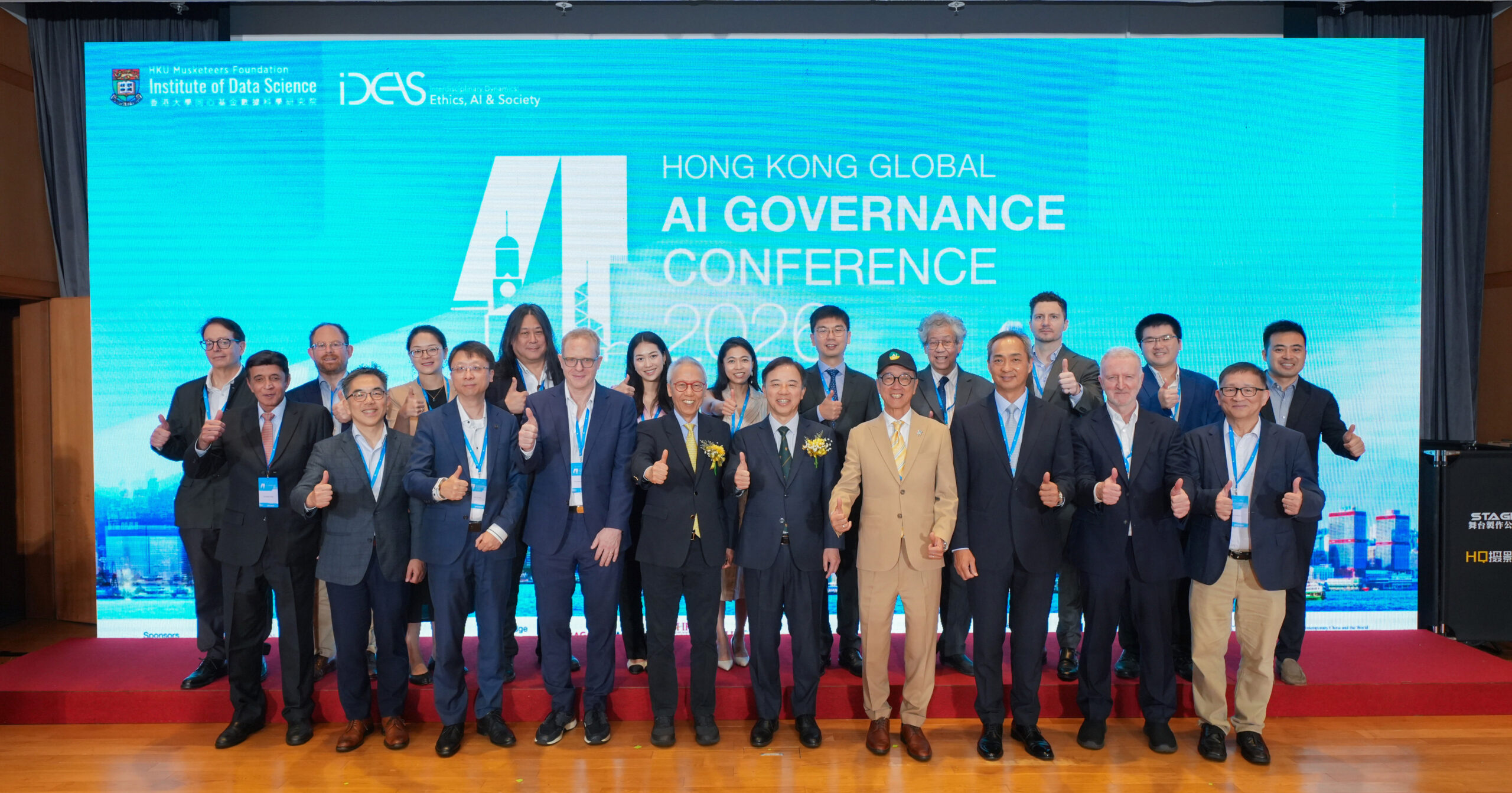
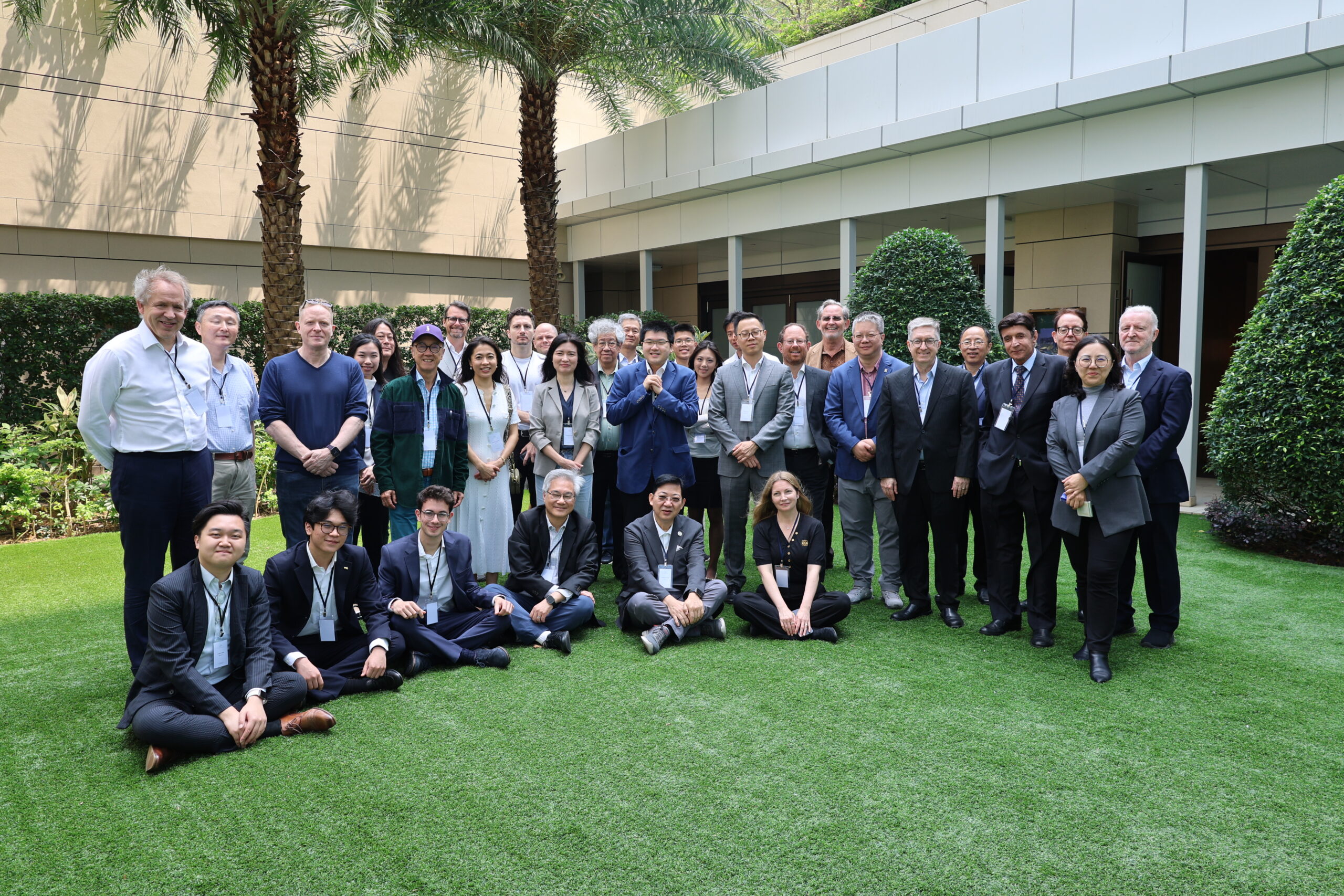
The Hong Kong Global AI Governance Conference 2026 (the Conference), held at the University of Hong Kong on 10–11 April 2026, brought together over 400 participants and 38 speakers from academia, policy, and industry to examine how governance frameworks can respond to rapidly evolving AI systems.
Convened by IDEAS under the HKU Musketeers Foundation Institute of Data Science, the Conference positioned Hong Kong as a platform for cross-regional and interdisciplinary dialogue. Discussions moved beyond simplified geopolitical narratives, focusing instead on the institutional, societal, and technological conditions shaping AI governance in practice.
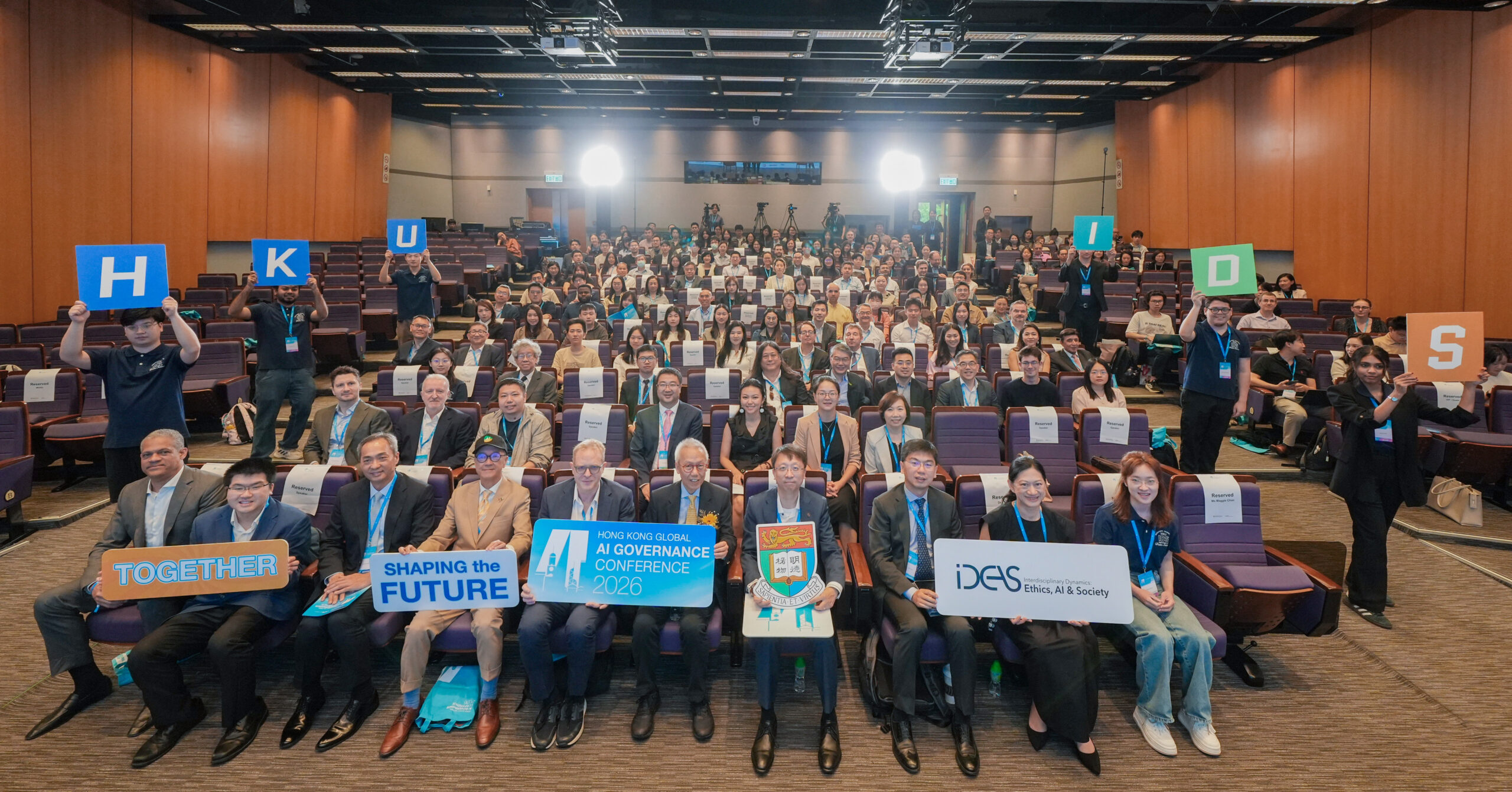
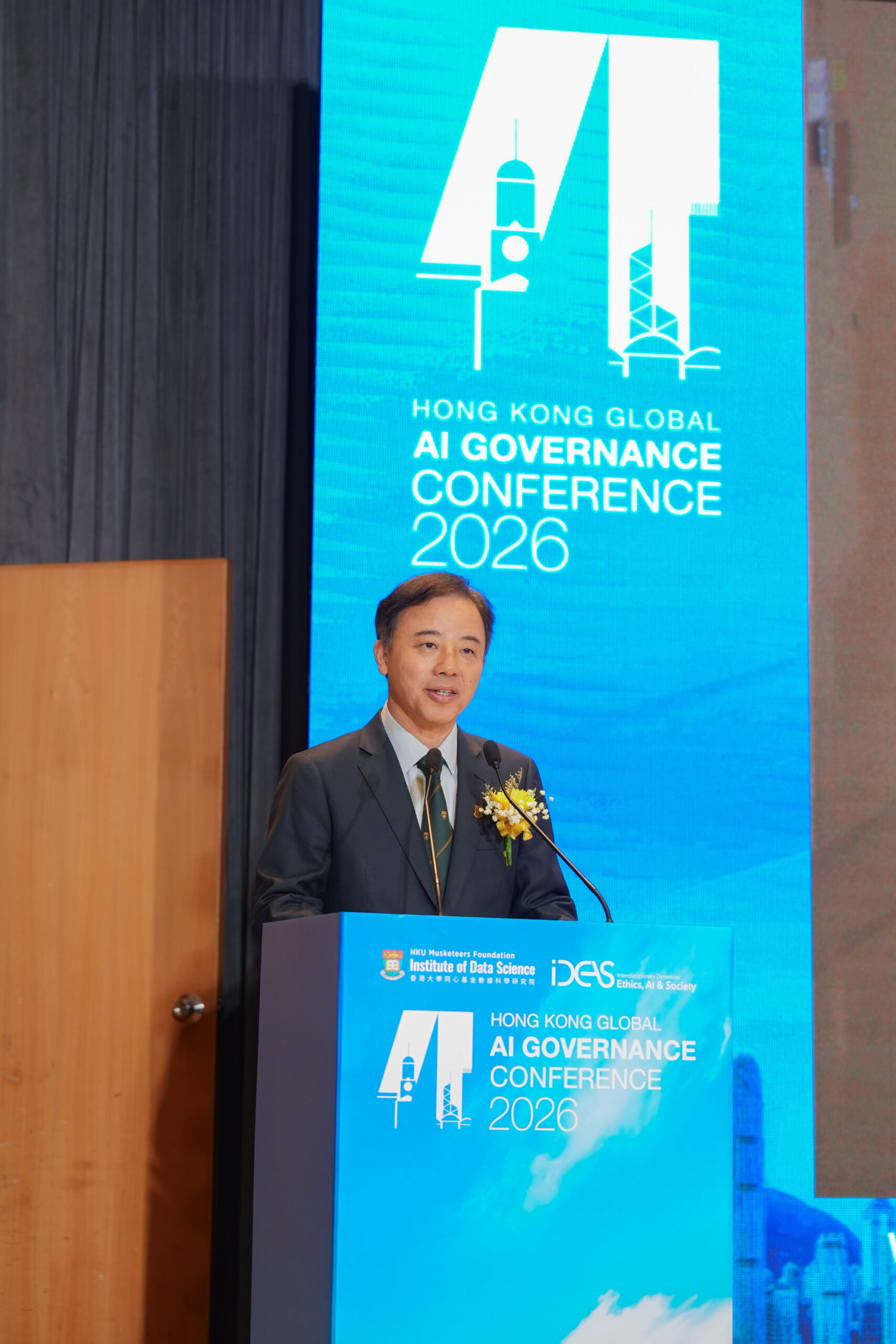
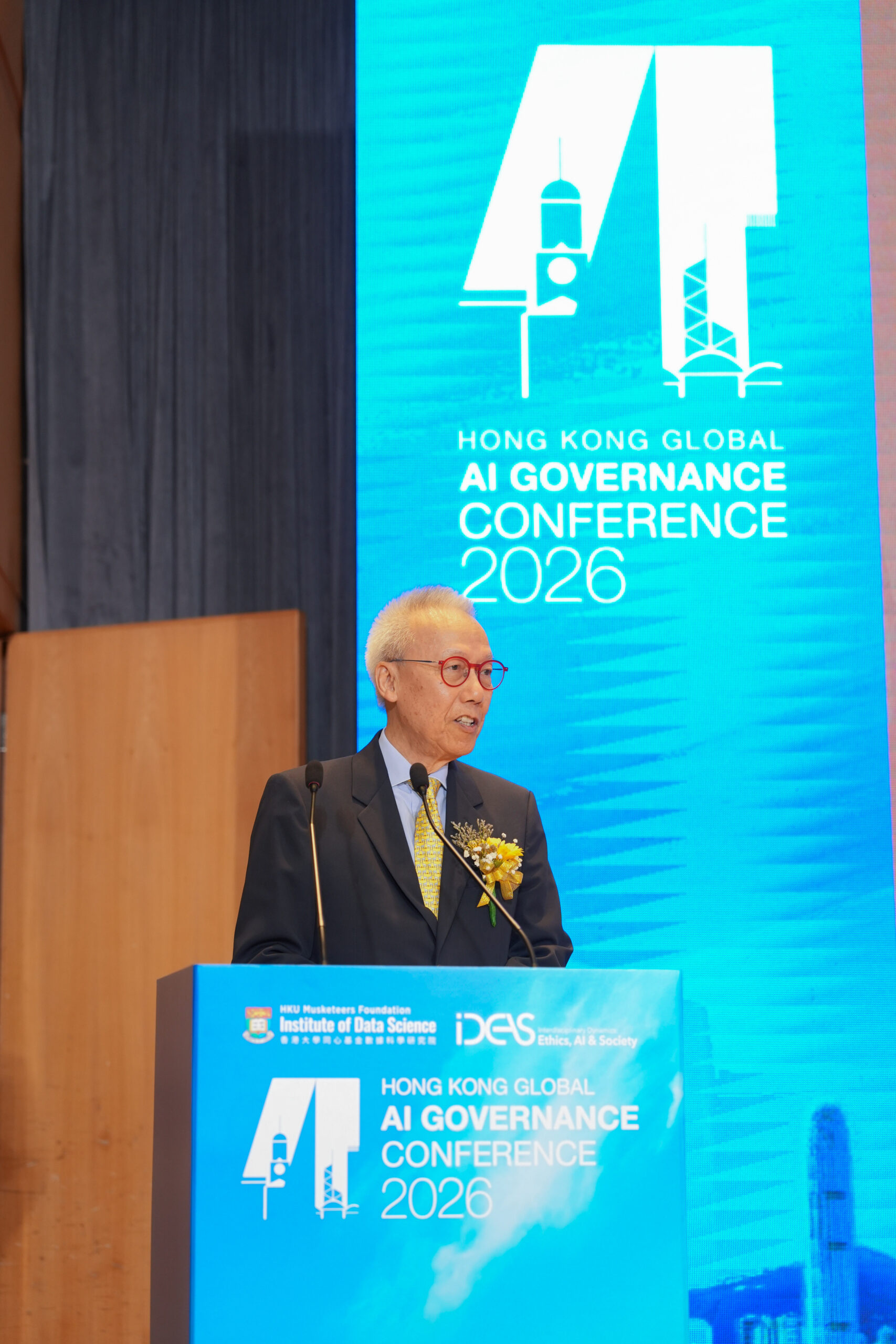
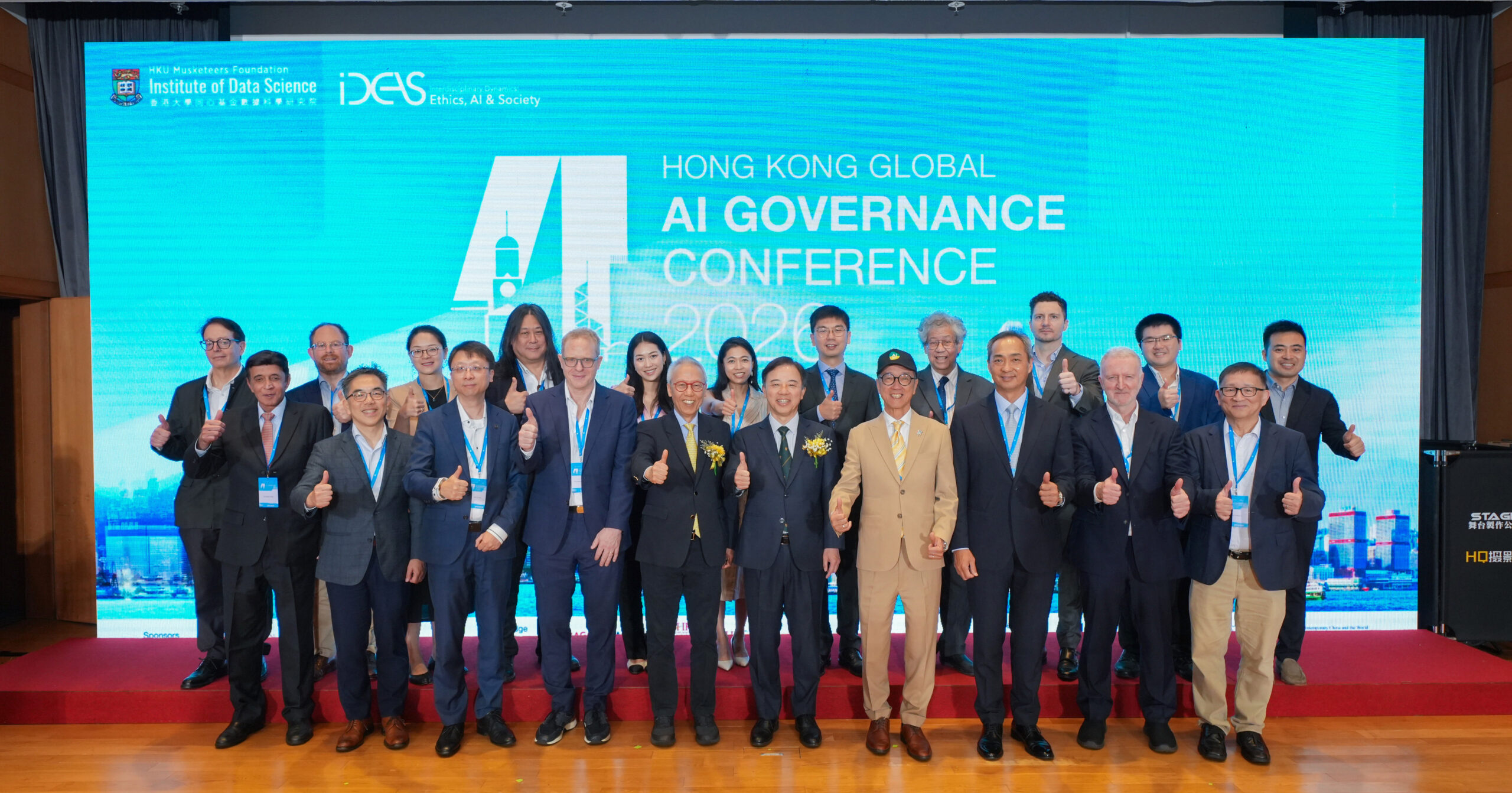
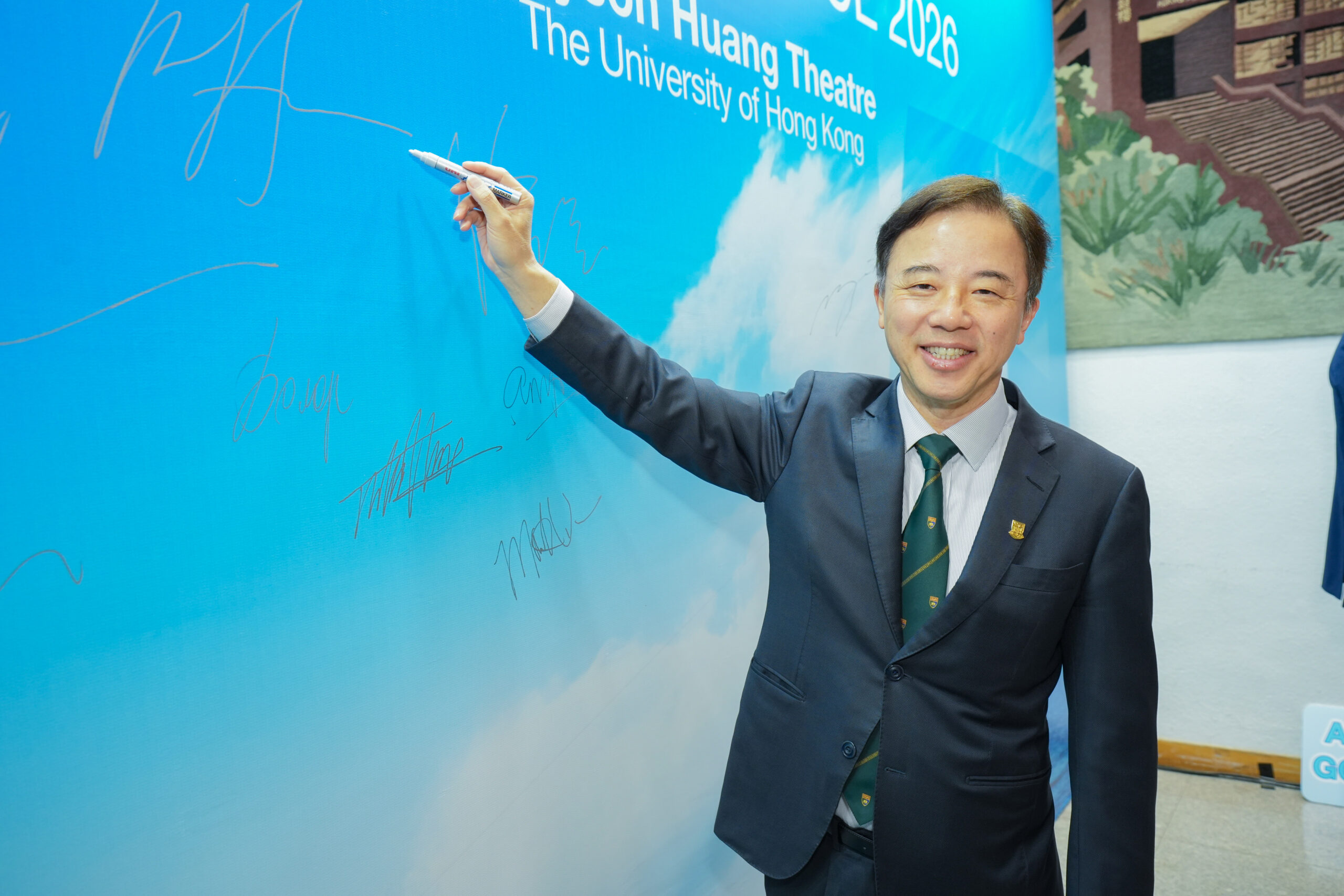
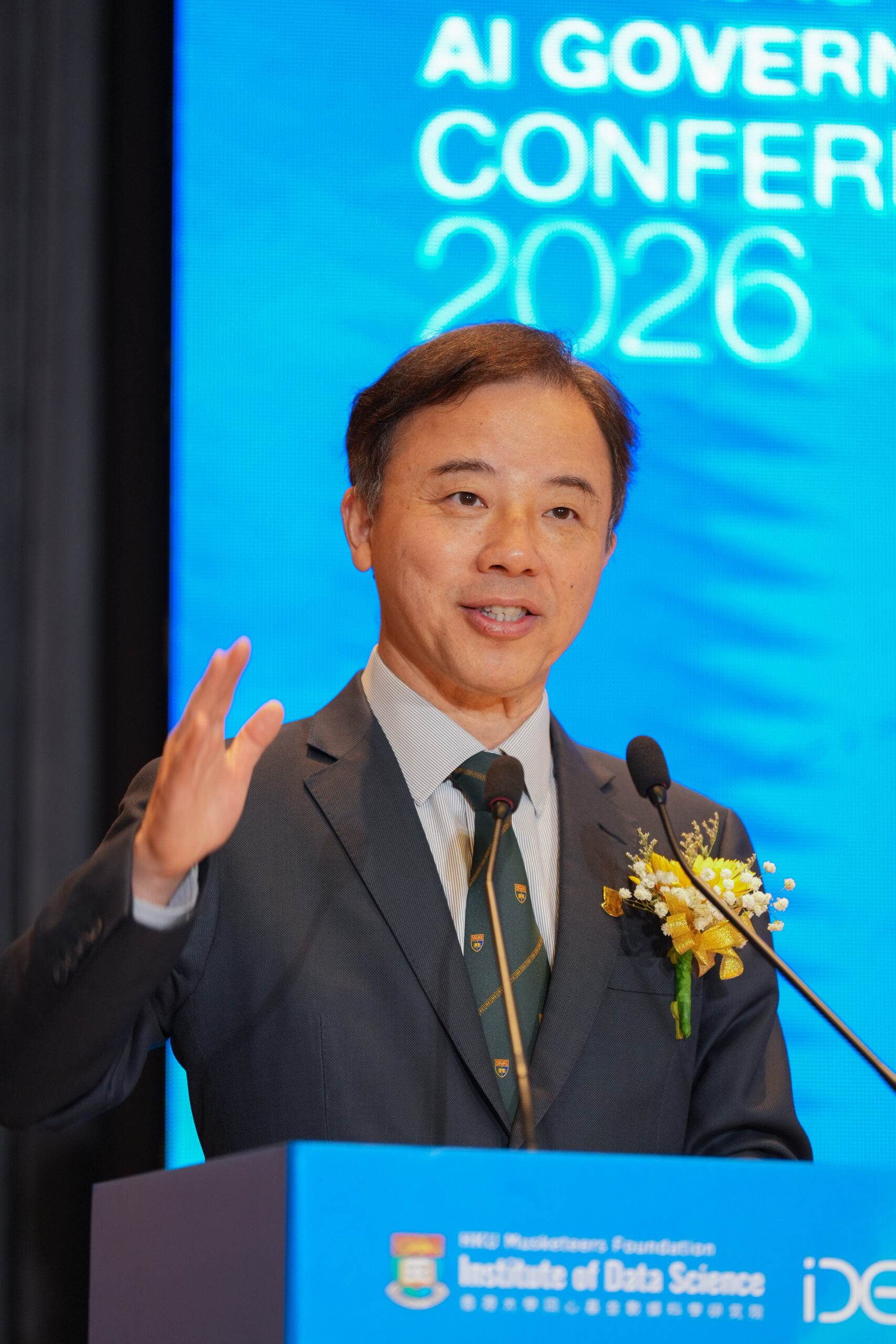
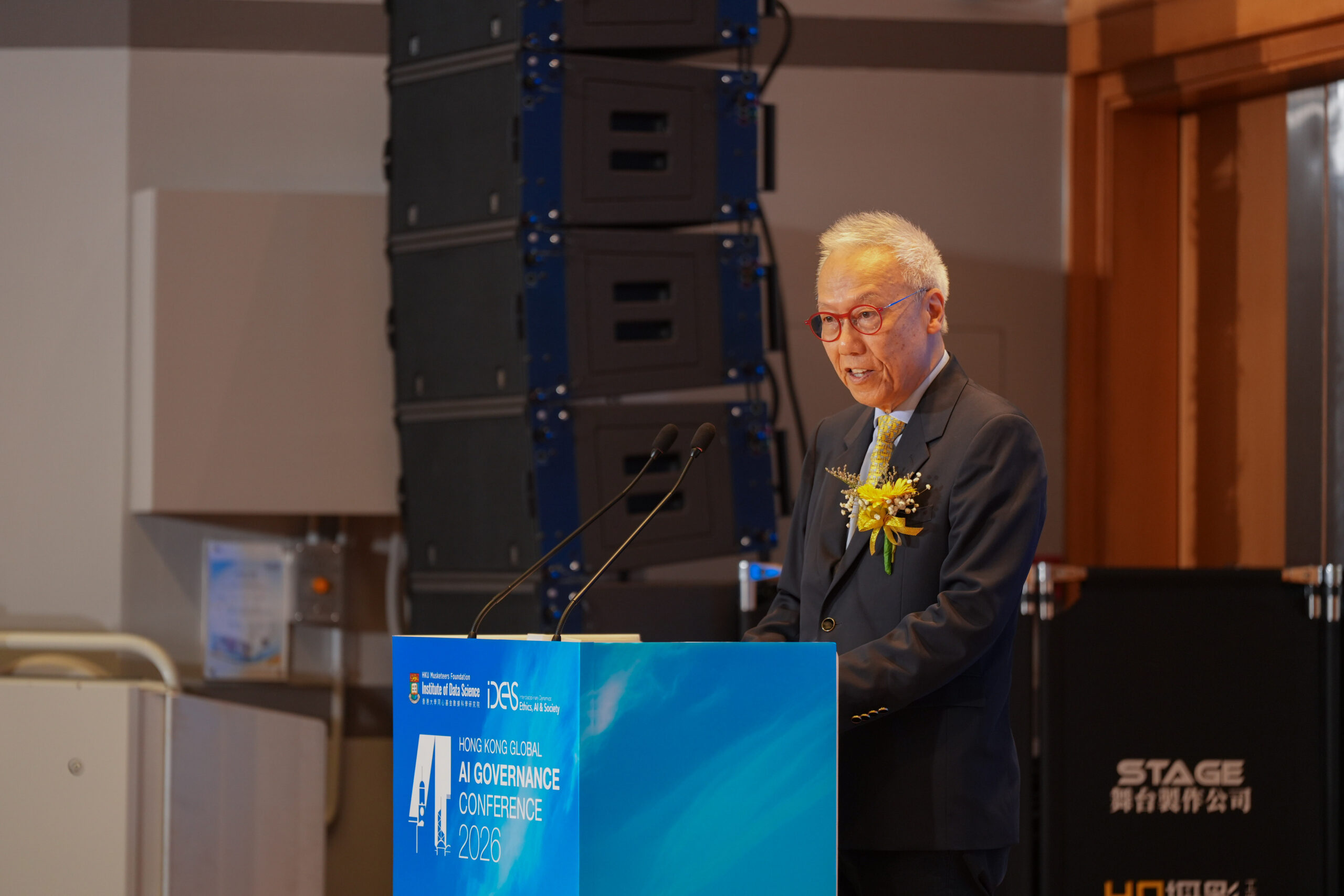
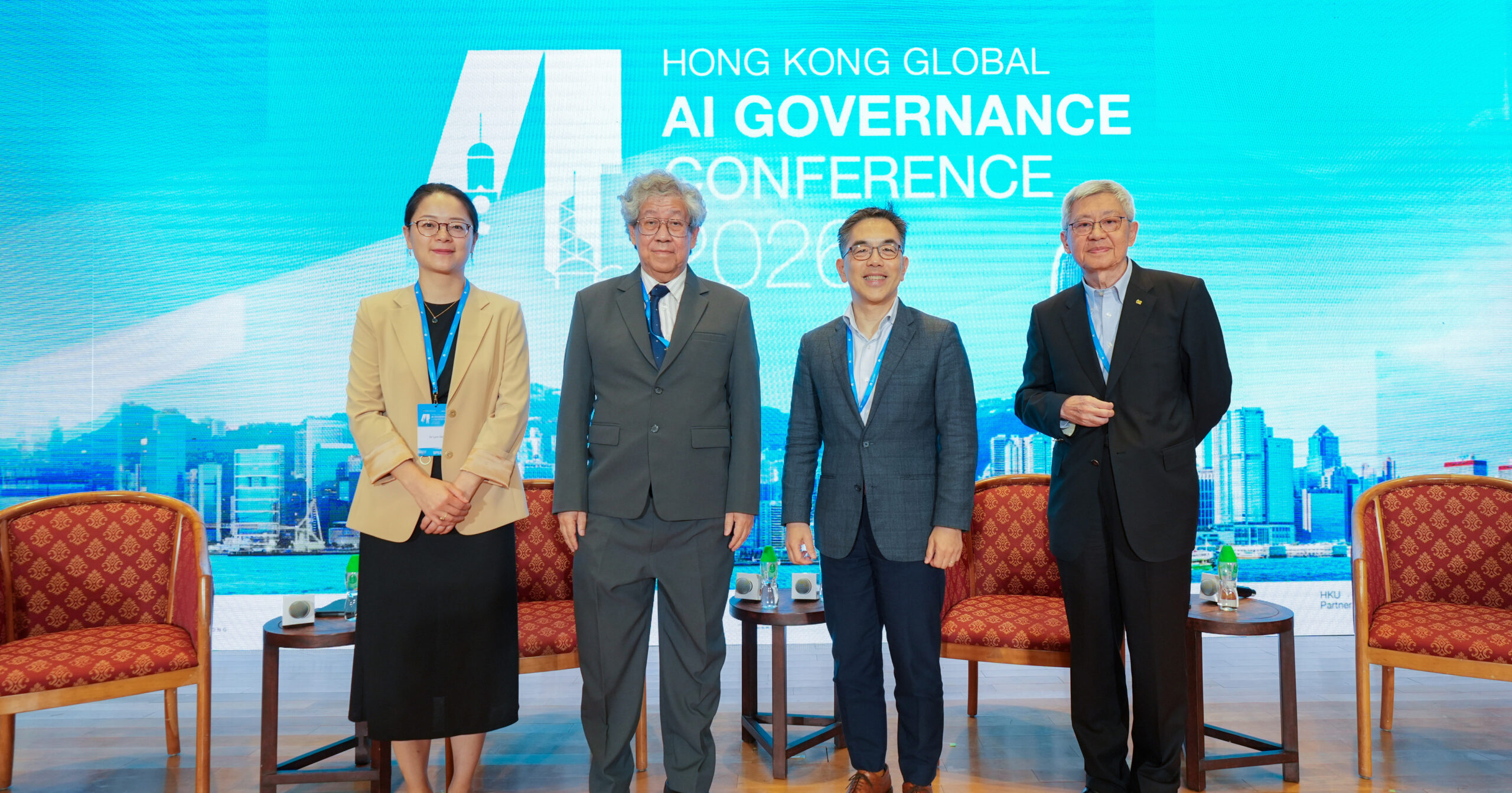
The opening ceremony was officiated by Professor Xiang ZHANG, President and Vice-Chancellor of HKU, and Mr Ka Chai LEONG, benefactor of HKU IDS, Founder of The Musketeers Education and Culture Charitable Foundation, and Honorary University Fellow 2021. In his welcome address, Professor Zhang highlighted the need to plan ahead for the social, legal, political, and philosophical implications of AI, while Mr Leong underscored the importance of initiatives such as IDEAS in advancing discussion on AI governance.
Across keynote dialogues, fireside conversations, and panel discussions, the Conference addressed the relationship between technological development and governance readiness, the role of institutions in shaping responsible adoption, and the need for coordination across sectors and jurisdictions.
Governance Challenges and Shifting Frames
Across sessions, speakers examined the gap between rapidly advancing AI capabilities and the slower evolution of regulatory and institutional responses. Existing governance models, often designed for more stable systems, face pressure when applied to AI technologies that develop and deploy at speed and scale.
Discussions also revisited the common framing of AI as a geopolitical contest. Rather than treating AI governance solely as a state-level competition, speakers highlighted a broader ecosystem involving companies, research communities, infrastructure providers, and deployment environments.
The Role of Institutions
Universities were consistently positioned as institutions that remain relevant in the AI era, but whose role must evolve. Rather than focusing only on knowledge transmission, higher education was discussed in relation to judgement, critical thinking, interdisciplinary dialogue, and the responsible use of AI.
This reflected a broader view that AI governance extends beyond formal regulation. It also requires sustained engagement across education, research, public discourse, and institutional practice.
AI Governance as an Ongoing Process
The Conference underscored that AI governance is not a one-off policy exercise. It requires continued dialogue across disciplines, sectors, and regions as AI systems and their applications continue to evolve.
Rather than presenting definitive answers, the discussions highlighted the need for governance approaches that can be tested, refined, and adapted in response to real-world deployment.
Panel Summaries
Day 1 (10 April 2026)
Keynote Dialogue & Opening Fireside Chat
AI’s Future in and Beyond China
The dialogue framed AI as a societal technology whose impact depends not only on capability, but also on design choices, deployment contexts, and patterns of human use.






Discussion Summary
The opening dialogue framed AI as a societal technology whose impact depends not only on technical capability, but also on design choices, deployment contexts, and patterns of human use. Rather than treating AI as a standalone technological breakthrough, the discussion considered how AI systems become meaningful through their integration into education, work, creativity, and everyday decision-making.
Speakers discussed AI as a form of augmentation rather than replacement, with attention to how systems can support human capability while preserving judgement, creativity, and agency. The conversation also examined the importance of product design and deployment, suggesting that the same technical capability can lead to different outcomes depending on how it is constrained, accessed, and used.
The session set an important foundation for the Conference by linking technical development with broader questions of infrastructure, access, and human skills. AI was discussed as an emerging layer of social infrastructure, raising questions about cost, equitable distribution, and the need for individuals and institutions to develop the capacity to evaluate and work effectively with AI systems.
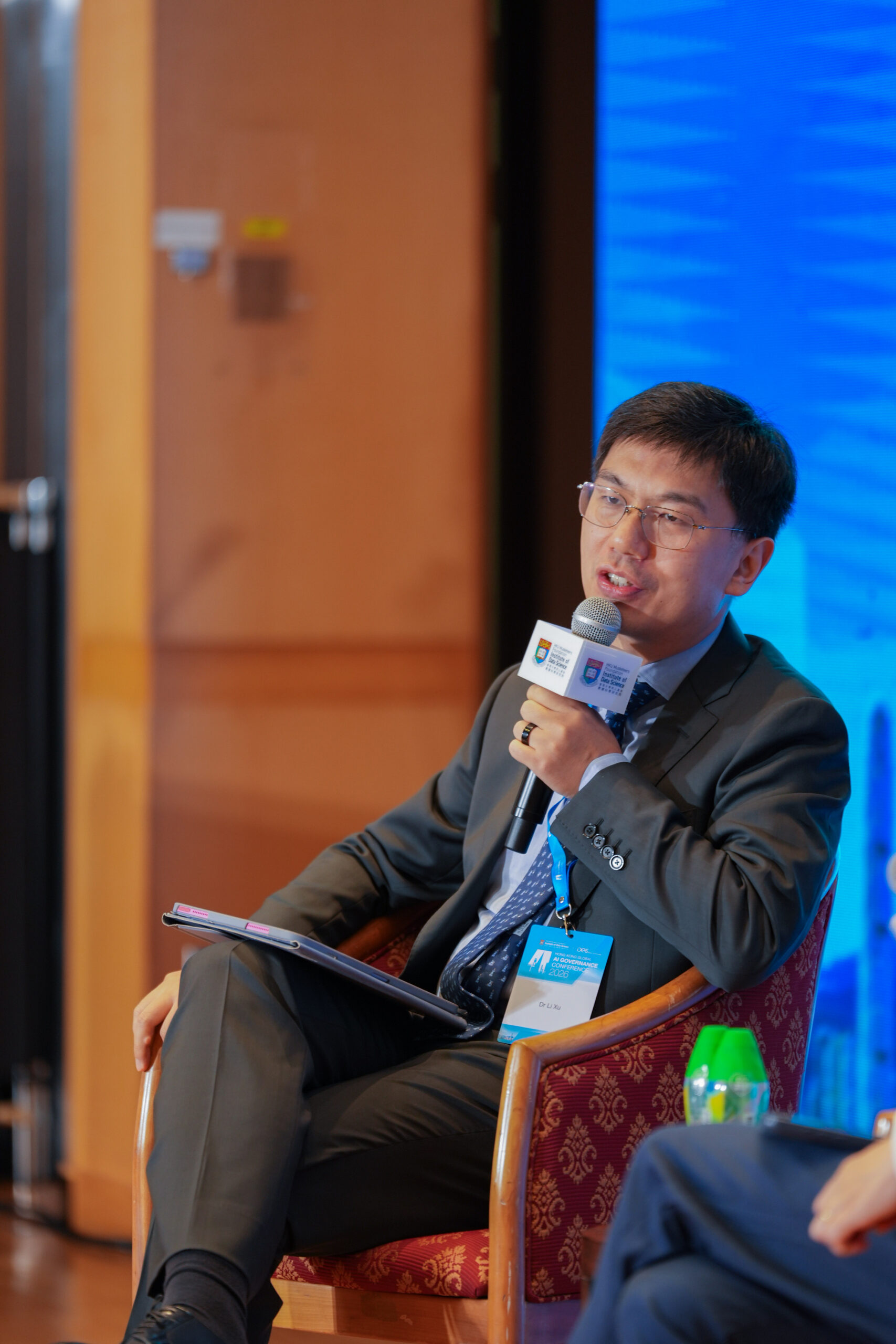
Dr Li XU
Chairman of the Board and CEO, SenseTime, China
Prof Yi MA
Moderator
Director, Musketeers Foundation Institute of Data Science
Director, School of Computing and Data Science
Professor, Chair of Artificial Intelligence, HKU
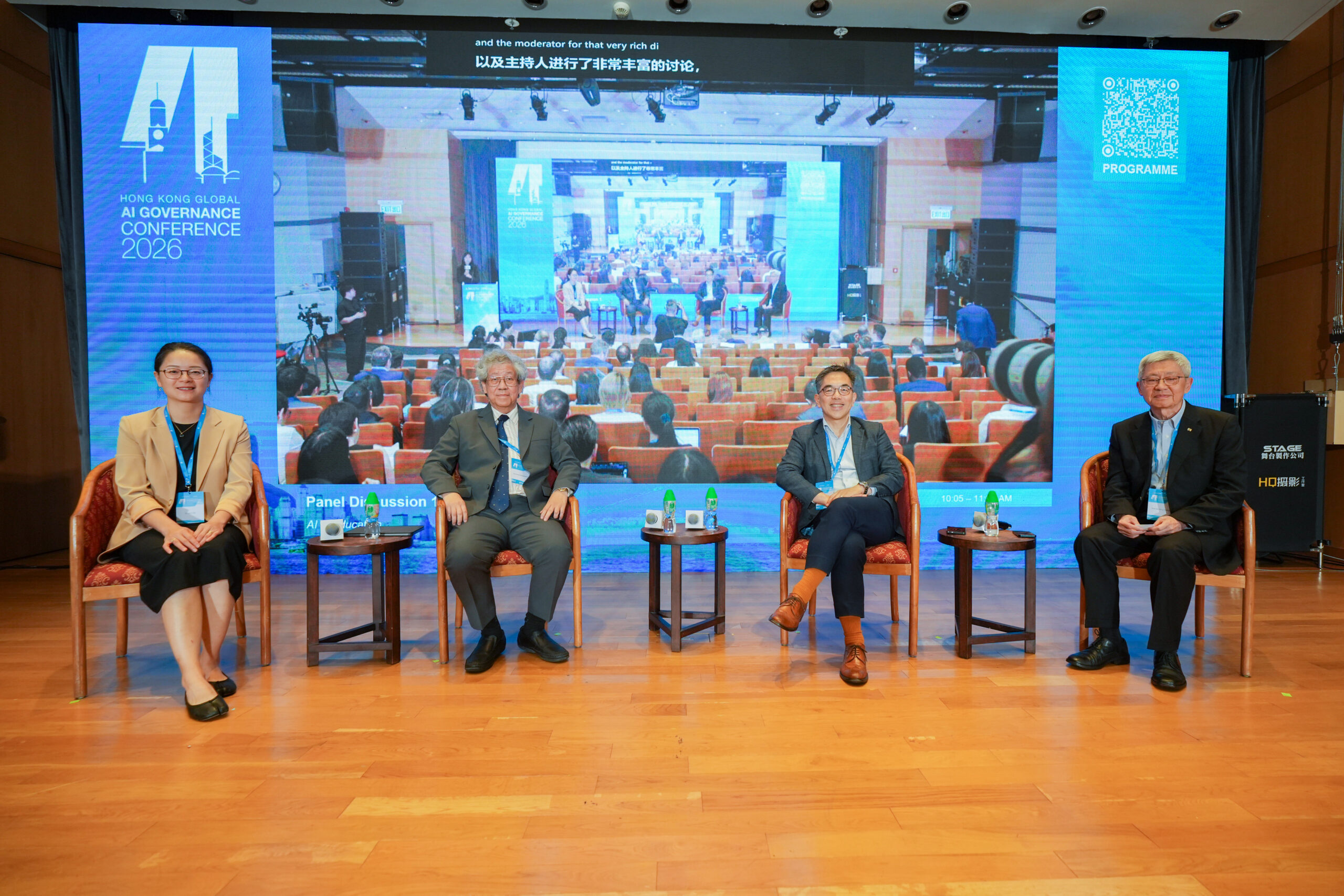
Panel Discussion 1
AI and Education
The discussion examined how AI is reshaping both the purpose of education and the pace at which institutions can adapt to technological change.






Discussion Summary
This panel examined how AI is changing both the practice and purpose of education. The discussion moved beyond the use of AI as a classroom tool and considered whether education systems need to rethink what students should learn, how they should learn, and how educators should adapt to an AI-enabled environment.
Speakers considered the need for educators to move beyond traditional instructional models and develop a more adaptive pedagogical mindset. AI was discussed as a tool for personalised learning and efficiency, but also as a challenge to existing assumptions about literacy, assessment, curriculum design, and the role of teachers. The panel also noted that institutional change can be slow, particularly where curriculum reform depends on long policy and implementation cycles.
At the same time, the discussion highlighted that AI is already being deployed at scale in some applied and professional training contexts, shaped by national demand and institutional priorities. Across the session, speakers returned to the importance of human judgement: students need to use AI critically, evaluate its outputs, and take responsibility for decisions informed by AI rather than relying on it passively.
Dr Lynn DAI
General Manager, SenseTime Education, China
Prof Soraj HONGLADAROM
Professor, International Buddhist Studies College, Mahachulalongkornrajavidyalaya University, Thailand
Prof Tien Yin WONG
Vice Provost, Tsinghua University
Senior Vice Chancellor, Tsinghua Medicine, China/Singapore
Prof Kai Ming CHENG
Moderator
Emeritus Professor, Division of Policy, Administration and Social Sciences Education, Faculty of Education, HKU, HKSAR China
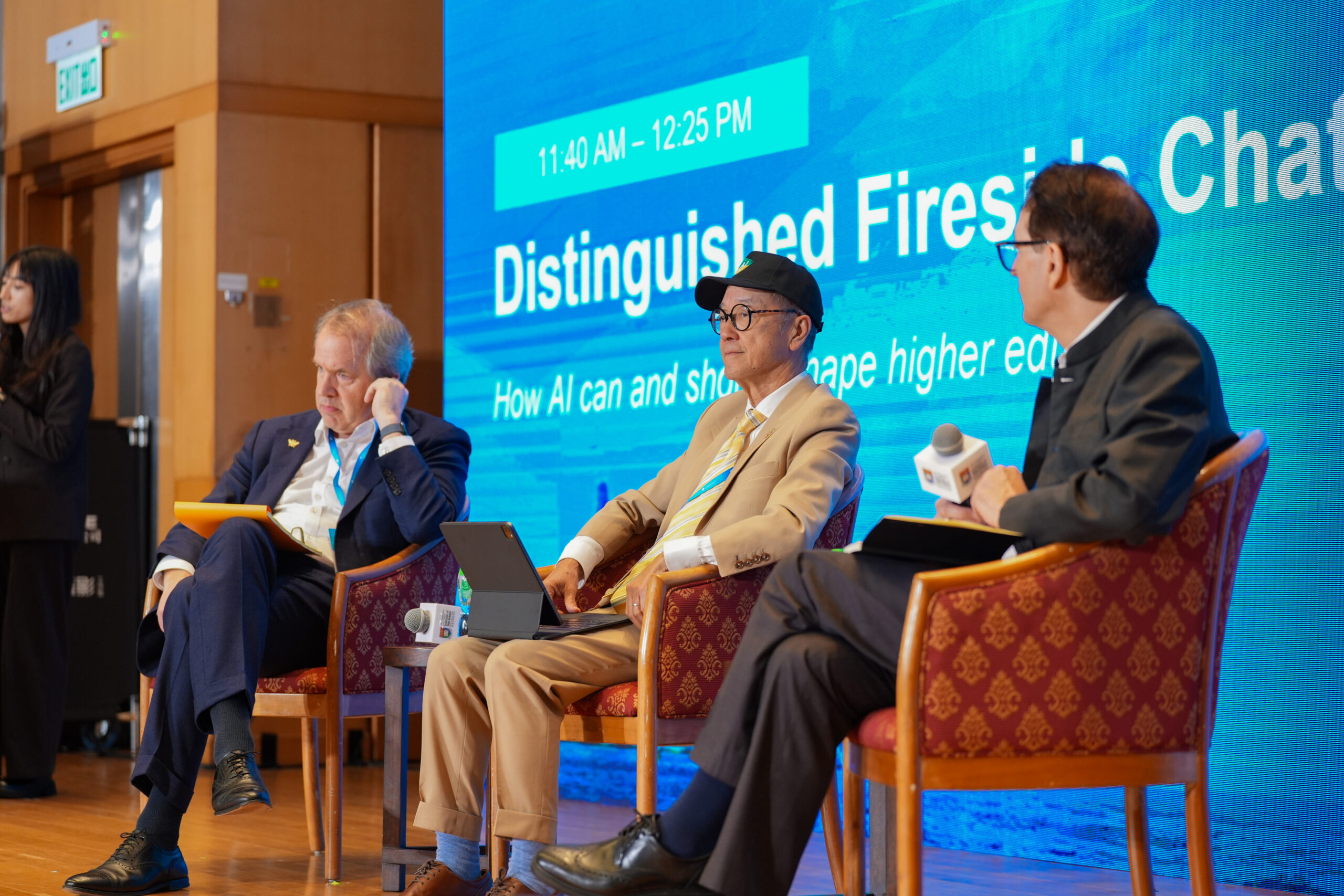
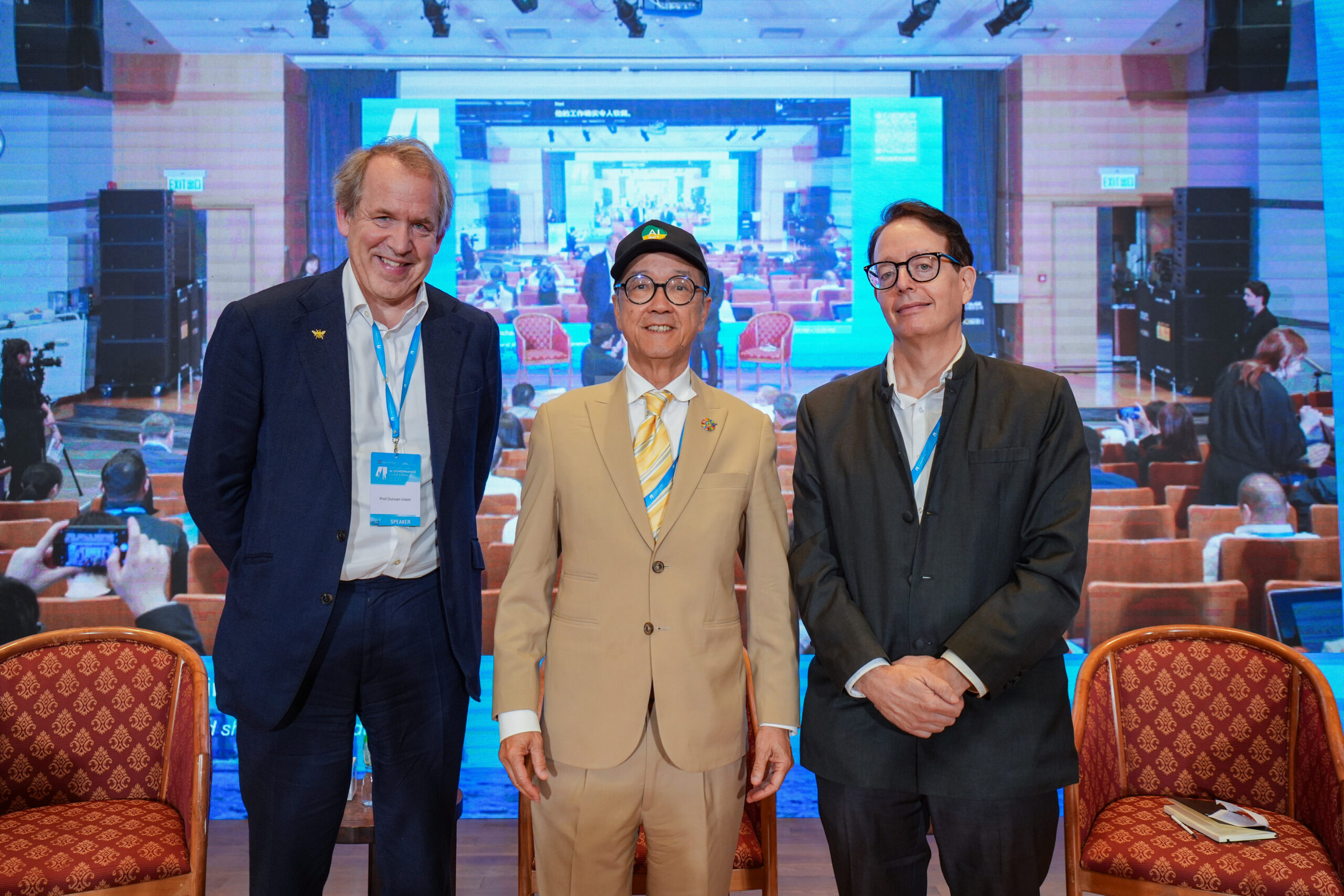
Distinguished Fireside Chat
How AI Can and Should Shape Higher Education
The discussion focused on how universities must redefine their role in an AI-enabled environment, shifting from knowledge delivery to the development of human capabilities that remain central in an AI-enabled environment.






Discussion Summary
This fireside chat considered the continuing role of universities in an AI-enabled environment. Rather than treating AI as a force that will make higher education obsolete, the discussion focused on how universities should evolve their role as institutions for learning, inquiry, and human development.
Speakers emphasised that universities are not only places for acquiring knowledge, but also environments for learning how to learn, testing ideas, forming judgement, and communicating clearly. In a context where information retrieval and routine cognitive tasks may increasingly be supported by AI, the discussion placed renewed emphasis on imagination, creativity, critical thinking, and the ability to ask meaningful questions.
The session also connected AI to wider pressures facing higher education, including labour market relevance, public trust, and the need for students across disciplines to develop AI literacy. AI was therefore framed not simply as a teaching aid, but as a force requiring universities to reconsider what they teach, how they teach, and what kind of graduates they aim to develop.
Prof Tony CHAN
Third President, King Abdullah University of Science and Technology; Former President, Hong Kong University of Science and Technology, USA/HKSAR China
Prof Duncan IVISON
President and Vice-Chancellor, The University of Manchester, UK
Prof Daniel BELL
Moderator
Chair of Political Theory, HKU School of Governance and Policy, HKSAR China
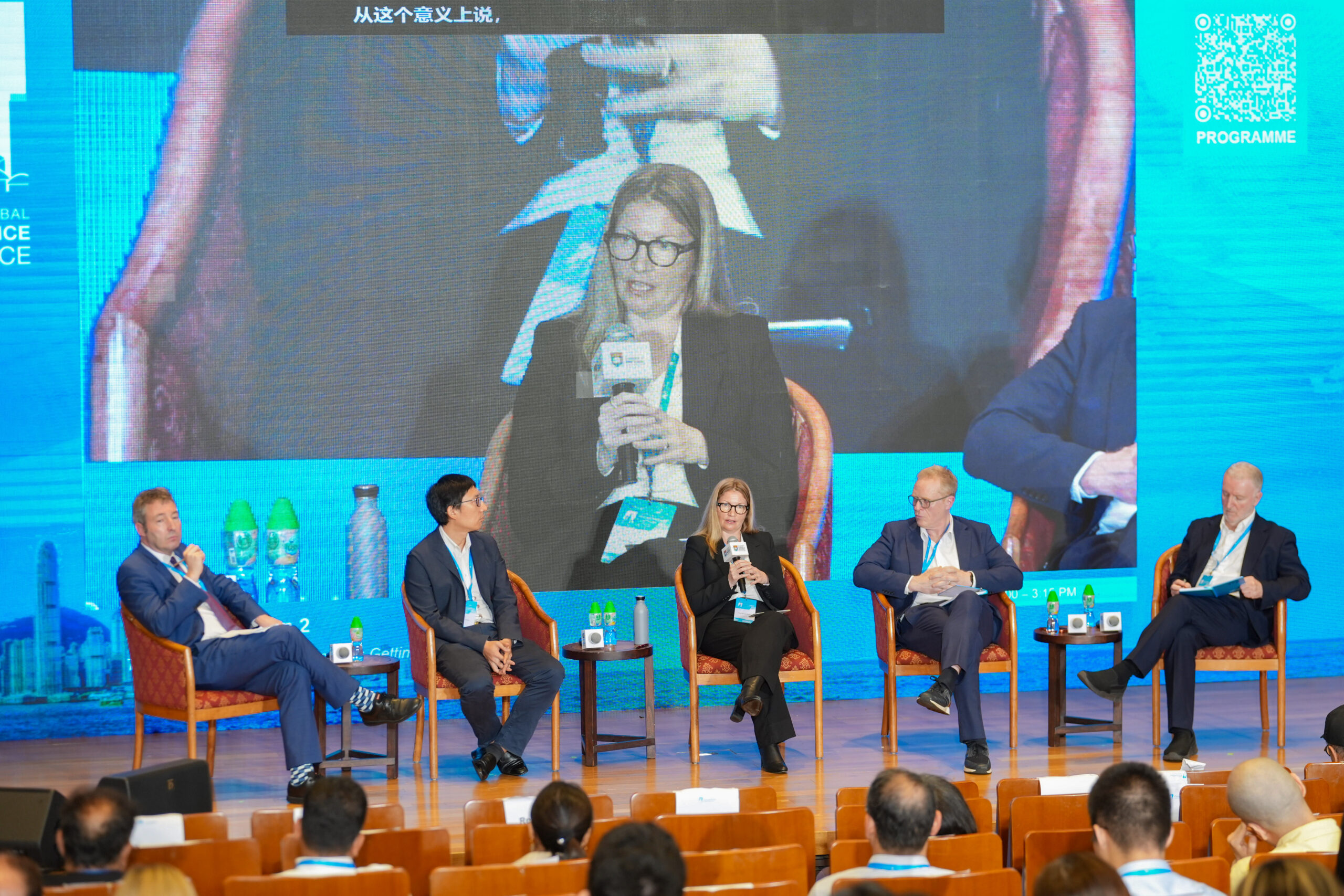
Panel Discussion 2
The Philosophy of AI Governance: Getting the Concepts Right
The panel examined whether existing conceptual frameworks are sufficient for understanding and governing AI systems, highlighting the risks of relying on imprecise or misleading categories.






Discussion Summary
This panel examined whether existing conceptual frameworks are adequate for understanding and governing AI systems. The discussion began from the idea that governance depends not only on laws and policies, but also on the concepts used to describe what AI systems are and what they can do.
Panellists considered how terms such as “AI”, “assistant’, “agent”, “intelligence”, and ‘trustworthiness” can import assumptions from human psychology or older philosophical traditions that may not map clearly onto current systems. The discussion examined the risks of treating AI as either human-like or purely mechanical, since both framings may distort public understanding, legal reasoning, and policy design.
Rather than treating conceptual questions as abstract or secondary, the panel framed them as directly relevant to governance. Questions of agency, responsibility, understanding, and accountability affect how institutions assign responsibility and design oversight. The session also recognised that governance cannot wait for complete philosophical consensus, and that provisional frameworks may need to evolve as AI systems and their social uses develop.
Prof Herman CAPPELEN
Chair Professor, Department of Philosophy, School of Humanities, HKU, HKSAR China
Prof Mathias RISSE
Director, Carr-Ryan Center for Human Rights, Harvard Kennedy School, USA
Prof Rachel STERKEN
Chair, Department of Philosophy and Associate Dean, Faculty of Arts, HKU, HKSAR China
Prof Jiji ZHANG
Professor, Department of Philosophy, Chinese University of Hong Kong, HKSAR China
Prof Barry SMITH
Moderator
Professor and Director, Institute of Philosophy, School of Advanced Study, University of London, UK
Panel Discussion 3
AI, Law & Regulation
The panel examined how existing legal systems are adapting to AI, focusing on the gap between rapidly evolving technologies and slower regulatory processes.






Discussion Summary
This panel considered how legal and regulatory frameworks are responding to the rapid development of AI. The discussion addressed whether existing legal tools can be adapted to AI-related challenges, and where new regulatory approaches may be needed.
Panellists examined issues including data governance, algorithmic accountability, intellectual property, liability, and the balance between protecting rights and enabling innovation. The discussion also considered whether market incentives alone are sufficient to prevent AI-related harms, or whether stronger legal and regulatory interventions are necessary.
A recurring concern was implementation. Even well-intentioned regulation can create compliance burdens, particularly for smaller firms, while divergent approaches across jurisdictions may complicate enforcement and cross-border deployment. The panel therefore framed AI regulation not only as a matter of legal principle, but also as a practical question of institutional capacity, regulatory timing, and feasibility.
Prof Pushan DUTT
Professor, INSEAD, Singapore
Prof Mathias RISSE
Director, Carr-Ryan Center for Human Rights, Harvard Kennedy School, USA
Prof Haochen SUN
Professor, Faculty of Law, HKU, HKSAR China
Prof Angela ZHANG
Professor, University of Southern California, USA
Prof Boris BABIC
Moderator
HKU-100 Associate Professor, HKU Musketeers Foundation Institute of Data Science, Department of Philosophy, and Faculty of Law (by courtesy), HKU, HKSAR China
Day 2 (11 April 2026)
Distinguished Fireside Chat
Making Sense of China-US Digital and Tech Governance
The discussion examined AI governance through a geopolitical lens, while challenging simplified narratives and highlighting the complexity of cross-border technological systems.






Discussion Summary
This fireside chat examined AI and digital governance through the lens of China-US relations, while cautioning against overly simplified geopolitical narratives. Speakers acknowledged the importance of China and the United States in shaping technological capability, standards, and strategic competition, but also considered a wider ecosystem involving institutions, firms, researchers, and deployment environments.
The discussion considered how AI governance should not be limited to controlling frontier models. Instead, speakers examined how AI is deployed across social, industrial, and institutional contexts, and how different regulatory traditions shape the way risks and opportunities are understood.
Hong Kong’s role was also discussed in relation to cross-system dialogue. Given its position between different legal, policy, and intellectual traditions, Hong Kong was presented as a possible platform for exchange on AI governance, especially where global debates are often shaped by simplified assumptions about competing systems.
Mr Kaiser KUO
Writer, technology commentator
Host and Co‑Founder, Sinica Podcast, USA/China
Prof Lan XUE
Dean, Schwarzman College, Tsinghua University, China
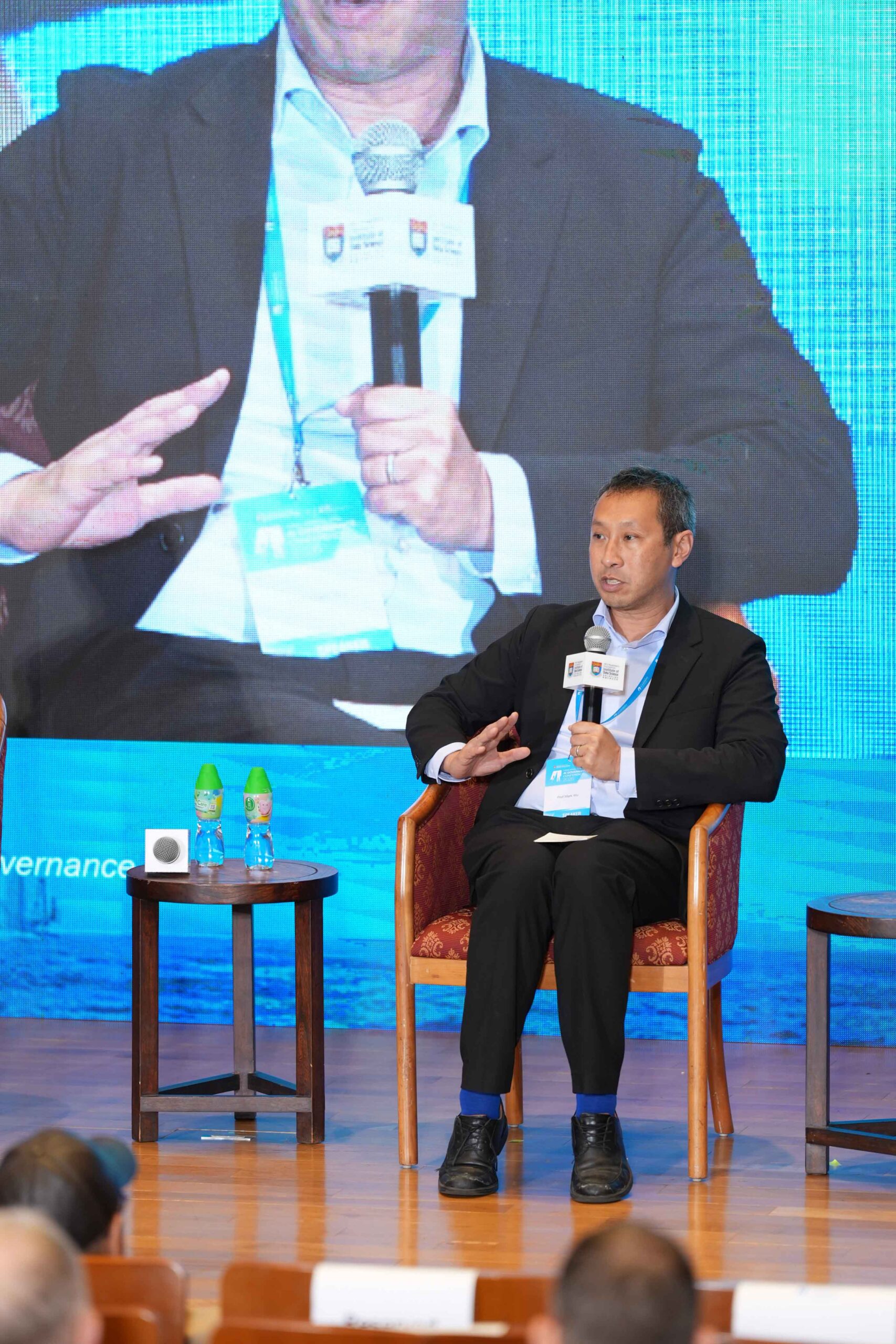
Prof Mark WU
Henry L. Stimson Professor, Harvard Law School
Co-Director, Berkman Klein Center for Internet and Society, Harvard University, USA
Prof Brian WONG
Moderator
HKU-100 Assistant Professor, Department of Philosophy
Fellow, Centre on Contemporary China and the World, HKU, HKSAR China
Distinguished Global Conversation
When Nudge Meets AI: The Future of Technology and Human Autonomy
The discussion explored how AI intersects with human decision-making, highlighting both its potential to improve judgement and the risks it poses to autonomy and agency.






Discussion Summary
This conversation explored the relationship between AI, decision-making, and human autonomy. The discussion considered how AI may reduce certain forms of inconsistency or bias in judgement, particularly where human decisions are affected by mood, noise, or predictable cognitive errors.
At the same time, speakers examined the boundary between legitimate influence and manipulation. A central question was whether AI supports better decision-making by improving information and clarifying preferences, or whether it risks bypassing reflective judgement and undermining autonomy.
The conversation also considered the dual role of AI in shaping behaviour. AI systems may create new forms of manipulation, but may also help users resist manipulation by filtering misleading information or improving decision environments. Broader concerns included dependence on AI, the possible weakening of human judgement over time, and the distributional consequences of AI-driven efficiency, including who benefits and who bears the costs.
Prof Cass SUNSTEIN
Professor, Harvard Law School, USA
Prof Brian WONG
Moderator
HKU-100 Assistant Professor, Department of Philosophy
Fellow, Centre on Contemporary China and the World, HKU, HKSAR China
Panel Discussion 4
Values and Institutions for AI Governance
The panel examined which values should guide AI governance and how these can be translated into effective institutional mechanisms.






Discussion Summary
This panel considered how values can be translated into practical institutions for AI governance. The discussion focused on inclusion, fairness, trust, and institutional capacity, asking not only which values should guide AI governance, but how those values can be implemented in practice.
Speakers discussed unequal access to infrastructure, education, and opportunity, and considered how technological progress should be evaluated in relation to poorer and more excluded communities. The panel also examined the role of institutions beyond government, including academia, civil society, media, international organisations, and other trust-building actors.
A recurring theme was that values alone are insufficient unless they are connected to mechanisms that can operate in real-world contexts. The discussion therefore moved between normative questions, such as fairness and inclusion, and institutional questions about capacity, trust, and implementation under uncertainty.
Ms Bolor BATTSENGEL
Founder and Chief Executive Officer, AI Academy Asia
Former Vice Minister of Digital Development, UK/MongoliaFounder and Chief Executive Officer, AI Academy Asia
Former Vice Minister of Digital Development, UK/Mongolia
Prof Anil GABA
ORPAR Chaired Professor and Academic Director, Centre on Decision Making and Risk Analysis, INSEAD, Singapore
Dr Anoop SINGH
Distinguished Fellow, NITI Aayog and Centre for Social and Economic Progress
Former Managing Director, Asia Pacific Department of International Monetary Fund, India
Dr Julian HUPPERT
Founding Director, Intellectual Forum, Jesus College, Cambridge
Former MP for Cambridge, UK
Prof Barry SMITH
Professor and Director, Institute of Philosophy, School of Advanced Study, University of London, UK
Prof Daniel BELL
Moderator
Professor and Chair of Political Theory, HKU School of Governance and Policy, HKSAR China
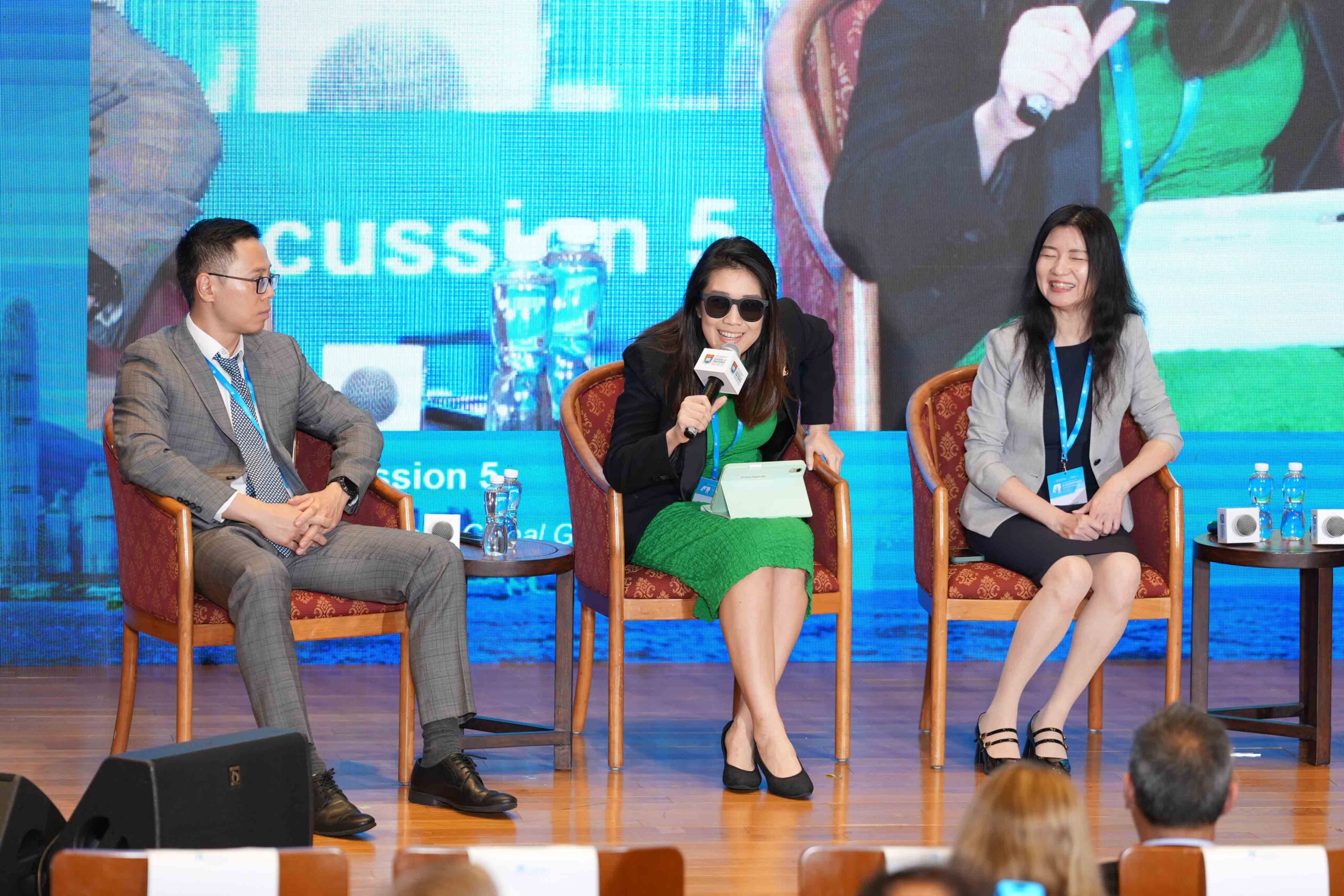
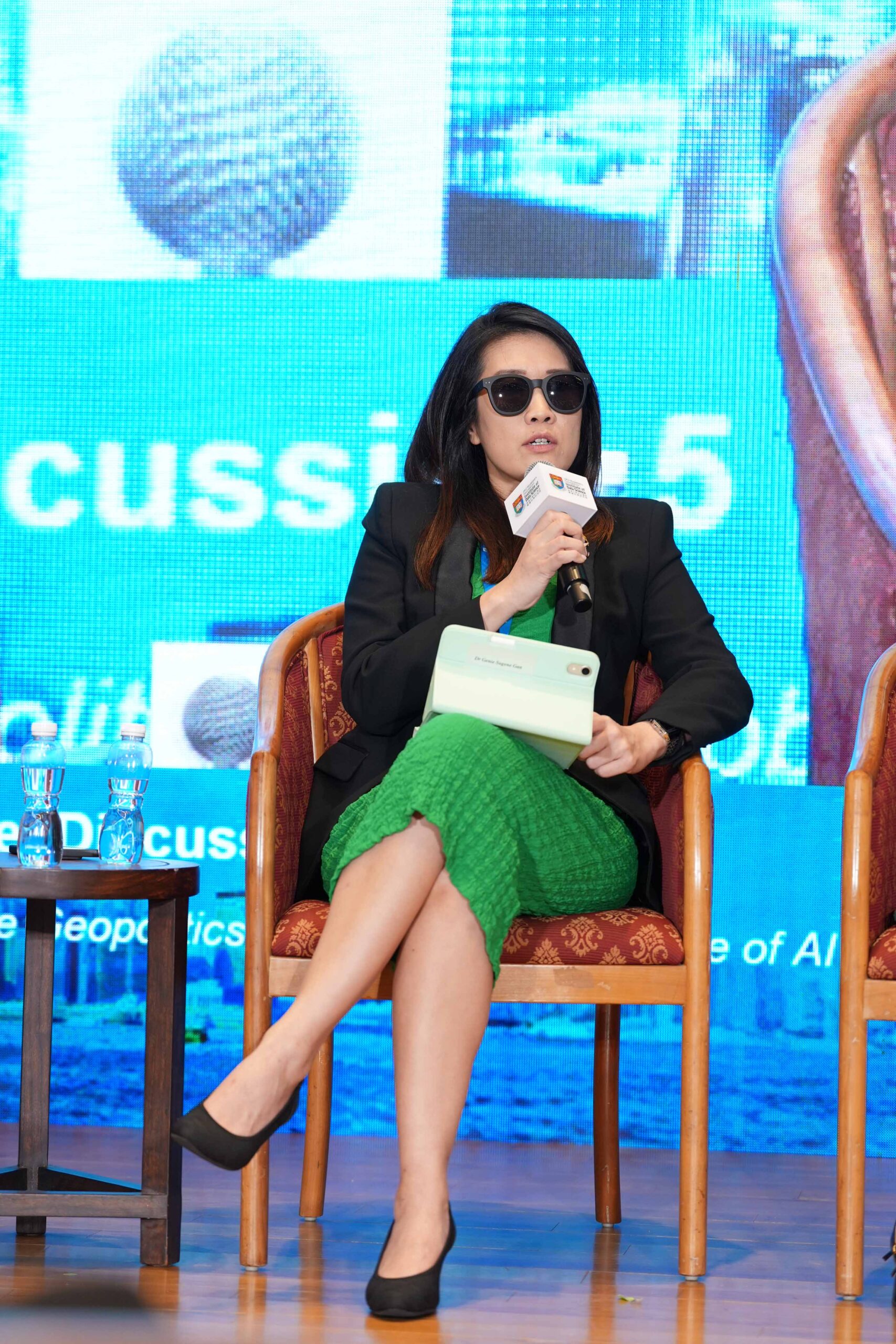
Panel Discussion 5
On the Geopolitics and Global Governance of AI
The panel examined what global AI governance requires in a context of uneven capabilities, diverse political systems, and differing institutional capacities.






Discussion Summary
This panel examined the global governance of AI in a context of uneven capabilities, diverse political systems, and strategic competition. The discussion challenged the idea that AI governance can be reduced to a two-player race, while recognising that major powers and large technology companies play a disproportionate role in shaping outcomes.
Panellists considered whether meaningful international cooperation is possible when states and firms face incentives to pursue advantage, and whether shared risks could create pressure for coordination. The discussion also addressed the role of open technologies, shared infrastructure, multilateral institutions, and enforceable mechanisms such as standards, reporting requirements, procurement rules, and oversight.
The session also widened the governance lens to include language, culture, labour impact, and institutional capacity. These issues complicate universal governance models, particularly for regions and communities with fewer technical resources or less influence over global standard-setting.
Prof George CHEN
Partner & Co-Chair, Digital Practice, The Asia Group
Former Regional Public Policy Director, Meta, HKSAR, China
Dr Genie Sugene GAN
Global Governor, Global Council for Responsible AI
Co-Chair of CSA Alliance
Chair for Cybersecurity, SGTech
Dr Hongyu FU
Director, AI Governance Center and the Data Economy Center, Alibaba Research Institute, China
Prof Qian XIAO
Vice Dean, Institute for AI International Governance
Deputy Director, Centre for International Security and Strategy, Tsinghua University, China
Dr Yonghua LIN
Vice President and Chief Engineer, Beijing Academy of Artificial Intelligence, Founder, IEEE WIE, China
Prof Brian WONG
Moderator
HKU-100 Assistant Professor, Department of Philosophy
Fellow, Centre on Contemporary China and the World, HKU, HKSAR China
Concluding Key Dialogue
Are We Educating Our Next Generations to be AI-Agile and -Resilient?
The closing dialogue revisited the role of universities and expert institutions, focusing on how education must evolve in response to AI’s expanding cognitive capabilities.






Discussion Summary
The concluding dialogue returned to the question of how education should respond to AI’s expanding cognitive capabilities. Speakers discussed why universities and expert institutions remain important, not simply as providers of information, but as environments for developing judgement, communication, intellectual discipline, and civic participation.
The conversation considered how education may need to move further away from content delivery towards the ability to ask meaningful questions, evaluate AI-generated outputs, and navigate ambiguity. AI literacy was discussed as a core capability that should extend across disciplines, including technical understanding, ethical awareness, data protection, intellectual property, and responsible use.
The session also considered whether higher education may increasingly take the form of lifelong and modular learning. Rather than treating education as a one-time degree experience, speakers discussed the possibility of periodic return to universities as technologies, professions, and social needs continue to evolve.
Prof Anil GABA
ORPAR Chaired Professor and Academic Director, Centre on Decision Making and Risk Analysis, INSEAD, Singapore
Prof Jay SIEGEL
Vice-President and Pro-Vice-Chancellor (Teaching and Learning), HKU, HKSAR China
Prof Herman CAPPELEN
Moderator
Chair Professor, Department of Philosophy, School of Humanities, HKU, HKSAR China
Closing Keynote
AI Governance: Lessons from Health Care
The keynote used healthcare as a case study to argue that effective AI governance must be sector-specific, system-wide, and grounded in real institutional contexts.






Discussion Summary
The closing keynote used healthcare as a case study to examine why AI governance should be grounded in specific sectors and institutional contexts. Rather than assuming that one governance model can apply equally across health, education, finance, or security, the keynote considered how risks, incentives, ethical norms, and institutional structures differ by setting.
Healthcare AI was discussed as part of a wider system involving developers, regulators, hospitals, insurers, clinicians, and patients. This made governance a question of workflow and system integration as much as technical design. The keynote also highlighted that routine or administrative applications, such as scheduling and allocation processes, can carry ethical and distributional consequences.
The presentation further considered how trust in AI systems should be established. Rather than relying only on explainability, the discussion pointed to the importance of evidence, validation, demonstrated performance, and real-world outcomes. As the closing session, it reinforced a broader conference message: effective AI governance requires attention to the systems in which AI is actually deployed.
Prof Glenn COHEN
Deputy Dean, Harvard Law School; Faculty Co-Director, Petrie-Flom Center, Harvard Law School, USA
Prof Boris BABIC
Moderator
HKU-100 Associate Professor, HKU Musketeers Foundation Institute of Data Science, Department of Philosophy, and Faculty of Law (by courtesy), HKU, HKSAR China
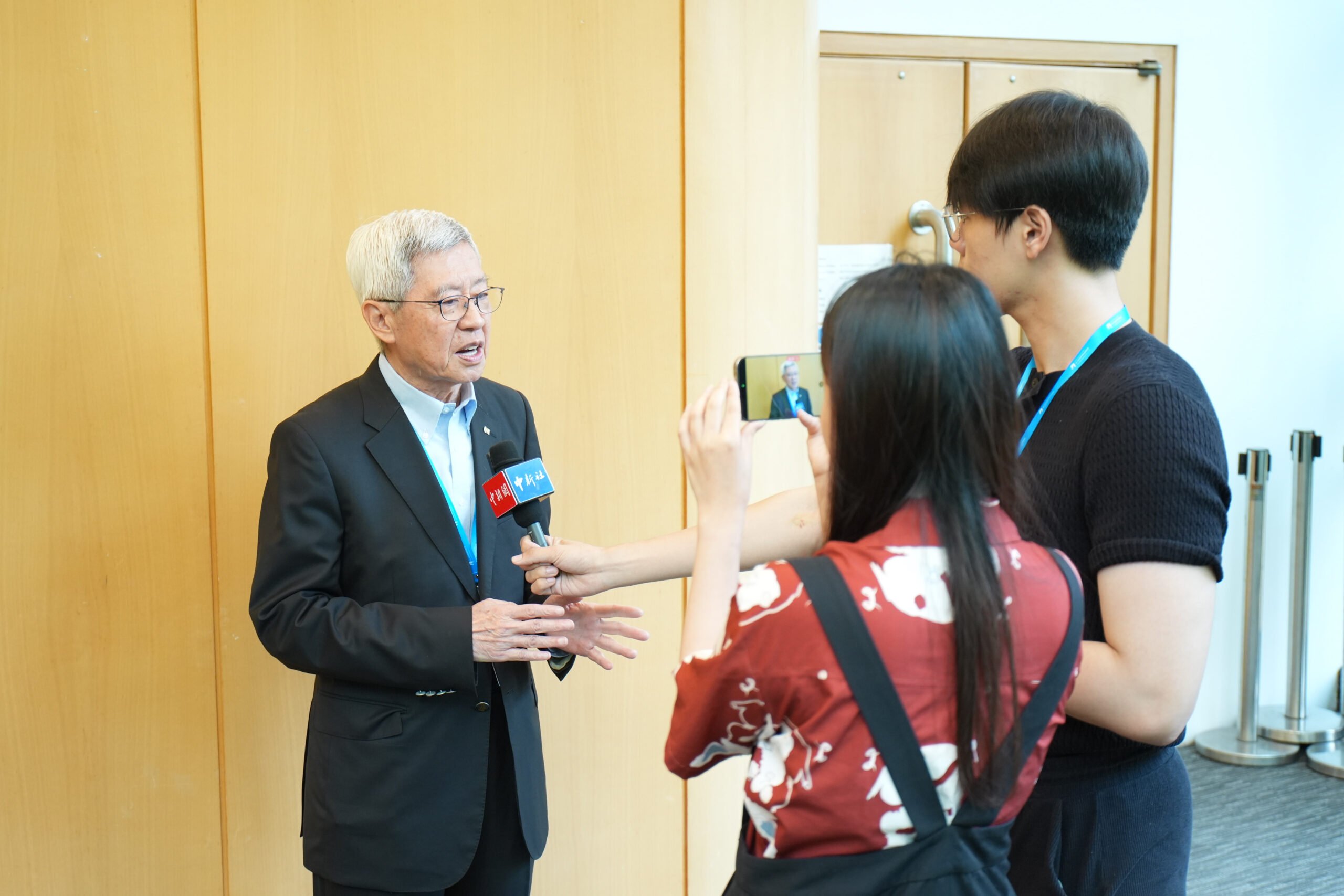
The Conference received coverage in both English and Chinese media. Reports covered the opening ceremony, Professor Xiang ZHANG’s remarks on the opportunities and challenges brought by AI, the importance of integrating humanities and social sciences with technology, and wider discussions on AI governance, education, and China’s role in global governance efforts.
Conference Album